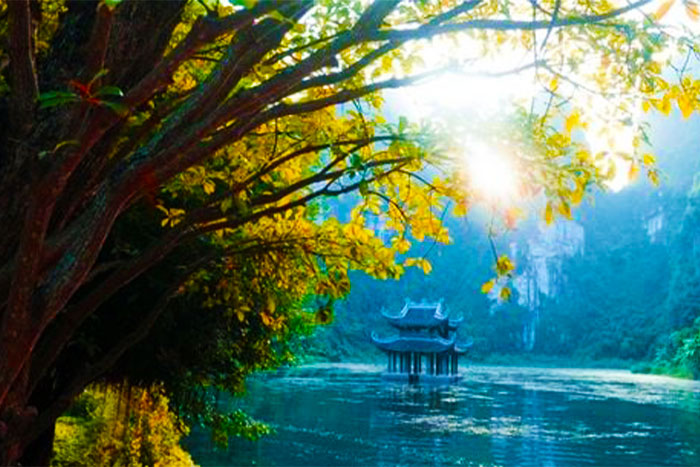
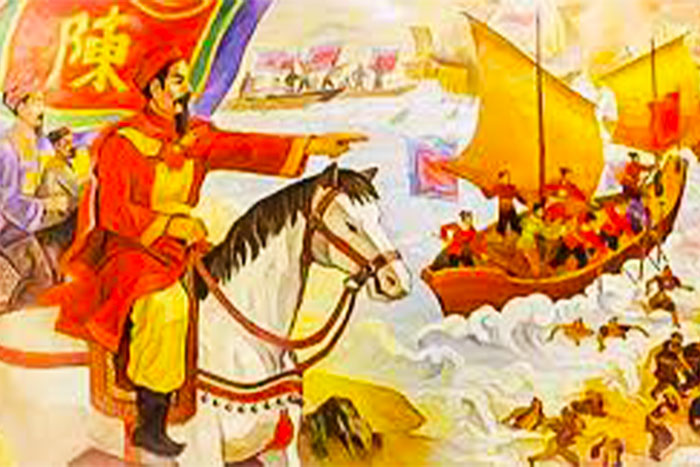
About the history of Thai Vi Temple, it was constructed by King Tran Thai Tong in 1258 following the initial and triumphant victory against the invading Chinese forces. Historical records narrate that, at 41 years old, the king handed over power to his son after the victory and relocated to a small town in today's Ninh Hai commune, Ninh Binh Province.
Arriving at the small town nestled at the base of a mountain, overlooking the Ngo Dong River, he established a small temple in Van Lam cave. This temple was dedicated to Buddha and three saints. The king engaged in daily meditation and actively contributed to the prosperity of the villagers. The temple gained prominence during the second battle against Chinese invaders in 1285.
Over the years, the temple has undergone various reconstructions, with the latest one carried out in 2006 by a Buddhist living in Hanoi. The temple venerates King Tran Thai Tong, his wife, and son.
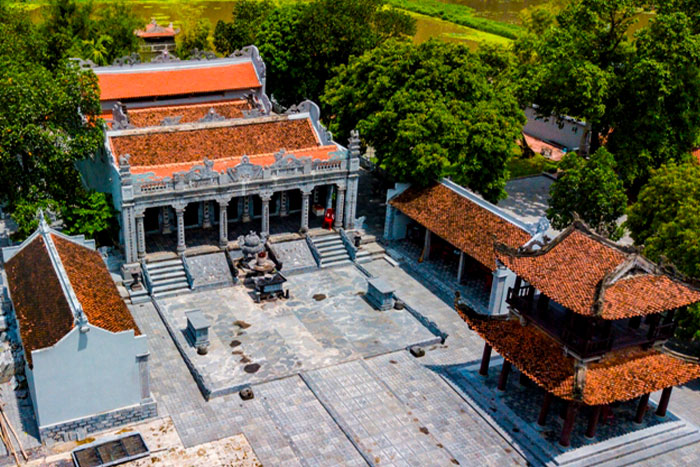
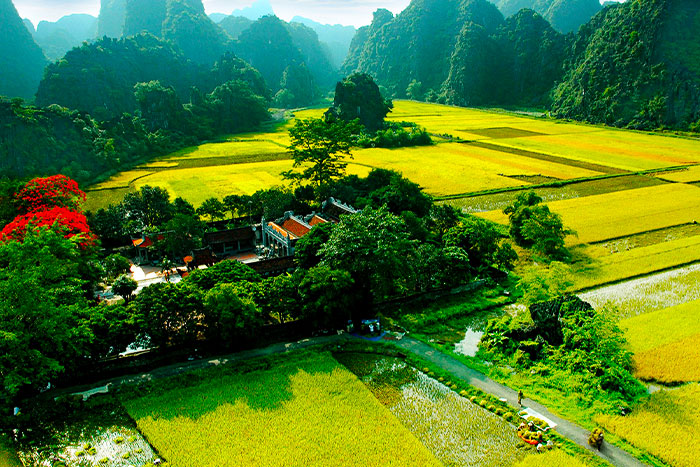
When you visit Thai Vi Temple, or other temples and pagodas, you can notice that the architecture and the construction here have a relatively distinctive feature. Often, individual structures are intricately grouped, while the entire complex is enclosed by walls. This is actually one kind of architectural model, called “Nội công ngoại quốc”. "Nội công ngoại quốc" is a term coined in a philosophical manner using Chinese characters. "Nội công" refers to the form of architecture shaped like the character "công" (工), while "Ngoại quốc" (国) is derived from the enclosing border of the character "Quốc" (囗).
When constructing Thai Vi Temple, artisans utilized monolithic green stones to craft worshiping items, tombs, and altars, bestowing a distinctive and imposing demeanor upon the sanctuary.
From the elevated vantage point of the two-story bell tower, gazing in the opposite direction reveals the 4-sided stele tower erected in 1926. Flanking this tower on both sides are three steles that meticulously detail the years of restoration and the names of contributors to the temple's construction.
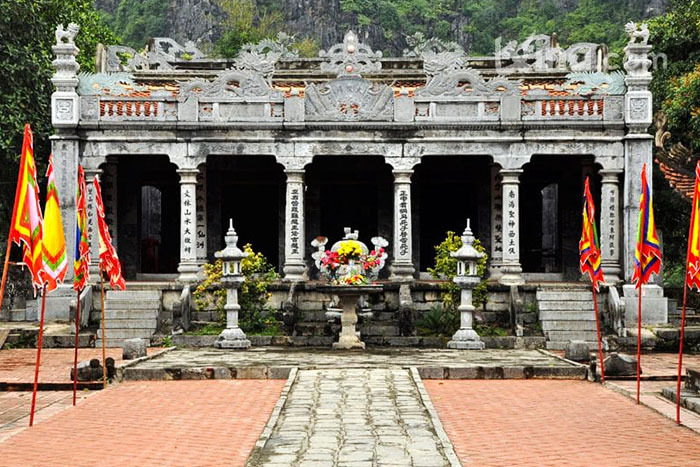
Upon entering Thai Vi Temple in Ninh Binh Vietnam, the Dragon courtyard unfolds—a verdant expanse adorned with two Vong houses on either side, encapsulating an area of approximately 40 square meters. Progressing further, tourists are greeted by Dai Bao, featuring five grand entrances and six rows of parallel stone pillars intricately carved with dragon-themed art, overlooking the mausoleum.
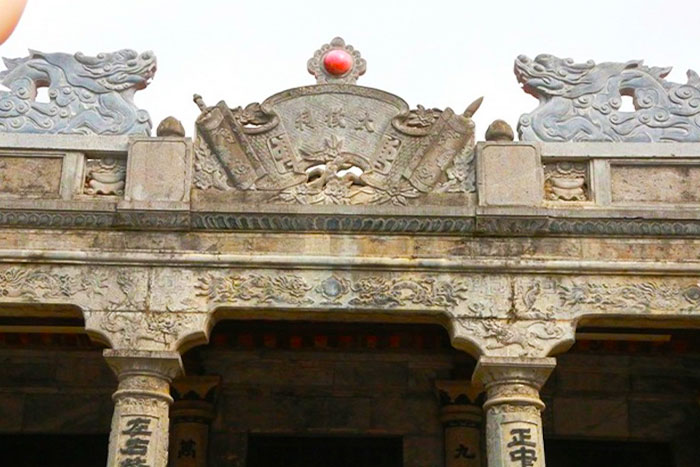
The stone blocks within the courtyard bear the elegant imprint of two dragons. Within the temple, three compartments house two parallel rows of exquisitely carved stone pillars, with four pillars bearing intricate dragon carvings.
Upon stepping inside, you will encounter five main compartments adorned with eight skillfully crafted stone pillars. Fashioned from smooth and elegant blue stone, these pillars support statues of King Tran Thai Tong, Tran Thanh Tong, and Queen Thuan Thien, creating a deeply resonant atmosphere for worship and reflection.
From Hanoi to Ninh Binh, you have the option of traveling by motorbike, bus, or private car to get there.
By bus


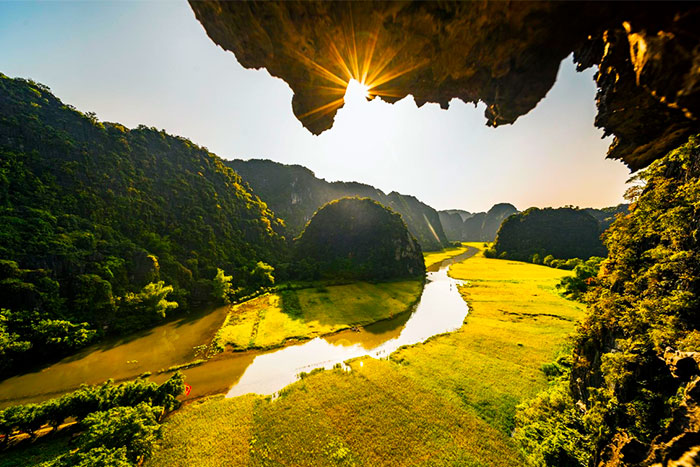
Thai Vi temple is located in Trang An Complex; therefore, on route to visit the complex, you can visit the temple by the way. When traveling to Thai Vi Temple, you have two options: getting there by boat or by bike. The first option, you embark on a boat along the Tam Coc – Bich Dong route.
Another option, from Van Lam pier, take a right and follow the road parallel to the Ngo Dong river to access the temple. For a more immersive experience, opt for a bike ride instead of walking as it offers the sensation that you are cycling amidst expansive green fields, inhaling the crisp air, and savoring the picturesque scenery that unfolds at every turn. That’s how to get to Thai Vi Temple.
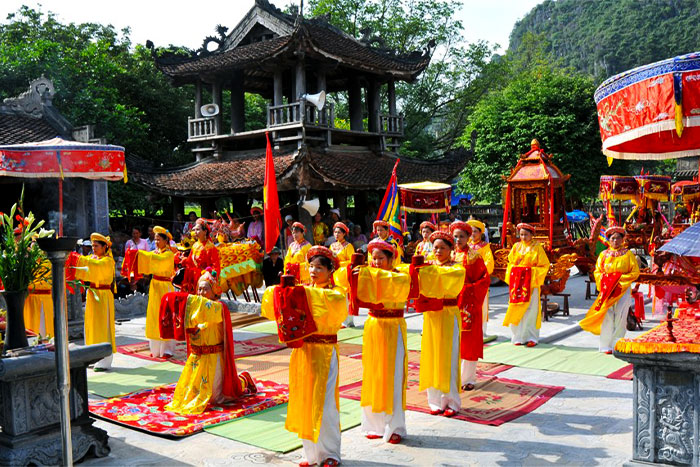
Exploring Thai Vi Temple is a delightful experience that can be enjoyed year-round, allowing flexibility based on your schedule. Yet, for an enriched visit, it's recommended to align your trip with the vibrant Thai Vi Ninh Binh Temple Festival. Taking place from the 14th to the 17th day of the first lunar month, adds a special touch to your journey, it’s the best time to visit Thai Vi temple. Immerse yourself in the festival's rituals, honoring the contributions of the first four kings of the Tran Dynasty, and witness the temple come alive with cultural vibrancy during this period.
Join Thai Vi temple festival, you will have a great opportunity to participate in some folk games such as dragon dance, lion dance, wrestling, chess, and boat racing. Immersing yourself in such joyful festive atmosphere is definitely one of the best things to do in Ninh Binh Vietnam when you come to the temple on this occasion.
Thai Vi Temple is intimately connected with the history of the Tran dynasty, making it a sacred place where people from all over the country come to commemorate the contributions of the Tran kings. In addition, with its traditional architectural style known as "nội công ngoại quốc," featuring sophisticated design, the temple also serves as a repository for cultural, architectural, and spiritual values that should be respected and preserved through time.
To ensure a satisfying experience far beyond your expectations, please CONTACT AUTOUR ASIA, TRAVEL AGENCY VIETNAM now.


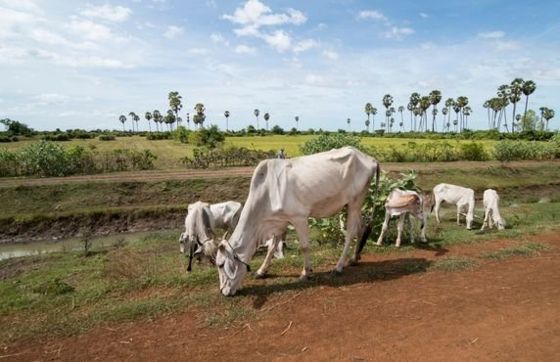
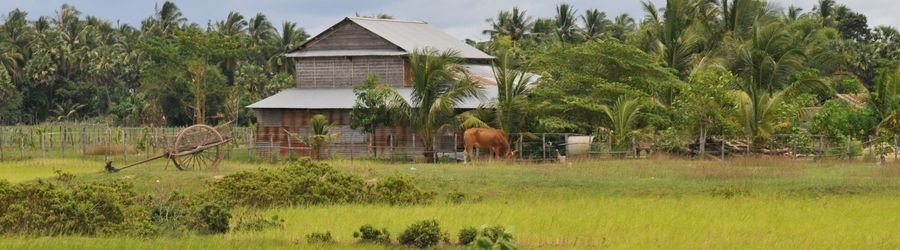
After exploring Angkor’s temples, bustling markets and the streets of Phnom Penh, Cambodia can also be discovered through its countryside. A weekend farm tour in Cambodia offers a chance to slow down and experience a rural way of life that remains closely connected to the land, the seasons and the harvest. Depending on the region, you may take part in farm activities, cook with a local family or follow rural paths between rice fields and orchards. This countryside escape is ideal for couples and families looking to experience Cambodia beyond the usual tourist routes. To make travel easier and choose an experience suited to your needs, a Cambodia travel company can also incorporate this rural immersion into a more comprehensive itinerary.
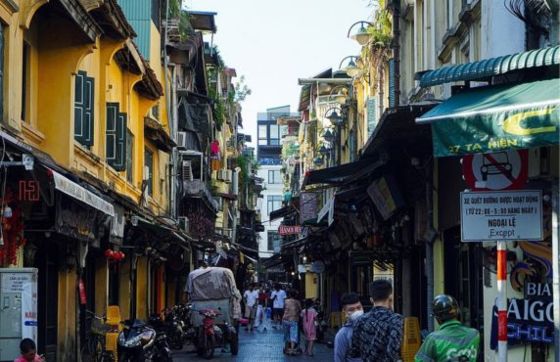
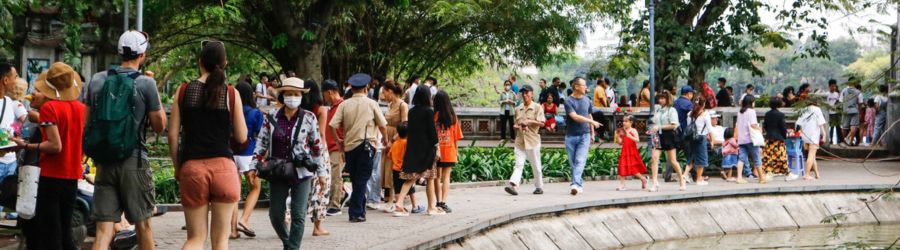
In Hanoi, walking is not just a way of getting around: it is one of the best ways to experience the rhythm of the capital. Between the bustling shopping streets of the Old Quarter, colonial-era façades, shady lakes and street food stalls, each area has its own atmosphere. But which Hanoi walking tour should you choose if you have half a day, a full day or just a few hours? This guide presents five ways to explore the city, from Hoan Kiem Lake to Long Bien Bridge, via Truc Bach and Hanoi’s food districts. Heritage, photography, gastronomy or local life: everyone can find a route that suits them. To plan a more comprehensive trip, the Local travel agency in Hanoi - Autour Asia can also help you incorporate Hanoi into the other stages of your itinerary.
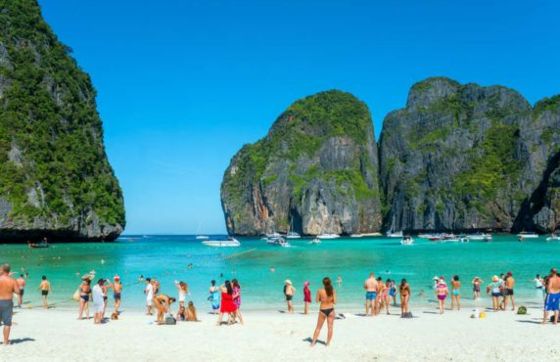
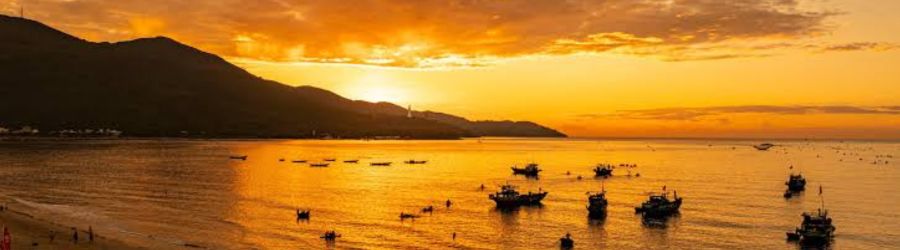
A 3 weeks in Vietnam with beach itinerary allows you to combine cultural discoveries, natural landscapes, and a few days of seaside relaxation, without turning the trip into a succession of transfers. In 21 days, it is possible to start in Hanoi, discover Ha Long Bay or Lan Ha Bay, continue to Hue and Hoi An, then head south before ending with a beach destination suited to the season. But where should you go to the beach in Vietnam? The answer depends mainly on the time of year: Phu Quoc is particularly suitable during the dry months in the South, while Da Nang, Hoi An, or Quy Nhon are good options during part of the year. To build a coherent itinerary, the Vietnam travel agency - Autour Asia can also adapt the stops to each traveler's pace and preferences.
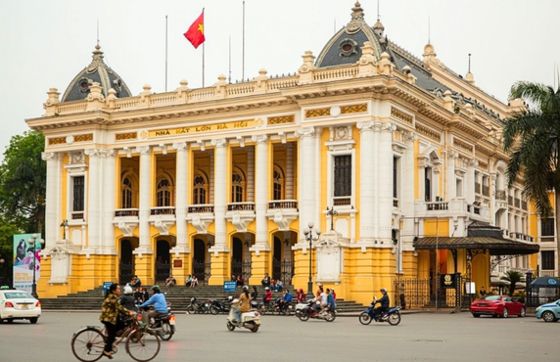
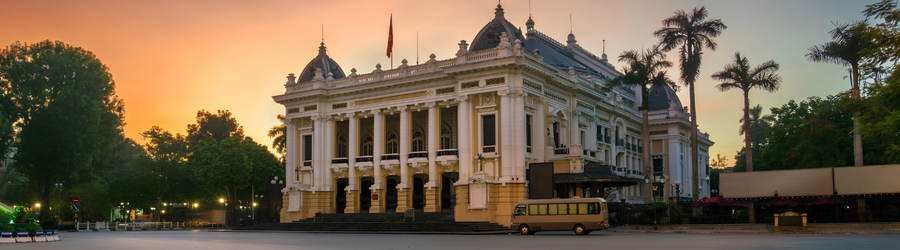
Located in the heart of Vietnam’s capital, the Hanoi Opera House is one of the city’s most iconic cultural and architectural landmarks. Built during the French colonial period, this elegant building has become an essential stop for travelers interested in Hanoi’s history and performing arts. But what can you actually see during a visit? Is visiting Hanoi Opera House possible without attending a show, and is a Hanoi Opera House tour worth adding to your itinerary? In this guide, discover the history, architecture, cultural significance and practical information you need to make the most of your visit to the Hanoi Opera House Vietnam.
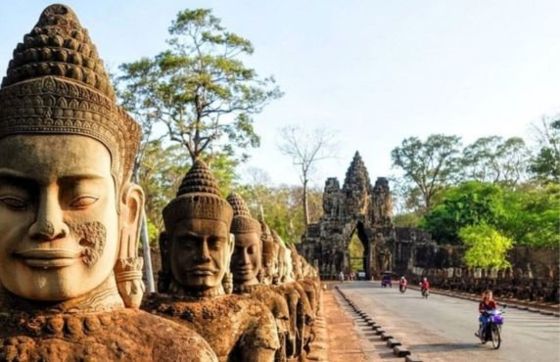

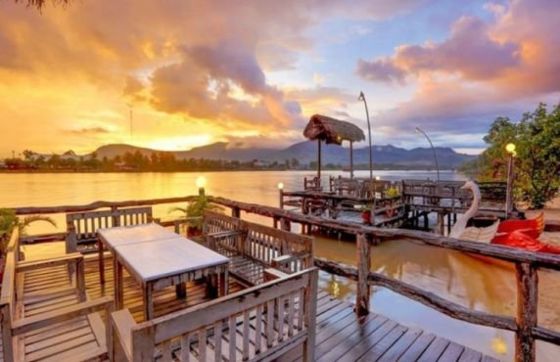

Traveling with children in southern Cambodia makes it easy to enjoy a variety of experiences: peaceful small towns, tropical landscapes, beaches, islands, local markets, and nature discoveries. To know where to visit Southern Cambodia with family, however, it is better not to include too many stops. Kampot, Kep, and the islands of Preah Sihanouk Province offer complementary atmospheres, with family-friendly activities and plenty of opportunities to relax. The choice mainly depends on the children’s age, your preferred pace, and the season. In this guide, we offer a balanced itinerary and practical ideas for organizing your stay, with advice from Cambodia travel company - Autour Asia to help you enjoy southern Cambodia without turning your holiday into a race against the clock.
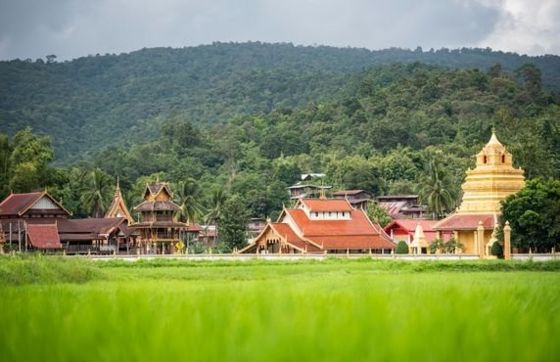

When we think of Thailand, the first images that often come to mind are temples, lively markets, tropical islands, or the beaches of the south. Yet, the country has another, more discreet side that is deeply connected to its identity: its countryside and agricultural heritage. Today, agritourism trends are attracting travelers looking for authentic experiences, closer to nature and local communities. To discover this different side of Thailand, a Thailand travel company can include rural stops in a classic itinerary. It is a great way to slow down, taste local products, and understand the daily life of local communities.


In the heart of Hanoi, some places tell the story and spirit of the Vietnamese capital better than others. Hoan Kiem lake is certainly one of them. Surrounded by trees, historic monuments and lively streets, it is a meeting point between heritage, traditions and daily life. A walk around the lake also allows visitors to experience the unique rhythm of Hanoi, from early-morning tai chi sessions to family walks and the lively atmosphere of the weekend. For travelers who want to discover the capital in a different way, this iconic site deserves a place in any itinerary planned by a Vietnam travel agency. But what is really hidden behind this famous lake?



 FR
FR EN
EN