 FR
 ITA
 ANGKOR TEMPLES
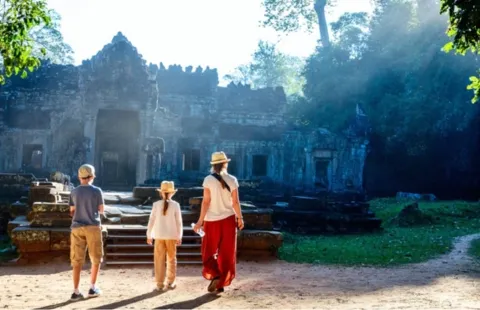
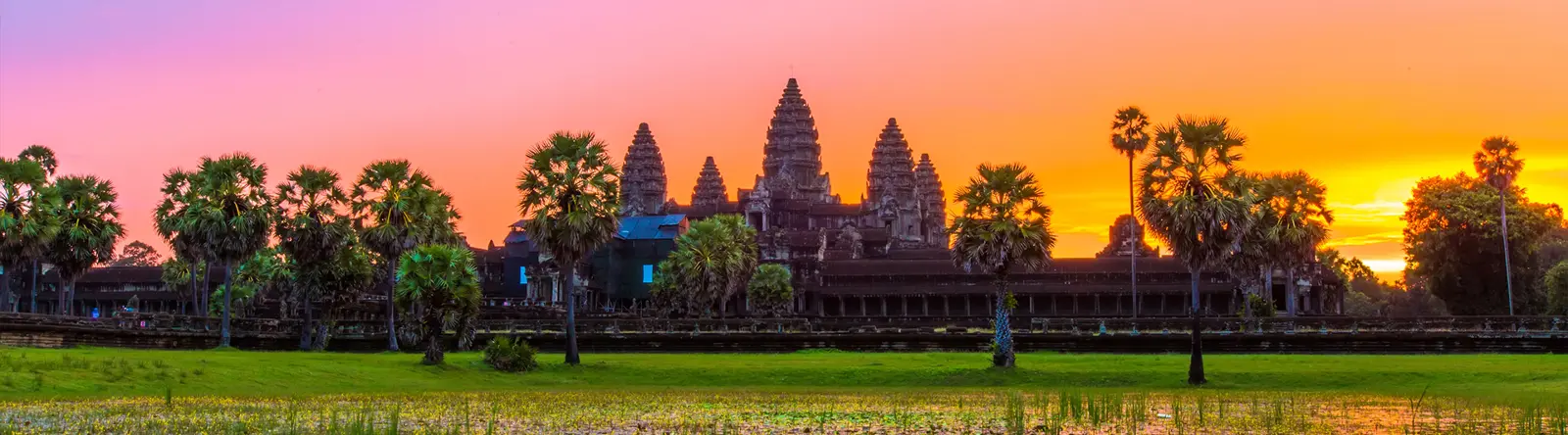
Authentic Angkor Temples Tour Itinerary 1 Day
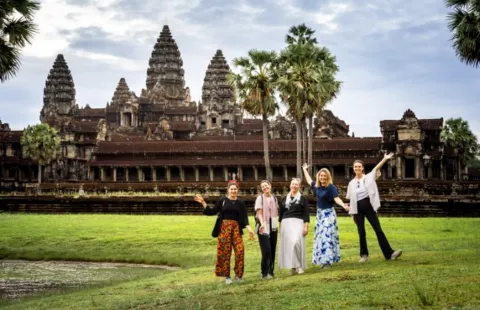
Angkor Wat is a massive temple complex located in Cambodia, Southeast Asia. It is one of the most important and famous archaeological sites in the world and is a UNESCO World Heritage site. Angkor Wat is renowned for its stunning architecture, historical significance, and cultural value.
The temple was originally built in the 12th century by the Khmer King Suryavarman II as a Hindu temple dedicated to the god Vishnu. Later, it transitioned into a Buddhist temple towards the end of the 12th century. The name "Angkor Wat" translates to "City Temple" or "Temple City."
Angkor Wat is not just a single temple; it is part of a much larger archaeological site known as the Angkor Archaeological Park, which contains many other temples and historical structures from the Khmer Empire.
Today, Angkor Wat is a significant tourist destination, attracting visitors from around the globe who come to marvel at its breathtaking architecture and immerse themselves in its rich history and culture.
 ROYAL CAPITAL
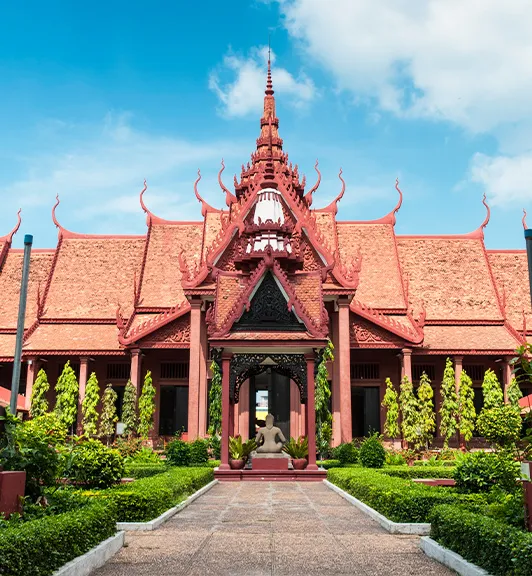
Vibrant Phnom Penh City Tour 1 Day
Spend a full day in Phnom Penh, the capital of Cambodia, on the banks of the Tonle Sap and Mekong rivers. With your private guide, visit Wat Phnom and Wat Unalom, learn about the Khmer Rouge years at the Tuol Sleng Genocide Museum, then discover the Royal Palace, the Silver Pagoda and the Khmer art of the National Museum.
Lunch is served in a local Khmer restaurant. The tour is private, with an English-speaking guide and a private car, and can be adjusted to your pace.
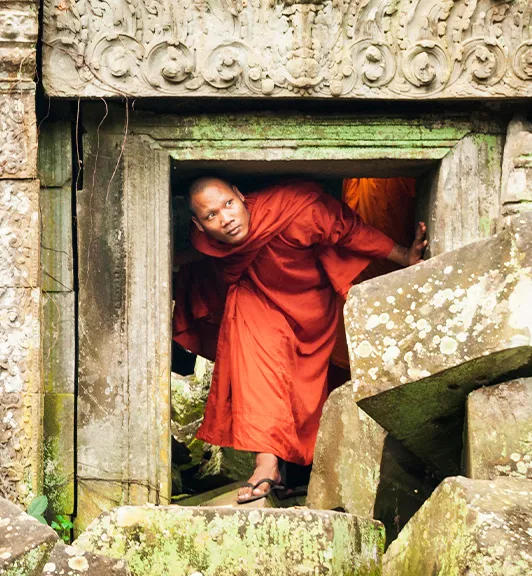 ANGKOR TEMPLES
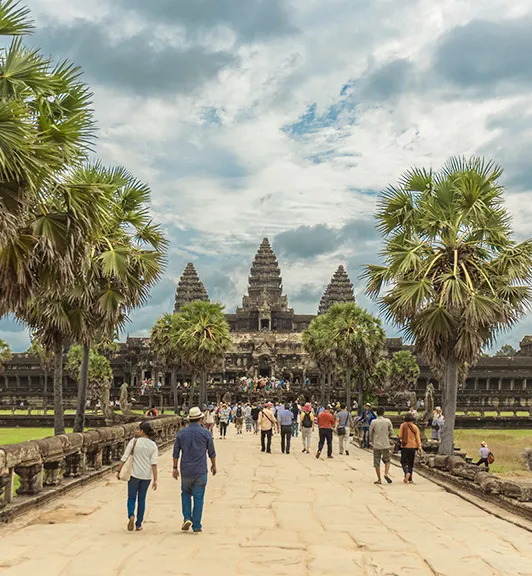
Marvelous Angkor Temples Tour Itinerary 3 Day 2 Nights
Angkor Wat is a massive temple complex located in Cambodia, Southeast Asia. It is one of the most important and famous archaeological sites in the world and is a UNESCO World Heritage site. Angkor Wat is renowned for its stunning architecture, historical significance, and cultural value.
The temple was originally built in the 12th century by the Khmer King Suryavarman II as a Hindu temple dedicated to the god Vishnu. Later, it transitioned into a Buddhist temple towards the end of the 12th century. The name "Angkor Wat" translates to "City Temple" or "Temple City."
- Angkor Wat is not just a single temple; it is part of a much larger archaeological site known as the Angkor Archaeological Park, which contains many other temples and historical structures from the Khmer Empire.
- Today, Angkor Wat is a significant tourist destination, attracting visitors from around the globe who come to marvel at its breathtaking architecture and immerse themselves in its rich history and culture.
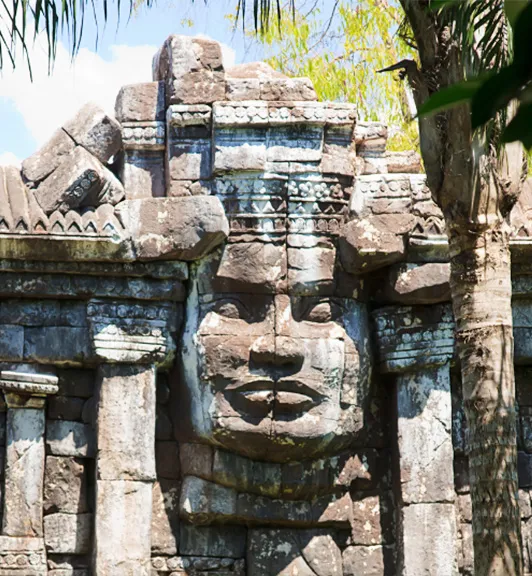 BAKHENG SUNSET
Angkor Temples Discovery Itinerary 4 Days 3 Nights
Angkor Wat, an extensive temple complex situated in Southeast Asia's Cambodia, stands as a globally renowned and significant archaeological marvel, earning UNESCO World Heritage status.
Esteemed for its splendid architecture, historical importance, and cultural significance, this massive complex was originally constructed during the 12th century by King Suryavarman II of the Khmer Empire as a Hindu sanctuary devoted to Vishnu.
- Later, it underwent a transformation into a Buddhist temple. The name "Angkor Wat" translates to "City Temple" or "Temple City." Not limited to a solitary temple, Angkor Wat forms part of the expansive Angkor Archaeological Park, housing numerous other temples and historical structures from the Khmer Empire era.
- Today, it serves as a prominent tourist attraction, drawing visitors from all corners of the world who come to admire its breathtaking architecture and immerse themselves in its enriching history and culture.
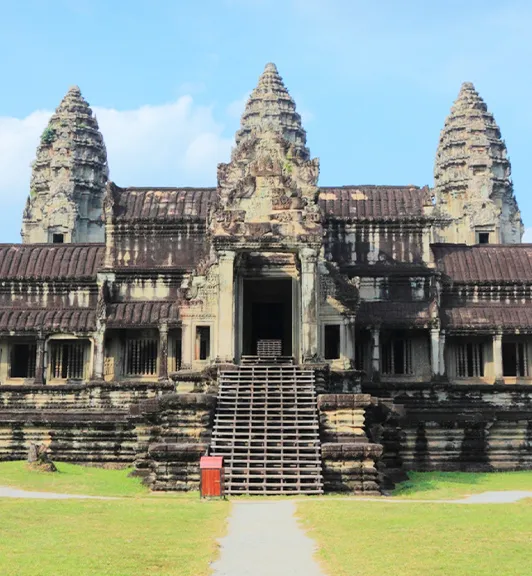 ANGKOR TEMPLES
Angkor Wat Temple Tour Package Itinerary 5 Days 4 Nights
Angkor Wat, an extensive temple complex in Cambodia, is a globally renowned archaeological marvel and UNESCO World Heritage site. Built in the 12th century by King Suryavarman II, it was initially a Hindu sanctuary for Vishnu but later became a Buddhist temple. "Angkor Wat" means "City Temple" or "Temple City."
- It is part of the vast Angkor Archaeological Park, housing many temples and historical structures from the Khmer Empire.
- Today, it is a prominent tourist destination, attracting visitors worldwide who come to admire its stunning architecture and delve into its rich history and culture of Angkor Wat Tour.
Our Cambodia tours start where most travellers dream of starting: at sunrise in front of Angkor Wat. But the Kingdom of Cambodia is much more than one temple. Around Siem Reap lie hundreds of Khmer monuments hidden in the forest; in Phnom Penh, the Royal Palace and the riverside tell the story of a resilient nation; on the Tonle Sap lake, whole villages float on the water; and in the south, the pepper farms of Kampot, the crab market of Kep and the islands of Koh Rong invite you to slow down. Autour Asia, a local Indochina travel company based in Hanoi with more than 20 years of experience, designs private and tailor-made Cambodia tours with your own English-speaking guide and driver, at local prices and with no middleman. This guide gathers what you need to plan your Cambodia holiday: where to go, when to travel, how to get around, what to eat and what to avoid.
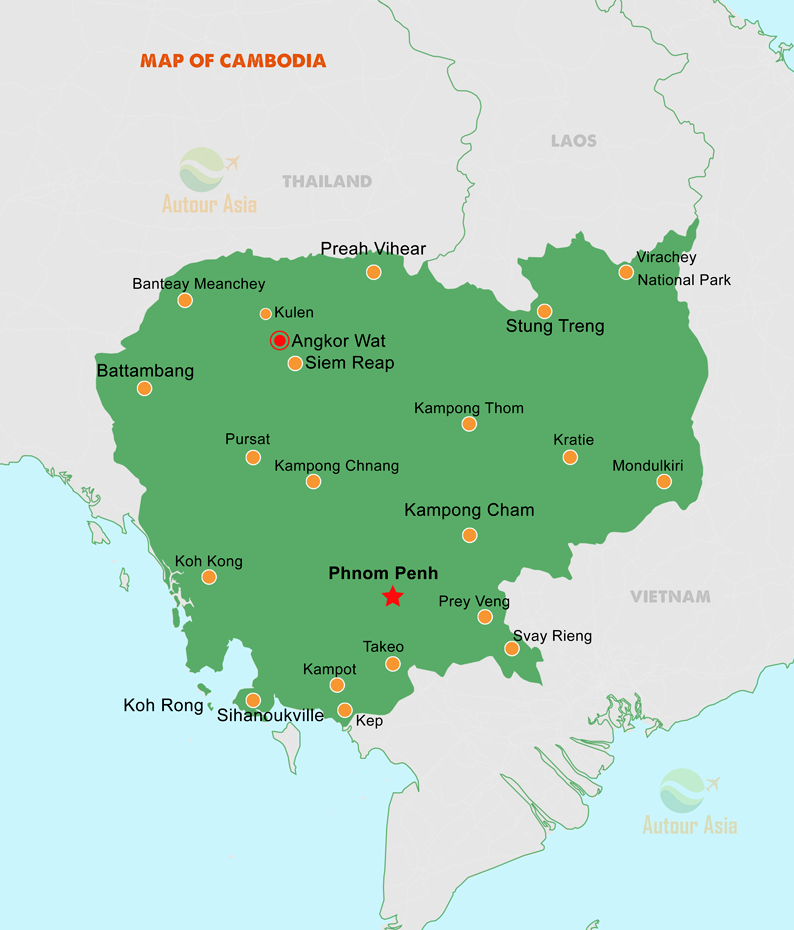
Why visit Cambodia
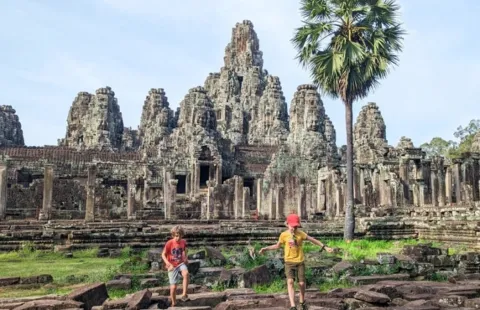
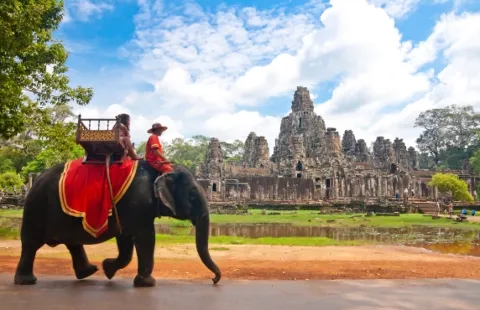
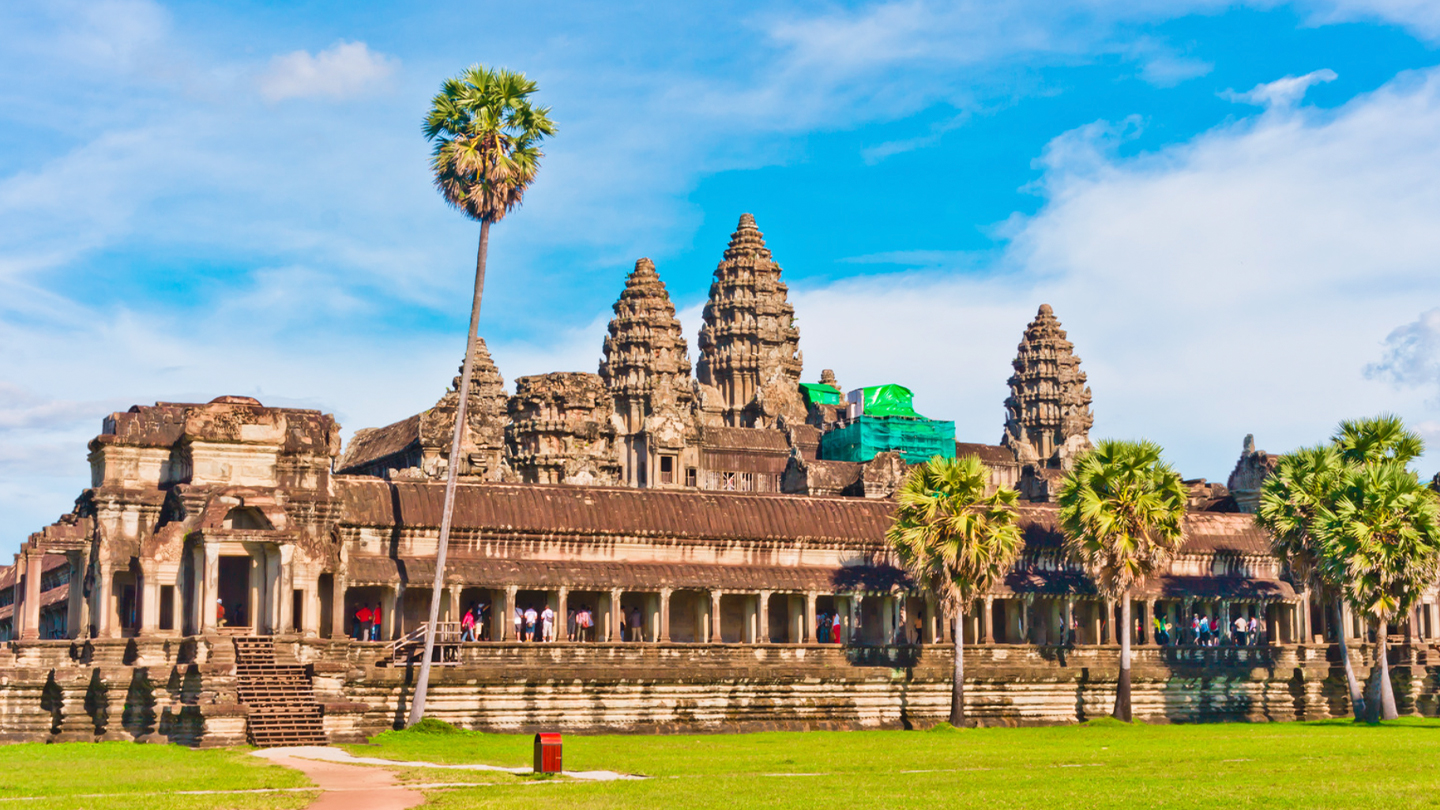
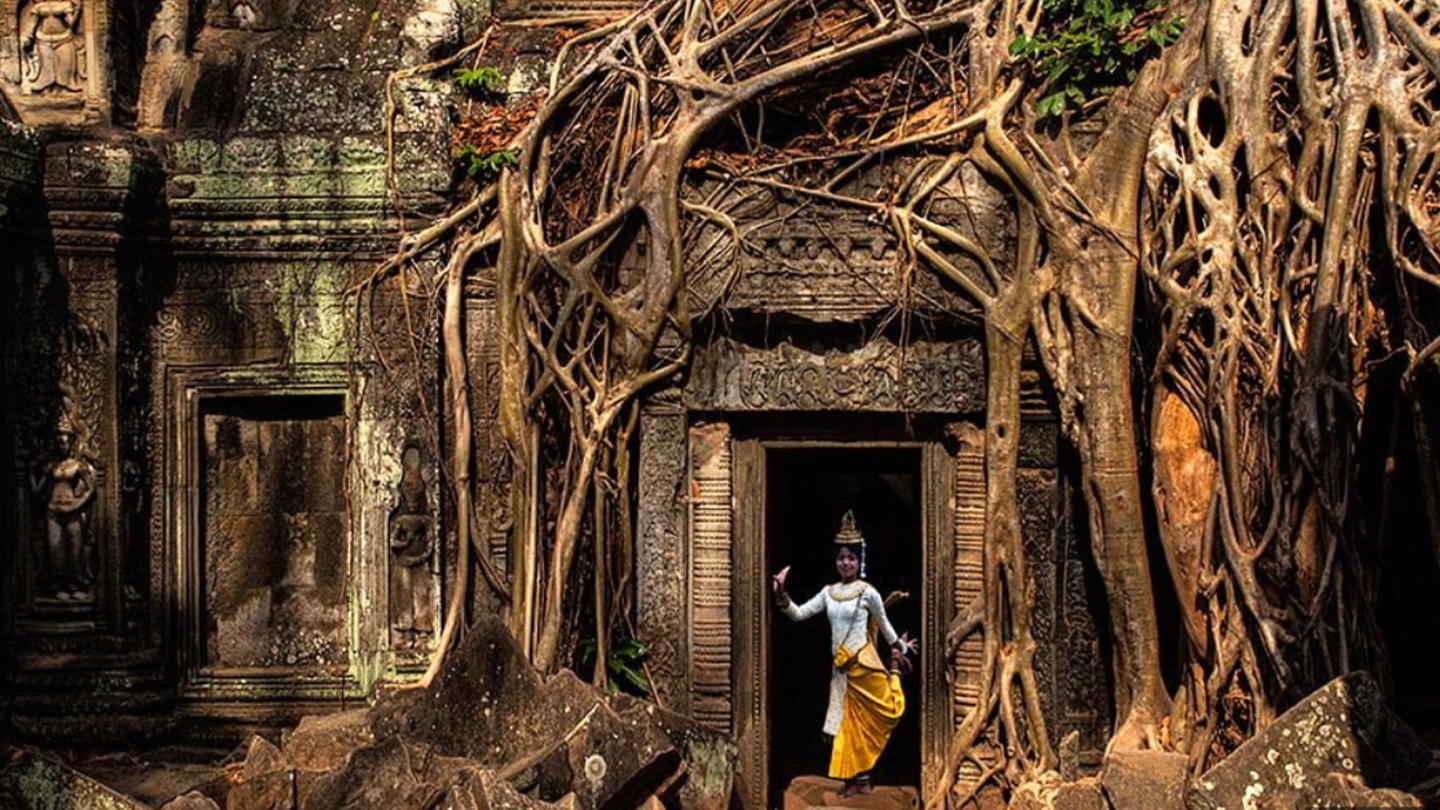
For many travellers, the first reason is Angkor. The Angkor Archaeological Park near Siem Reap, listed by UNESCO, protects the remains of the capitals of the Khmer Empire, which ruled much of mainland Southeast Asia between the 9th and 15th centuries. Angkor Wat, the largest religious monument in the world, the smiling faces of the Bayon in Angkor Thom, the trees growing over Ta Prohm and the pink sandstone carvings of Banteay Srei are unforgettable. Cambodia has other UNESCO sites too: the pre-Angkorian towers of Sambor Prei Kuk and the remote temples of Koh Ker.
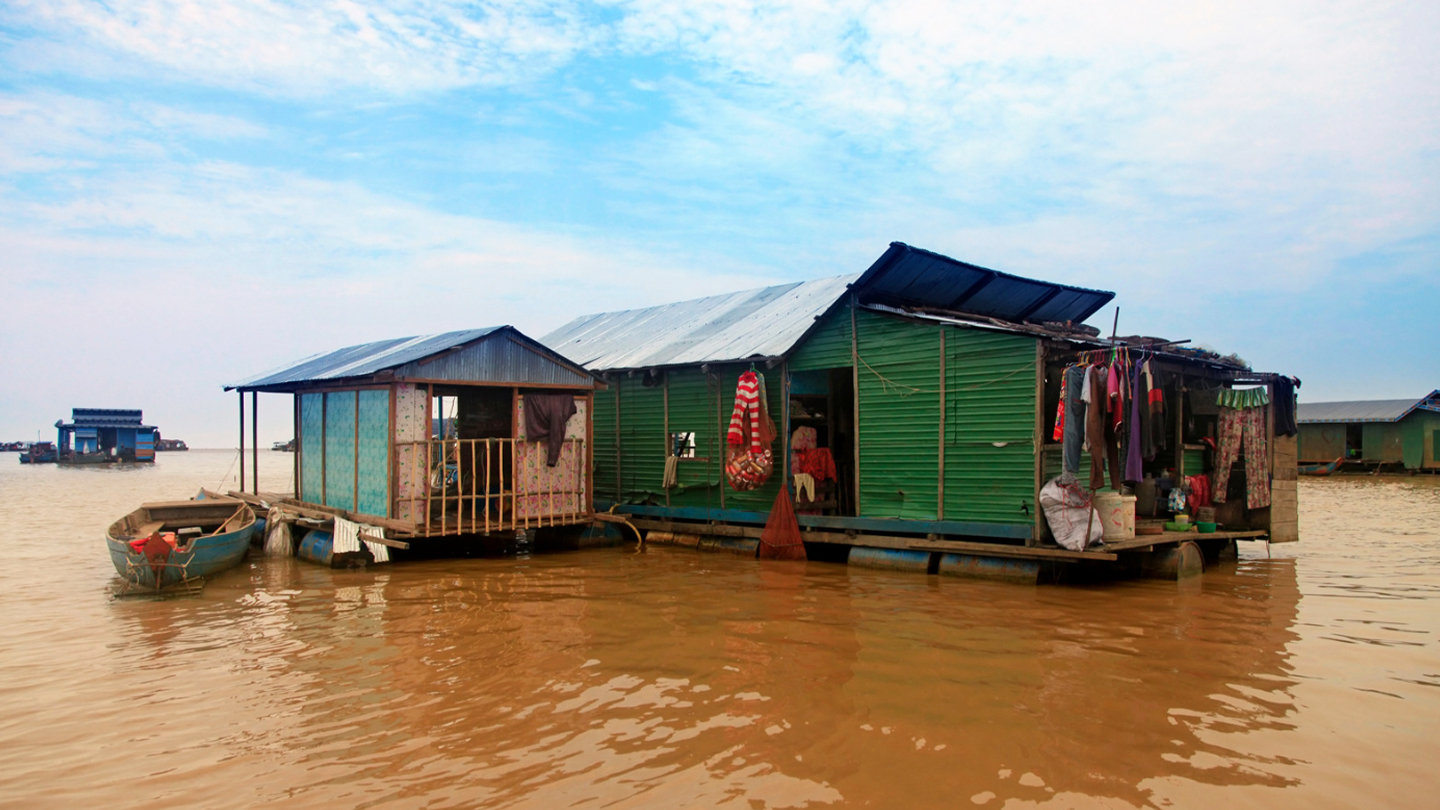
The second reason is the people. Cambodians are known for their warm welcome, and a trip here quickly becomes a series of encounters: a family in a stilt house on the Tonle Sap, a monk at a village pagoda, a farmer cycling home through the rice fields, an artisan carving stone in Siem Reap. Visiting the memorial sites of Phnom Penh, such as the Tuol Sleng museum, also helps you understand the country's recent history and the remarkable way it has rebuilt itself.
Finally, Cambodia is easy to combine. It is compact, the main sights are linked by good roads and short flights, and it sits between Vietnam, Laos and Thailand, which makes a Cambodia trip a natural part of a longer journey through Indochina. Add a gentle pace of life, delicious Khmer cuisine and beaches on the Gulf of Thailand, and you have a destination that suits couples, families, friends and solo travellers.
Families enjoy Cambodia too: children love the boat rides on the lake, cycling between temples and the "jungle temple" of Ta Prohm, and a private car makes it easy to adapt the rhythm, with rest at the hotel pool in the hottest hours. Older travellers appreciate the short distances around Siem Reap and the possibility to visit the temples at a slow pace with a guide who knows where to find shade and fewer steps.
Top places to visit in Cambodia
Siem Reap and the temples of Angkor
Siem Reap is the gateway to Angkor and deserves at least two or three full days. Beyond the famous "big circuit" of Angkor Wat, Angkor Thom, the Bayon and Ta Prohm, you can visit Preah Khan, Neak Pean, the Roluos group, among the oldest temples of the region, and Banteay Srei, 35 kilometres away. Further afield, Beng Mealea and Koh Ker show temples still half swallowed by the jungle. Sunrise at Angkor Wat or sunset from Phnom Bakheng or Phnom Krom are moments to plan around.
To visit the temples, you need an Angkor Pass, sold for one, three or seven days at the official ticket office. For most travellers, the three-day pass is the best balance: one day for the great temples, one for the outer sites and Banteay Srei, and one for sunrise, a bike ride or a return visit to a favourite place. Start early to enjoy the cool morning light, rest in the middle of the day, and return for the late afternoon. With a private guide, you can also choose quieter entrances and an order of visits that avoids the crowds.
Tonle Sap lake and its floating villages
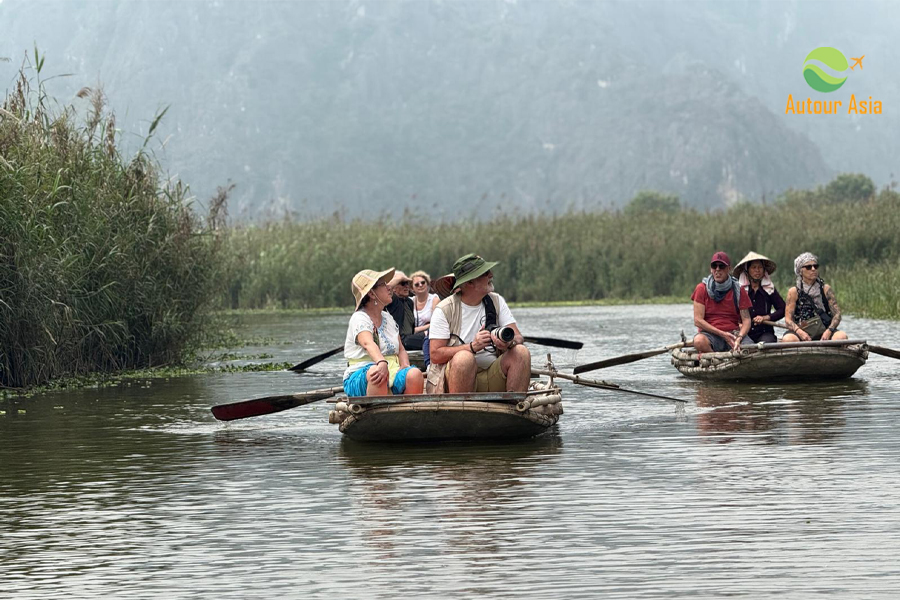
Southeast Asia's largest freshwater lake changes size with the seasons. Villages such as Kampong Phluk, Chong Kneas and Kampong Luong are built on stilts or on floating platforms, and a boat ride shows a way of life entirely shaped by the water.
Phnom Penh
The capital stands where the Mekong meets the Tonle Sap river. Visit the Royal Palace and the Silver Pagoda, the National Museum, Wat Phnom, the bustling markets and, for history, the Tuol Sleng Genocide Museum. In the evening, the riverside comes alive with families and food stalls.
Battambang, the Mekong and the north-east
Battambang is a relaxed town of colonial houses, countryside temples and rural roads. Along the Mekong, Kampong Cham, Kratie and Stung Treng offer river islands such as Koh Han and quiet villages, while Mondulkiri and Ratanakiri are green highlands for nature lovers.
The south coast: Kampot, Kep and the islands
Kampot is famous for its pepper plantations and riverside sunsets, Kep for its crab market, and the islands of Koh Rong, Koh Rong Sanloem and Rabbit Island for their beaches. Ream National Park and Kirirom National Park add nature to the coast.
How many days do you need?
With 4 to 6 days, focus on Siem Reap and Angkor, with the Tonle Sap lake. A week lets you add Phnom Penh. Ten days to two weeks are ideal to include Battambang, the Mekong or the south coast. See our itineraries for 1 week in Cambodia, 10 days in Cambodia, 2 weeks in Cambodia and 3 weeks in Cambodia, our Cambodia Packages Tours, such as the Unveiling Cambodia Mystique Tour 7 Days or the Adventure Cambodia Tours 14 Days, and our Cambodia Day Trips for a short stay. Tell us your dates and request a quote for your Cambodia trip.
Best time to visit Cambodia
Cambodia has a tropical climate with two main seasons. The dry season runs from mid-November to April. From November to January, the air is dry and relatively cool, with highs around 30-31°C, which makes it the most comfortable time to explore the temples. From mid-February to May, temperatures climb to 34-35°C, and April and May are the hottest, most oppressive months. The rainy season, brought by the south-west monsoon, lasts from about May to mid-November. Rain usually falls as heavy afternoon showers rather than all-day downpours, and the countryside turns a brilliant green. Rainfall is highest at the end of the season: September in Siem Reap and October in Phnom Penh, which also brings the highest flood risk.
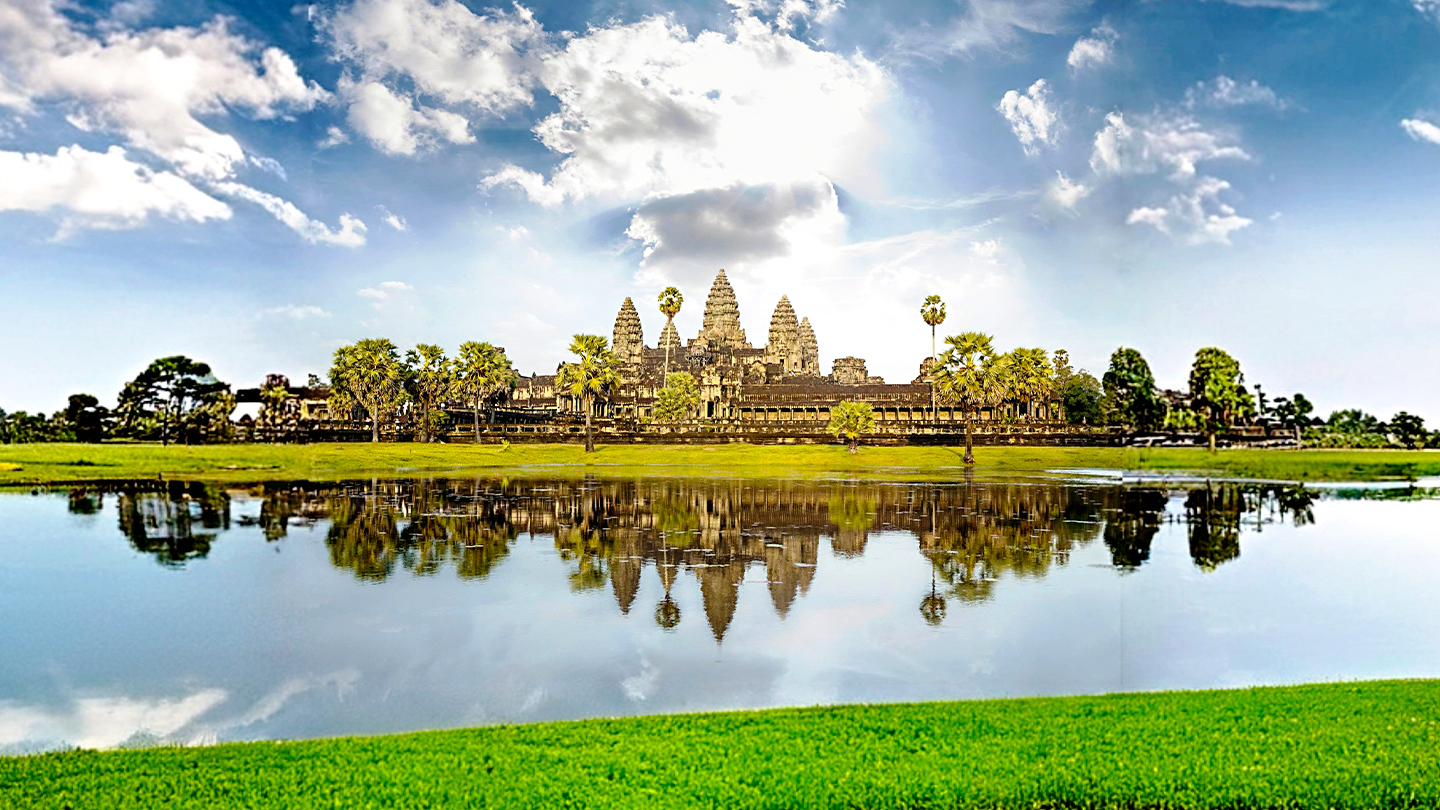
The rainy season has its own charm: fewer visitors at Angkor, lush rice fields, full moats reflecting the temples and the Tonle Sap at its widest, when floating villages are best seen by boat. Prices for hotels are often lower too.
| Month | Siem Reap | Phnom Penh | Our view |
|---|---|---|---|
| Jan | 31°C, 5 mm | 31°C, 5 mm | Excellent |
| Feb | 33°C, 5 mm | 33°C, 10 mm | Excellent, warmer |
| Mar | 34°C, 30 mm | 34°C, 40 mm | Good, hot |
| Apr | 35°C, 55 mm | 35°C, 75 mm | Very hot |
| May | 35°C, 150 mm | 35°C, 135 mm | Hot, rains begin |
| Jun | 33°C, 215 mm | 34°C, 155 mm | Green season |
| Jul | 33°C, 195 mm | 33°C, 170 mm | Green season |
| Aug | 32°C, 210 mm | 33°C, 160 mm | Green season |
| Sep | 31°C, 290 mm | 32°C, 225 mm | Wettest in Siem Reap |
| Oct | 31°C, 200 mm | 31°C, 255 mm | Wettest in Phnom Penh |
| Nov | 31°C, 50 mm | 31°C, 125 mm | Very good, green |
| Dec | 30°C, 5 mm | 30°C, 45 mm | Excellent |
Average daily high and monthly rainfall. Source: Climates to Travel.
The 3 best months to visit Cambodia
- December: the coolest month of the year, almost no rain in Siem Reap and the landscapes still green after the monsoon. Our first choice for Angkor.
- January: dry, sunny and comfortable, ideal for long temple days and the south coast.
- February: still dry everywhere, a little warmer, with calm seas around Koh Rong.
November is also a very good month, especially in the second half, and the rainy season from June to October suits travellers who prefer fewer crowds and green scenery.
Getting around Cambodia
On our private tours, a car or minivan with an air-conditioned interior and a driver takes you from door to door, and your English-speaking guide accompanies every visit. Most transfers are by road: Siem Reap to Phnom Penh takes most of a day, but the journey can be broken with stops at Kampong Thom and the temples of Sambor Prei Kuk, or at the spider market of Skuon. Siem Reap to Battambang takes around three hours, and Phnom Penh to Kampot or Kep a few hours more.
Domestic and regional flights save time when you combine Cambodia with its neighbours. Flights link Siem Reap with Luang Prabang and Phnom Penh with Vientiane in Laos, which is why we recommend at least 8 days for a Laos and Cambodia trip. From Vietnam, you can also cross by boat along the Mekong between Chau Doc and Phnom Penh.
Locally, the tuk-tuk (a carriage pulled by a motorbike) is the classic way to move around Siem Reap and Phnom Penh. In the countryside, bicycles are perfect for the villages around Angkor and Battambang, and boats take you onto the Tonle Sap, along the Mekong or to the islands of the south coast.
Khmer food, hotels and local life
Khmer cuisine is less known than Thai or Vietnamese food, but it is fragrant, gentle on spices and full of surprises. Try fish amok, fish steamed in banana leaves with coconut milk and kroeung, the Khmer herb paste; beef lok lak, stir-fried beef served with a lime and black pepper dip; num banh chok, rice noodles with a green fish curry, eaten for breakfast; and the famous Kampot pepper crab at the crab market of Kep. Tropical fruit, palm sugar desserts and fresh sugar cane juice are everywhere. Your guide can take you to local restaurants and markets, and you can join a Khmer cooking class in Siem Reap.
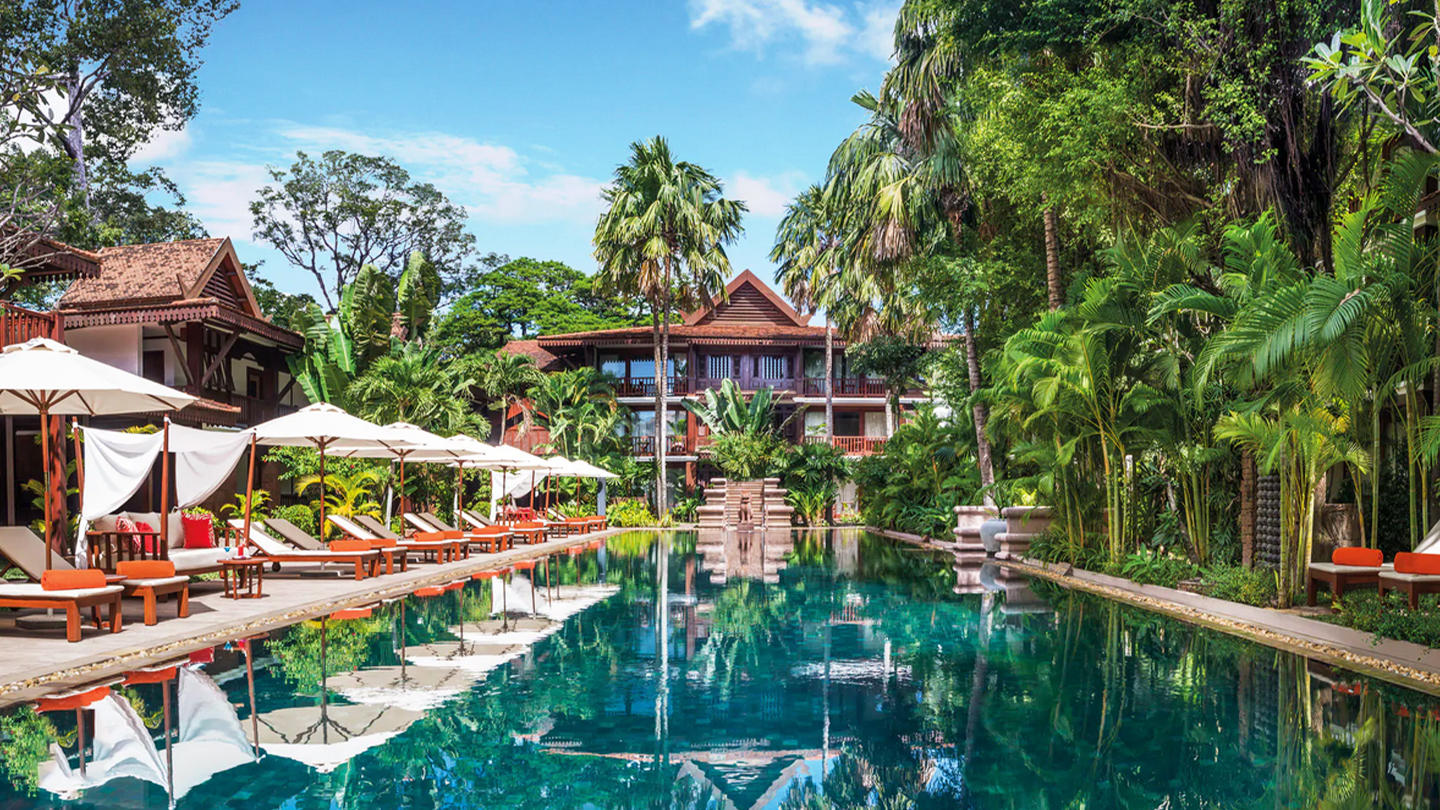
Accommodation ranges from charming boutique hotels with pools in Siem Reap, ideal for resting after the temples, to riverside hotels in Phnom Penh and simple guesthouses or homestays in the countryside. We choose each hotel for its location and atmosphere and adapt the level of comfort to your wishes.
Things to avoid in Cambodia
- Do not drink tap water. Use bottled or filtered water, and avoid ice at small roadside stalls.
- Dress respectfully at temples and the Royal Palace. Cover shoulders and knees at Angkor, the Royal Palace and pagodas, or you may be refused entry. Take off your shoes before entering a pagoda.
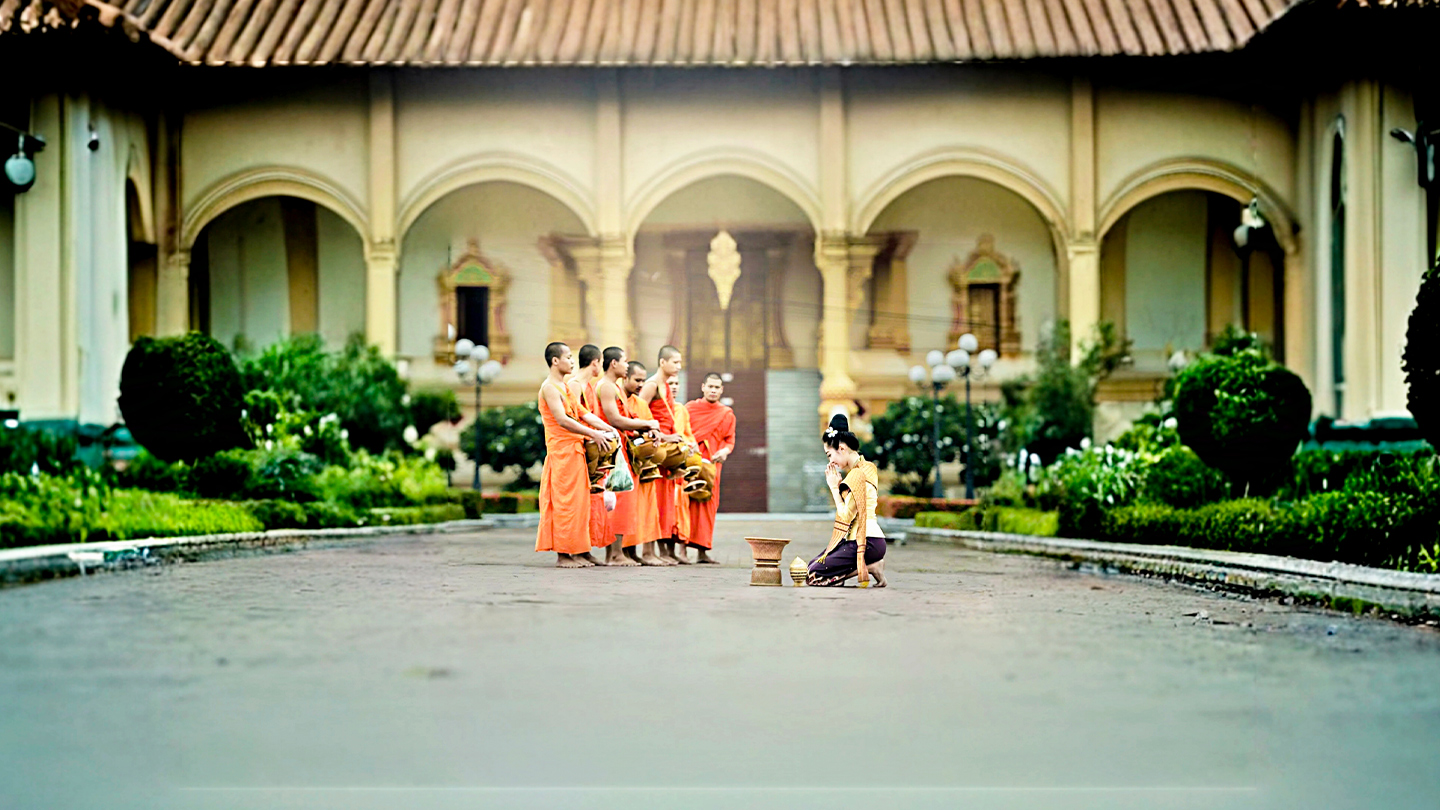
- Respect monks and local customs. Women should not touch a monk or hand him something directly. Do not touch people on the head or point your feet at others or at Buddha images.
- Stay on marked paths in remote areas. The main tourist sites are safe, but in remote countryside and border areas, follow your guide and do not wander off the beaten track.
- Bargain politely in markets. Prices in markets and small souvenir stalls are negotiable; prices in shops with tags are fixed.
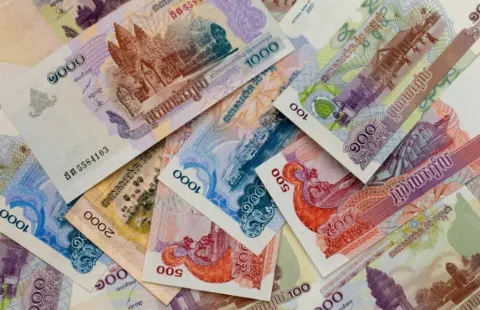
- Carry small US dollar notes and riel. Cambodia uses both currencies. Torn or very old dollar notes are often refused, and small change is usually given in riel.
- Avoid the busiest holidays if you want calm. During Khmer New Year in mid-April and the Pchum Ben festival in September or October, many Cambodians travel and some places are crowded or closed. Book well ahead for these periods.
- Do not climb restricted parts of the temples, and buy your Angkor Pass only at the official ticket office.
Why choose Autour Asia for your Cambodia tours
Autour Asia is a local travel company based in Hanoi, at No. 38, alley 113 Hoang Cau street, founded by Mr. Tran Duy, who has more than 20 years of experience in tourism in Indochina. Our team speaks fluent English and French and designs trips across Vietnam, Cambodia, Laos and Thailand, so we know how to link Angkor with the rest of the region. When you book your private Cambodia tour with us, you get:
- Private, tailor-made tours: your itinerary, your pace and your dates, with your own English-speaking guide and driver.
- Local prices with no middleman: you book directly with the team that organises your trip.
- Clear quotes: entrance fees, guide, transport and meals listed in each programme.
- Easy combinations: Vietnam and Cambodia Tours, Laos and Cambodia (at least 8 days, with flights between Siem Reap and Luang Prabang or Phnom Penh and Vientiane) and our Multi-country Tours.
- Support throughout your trip by WhatsApp, email and phone.
- Independent reviews on TripAdvisor and Trustpilot.
Tell us your dates, the number of travellers and what you would like to see, and our consultant will send you a detailed proposal. Request a quote for your Cambodia tour, or write to [email protected] or WhatsApp +84 971 337 708.
Conclusion
From the temples of Angkor to the floating villages of the Tonle Sap, from the Royal Palace of Phnom Penh to the pepper farms of Kampot, Cambodia tours offer a rich mix of history, landscapes and human encounters in a compact country. Travel between December and February for the most comfortable weather, or choose the green season for quieter temples. Respect local customs, taste the Khmer specialities and take time to meet the people. Whether you have five days around Siem Reap or two weeks across the country, our local team will design a private itinerary that fits you. Start planning your Cambodia trip today.
🧭Last updated : November 2026
Frequently asked questions
From about November to February the weather is dry and a little cooler: the most comfortable period for Angkor. March to May is very hot; from June to October rain often falls late in the day, the landscapes are green and there are fewer visitors. See our Cambodia weather by month.
Your private guide speaks English, and every tour comes with your own guide and driver. Our local guides know the temples, villages and history of each place. See our Cambodia tours.
Travel to Cambodia in november, beyond the main tourist attractions, consider visiting traditional markets, joining a Cambodian cooking class or exploring rural communities with a knowledgeable local guide. These activities offer a closer look at everyday life and help you understand the country beyond its famous landmarks.
Independent travel offers to Cambodia flexibility for travellers comfortable arranging transport and accommodation themselves. A private tour can simplify transfers and coordination, particularly for families or those wishing to combine several regions within a limited timeframe. The right choice depends on your budget, travel style and preferred level of support.
Allow time for activities that involve local people, such as visiting artisan workshops, discovering regional food traditions or exploring villages with a local guide. Travel to Cambodia in november, leaving some flexibility in your schedule can also make room for discoveries beyond the usual sightseeing route.
Not if you want to see more than Angkor. Ten days lets you cross the country overland and include either the coast or the Mekong. If you would rather stay only in Siem Reap and Phnom Penh, a shorter trip is enough and we can build one.
Most nationalities need a tourist visa to visit Cambodia, while citizens of a few countries (mainly ASEAN members) are exempt. There are two simple options: apply online for an e-visa on the official government portal a few days before departure, or obtain a visa on arrival at the international airports and main land borders. Since 2025, every traveler arriving by air must also complete the free Cambodia e-Arrival Card online within 7 days before arrival, even with a valid e-visa. Your passport should be valid for at least 6 months after your entry date.
On a luxury travel Cambodia, the e-visa is usually the smoothest choice, especially when combined with VIP fast-track assistance at the airport. Visa rules can change, so always check the latest requirements for your nationality before you travel.
Cambodia uses two currencies side by side: the US dollar and the Cambodian riel. Prices in hotels, restaurants and shops are usually given in dollars, and small change is often returned in riel. Bring clean, undamaged US banknotes, as torn or very old notes may be refused. Credit cards are widely accepted in high-end hotels, fine-dining restaurants and boutiques, but cash remains useful in markets, villages and for small purchases.
Tipping in Cambodia is not compulsory, but it is a much appreciated part of the travel culture. On a private tour, guests usually tip their guide and driver at the end of their time together, as well as boat crews and hotel staff who provide special service. Your Autour Asia travel advisor can suggest suitable amounts when preparing your trip, so you never have to guess.
Yes, a private luxury travel Cambodia is one of the most comfortable ways for families and senior travelers to discover Cambodia. With your own vehicle, driver and guide, you set the pace, take breaks whenever needed and return to the hotel during the hottest hours of the day. Many high-end hotels offer family suites, villas or connecting rooms and large pools that children love.
A few points are worth knowing. Some visits involve steep stone steps, such as the upper level of Angkor Wat, and the forest trail to Kbal Spean has narrow and steep sections; your guide can easily adapt the program or suggest gentler alternatives. Plan temple visits early in the morning or late in the afternoon, drink plenty of water and wear a hat and light clothing. Phnom Penh and Siem Reap have international clinics, and comprehensive travel insurance is strongly recommended for every traveler. Tell your travel advisor about the ages and needs of your group, and the itinerary, hotels and transfers will be designed accordingly. You can see more our:
For most travellers on a 10-day Cambodia itinerary with two or three days in Siem Reap, the 3-day Angkor Pass is the right choice.
1-day pass: $37, valid on the day of purchase. Enough for Angkor Wat, Bayon and Ta Prohm at a fast pace.
3-day pass: $62, usable on any 3 days within 10 days: a sunrise morning, a grand circuit day and Banteay Srei, with rest in between.
7-day pass: $72, usable on any 7 days within a month, for the remote temples.
The pass is sold at the official ticket office and online, with your photo printed on it; keep it with you at every temple. Phnom Kulen is not included. See when to visit Siem Reap.
On a 10 days in Cambodia route, overland travel takes more time than the map suggests, so it is worth planning each transfer carefully.
✔️ Siem Reap to Battambang: about 3 hours by bus or private car. When the water is high after the rainy season, a scenic boat trip on the Sangker River is also possible, but it takes most of the day.
✔️ Battambang to Kampot: 7 to 8 hours by bus with a change in Phnom Penh. A private car is faster and lets you stop for lunch on the way.
✔️ Kampot to Phnom Penh: about 3 hours by road.
✔️ Siem Reap to Phnom Penh: a short domestic flight if you want to save a day.
In our private Cambodia tours, transfers are made by private car with a driver, which makes long days far more comfortable for couples. For buses, tuk-tuks and boats, see our full guide on how to get around in Cambodia.
Respectful clothing is required at the temples of Angkor, the Royal Palace and most pagodas when you travel in Cambodia.
✔️ Cover shoulders and knees: T-shirts with sleeves and trousers or long skirts are needed, especially at the Royal Palace in Phnom Penh and the upper level of Angkor Wat.
✔️ Bring a light scarf: it is useful to cover your shoulders quickly and to protect yourself from the sun.
✔️ Remove shoes and hats before entering a pagoda or a prayer hall, and never point your feet towards a Buddha statue or a monk.
✔️ Memorial sites: at Tuol Sleng and Choeung Ek, speak quietly and avoid photos of human remains.
To plan your visits in the capital, follow our Phnom Penh 2-day itinerary.
Authentic experiences
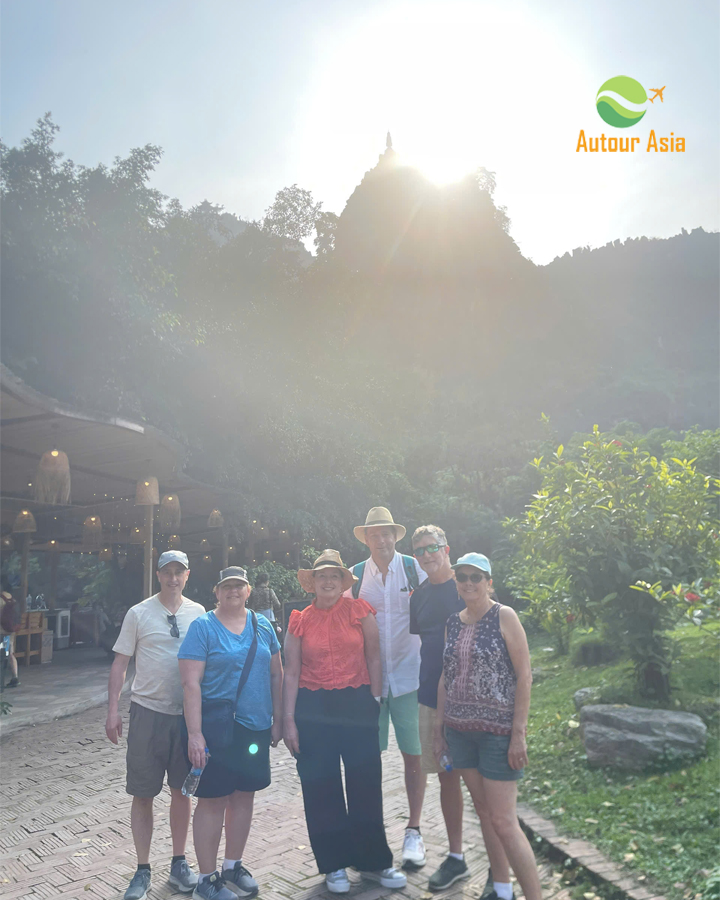
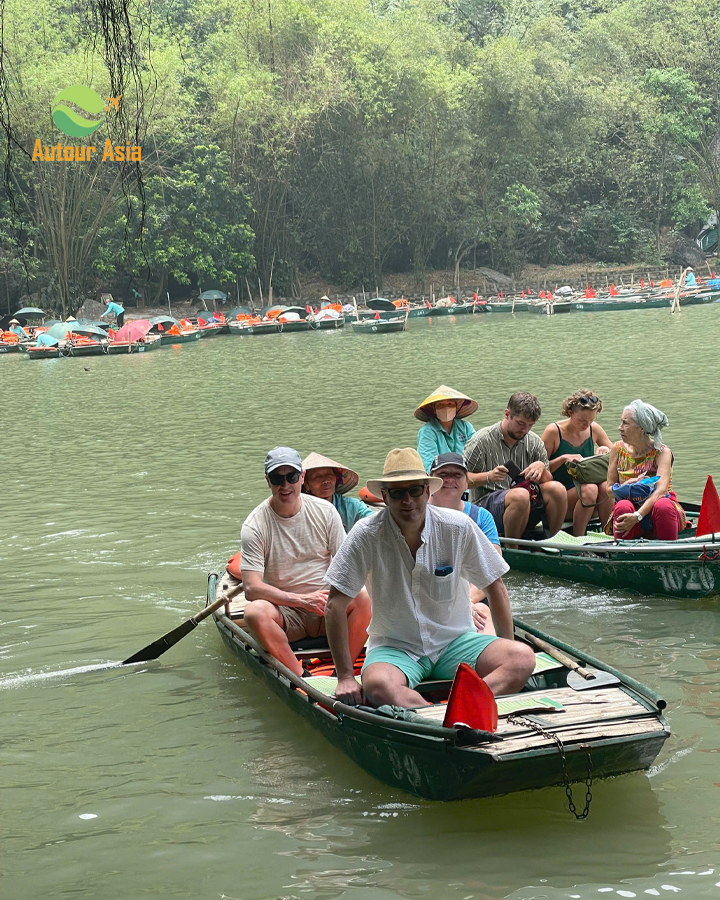
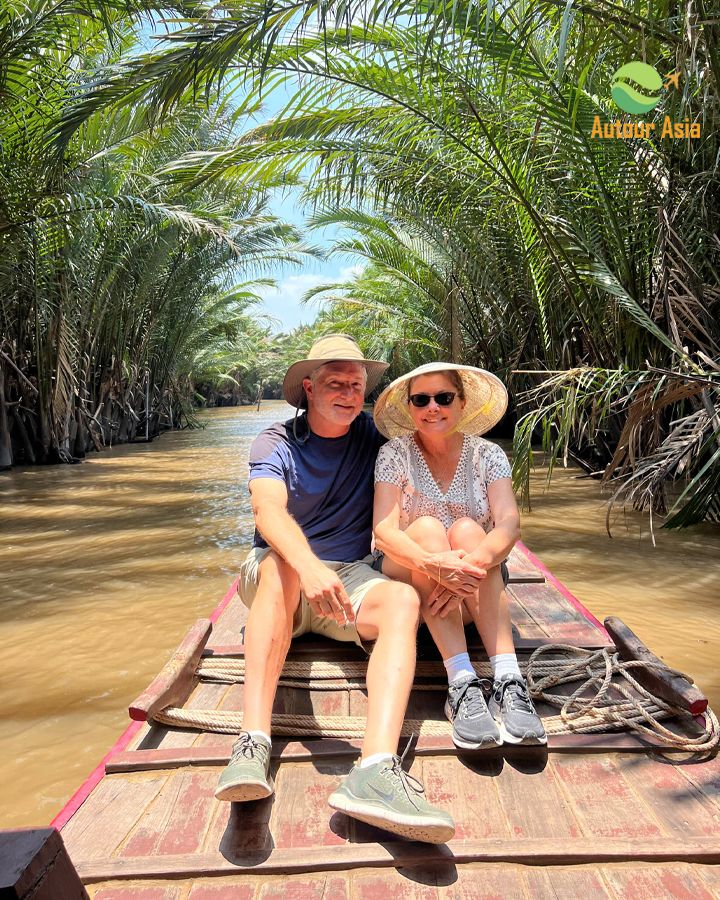
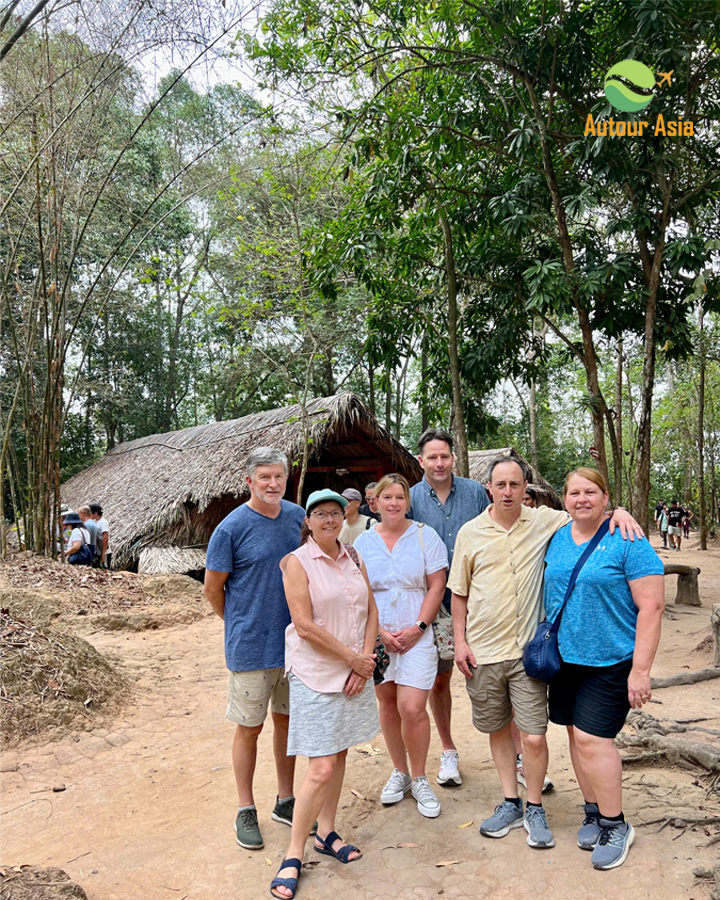
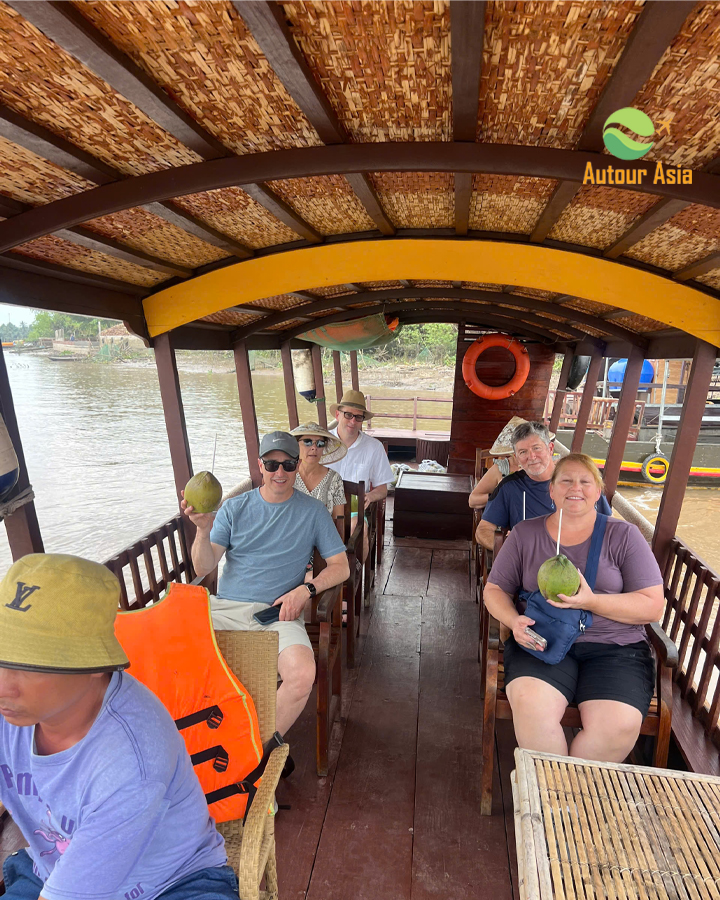
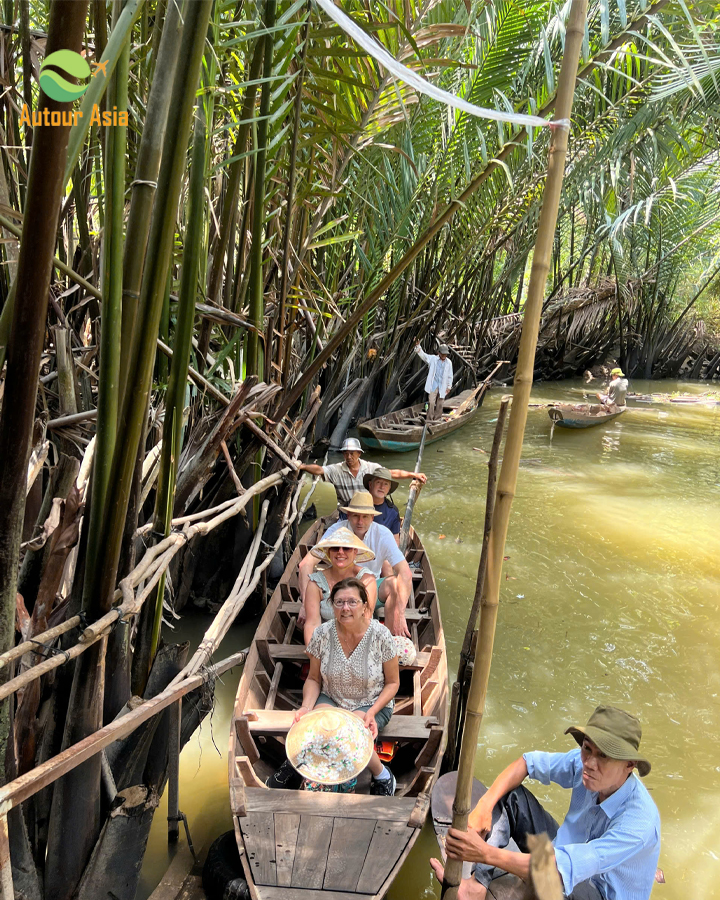
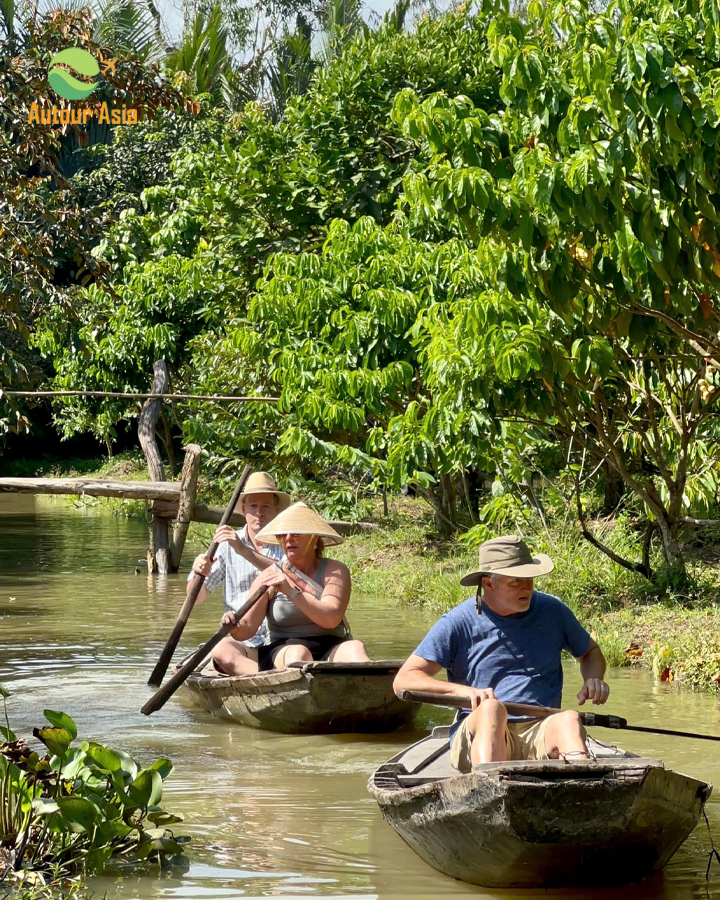
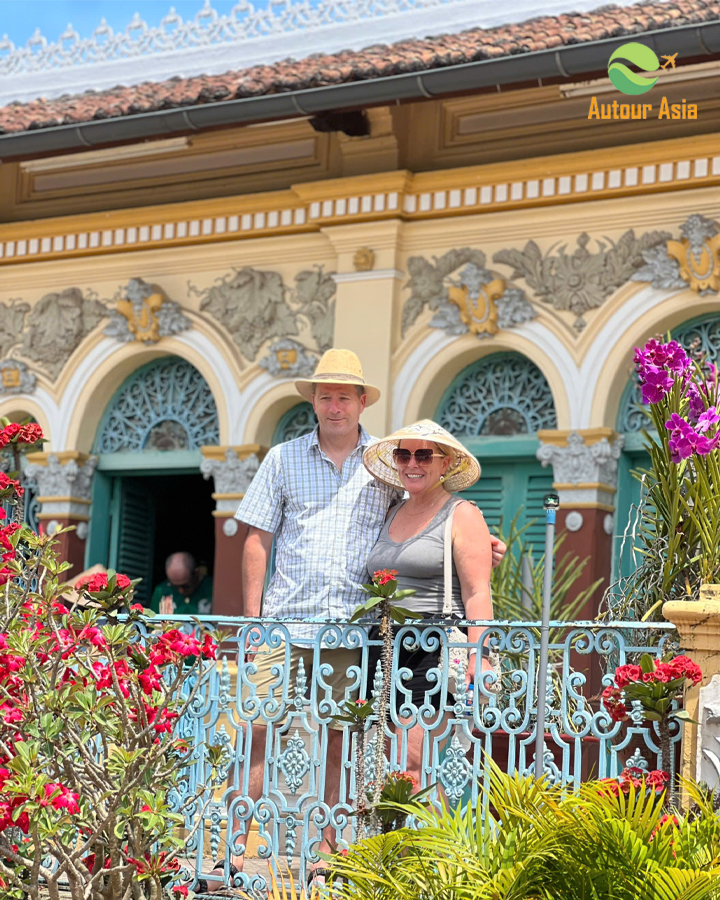
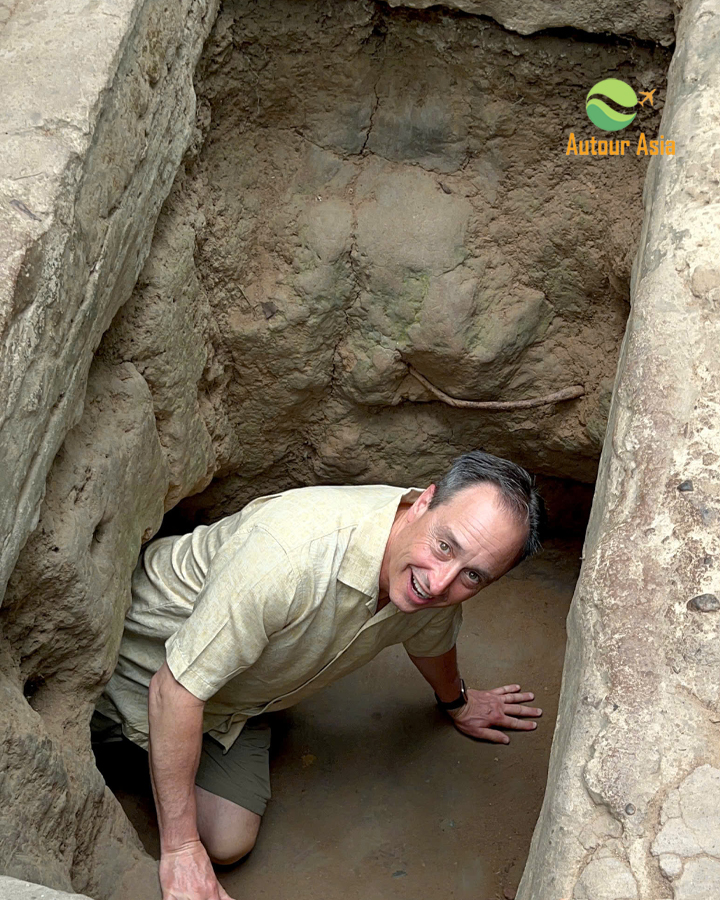
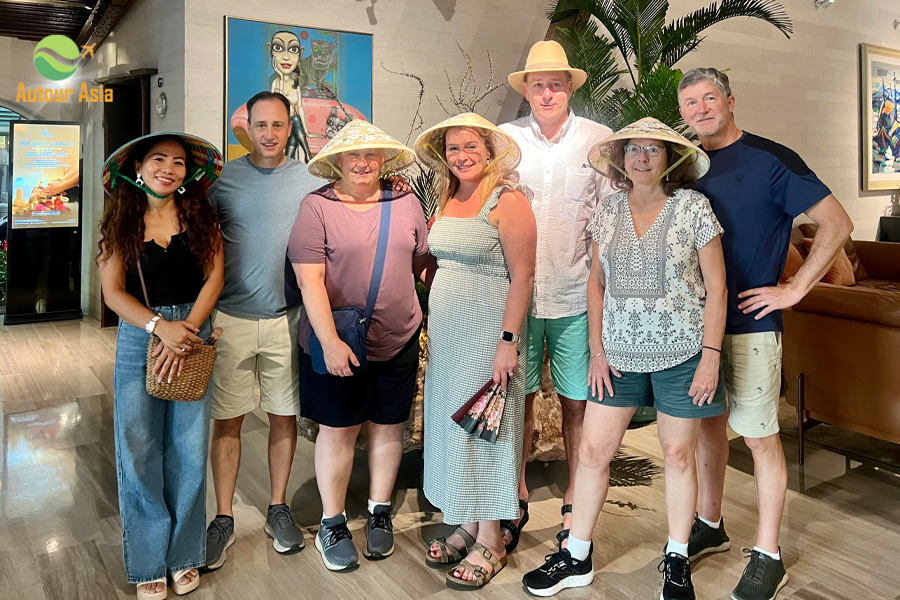
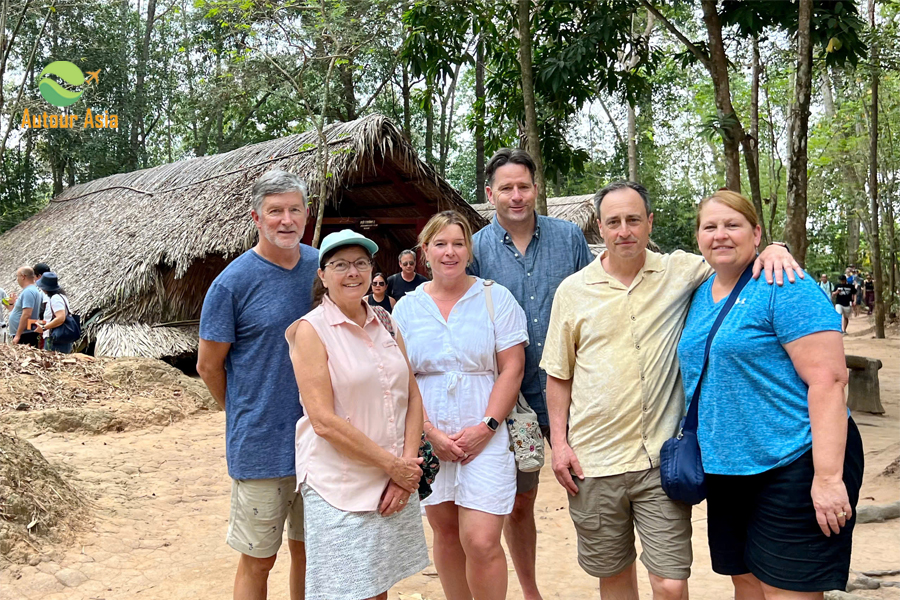
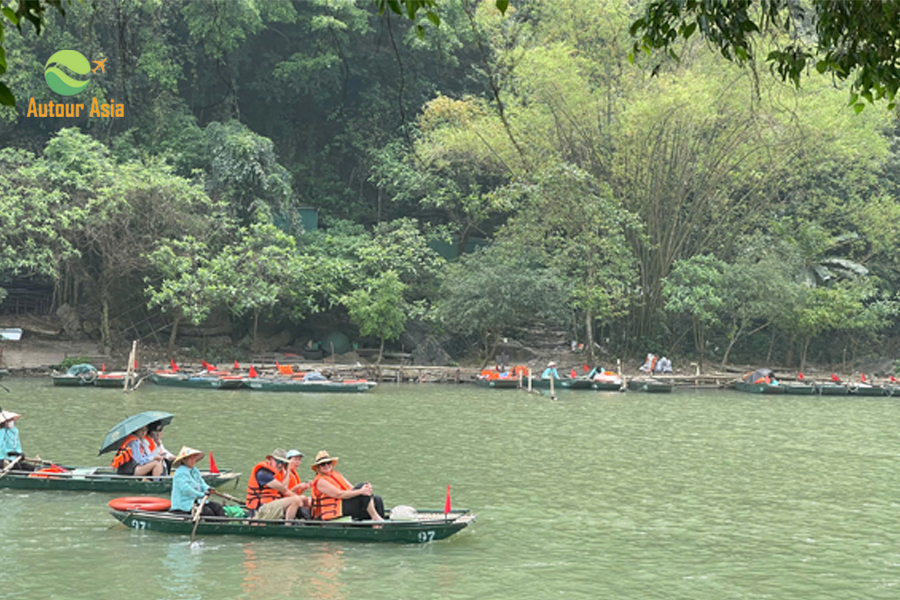
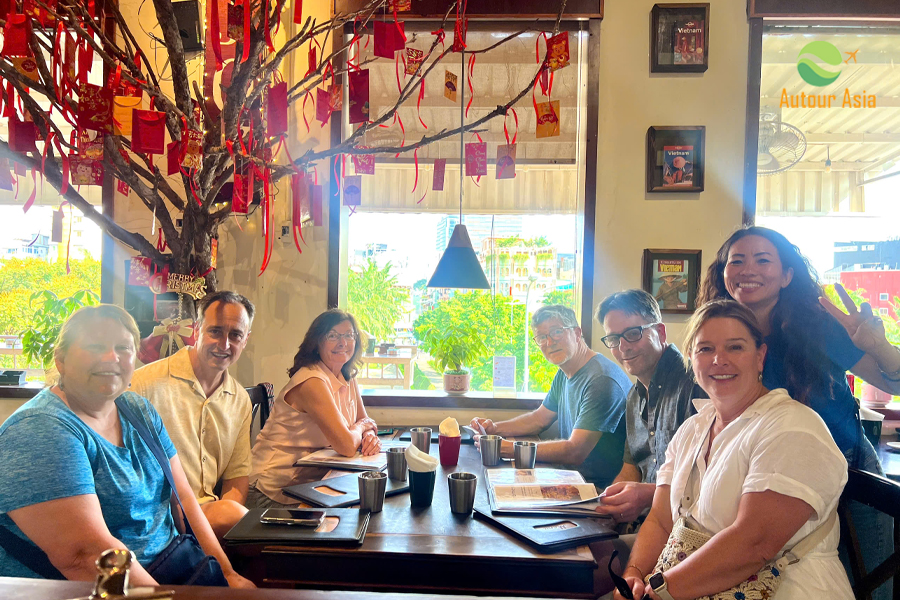

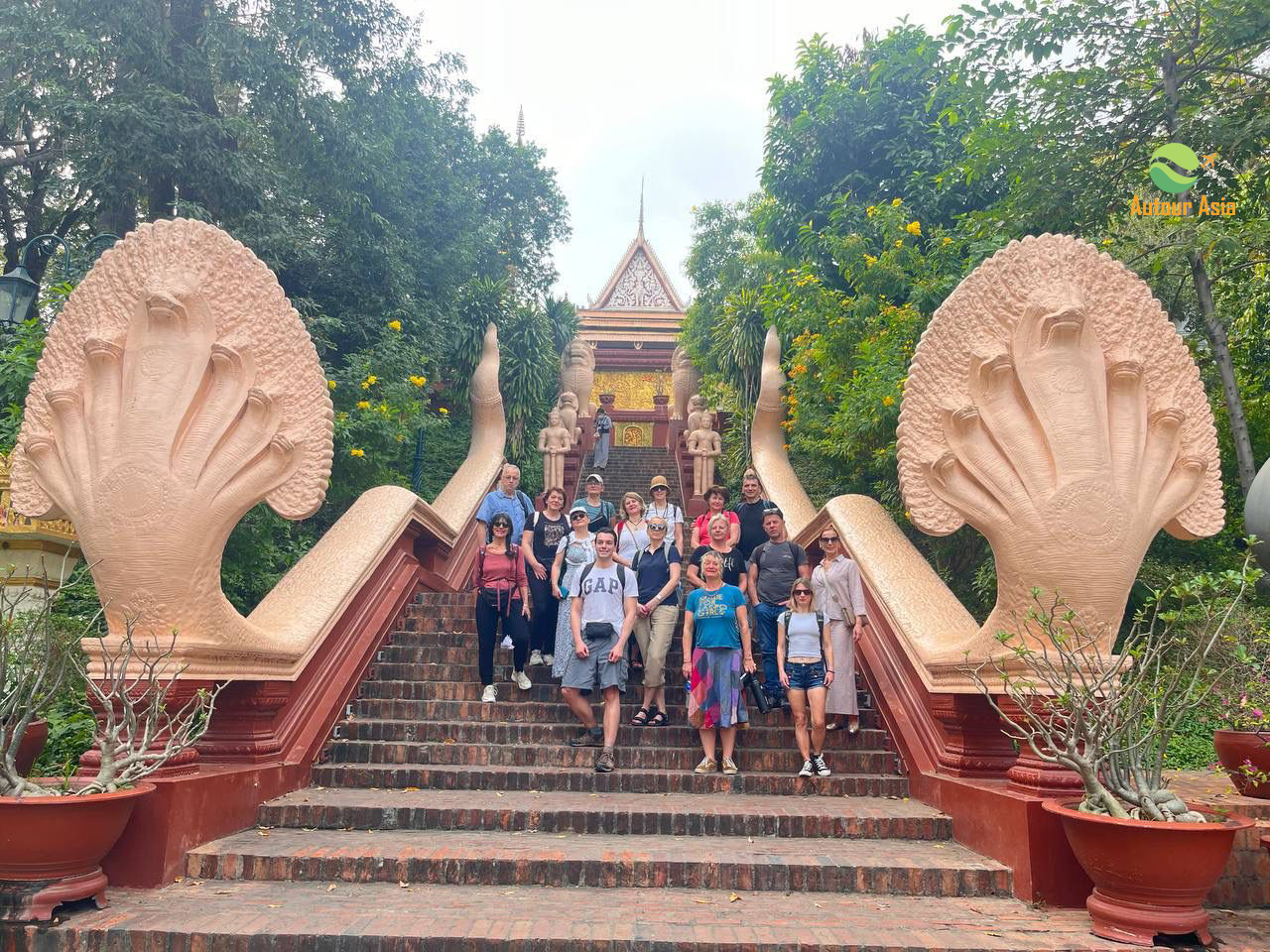
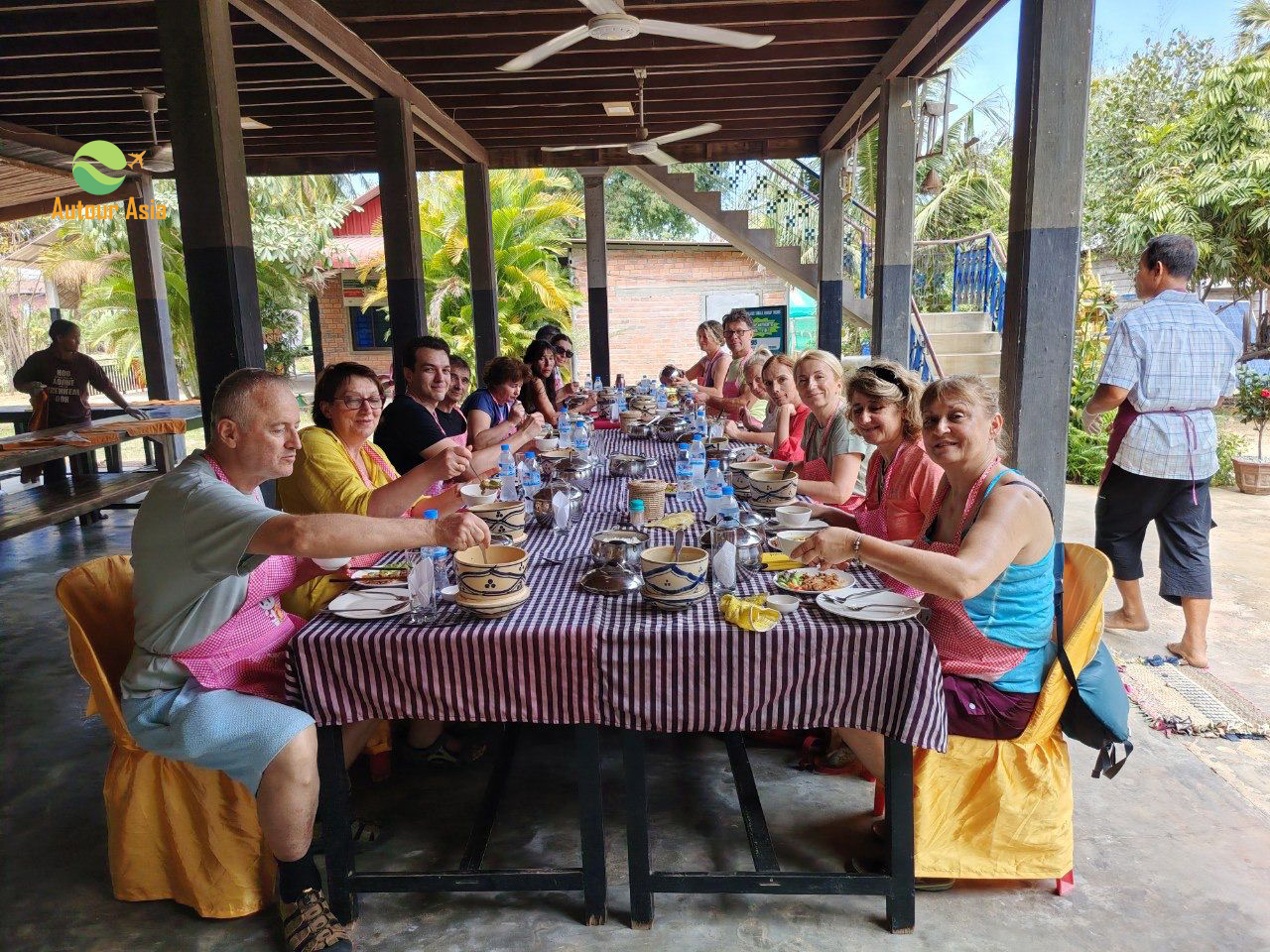
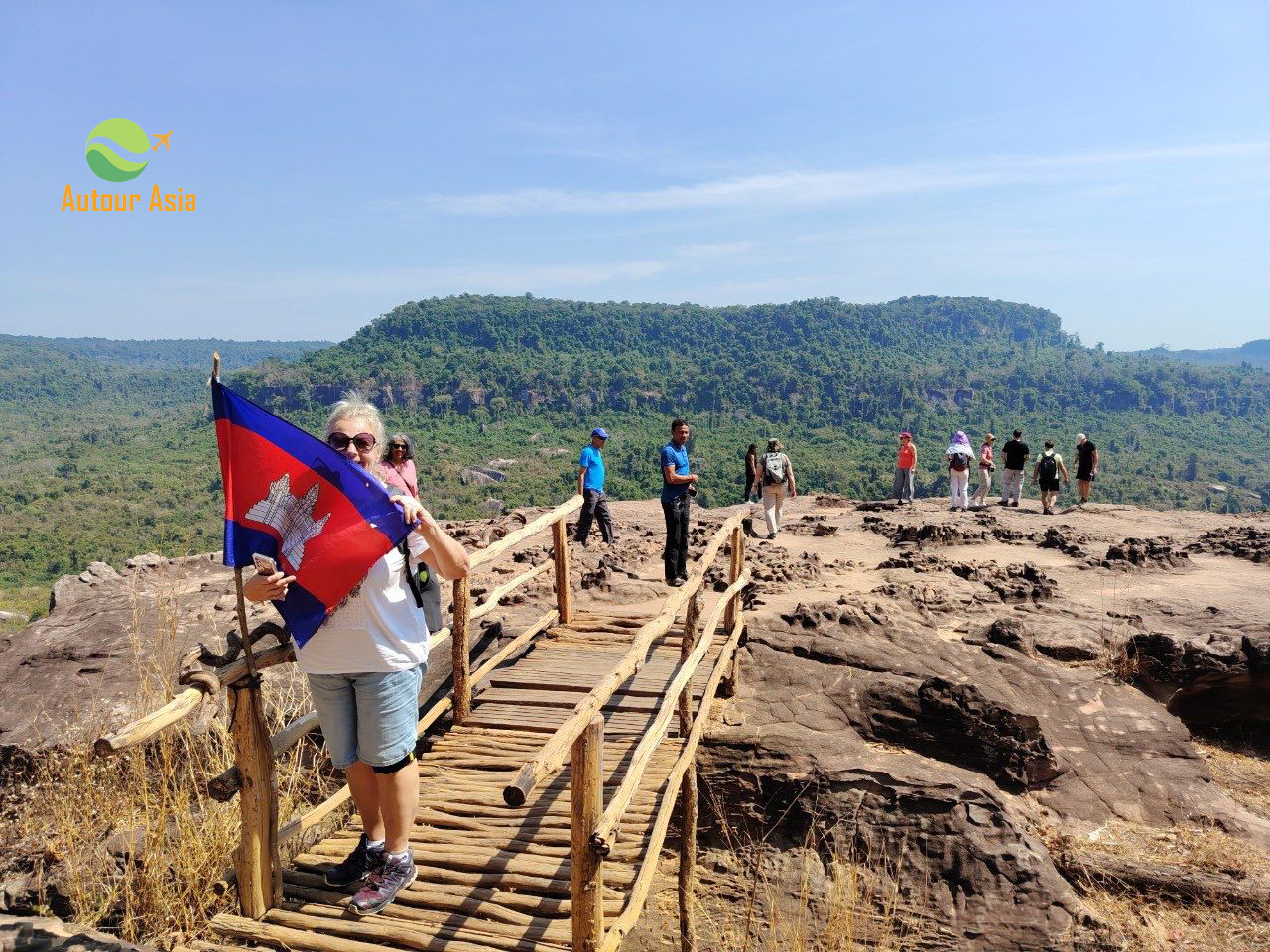
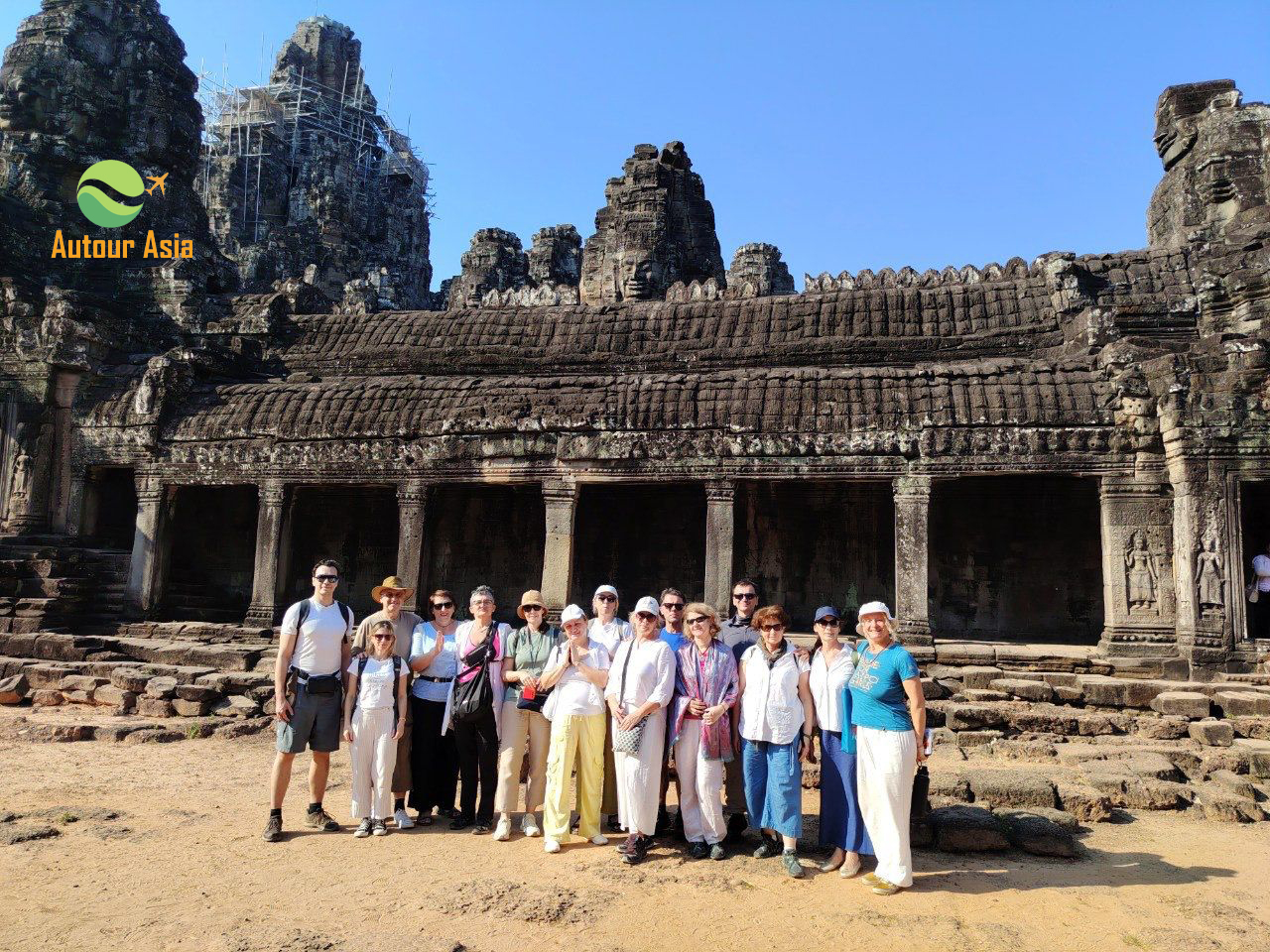
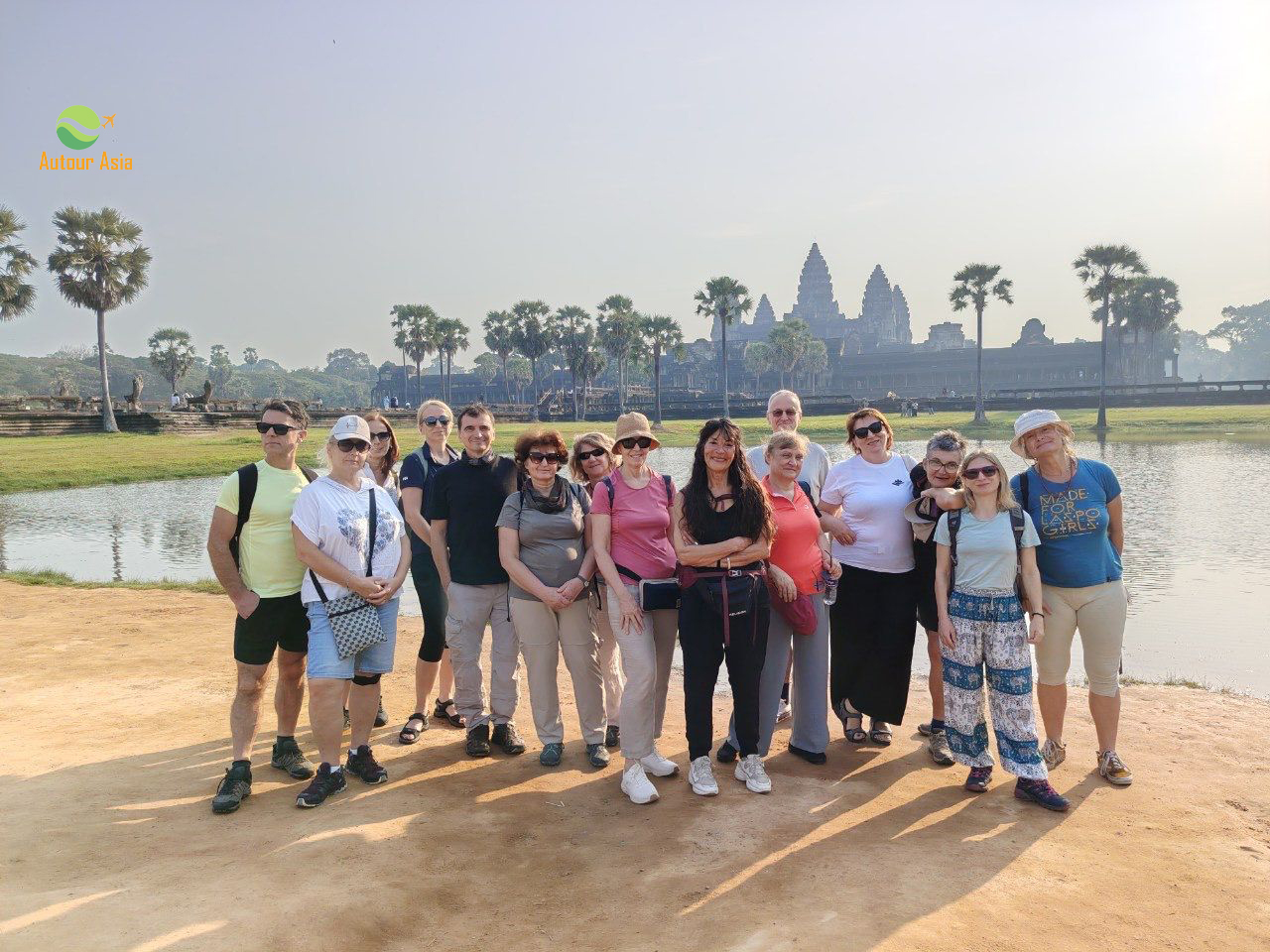
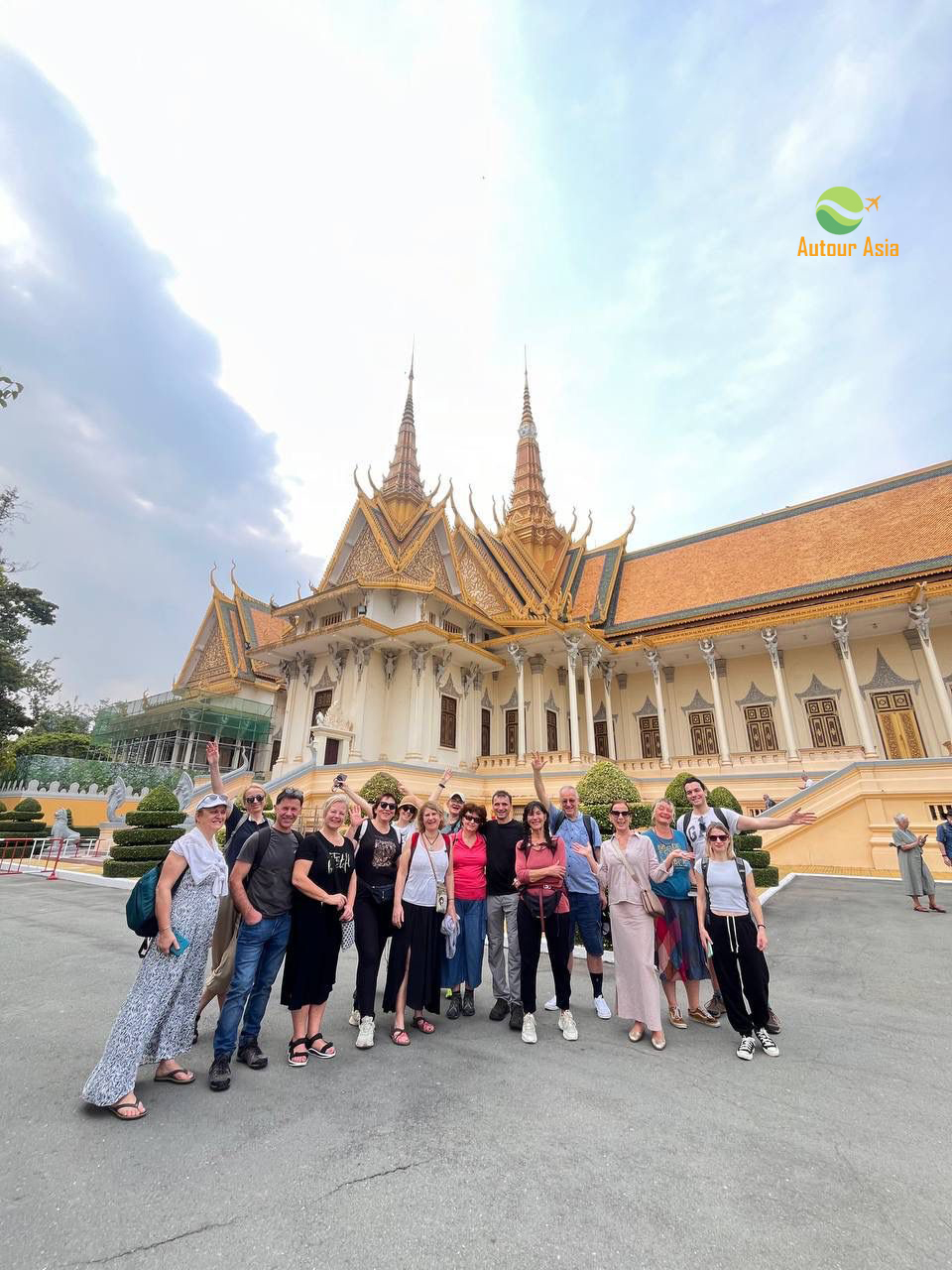
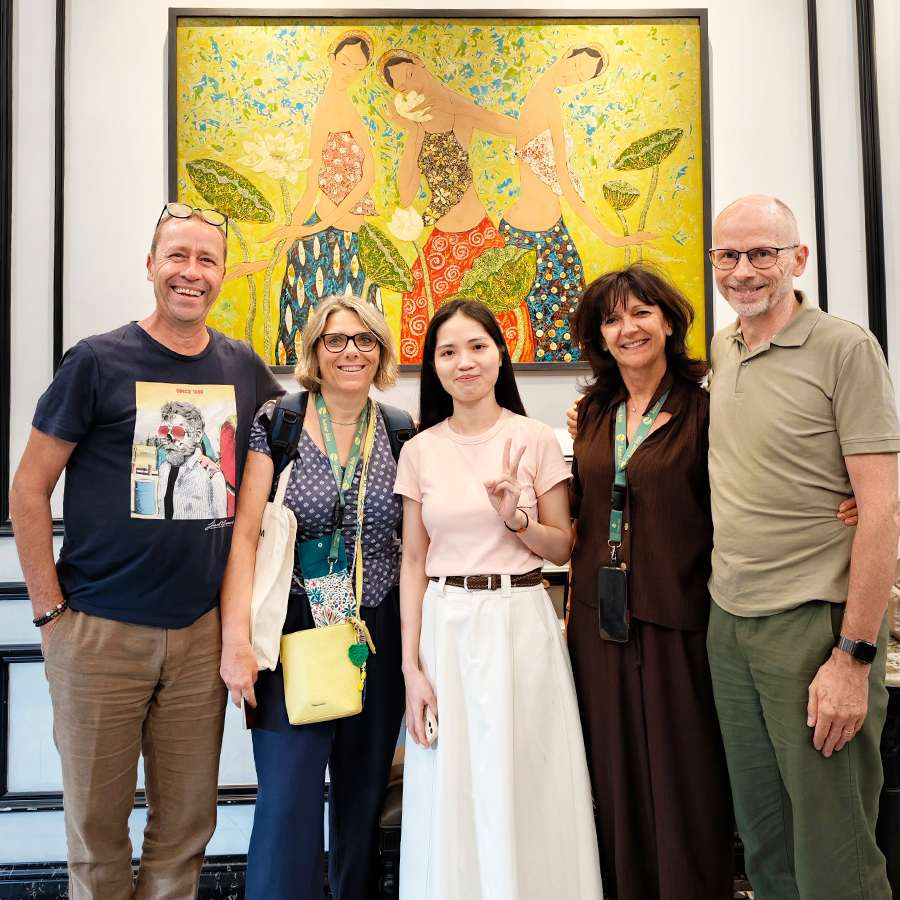
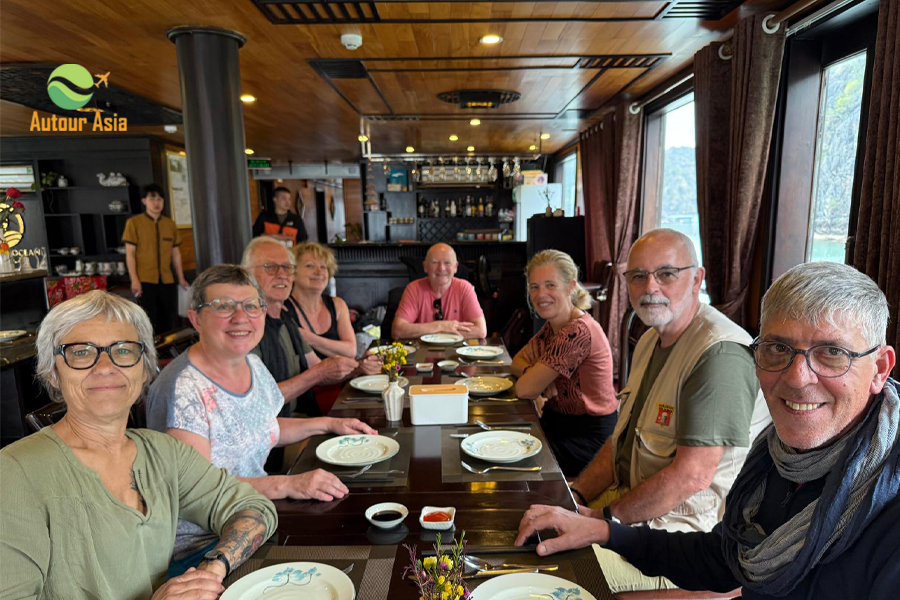
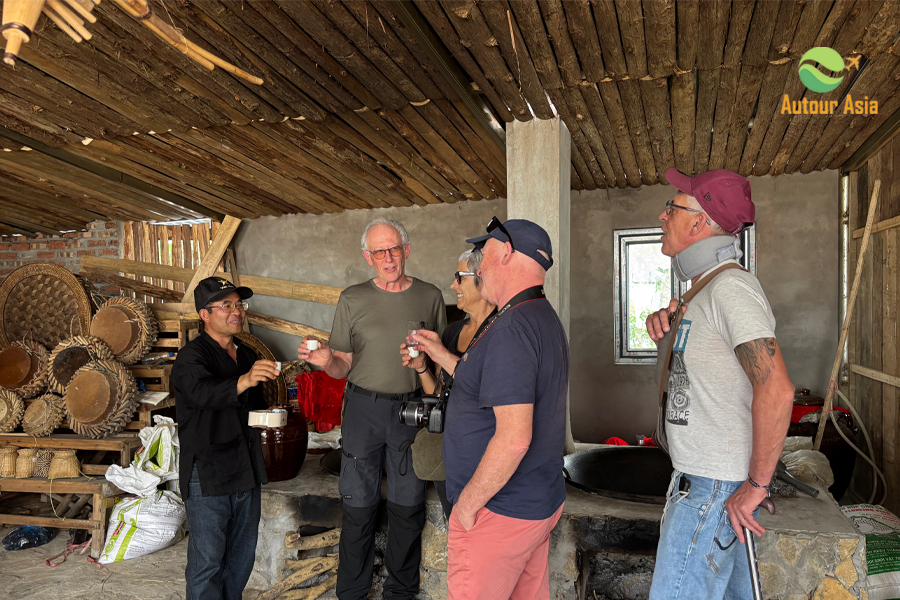
Our 23-day private tour with AutourAsia was fantastic! It was our third time booking with them, and they once again provided outstanding service. Ms. Van Le, our contact, was incredibly helpful and patient, even as we made several changes to our itinerary. She was available at all times and even assisted with our return flight issues.
We explored Vietnam and Laos extensively, and as picky travelers, we were thoroughly impressed. The company owner greeted us personally, adding a special touch to our trip, and our guides, Mr. Ping and Mr. Sang, were excellent.
If you're considering a trip to Indochina, I highly recommend AutourAsia. Great service and very reasonable prices!
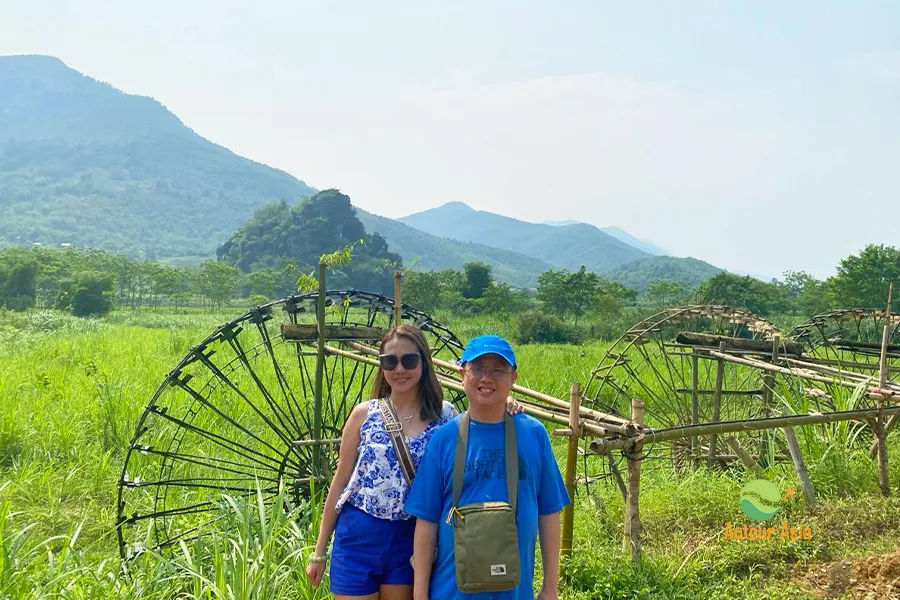
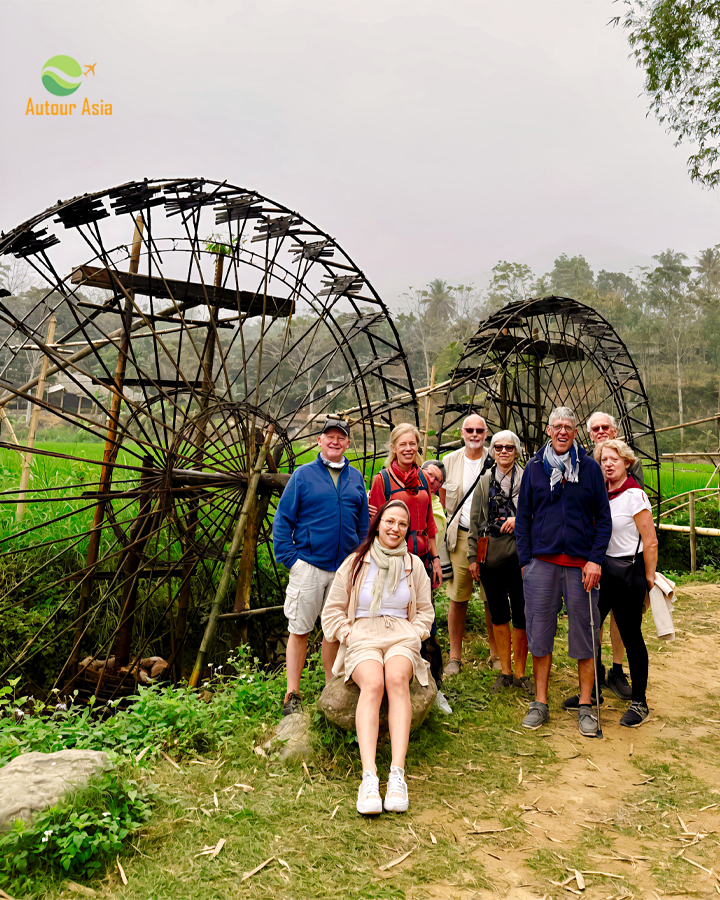
Water wheels in Pu Luong
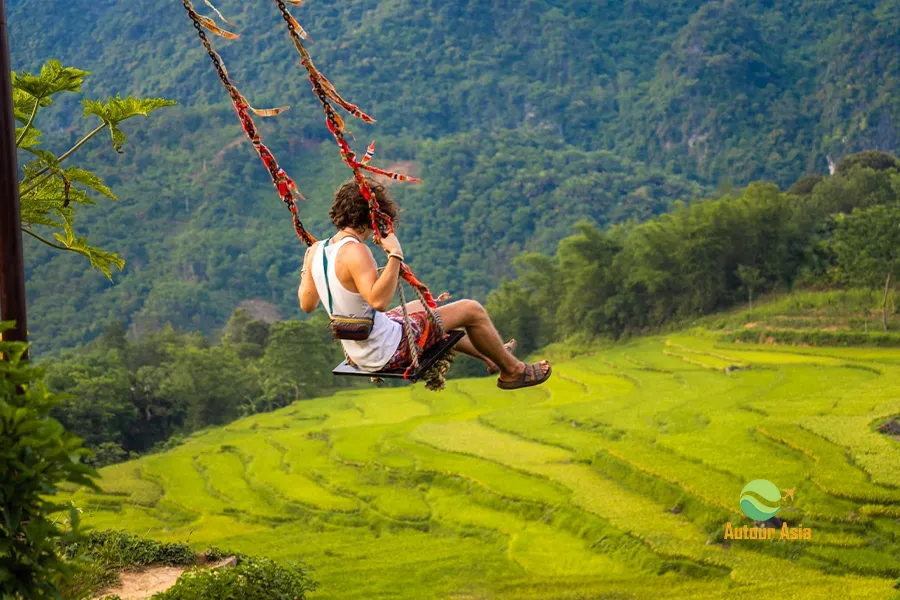
Terraced rice fields in Pu Luong
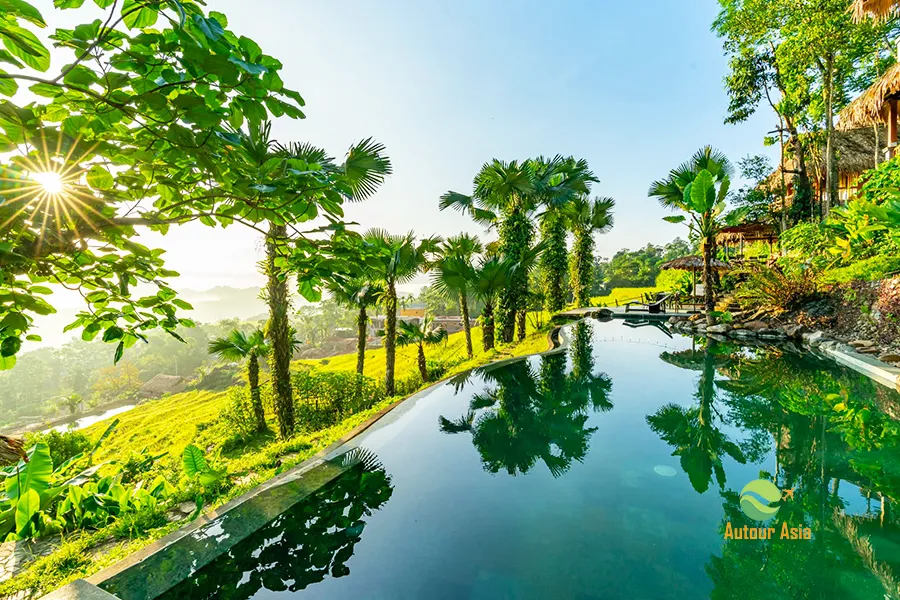
Infinity pool in Pu Luong
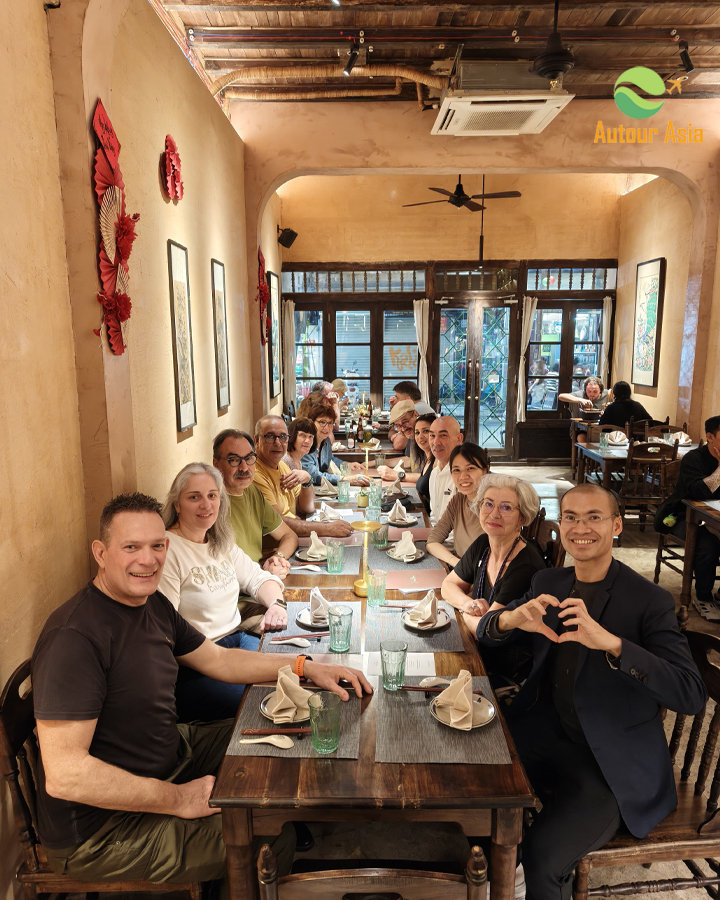
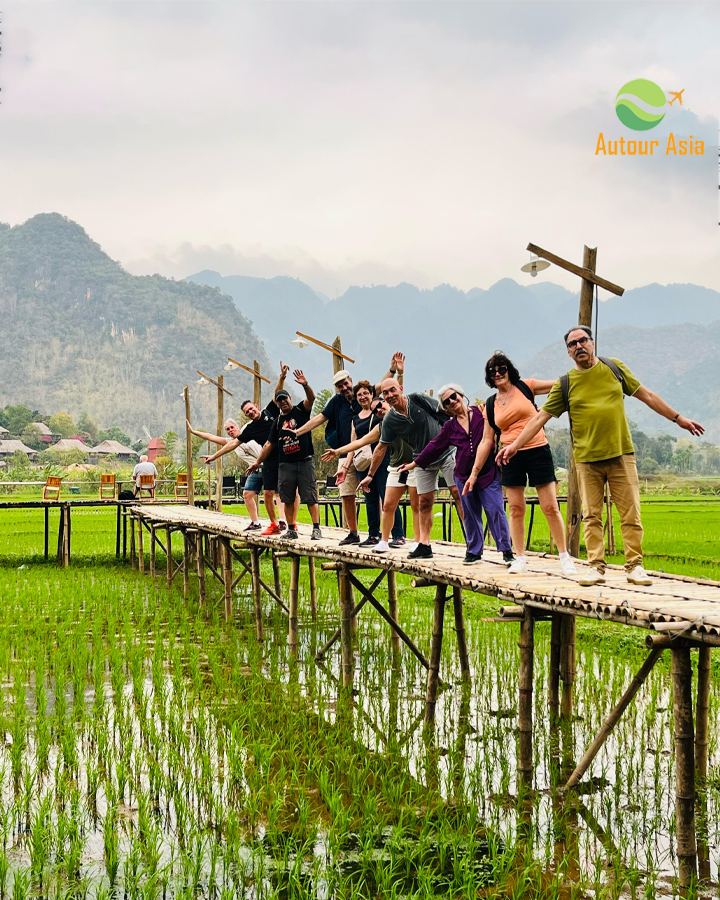
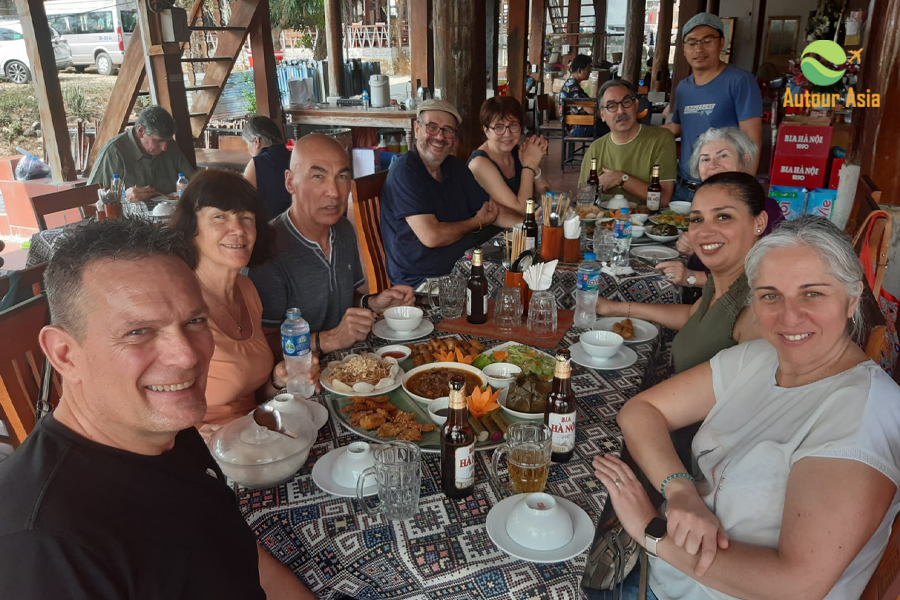
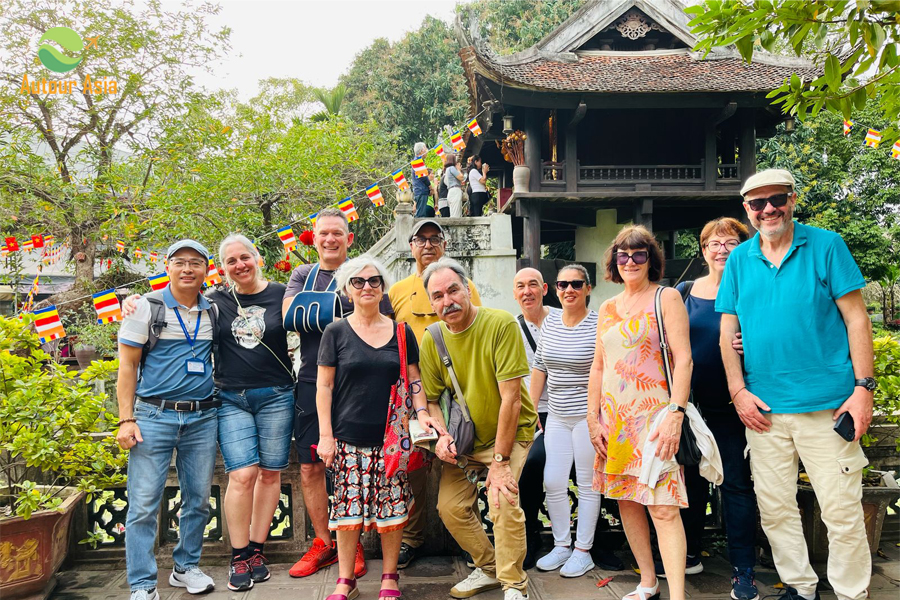
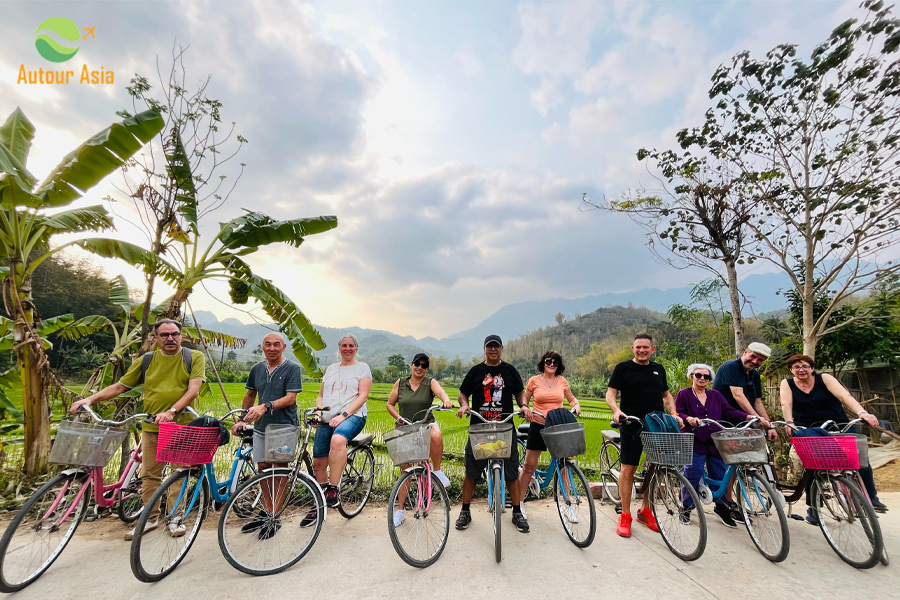
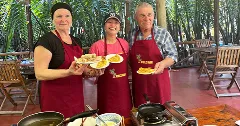
Our recent tour to Vietnam and Cambodia was truly exceptional, featuring a mix of visits to both well-known attractions and hidden gems off the beaten path. The entire experience was made memorable by the warm hospitality, attentiveness, and high quality of services provided throughout our stay.
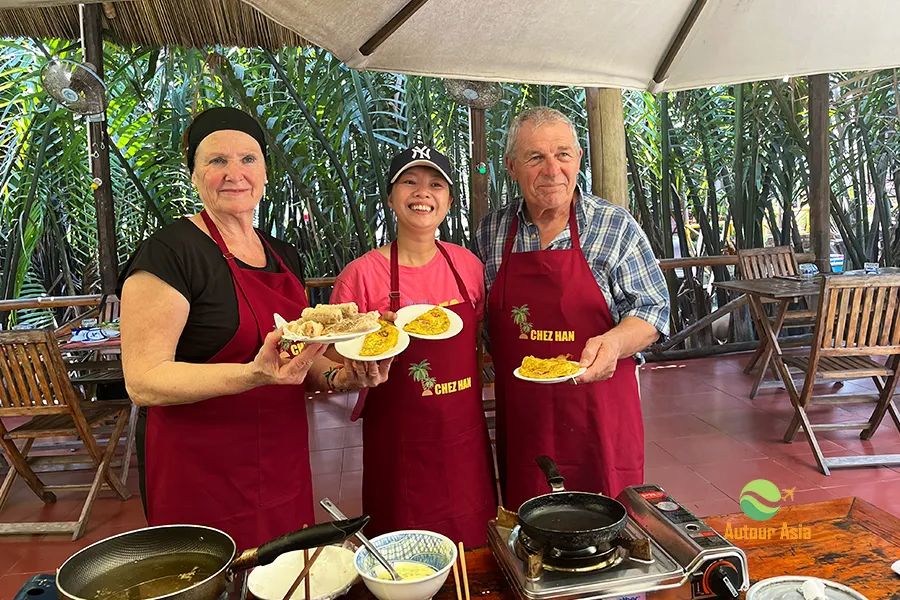
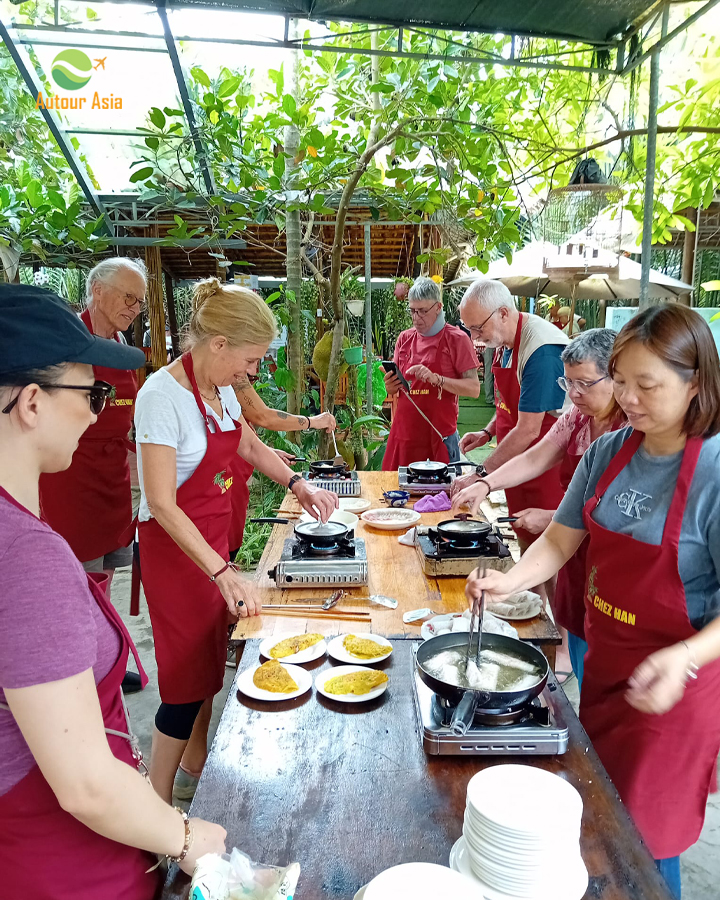
One highlight of our trip was the cooking class in Hoi An Ecotour, where we had the opportunity to learn how to prepare traditional Vietnamese dishes like Nem spring rolls and flower salad. The hands-on experience was both fun and educational, and it gave us a deeper appreciation for the local cuisine.
We wholeheartedly recommend this trip to anyone seeking an enriching travel experience. A big thank you to Mr. Duy, Ms. Van Le, and the entire AutourAsia team for their exceptional service and for making our stay so enjoyable.
Cooking class in Hoi An Ecotour
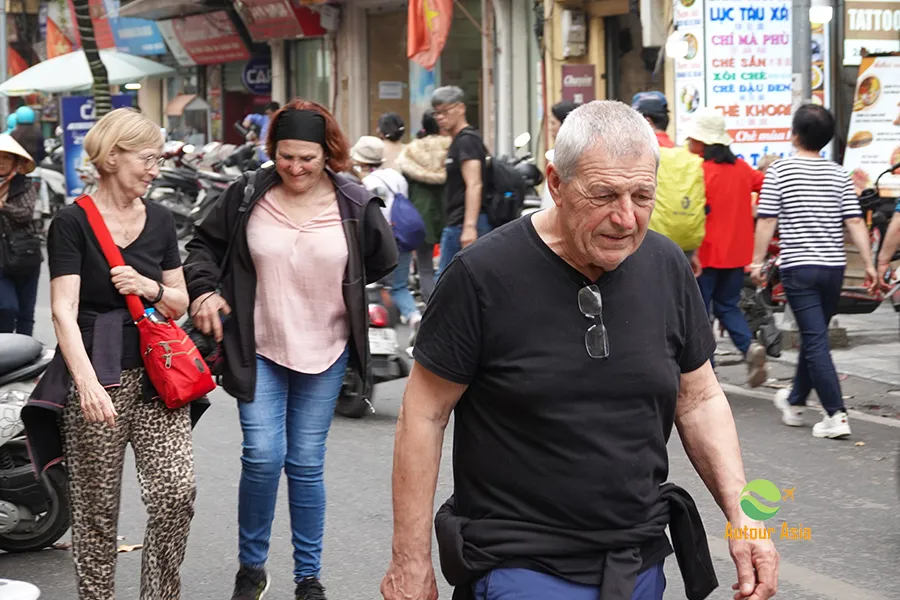
Hanoi city tour
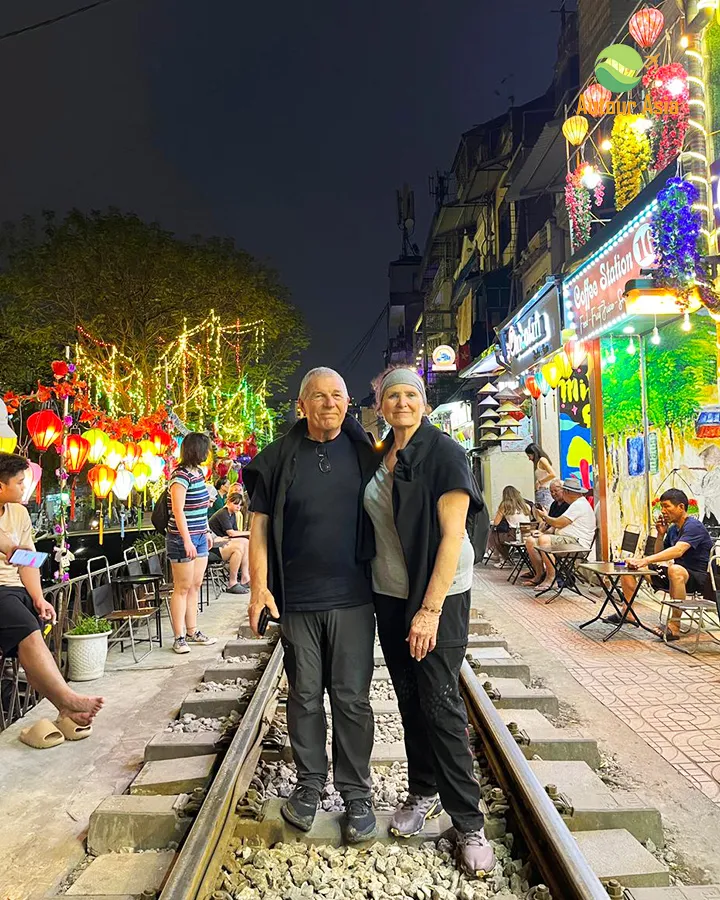
Train street in Hanoi
Autour Asia is highly recommended on


Your tailor-made trip, free quote within 24h
Travel guides and tips