
5 Must-visit Hill Tribe Villages In Chiang Rai
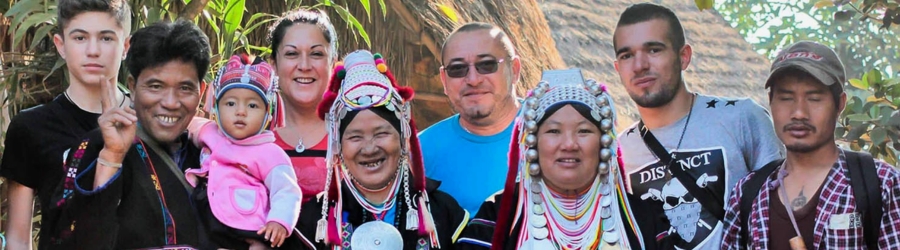
A true cultural crossroads in northern Thailand, Chiang Rai brings together a remarkable diversity of hill tribe communities such as the Karen, Akha, Hmong, Lahu, Lisu, Palong, and Mien, many of whom migrated from neighboring regions. Their villages, scattered across the mountains and often located close to one another, reflect a harmonious coexistence and a way of life deeply rooted in tradition. This rich human and cultural tapestry makes Chiang Rai an ideal destination to discover a different side of Thailand. In this article, I invite you to explore a selection of the most beautiful hill tribe villages in Chiang Rai for an authentic immersion into local cultures.
Hill tribe villages in Chiang Rai
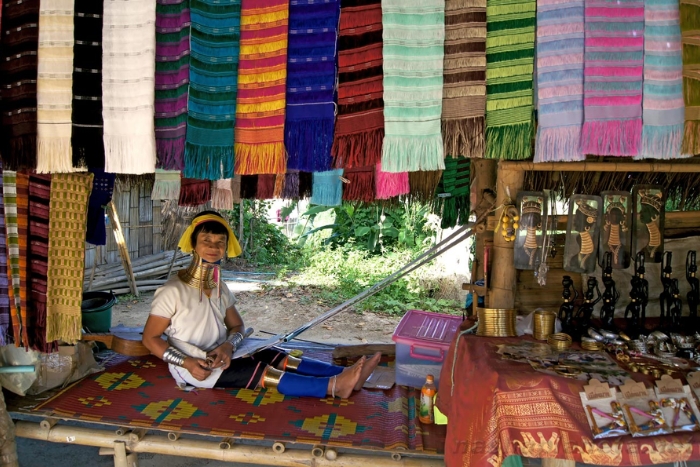
1. Long Neck Karen Village - hill tribe village in Chiang Rai
Is Long Neck Village Chiang Rai worth visiting ? Located just 15–30 minutes from Chiang Rai, the Long Neck Karen village is one of the best hill tribe villages in Chiang Rai, famous for its women wearing distinctive Kayan neck rings. Visitors can wander through the village, observe traditional weaving, and get a glimpse into daily life, where many women are busy creating handmade goods for sale. The entrance fee, around 300 baht, goes directly toward supporting the local community. While the visit can feel somewhat touristic, it is generally seen as a positive initiative that helps preserve traditional crafts and livelihoods. Purchasing their beautiful, affordable products is a great way to offer direct support, and approaching the experience with respect makes it far more genuine and rewarding.
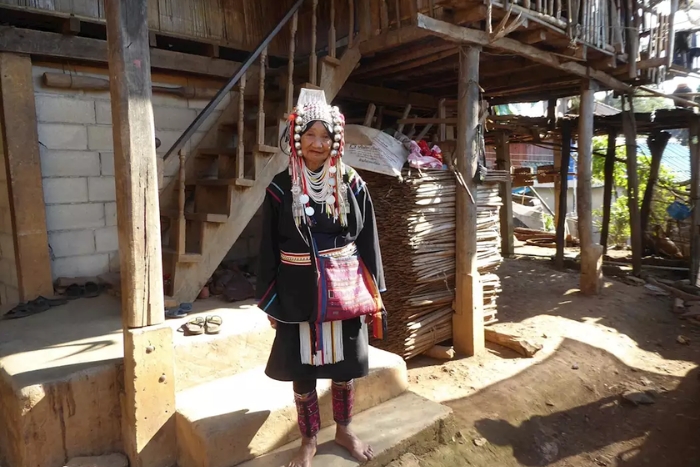
2. Ban Apha Pattana - Akha Village in Chiang Rai
Nestled in the lush mountains of northern Thailand, the Akha village of Ban Apha Pattana—one of the best Akha villages in Chiang Rai—offers a rare and meaningful immersion into hill tribe traditions. Life here revolves around agriculture, wood-fire cooking, and handcrafted skills passed down through generations. Spending a night in the village allows visitors to share simple moments with locals, observe daily rituals, and experience a way of life deeply connected to nature. Far from mass tourism, Ban Apha Pattana provides a genuinely human experience where cultural exchange and authenticity truly come to life.
3. Baan Doi Chang - Lisu & Akha Village
Perched at 1,500 meters in the mountains of Mae Suai district, about 1.5 to 2 hours from Chiang Rai, Baan Doi Chang is far more than just a coffee village—it offers a genuine immersion into Akha culture and is considered one of the region’s most authentic hill tribe villages in Chiang Rai. Here, locals warmly welcome visitors, sharing their daily lives centered around Arabica coffee farming and long-standing traditions. Walking through the village, you’ll discover traditional homes, connect with families, and learn how former opium fields were transformed into a sustainable livelihood through a royal initiative. With its mix of farm visits, tastings, and meaningful encounters, the experience is both enriching and memorable.
4. Santikhiri Village (Doi Mae Salong)
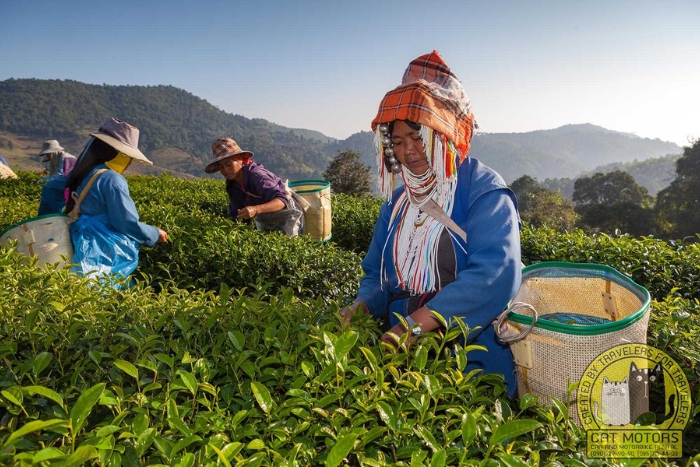
Doi Mae Salong, now officially known as Santikhiri, is still widely referred to by its original name by locals and on road signs. Perched atop a mountain in the Dan Lao range, about 1.5 to 2 hours from Chiang Rai, the village offers stunning scenery, especially at sunrise when mist blankets the terraced hills. It stands out for its rich ethnic diversity, combining communities of Chinese origin—descendants of former Kuomintang soldiers—with groups such as the Akha and Yao, creating a unique cultural blend. A popular destination, Mae Salong is best known for its high-quality oolong tea plantations, where visitors can observe the production process, enjoy tastings, and experience a peaceful atmosphere shaped by strong Yunnan influences.
5. Doi Hua Mae Kham
Located about 100 km from Chiang Rai city center and around 60 km from Doi Mae Salong, Doi Hua Mae Kham is a mountainous area along the Thai–Myanmar border, known for its hill tribe villages in Chiang Rai. Primarily home to the Lisu people, the area also includes Akha, Hmong, I-Ko, and Muser communities, creating a rich cultural diversity. Visitors can meet local residents, learn about their way of life, and purchase handmade crafts. The best time to visit is in November, when wild sunflowers (Bua Tong) blanket the hills and morning mist creates a perfect setting for sunrise views. Accessible by songtaew, the journey itself is part of the experience.
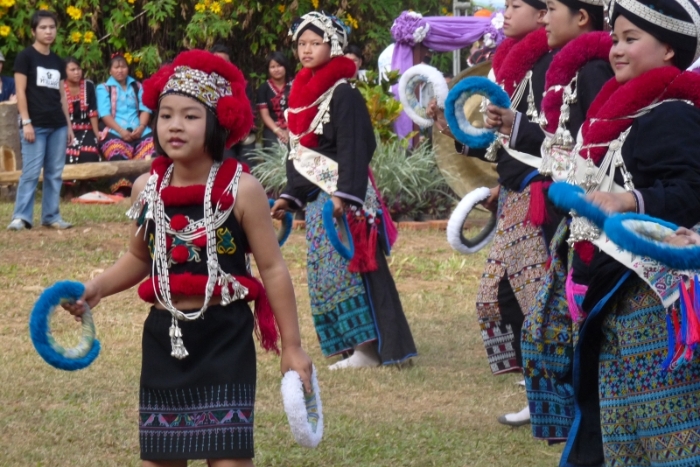
Which villages should you visit in Chiang Rai ? By exploring these 5 hill tribe villages in Chiang Rai, travelers discover far more than just scenic landscapes—they connect with living cultures, preserved traditions, and deeply moving human stories. To experience this journey in the best way possible, it’s recommended to choose a well-organized trip, such as those offered by Autour Asia – a travel agency in Asia, which creates tailor-made itineraries that respect and support local communities.
>>> 5 days in Chiang Rai
>>> 3 days in Chiang Rai
>>> Chiang Rai Travel Guide
>>> 15 days Thailand tour package
>>> Thailands tours
If you’re planning a 15 days Thailand tour package on your own, expect to spend between €1,420 and €1,840 per person, including flights. This budget generally covers accommodation, meals, internal transport, and activities. On the other hand, booking through a travel agency averages around €960 for 15 days, excluding flights. Keep in mind that prices rise during high season (November to February).
There is no exact number, but the region is home to hundreds of hill tribe villages in Chiang Rai, spread across its mountainous landscapes. Located near the borders of Myanmar, Laos, and China, the area has long attracted migrating ethnic groups such as the Karen, Akha, Hmong, Lahu, Lisu, Mien, and Palong, creating a rich cultural mosaic. These villages are often scattered in remote areas, sometimes close to one another, and reflect a harmonious way of life rooted in tradition. While only a small number are easily accessible to travelers, most itineraries focus on a handful of representative villages for a more meaningful and authentic experience.
Related travel guide
Other similar articles


CUSTOMIZABLE BY LOCAL EXPERTS
Personalized trip at the original price!

REFUND GUARANTEE
We believe in our work and promise to give you money back.

GOOD PRICE / QUALITY
95% satisfied more than expected!

24/7 LOCAL SUPPORT
We are always available online to provide assistance at any time.

Most read articles


Autour Asia is highly recommended on
Embracing the mission of "Satisfied more than expected" and providing authentic experiences, we have received numerous recommendations on reputable travel forums: