 FR
 ITA

With 1 month in Vietnam, you no longer have to choose between the North, the Centre and the South. Thirty days are enough to travel the whole length of the country, from the floating markets of the Mekong Delta to the limestone islets of Lan Ha Bay, and still keep free days along the way to rest, swim or simply sit in a café and watch the street.
A month gives you about a week more than a 3-week trip in Vietnam, and that week changes the whole rhythm. You sleep two or three nights in the same place, add a mountain valley or the caves of Phong Nha, and finish with a few days by the sea. Our travel advisors in Hanoi build each one-month itinerary as a private trip, with a driver and an English-speaking guide for the visits.
Free quote within 24 hours: every 30-day trip is 100% private and can be changed stage by stage, at the direct prices of our local agency. Contact: [email protected] or WhatsApp +84 971 337 708.
Why spend 1 month in Vietnam?
Vietnam is long and narrow, about 1,650 km from north to south, with three climate zones and very different landscapes in each region. On a two-week trip, most travellers have to drop a whole region or spend many hours on the road. A month lets the trip breathe. Here is what thirty days bring compared with a shorter tour:
- A gentler pace: two to four nights per stage, fewer suitcases to repack and shorter drives.
- More regions: places that are often cut from short trips, such as Phong Nha, Pu Luong or Phu Quoc, fit in easily.
- Real encounters: homestay nights in a Mekong orchard or in a Thai stilt house near Mai Chau, and a lunch cooked with a family in the countryside of Hoi An.
- Free days: time on your own in Hoi An, on the beach and in Hanoi, so you come home rested rather than tired.
A month is also a good length for travellers who are visiting Asia for the first time. You have time to adjust to the heat, the food and the traffic before the busier stages, and you can change your plans on the way if a place makes you want to stay longer.
How to split 30 days between the North, the Centre and the South
For a balanced one month Vietnam itinerary, we divide the trip into three large parts and link the distant regions with one domestic flight and one night train. With these two long jumps well placed, most other transfers by private car take between one and four hours.
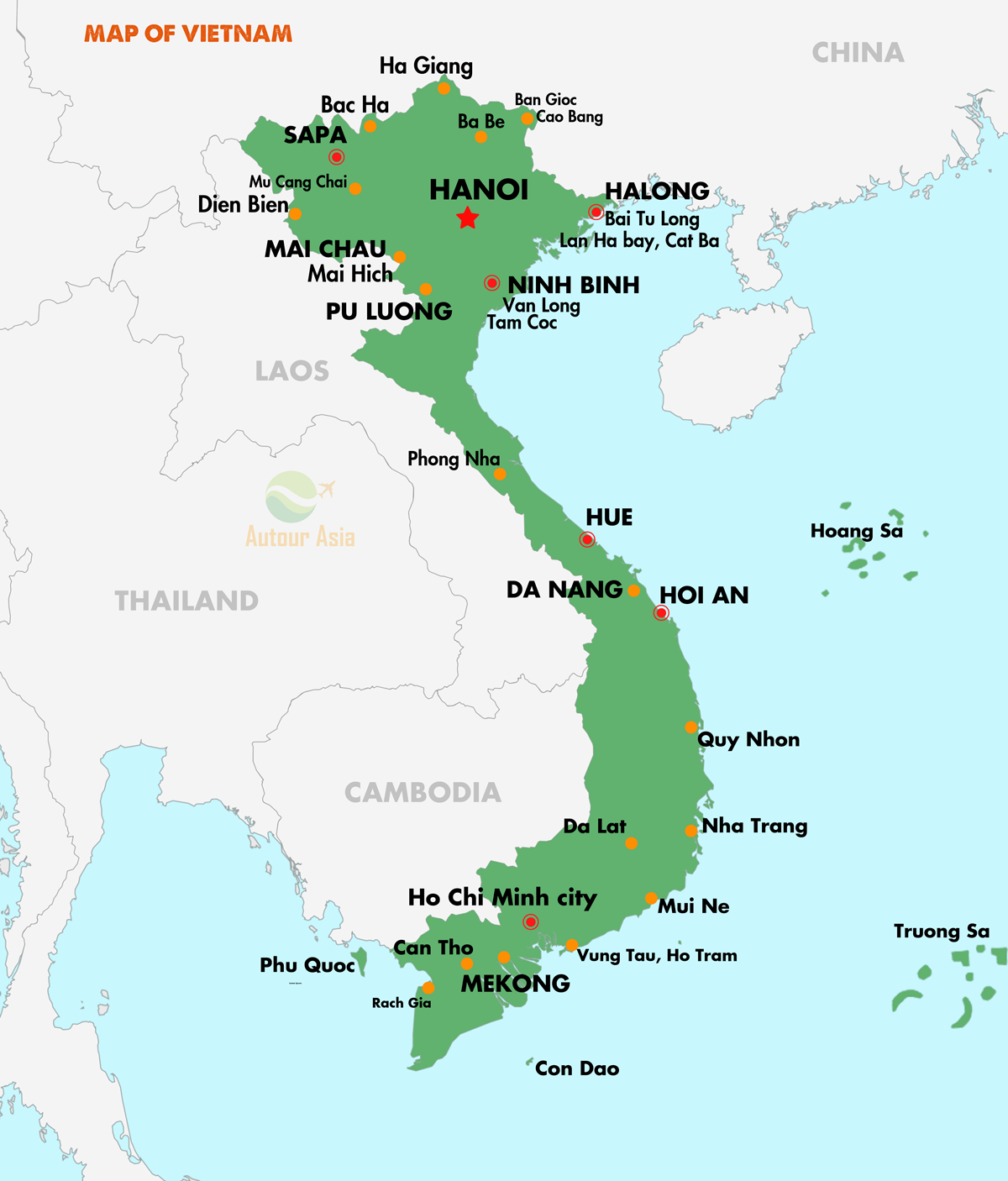
| Region | Suggested days | Main stops |
|---|---|---|
| South | 9 to 10 days | Saigon, Cu Chi, Cao Dai temple, Cai Be, Can Tho, Phu Quoc |
| Centre | 11 to 12 days | Da Nang, Ba Na Hills, Hoi An, Hue, Phong Nha Ke Bang |
| North | 8 to 9 days | Hanoi, Mai Chau, Pu Luong, Ninh Binh, Lan Ha Bay |
The South is the easiest place to start: the arrival is smooth, the Mekong is flat and calm, and Phu Quoc gives you a first beach break. The Centre is the heart of the trip, with three UNESCO sites and the most free time. The North comes last, with the mountains, the rice terraces and the bay, before a final day of shopping in Hanoi.
Our advice: plan one free day after each long stage, for example after the speedboat to Phu Quoc or the night train to Hanoi. It is the simplest way to keep energy for the whole month. Contact: [email protected] or WhatsApp +84 971 337 708.
A 1-month Vietnam itinerary, week by week
The route below follows our Vietnam itinerary 30 days from south to north, a private tour that our advisors built from the programmes they run every season. You can keep it as it is or use it as a base for your own trip.
Week 1: Saigon and the Mekong Delta
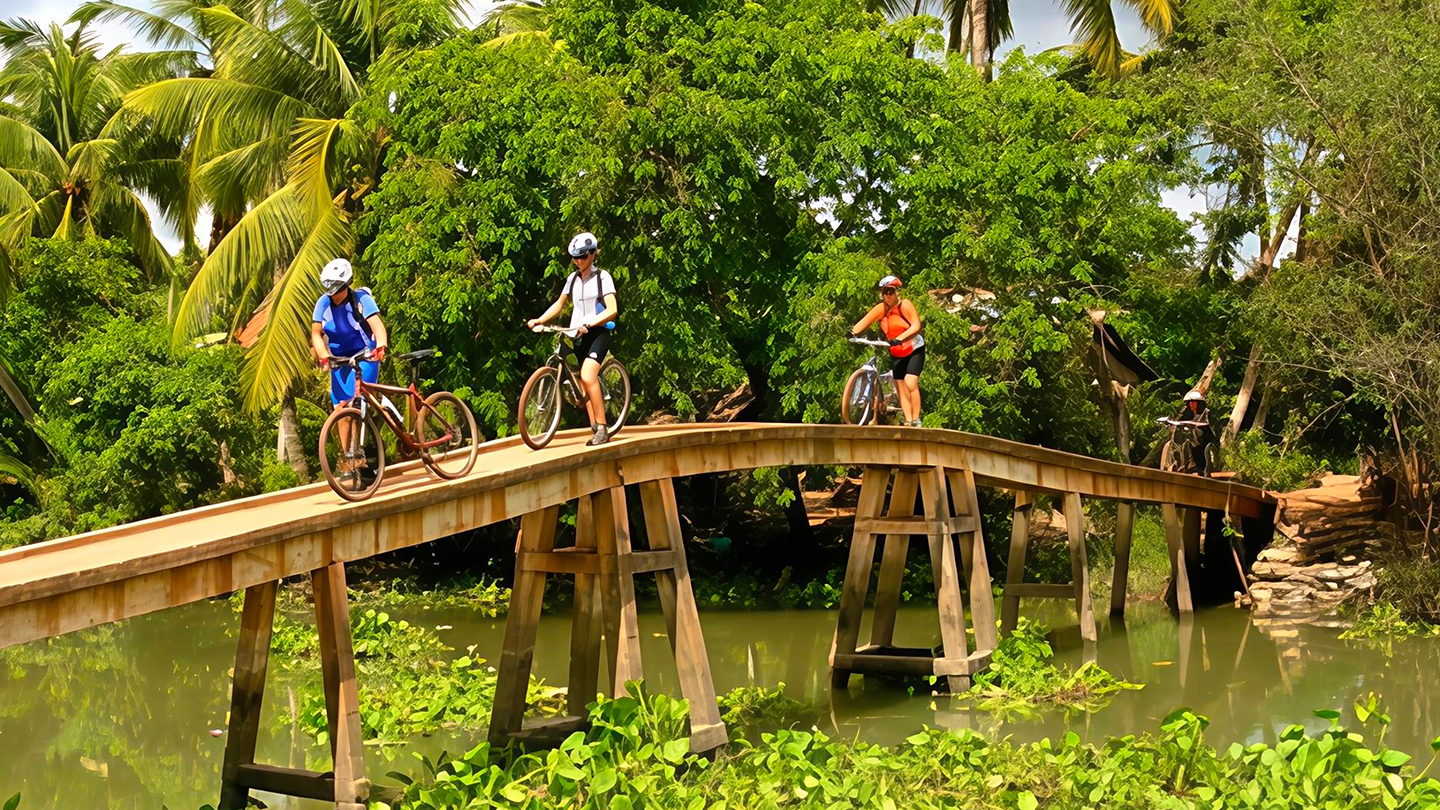
After a free arrival day in Saigon, you visit the colonial centre, the Central Post Office and the Chinese quarter of Cho Lon. The next day combines the Cao Dai Holy See in Tay Ninh, where you attend the noon ceremony, and the Cu Chi Tunnels. You then head into the Mekong Delta for a homestay night in Cai Be, with a bike ride on Tan Phong island and a rowing boat on the canals, followed by a night in Can Tho and the Cai Rang floating market at dawn.
Week 2: Phu Quoc, Da Nang and Hoi An
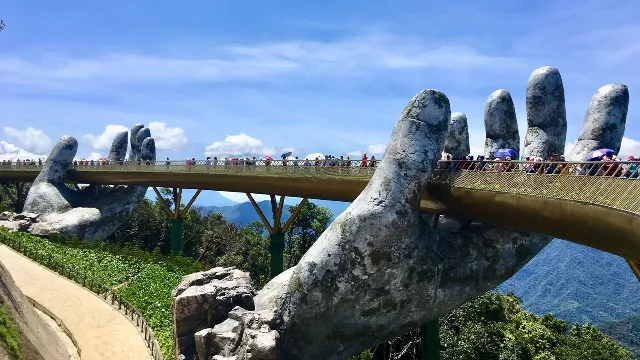
A speedboat from Rach Gia takes you to Phu Quoc for four nights by the sea, with free days to swim and rest. A domestic flight then brings you to Da Nang. You ride the cable car up to Ba Na Hills and walk on the Golden Bridge, keep a free day on My Khe Beach, then visit the Marble Village on the way to Hoi An.
Week 3: Hoi An, Hue and Phong Nha
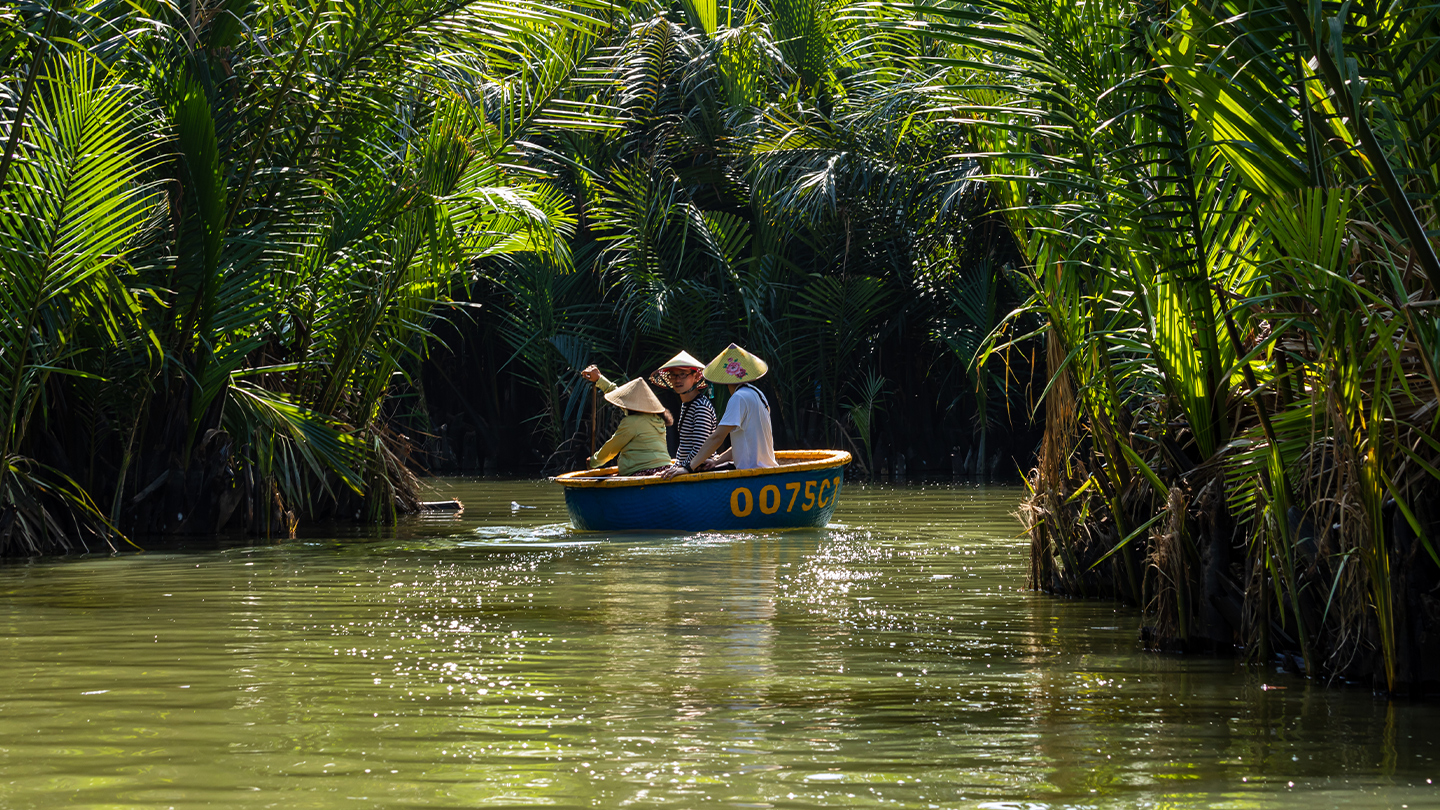
In Hoi An, a half-day EcoTour by bike leads you to the Bay Mau water coconut forest, a basket boat ride and a lunch prepared with a local family. Two free days follow in the old town or on An Bang Beach. Over the Hai Van Pass, you reach Hue for the Imperial City, the Perfume River, Thien Mu Pagoda and the tomb of Tu Duc. Two nights in Phong Nha Ke Bang National Park are kept for the Chay River, Phong Nha Cave by boat and the long Paradise Cave.
Week 4: Hanoi and the North
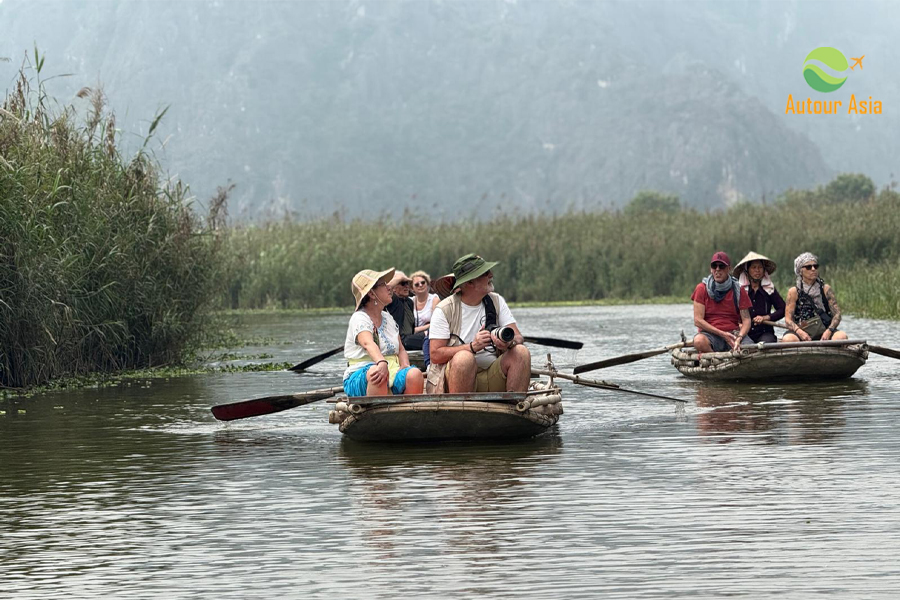
The night train from Dong Hoi brings you to Hanoi, where a free day lets you recover. A full guided day covers the Ho Chi Minh Mausoleum square, the One Pillar Pagoda, Tran Quoc Pagoda, the Museum of Ethnology and the Old Quarter. You then drive to Mai Hich near Mai Chau for a homestay night with a Thai family, walk among the rice terraces and water wheels of Pu Luong, glide on a bamboo boat in Van Long near Ninh Binh and spend a night on a junk in Lan Ha Bay. A last free day in Hanoi is left for your shopping before the flight home.

North to south or south to north?
Both directions work well for 30 days, and the choice depends mostly on your flights and the season.
- South to north starts with the warm South and a beach stay early in the trip, then saves the cooler mountains for the end. It suits travellers who arrive tired from a long flight and want to rest first. Ending in Hanoi also gives you a city full of shops for your last day.
- North to south begins with the culture of Hanoi and the mountains while your energy is high, and finishes on a beach in the South. It is often chosen from February to April, when the North is mild and the southern beaches are dry.
Look at the price of your international flights before deciding: arriving in Ho Chi Minh City and leaving from Hanoi, or the opposite, usually costs about the same as a return ticket, and it saves you a long transfer back to your starting point. Our advisors can reverse the whole programme without changing its content.
Other ways to use a month in Vietnam
A month is long enough to change the balance of the trip. Travellers who love mountains can replace part of the beach stay with Sapa and its trekking paths through Hmong and Dao villages, or with the Ha Giang loop and its high passes near the Chinese border. Those who prefer slow travel can add a second night in Pu Luong or a longer stay in the Mekong Delta.
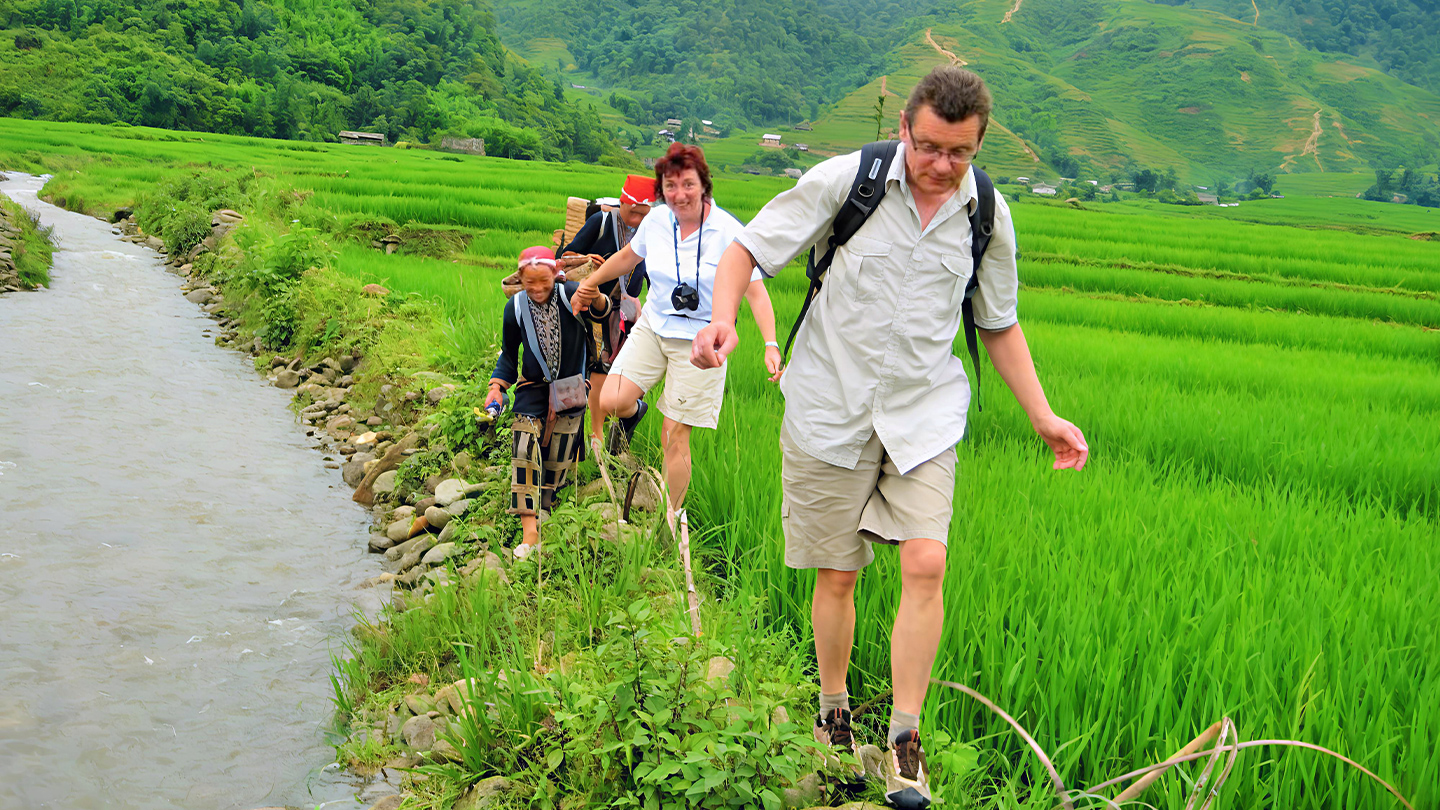
Each change has an effect on the rest of the route, mainly on flights and drive times, so we always check the full month before sending you a new version of the programme.
When to go for a month in Vietnam
Vietnam has no single ideal season, because the North, the Centre and the South follow different climates. A 4 weeks in Vietnam trip will almost always meet some rain somewhere; the goal is to place each region in its good months.
| Period | North (Hanoi, Mai Chau, Lan Ha) | Centre (Hue, Hoi An, Phong Nha) | South (Saigon, Mekong, Phu Quoc) |
|---|---|---|---|
| December to January | Cool and dry, cold nights in the mountains | Rain is ending, fresh weather | Dry and sunny |
| February to April | Mild, some drizzle in February | Dry and pleasant | Dry, hot in April |
| May to August | Hot with summer storms | Hot and dry, ideal for the beach | Rainy season, short showers |
| September to November | Pleasant, clear skies in October | Main rainy season, risk of storms | Rain decreasing in November |
February to April is the most balanced period for a one-month trip across the three regions. Keep in mind that Tet, the Lunar New Year, falls between late January and mid-February: some shops and restaurants close for a few days and transport is very busy, so it is better to book early.
Rainy season in the Centre: from October to December, Hue and Hoi An receive most of their rain. If you travel then, we change the order of the stages and keep options for indoor visits. Contact: [email protected] or WhatsApp +84 971 337 708.
Getting around during a month in Vietnam
On a private trip, most transfers are made by air-conditioned car with a driver, which lets you stop for photos or a coffee on the way. For the long distances, a flight or a night train saves a full day on the road.
| Journey | Transport | Good to know |
|---|---|---|
| Saigon to Cai Be and Can Tho | Private car and boat | Short drives, boats for the canals and markets |
| Can Tho to Phu Quoc | Car to Rach Gia, then speedboat | About 2.5 hours at sea, no guide on board |
| Phu Quoc to Da Nang | Domestic flight | Booked by us on request |
| Da Nang to Hoi An | Private car | About 30 km |
| Hoi An to Hue | Private car over the Hai Van Pass | Stops at the Cham Museum and the pass |
| Hue to Phong Nha | Private car | About 210 km, around 4.5 hours |
| Dong Hoi to Hanoi | Night train | Shared 4-berth soft sleeper cabin |
| Hanoi to Mai Chau, Pu Luong and Ninh Binh | Private car | Mountain roads with viewpoints |
| Ninh Binh to Lan Ha Bay | Private car, then junk | Departure from Tuan Chau harbour |
In the cities, taxis booked through an app or by your hotel are reliable and cheap. Walking is the easiest way to explore the old quarters of Hanoi and Hoi An, and a cyclo ride is a pleasant way to see the streets at a slower speed.
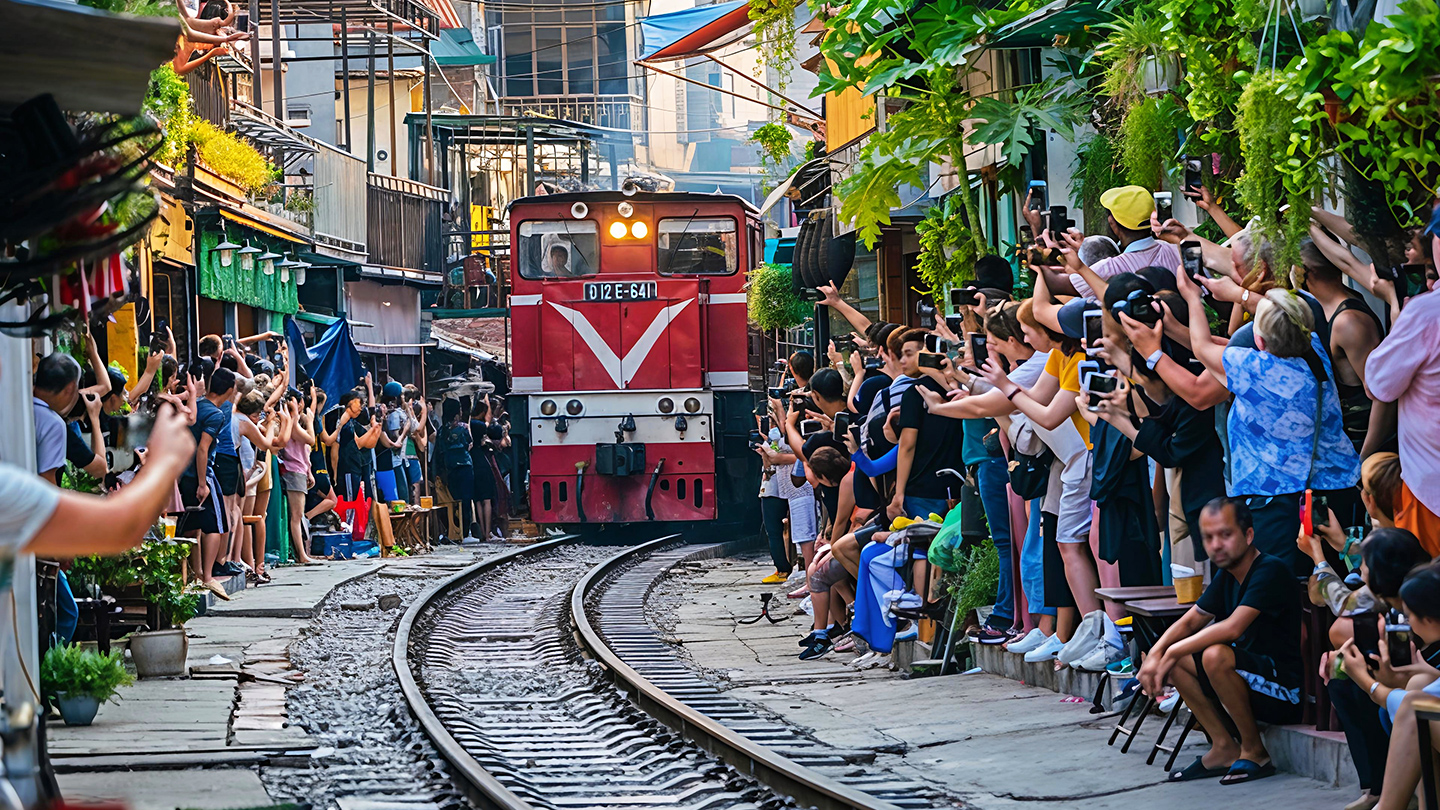
What to eat in Vietnam over 30 days
A month on the road is a culinary journey too, because each region has its own dishes and flavours. The South is sweeter, the Centre is spicier and the North is subtle and fragrant.
- Mekong Delta: banh xeo, the crispy rice pancake, hu tieu noodle soup, elephant ear fish and tropical fruit from the orchards.
- Phu Quoc: grilled seafood on the night market, raw herring salad and the local fish sauce made on the island.
- Hoi An: cao lau noodles, white rose dumplings and the famous banh mi sandwich.
- Hue: bun bo Hue, a spicy beef noodle soup, and small dishes inspired by the imperial court such as banh beo.
- Hanoi: pho for breakfast, bun cha with grilled pork at lunch and an egg coffee in a hidden café.
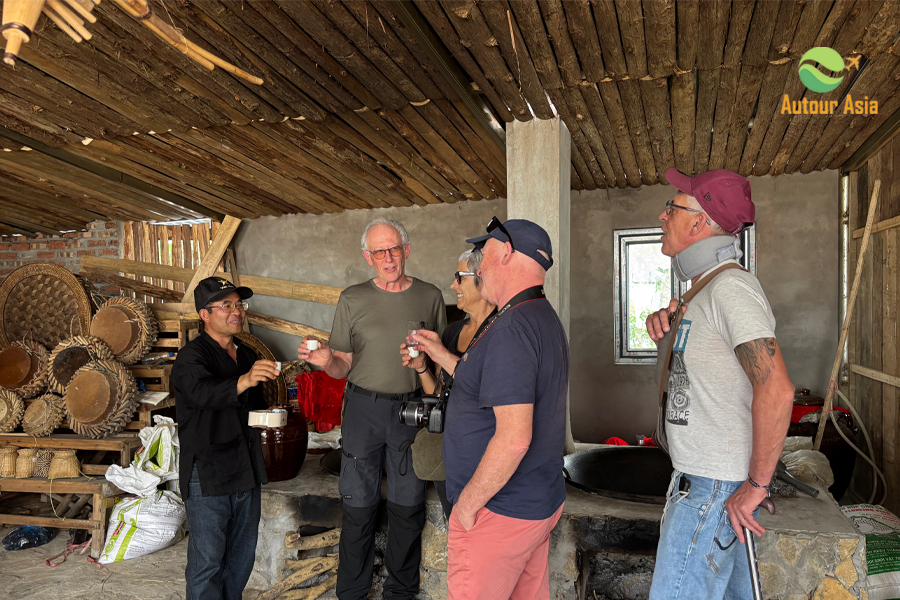
- Mai Chau and Pu Luong: sticky rice cooked in bamboo, grilled stream fish and the local corn wine.
Street food is part of the experience. Choose busy stalls where the food is cooked in front of you, and ask your guide for addresses: they know the places where locals eat.
Staying safe on a long trip
Vietnam is a safe country for travellers, and violent crime against visitors is rare. Over a whole month, a few simple habits help you avoid the small problems:
- Traffic: cross the street at a slow, steady pace so that motorbikes can go around you, and avoid renting a motorbike without a licence and insurance.
- Bags and phones: keep them on the side away from the road in Saigon and Hanoi, where bag snatching from motorbikes can happen.
- Taxis and prices: use app-based taxis or ask your hotel, and agree on the price before a cyclo ride or a boat trip.
- Heat and water: drink bottled water, wear a hat and plan the visits early in the morning in the hot months.
- Sea and weather: respect the flags on the beaches and follow the advice of the crew during the cruise, which may change its route if the weather turns bad.
We stay with you: during the whole trip, our team in Hanoi follows your journey 24h/24 and answers on WhatsApp if anything changes on the road. Contact: [email protected] or WhatsApp +84 971 337 708.
Budget, visa and practical tips for 1 month in Vietnam
The budget for a month in Vietnam depends on four things: the level of the hotels, the number of domestic flights, the days with a guide and the experiences you choose, such as a night on a junk or a homestay. Free days lower the cost, since they include only the hotel and breakfast. The starting price of our 30-day tour is shown on its page, and your free quote details every service so you can compare.
- Visa: citizens of the UK and several European countries can stay 45 days without a visa. Other travellers apply online for an e-visa, valid for up to 90 days.
- Money: the Vietnamese dong is used everywhere; cards work in hotels and larger shops, but keep cash for markets and street food.
- Phone: a local SIM or eSIM is cheap and useful for maps and messages.
- Packing: light clothes, a rain jacket, a warm layer for the North in winter and covered shoulders for temples.
Before you leave: check that your passport is valid for at least 6 months after your return date, and keep a copy on your phone. Contact: [email protected] or WhatsApp +84 971 337 708.

Extending your month: Vietnam, Laos and Cambodia
If you prefer to see more than one country, a month also allows a combined trip. From the Mekong Delta, a boat on the river reaches Phnom Penh, and the temples of Angkor are a short flight further. When you enter Cambodia by boat, the visa is done on the spot at the border checkpoint, with about 45 to 60 minutes of waiting. Laos is easy to add by flying from Hanoi to Luang Prabang. See our Vietnam and Cambodia tours and our Vietnam and Laos tours for ideas.
In that case, we usually keep about three weeks for Vietnam and one week for the second country, so that the trip stays comfortable.
How to book your 1-month trip with Autour Asia
Booking a month-long trip takes only a few steps:
- Tell us about your trip: dates, number of travellers, interests and the level of hotels you like.
- Receive your free quote within 24 hours: a day-by-day programme with a detailed price, which you can change as often as you need.
- Confirm with a deposit: 40% at booking, and the 60% balance is paid on arrival.
- Travel with support: our team stays in touch with you during the whole month.
Autour Asia is a local travel agency based in Hanoi, with more than 20 years of experience in private trips in Vietnam and Southeast Asia. Our advisors know every region they recommend, we work with our own guides and drivers, and you pay local prices without a middleman.
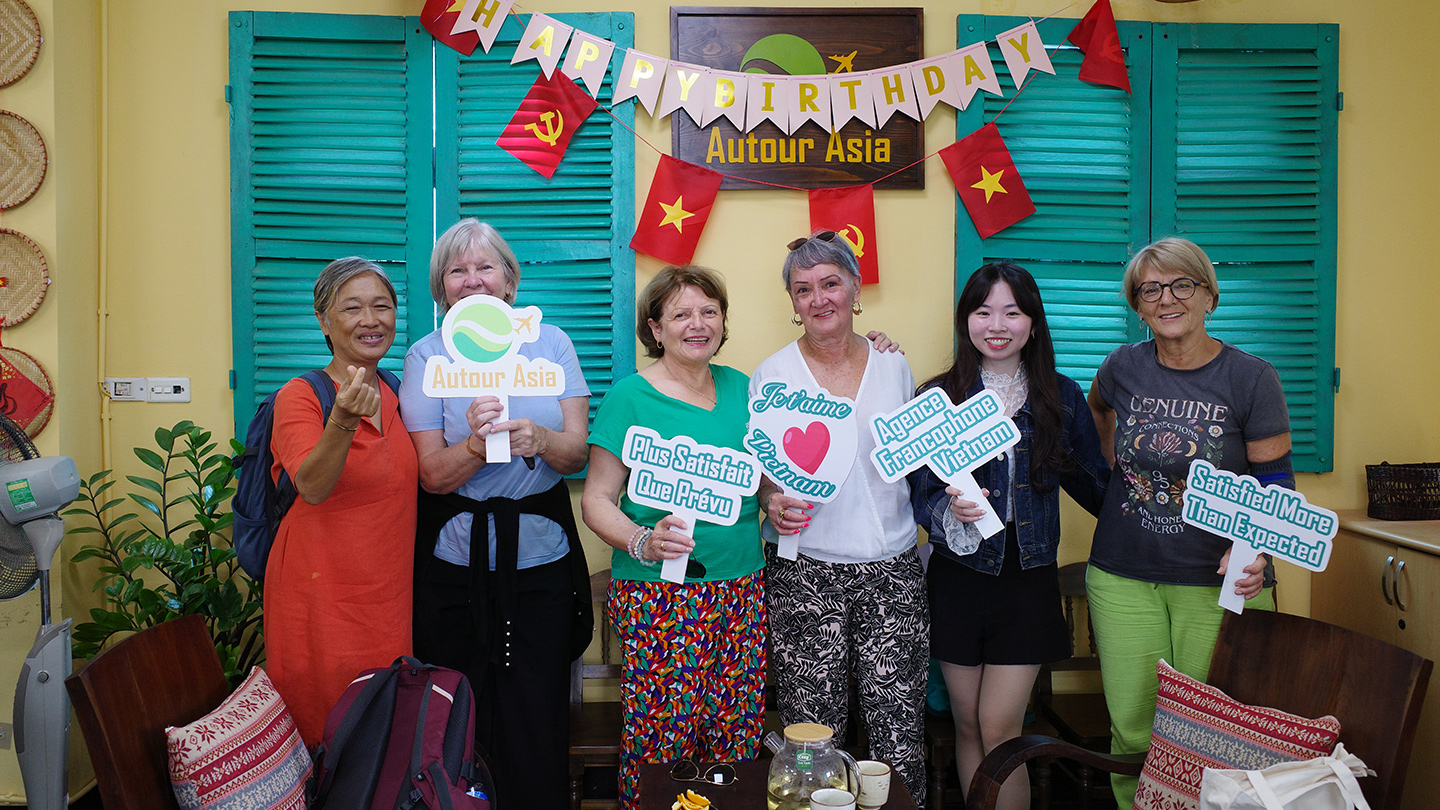
Ready to plan your month? send us your dates and wishes, and we will prepare your 1-month Vietnam itinerary with a free quote within 24 hours. Contact: [email protected] or WhatsApp +84 971 337 708.
🧭 Last updated: November 2026
Frequently asked questions
Spending 3 weeks in Vietnam gives you enough time to explore the country from north to south at a comfortable pace. Start in Hanoi, then discover the peaceful villages of Mai Chau and Pu Luong before exploring Ninh Binh and cruising through Ha Long Bay. Continue to Central Vietnam to visit Hue and Hoi An, where you can enjoy local culture and traditional cuisine. In the south, explore Ho Chi Minh City and experience rural life with a homestay in the Mekong Delta. If you prefer more relaxation, add a few days at Phu Quoc, Mui Ne, Ho Tram, or Con Dao for a memorable beach escape.
Yes, Vietnam is a safe and welcoming country. Take care in traffic: cross the street at a steady pace and do not rent a scooter without a valid licence and insurance. Keep bags and phones close in crowded places and drink bottled water. Read our travel tips for Vietnam.
Try phở and bún chả in Hanoi, bún bò Huế in Hue, cao lầu and bánh mì in Hoi An, and bánh xèo in the Mekong Delta, then finish with an iced drip coffee or an egg coffee. The food is fresh, full of herbs and rarely too spicy. More ideas in our Hanoi travel guide.
Tipping is not compulsory but is appreciated, especially for guides, drivers and boat crews. Give what reflects your satisfaction; small notes in dong are handy. Read our guide to tipping in Vietnam.
UK citizens and several European nationalities enjoy a 45-day exemption. Other travellers apply online for an e-visa, valid up to 90 days. Your passport must be valid 6 months after your return.
Yes. Thirty days are enough to cover the South, the Centre and the North at a comfortable pace, with two to four nights per stage and several free days. You will not see every province, but you will visit the main regions without long days on the road.
The cost depends on the level of hotels, the number of domestic flights, the days with a guide and the experiences you choose. The starting price of our 30-day private tour is shown on its page, and your free quote within 24 hours details every service.
Both work well. South to north starts with the warm South and a beach break and ends in Hanoi for shopping. North to south starts with the culture of Hanoi and the mountains and ends on a southern beach. Your flights and the season usually decide.
February to April is the most balanced period for the three regions: the North is mild, the Centre is dry and the South is sunny. From October to December, the Centre gets most of its rain, so we adapt the order of the stages.
We suggest about one free day per week, placed after the long stages, for example after the boat to Phu Quoc or the night train to Hanoi. Our 30-day tour includes nine free days in total.
Yes. We usually keep about three weeks for Vietnam and one week for Cambodia or Laos. When you enter Cambodia by boat from the Mekong, the visa is done on the spot at the border checkpoint, with about 45 to 60 minutes of waiting.
Yes. As every trip is private, we adjust the pace, the length of drives, the rooms and the activities. Families often enjoy the cycling and boat trips, and seniors appreciate the free days and shorter transfers.
Authentic experiences

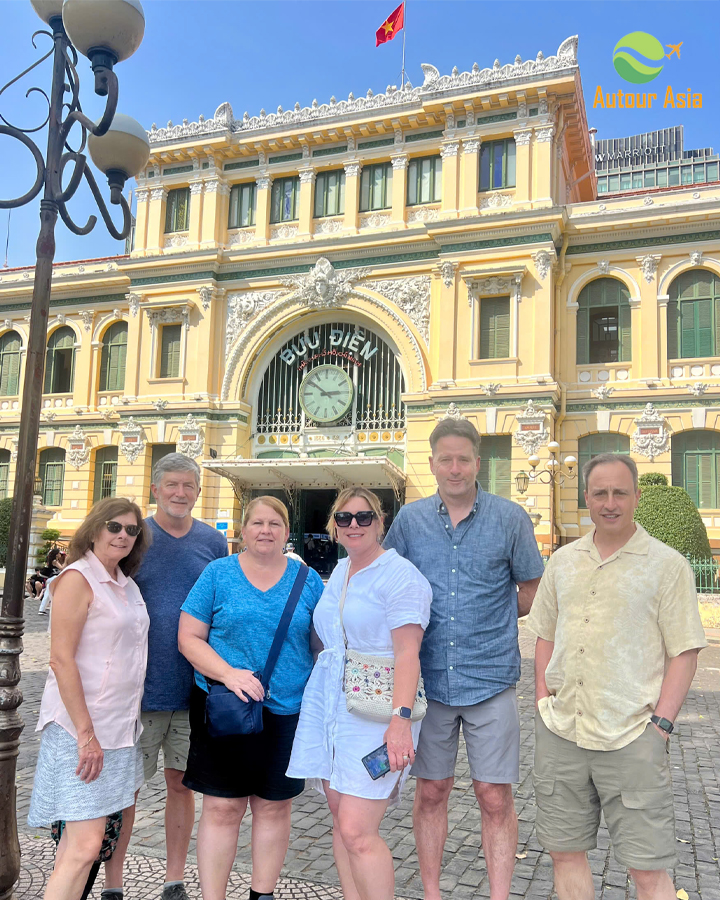
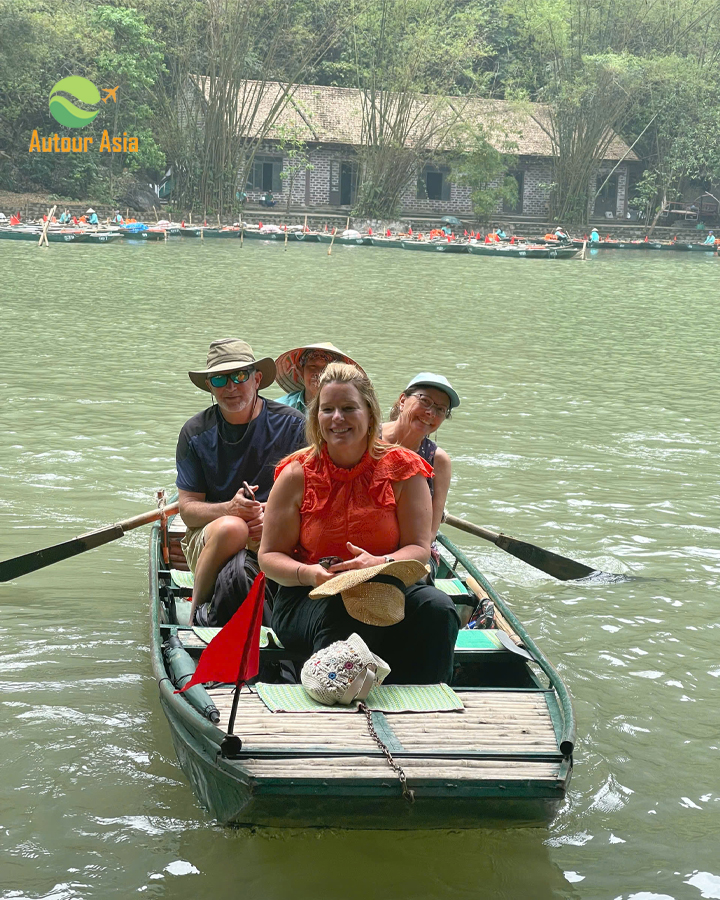
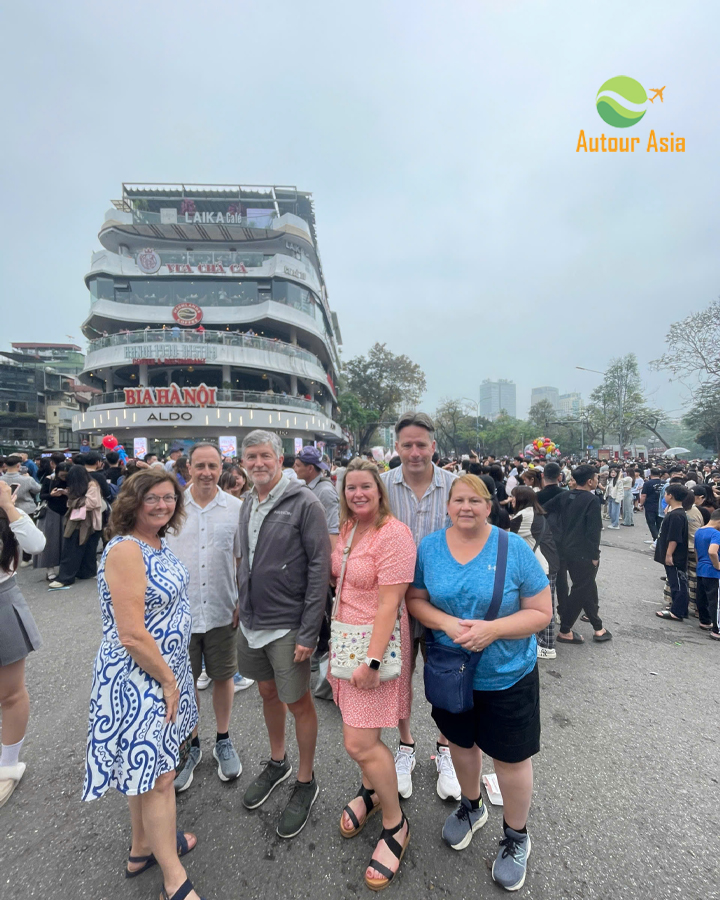
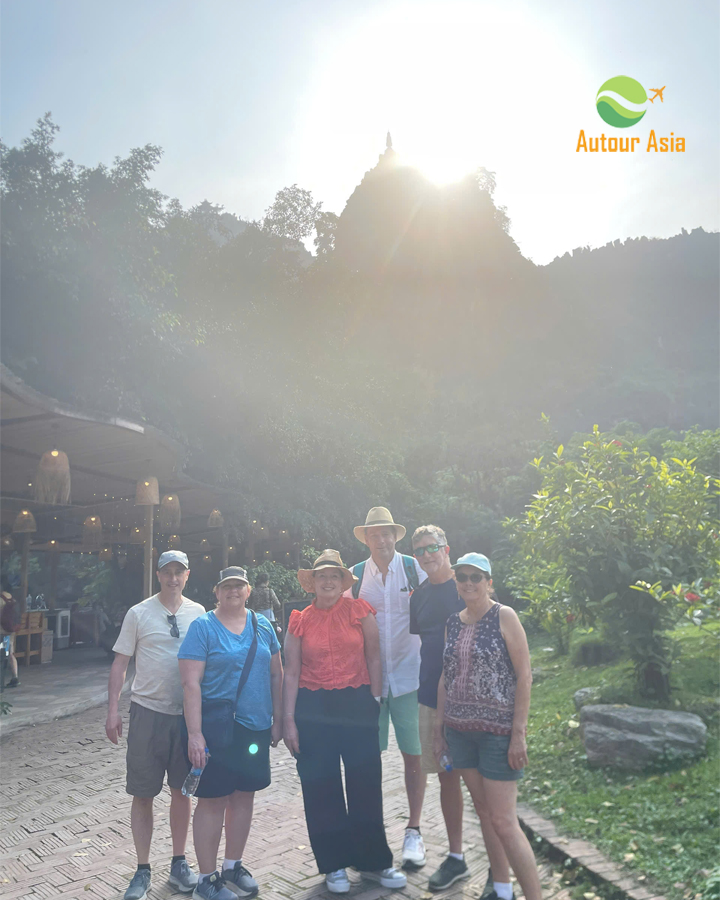
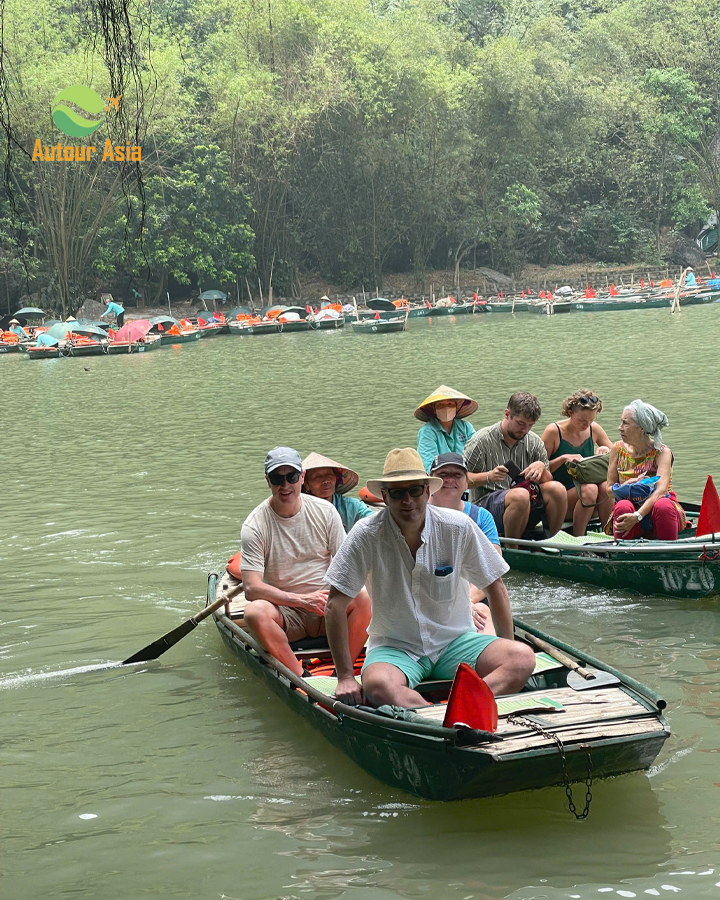
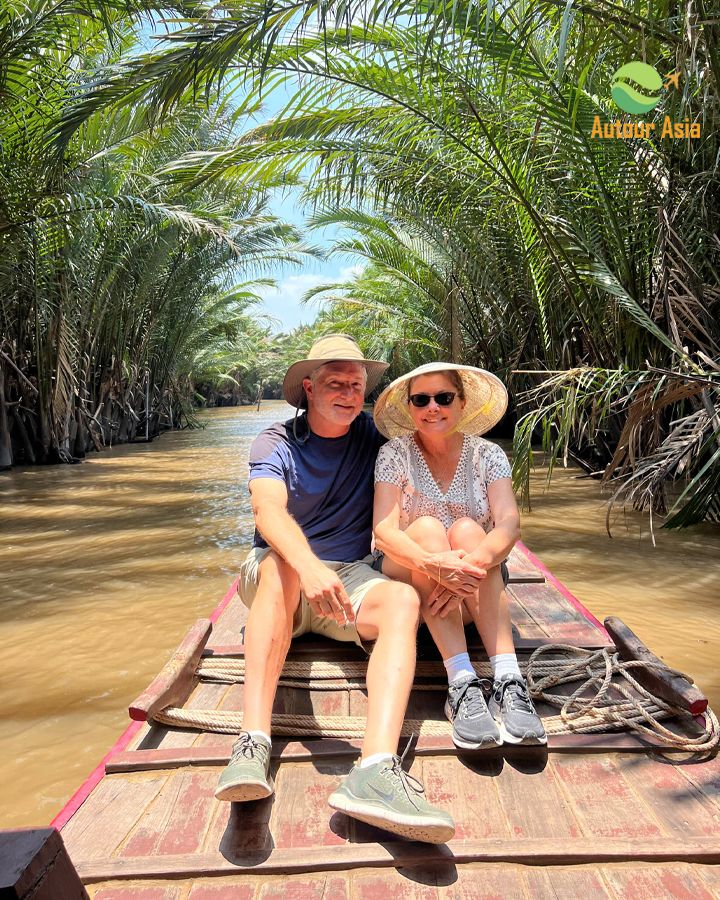
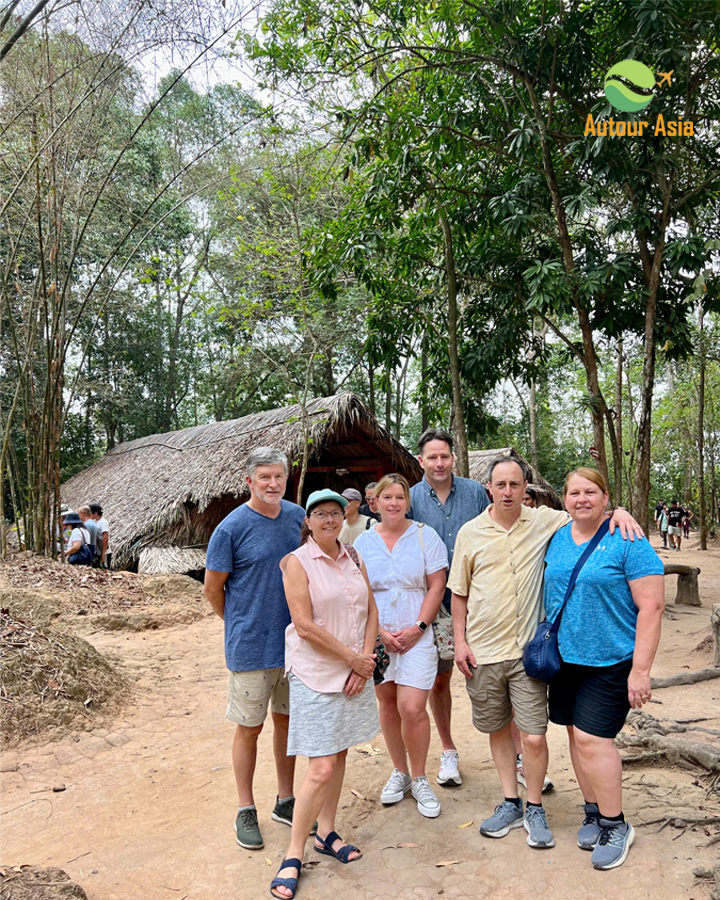
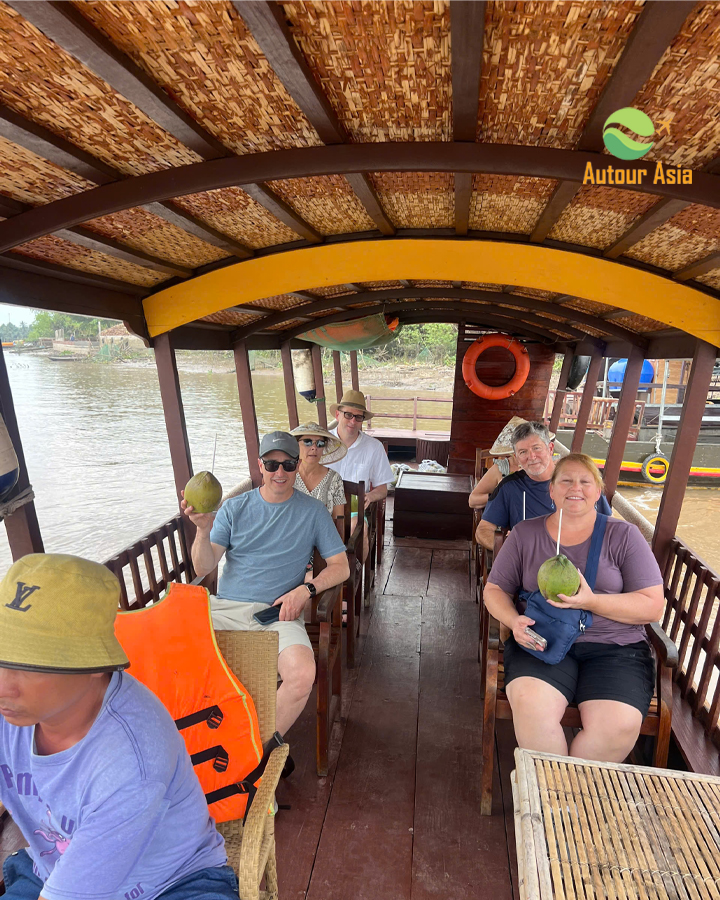
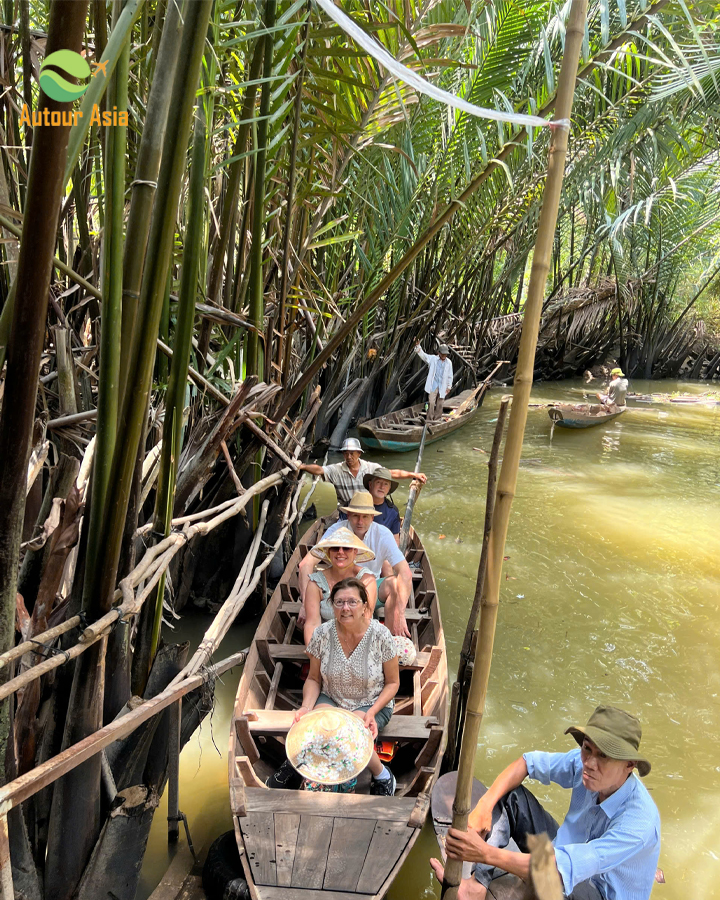
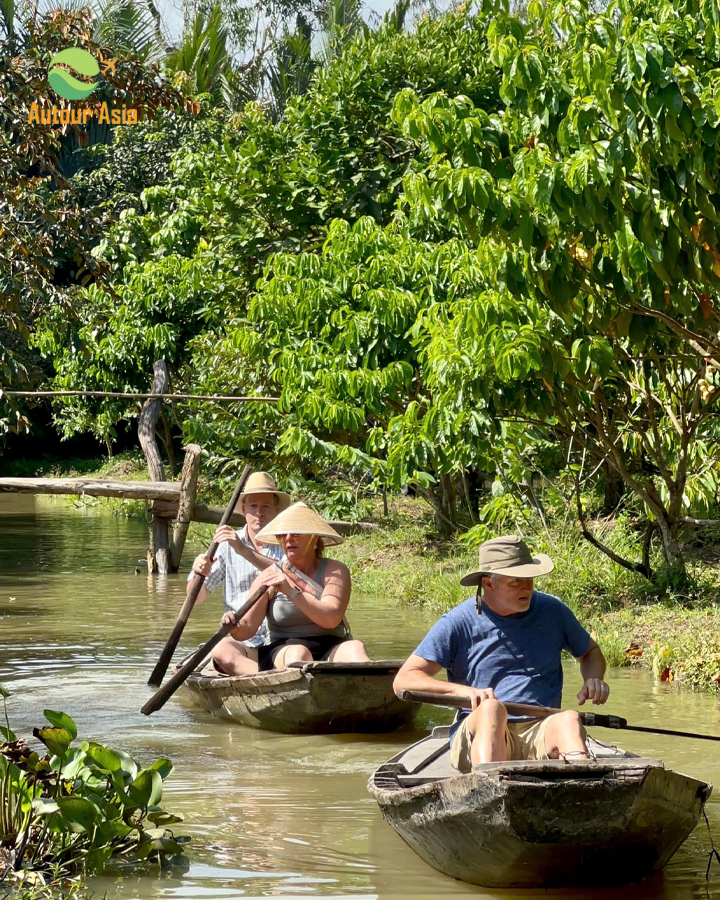
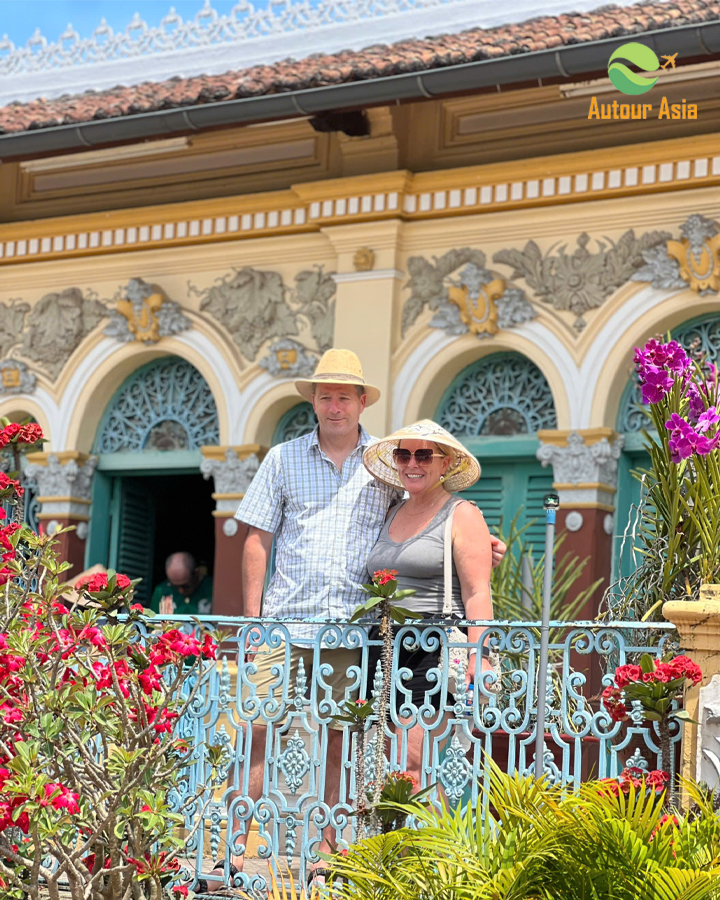
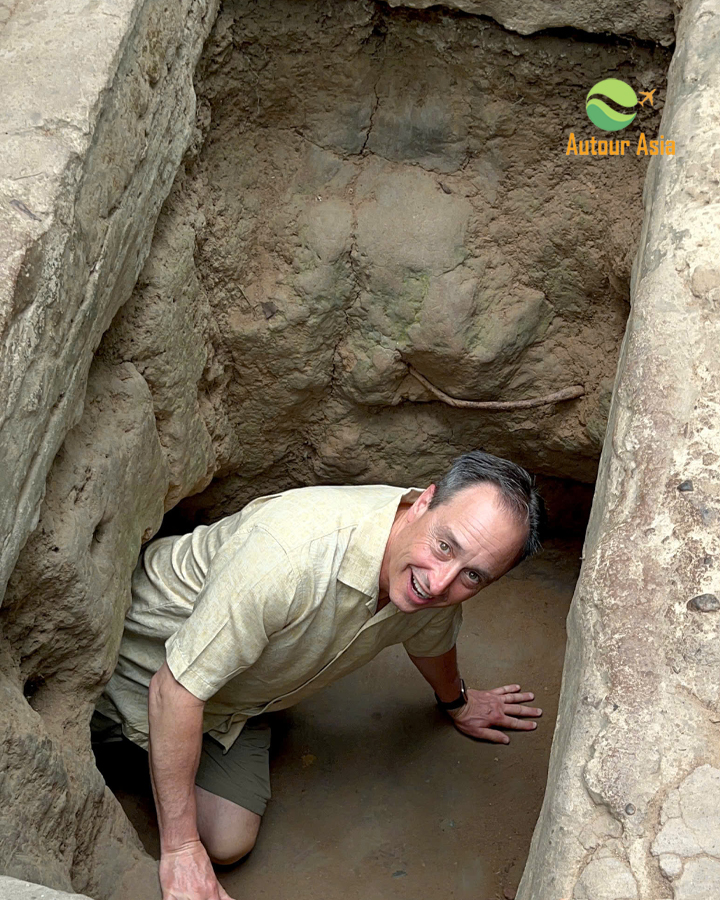
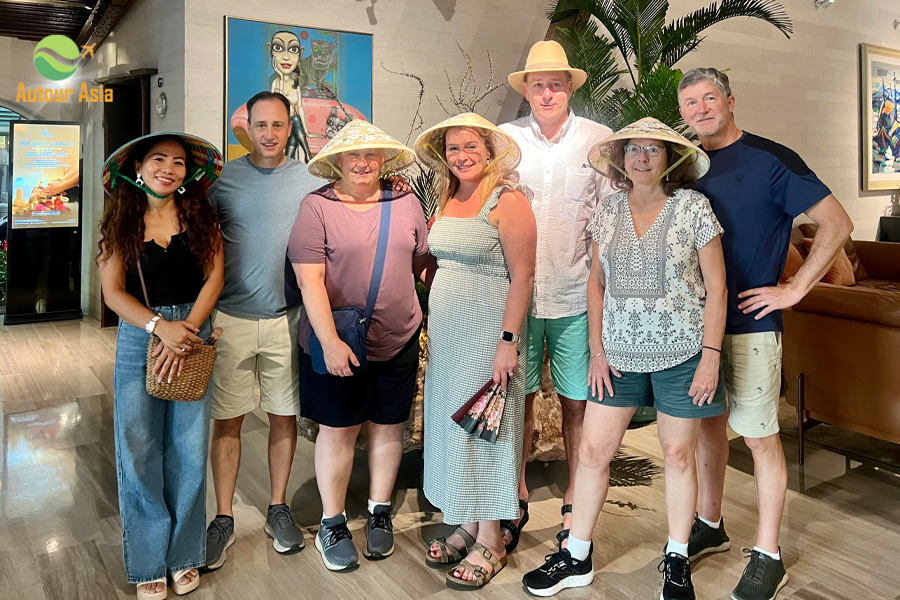
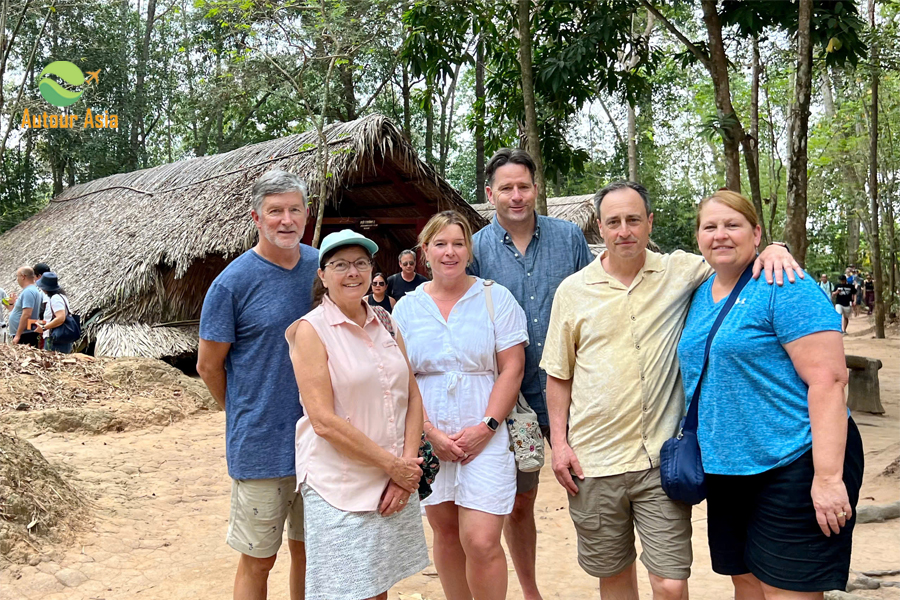
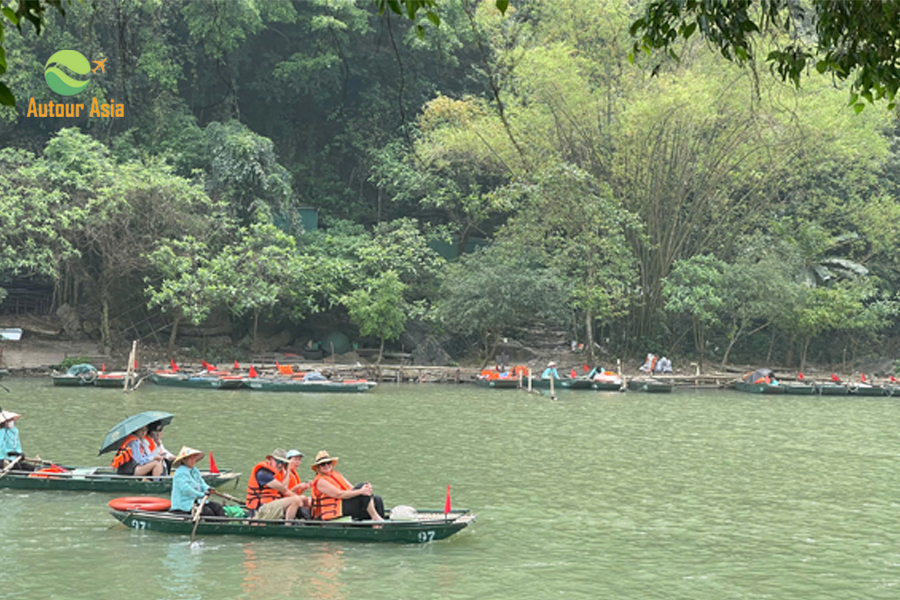
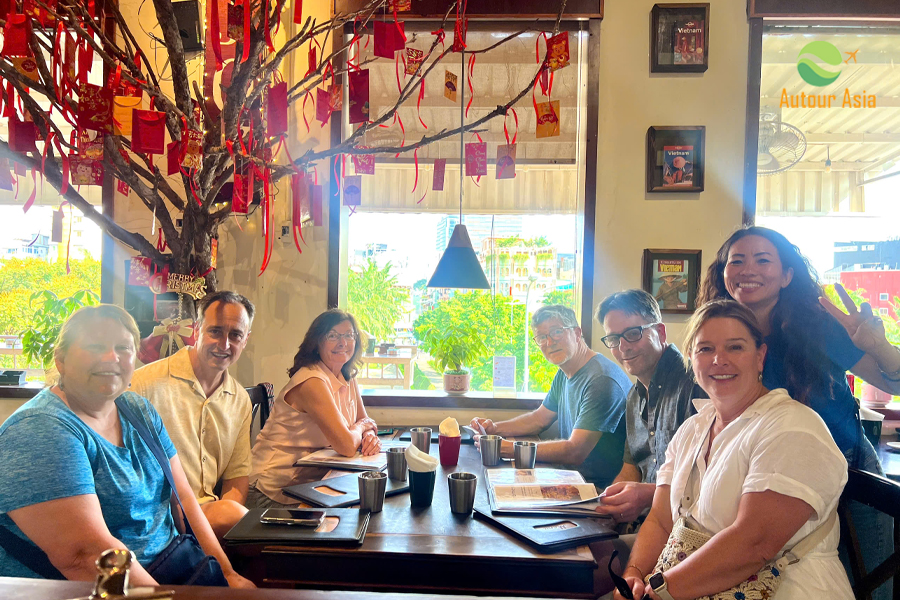

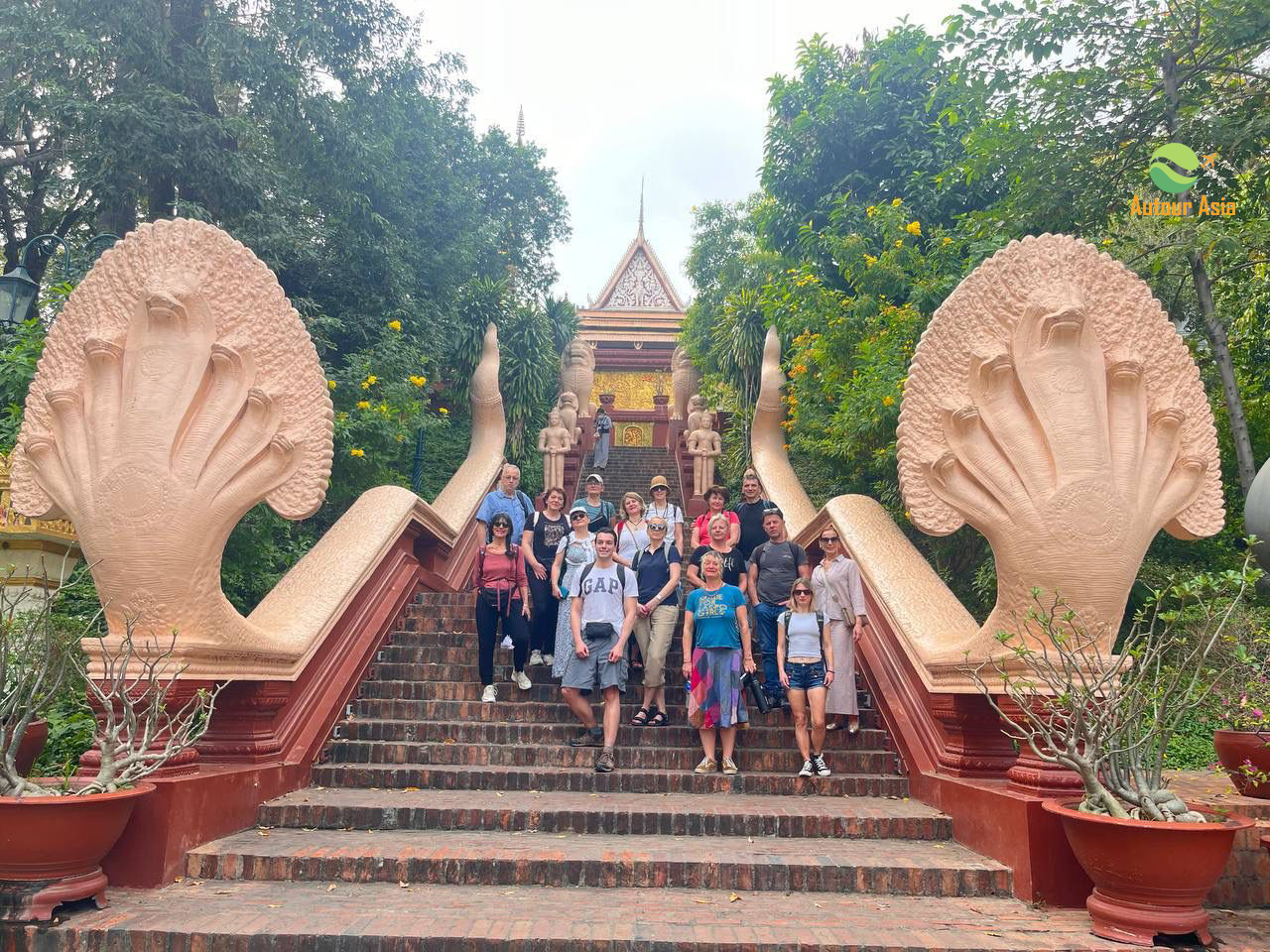
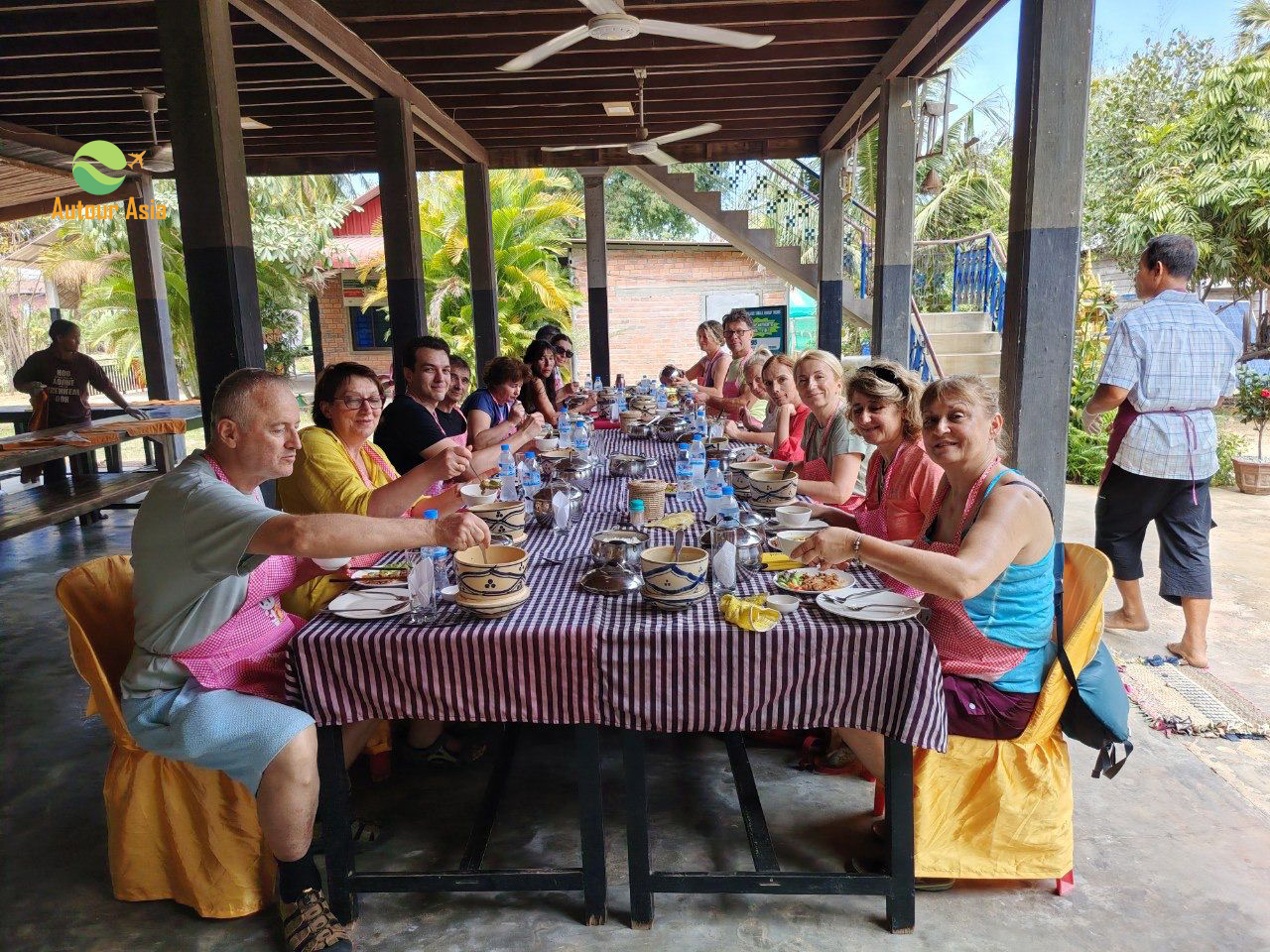
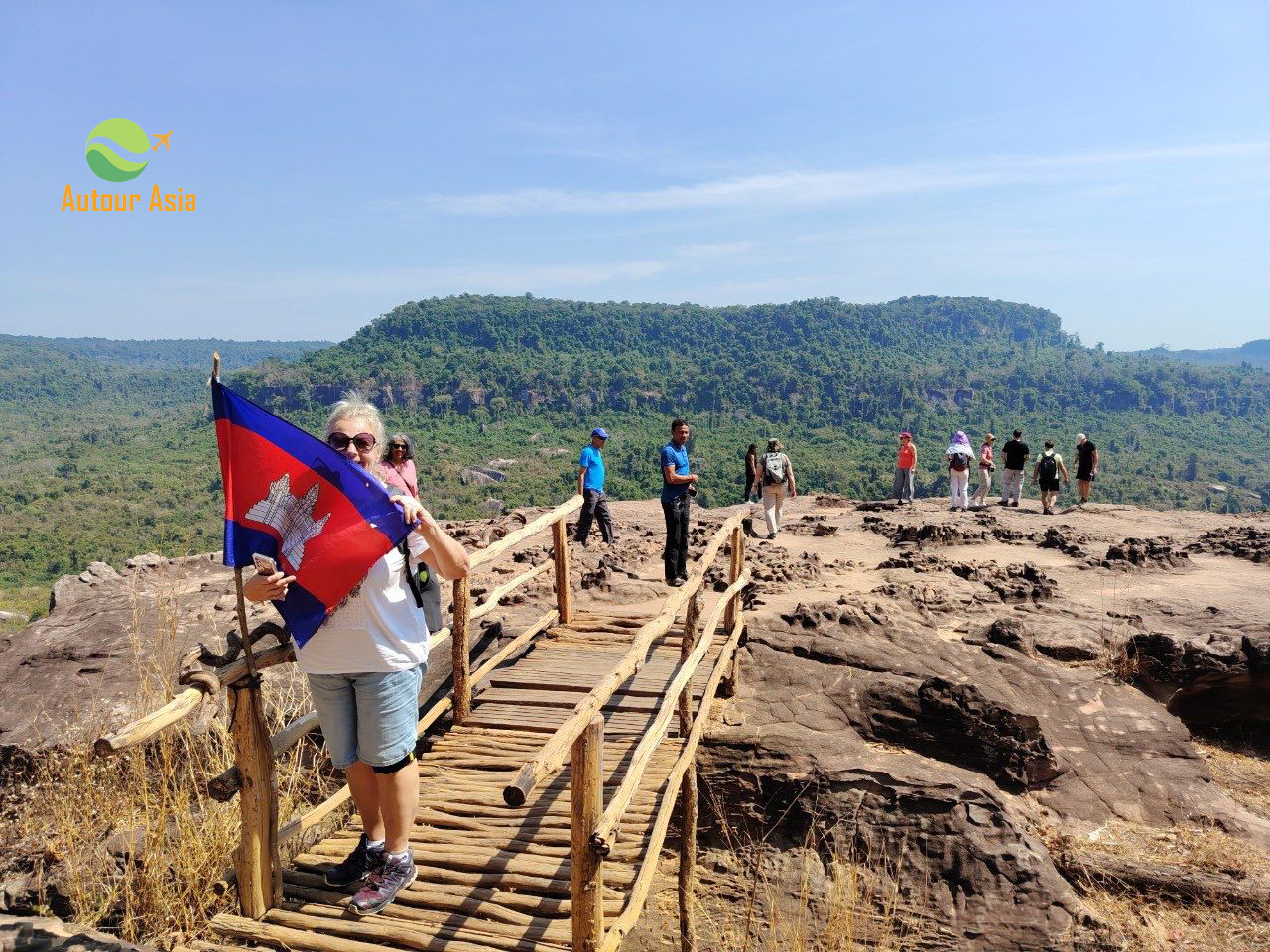
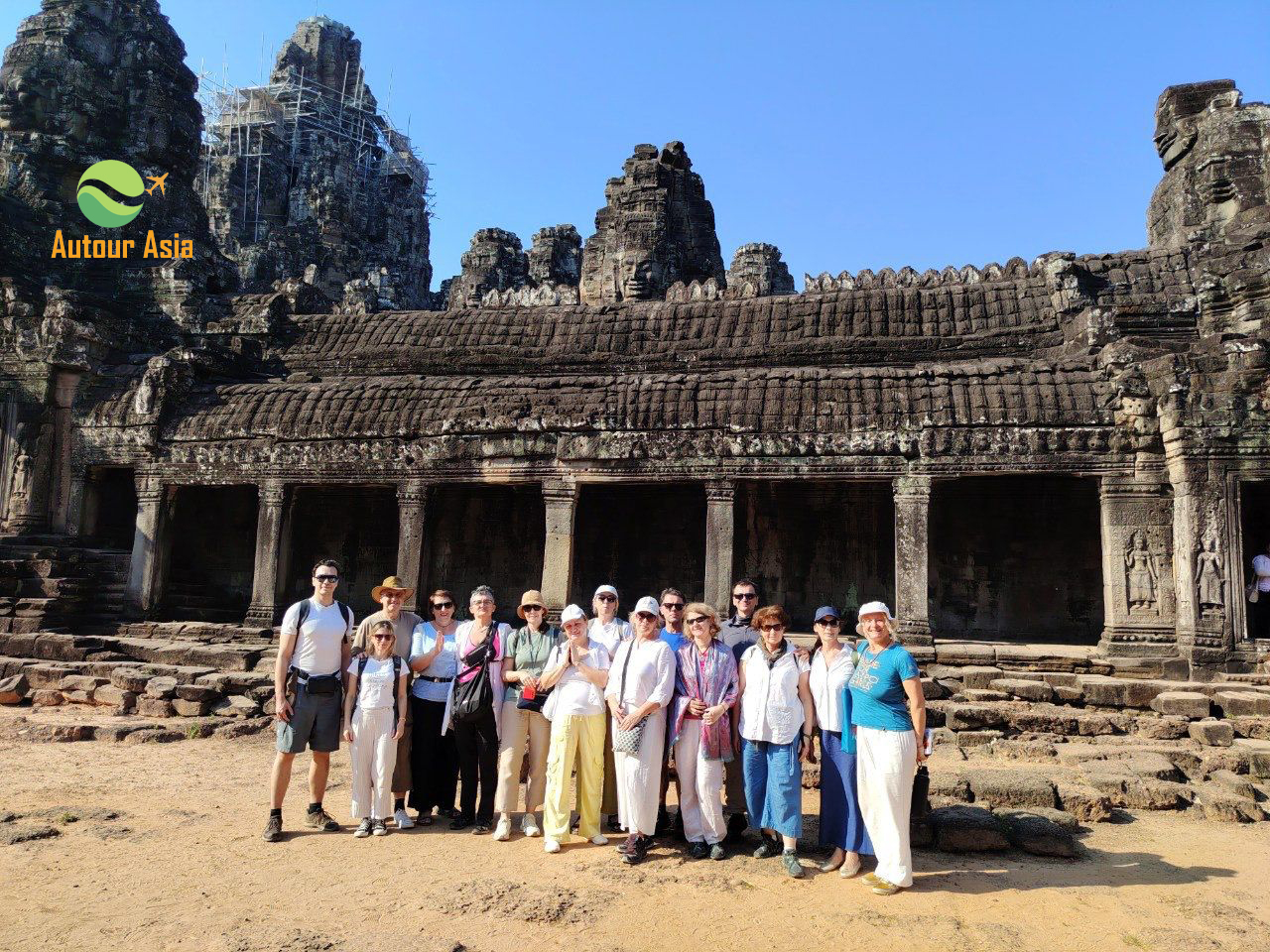
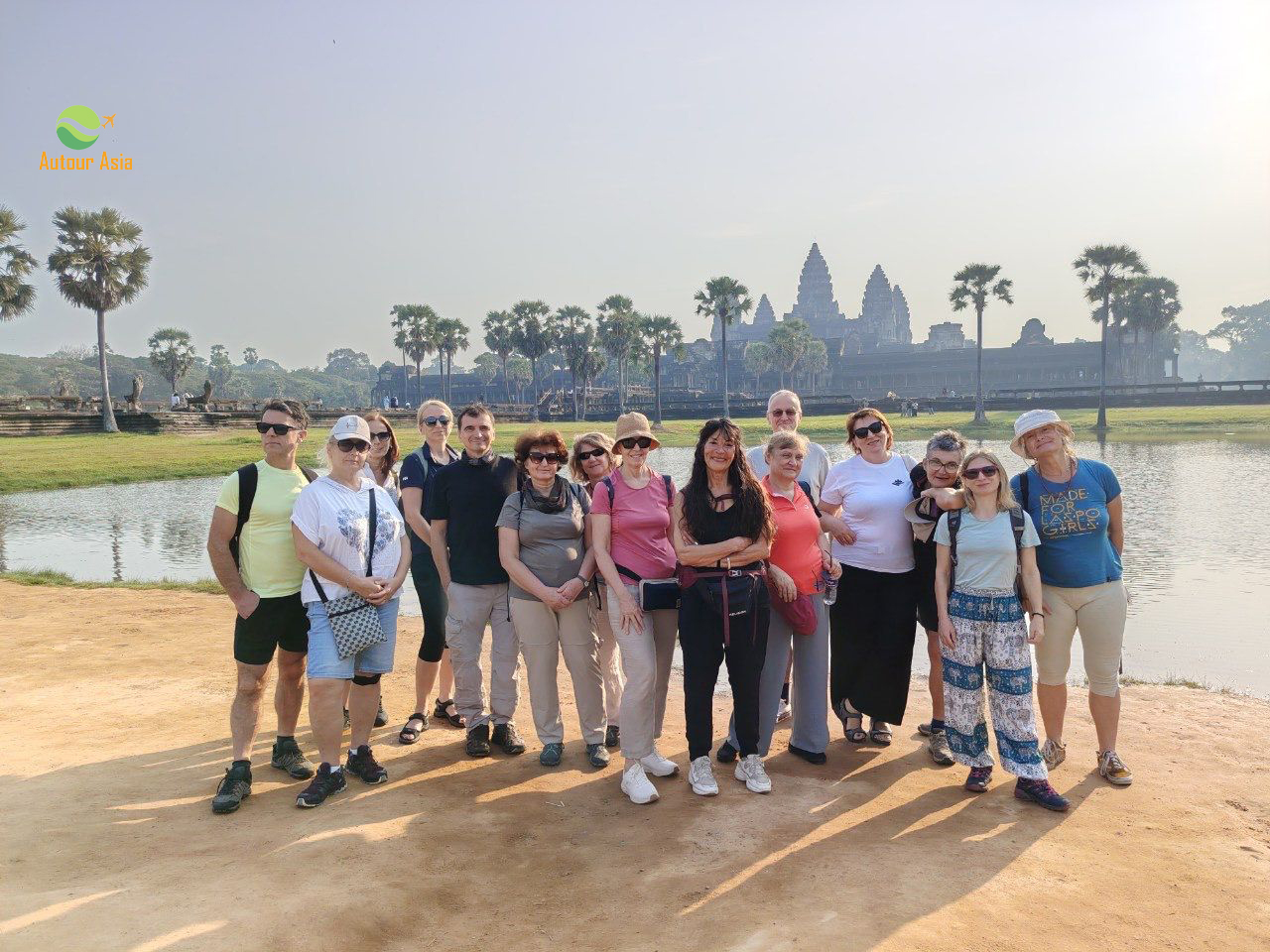
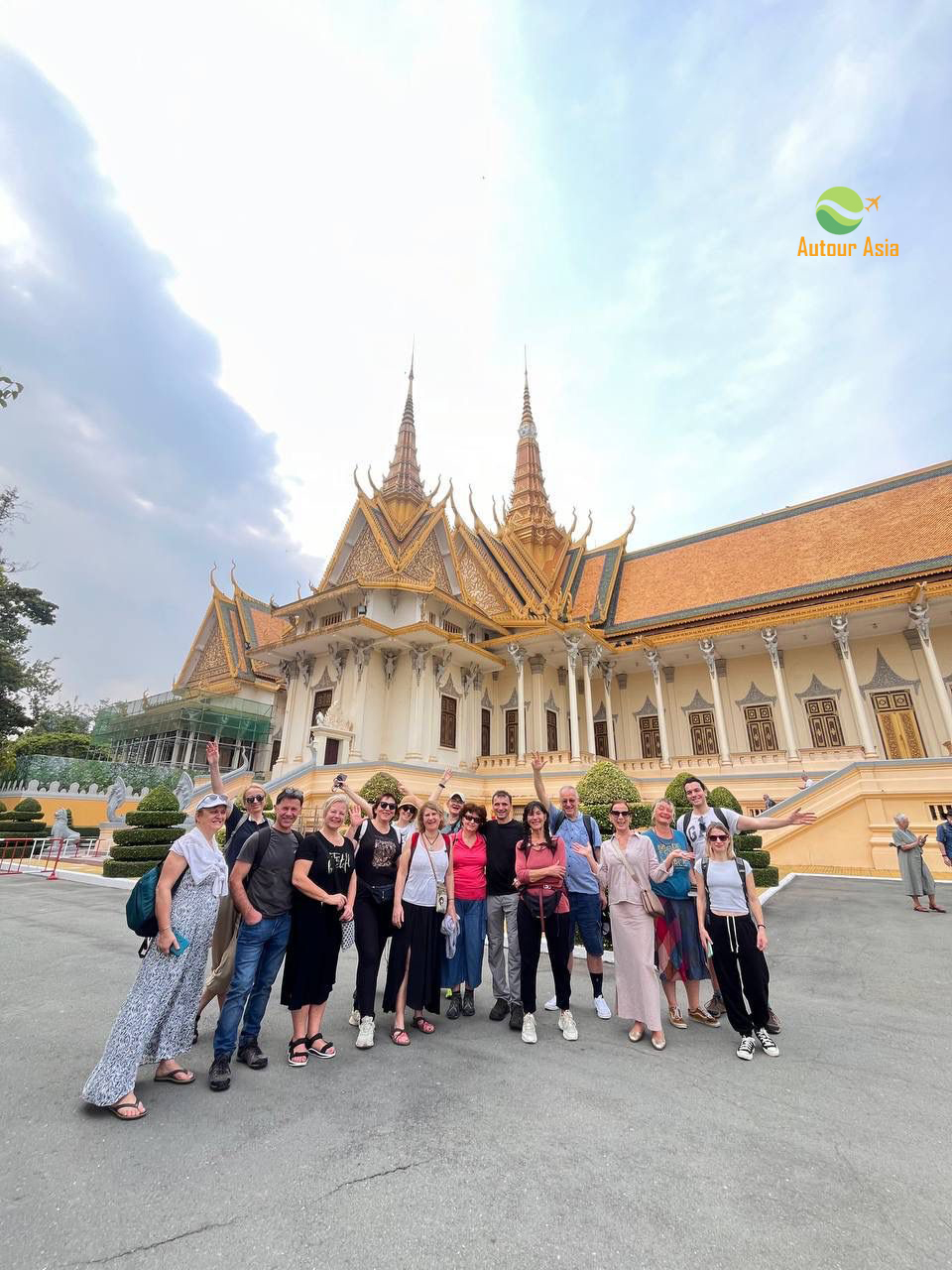

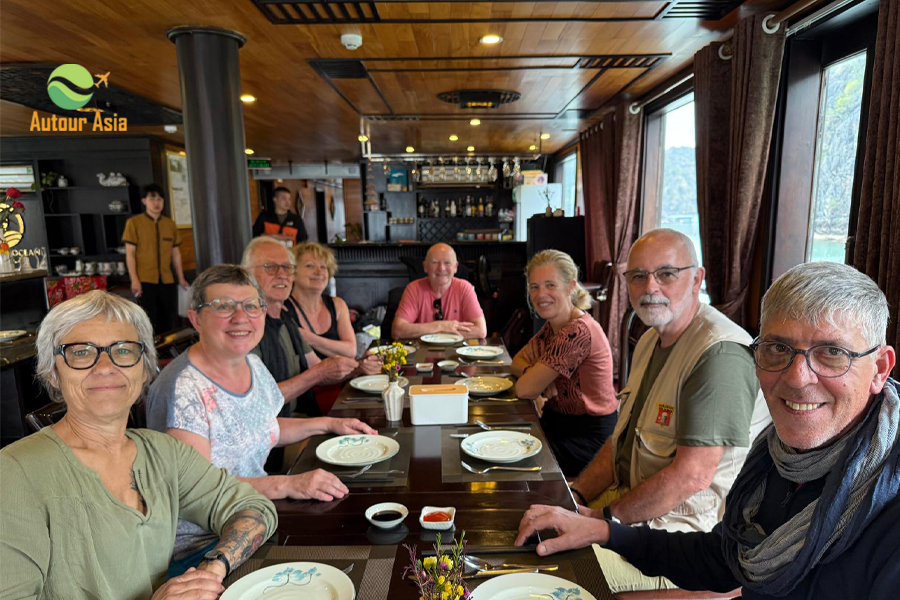
Our 23-day private tour with AutourAsia was fantastic! It was our third time booking with them, and they once again provided outstanding service. Ms. Van Le, our contact, was incredibly helpful and patient, even as we made several changes to our itinerary. She was available at all times and even assisted with our return flight issues.
We explored Vietnam and Laos extensively, and as picky travelers, we were thoroughly impressed. The company owner greeted us personally, adding a special touch to our trip, and our guides, Mr. Ping and Mr. Sang, were excellent.
If you're considering a trip to Indochina, I highly recommend AutourAsia. Great service and very reasonable prices!
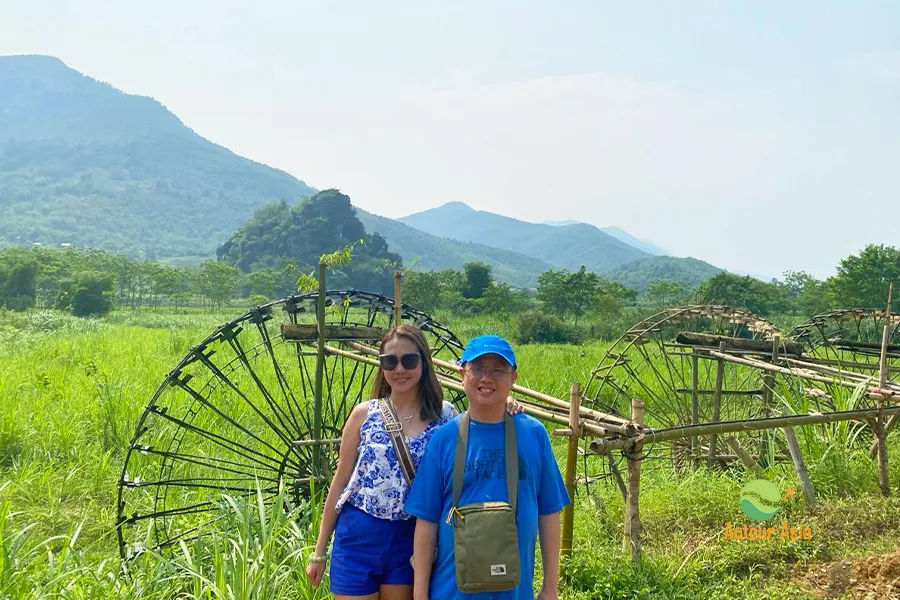
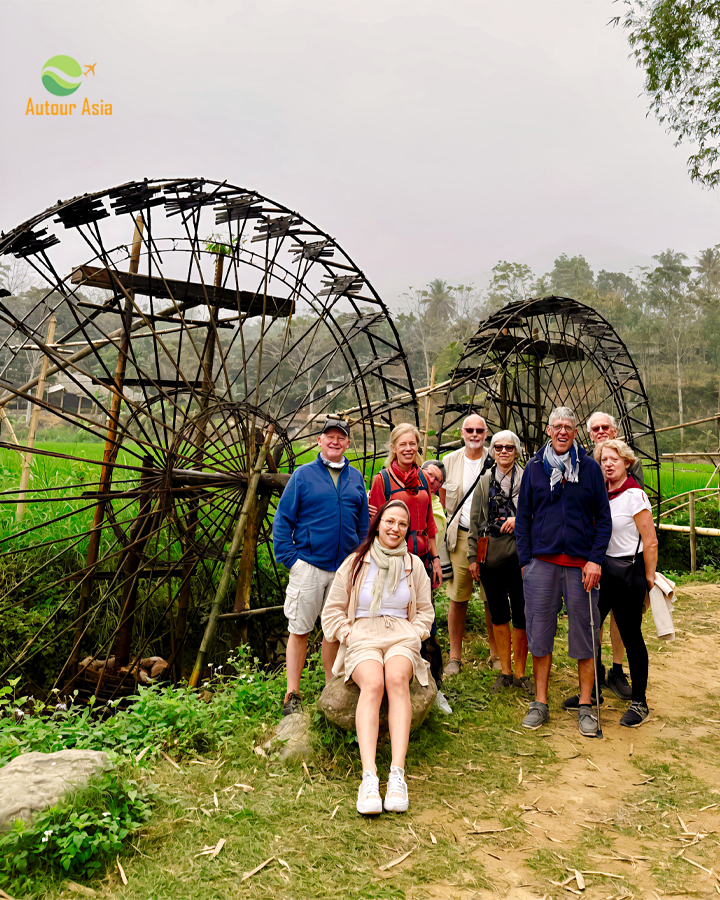
Water wheels in Pu Luong
Terraced rice fields in Pu Luong

Infinity pool in Pu Luong
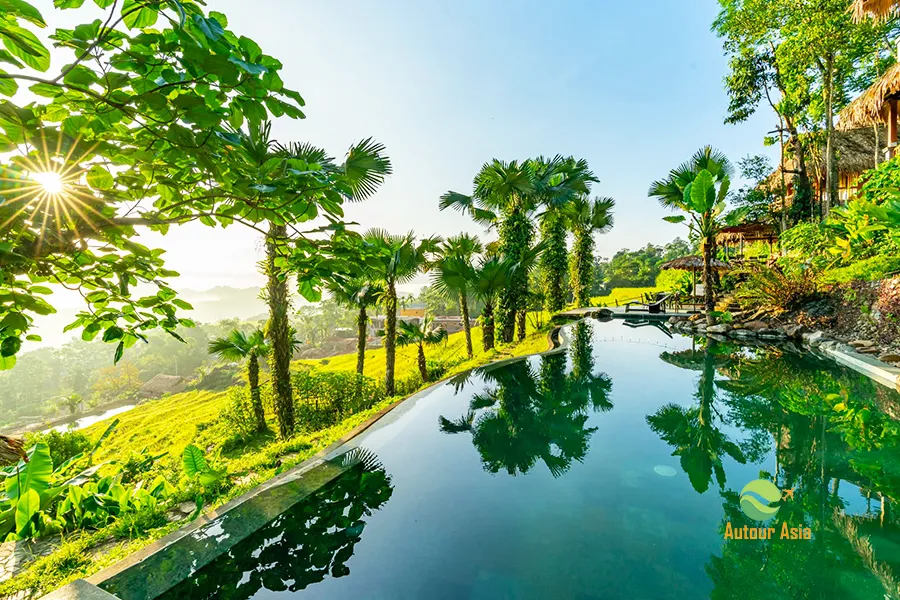
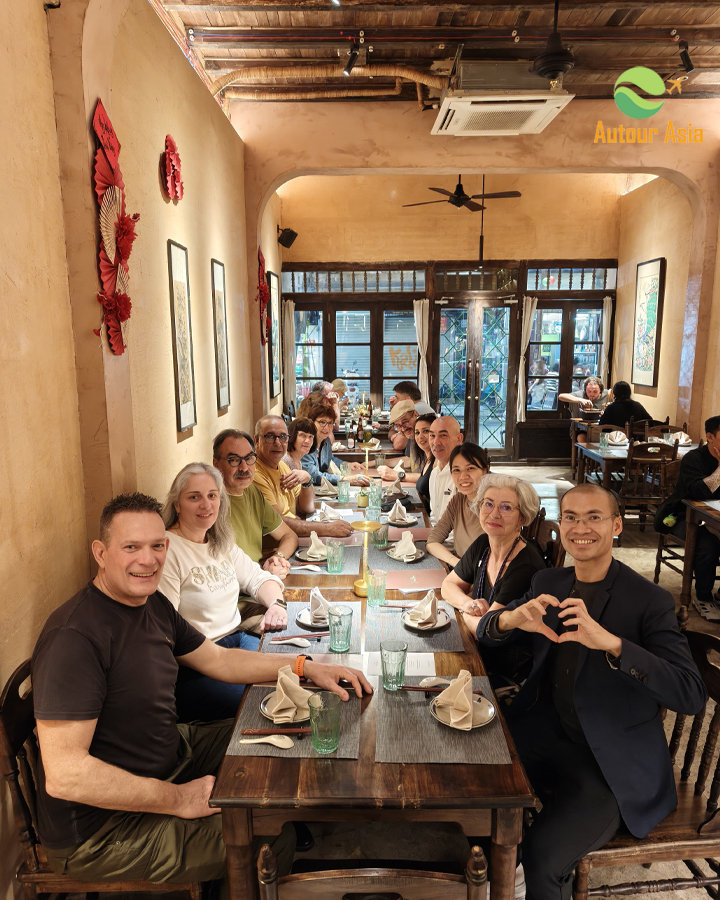
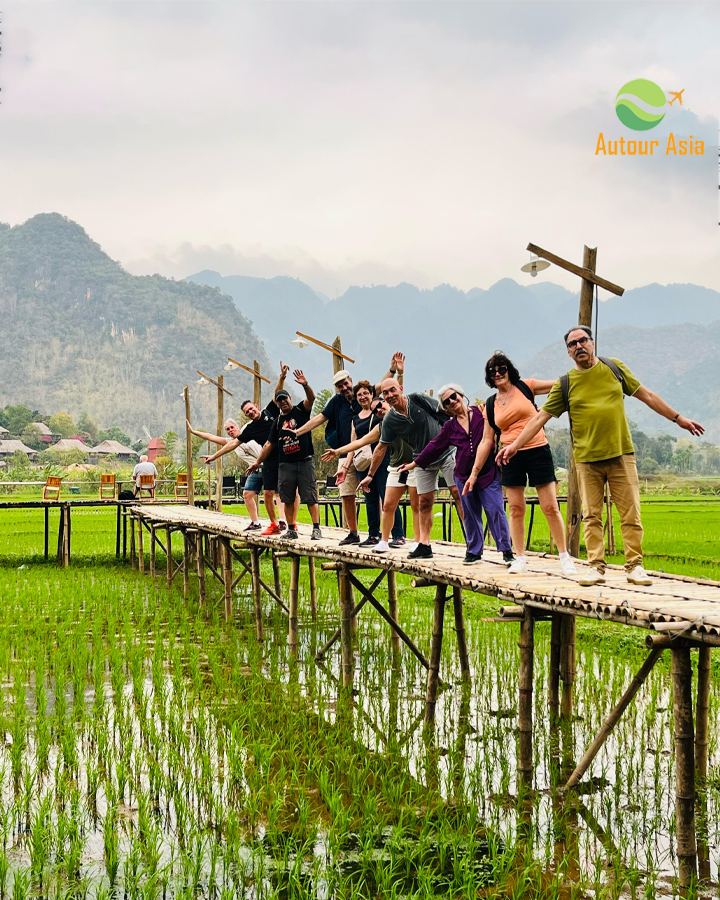
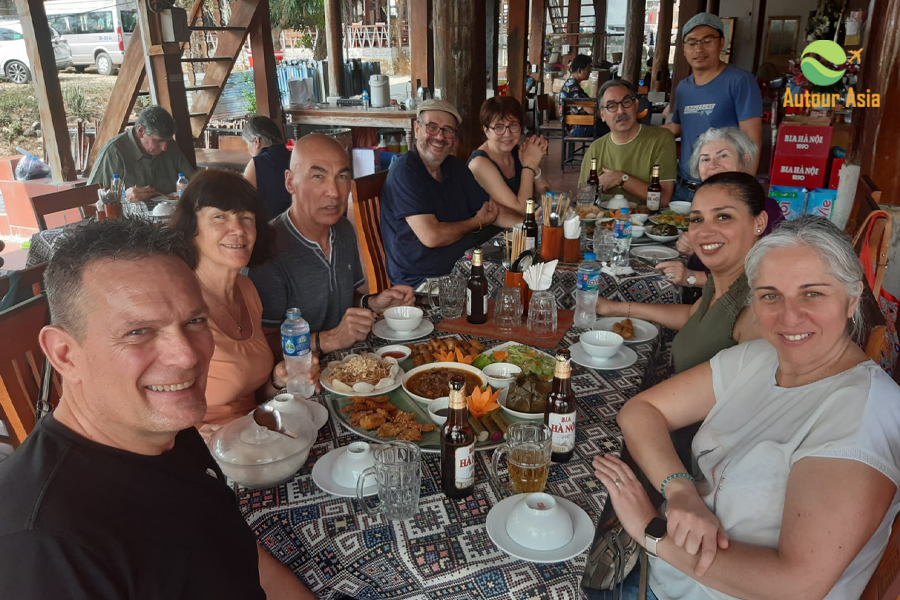
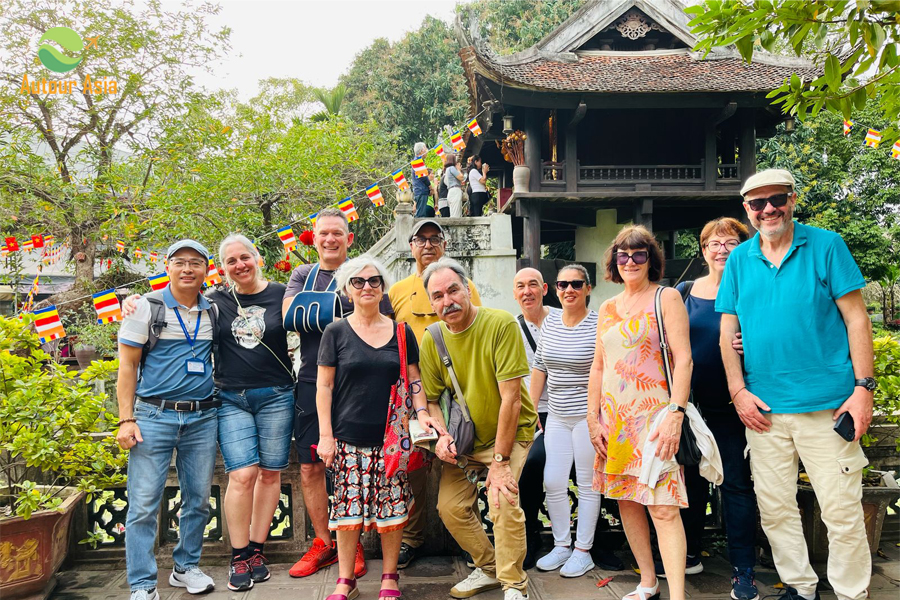
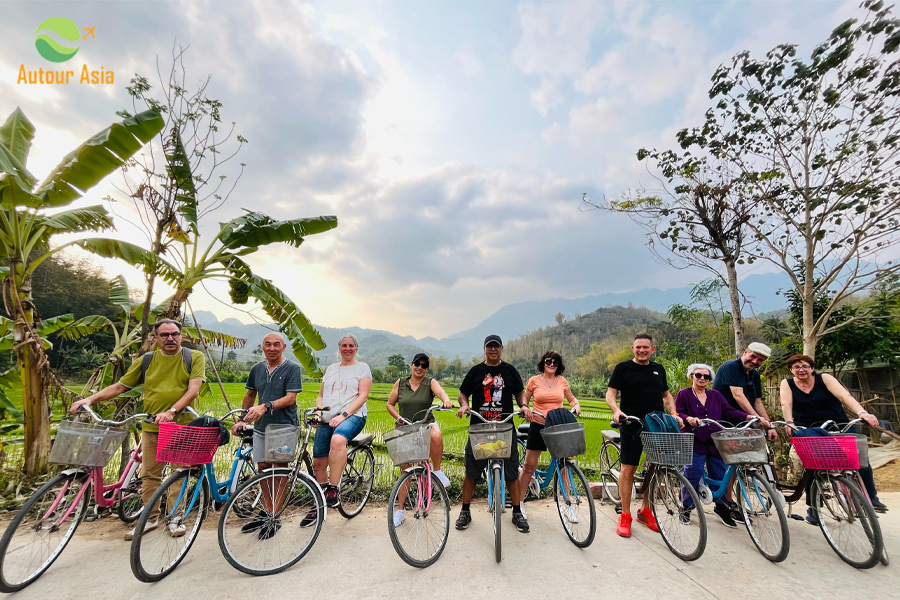

Our recent tour to Vietnam and Cambodia was truly exceptional, featuring a mix of visits to both well-known attractions and hidden gems off the beaten path. The entire experience was made memorable by the warm hospitality, attentiveness, and high quality of services provided throughout our stay.
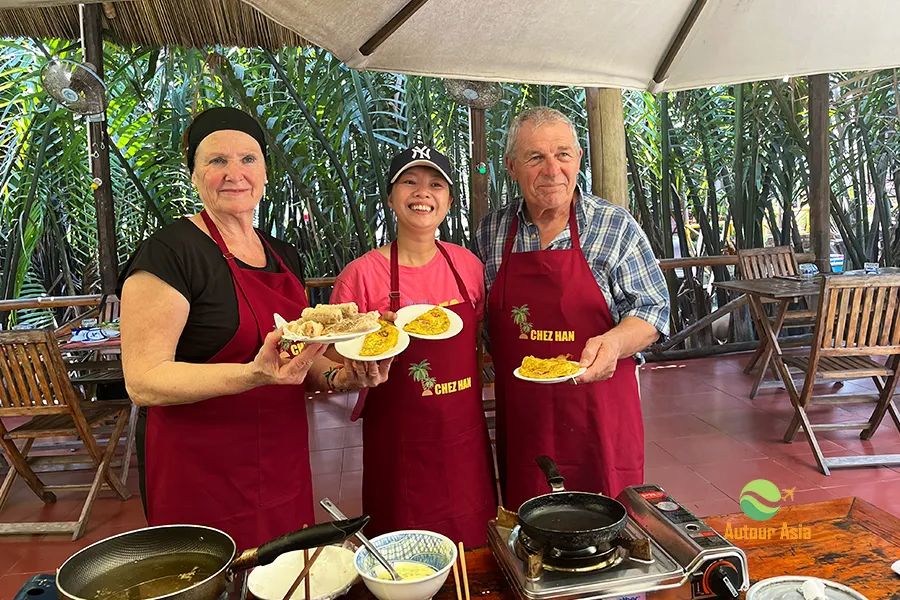
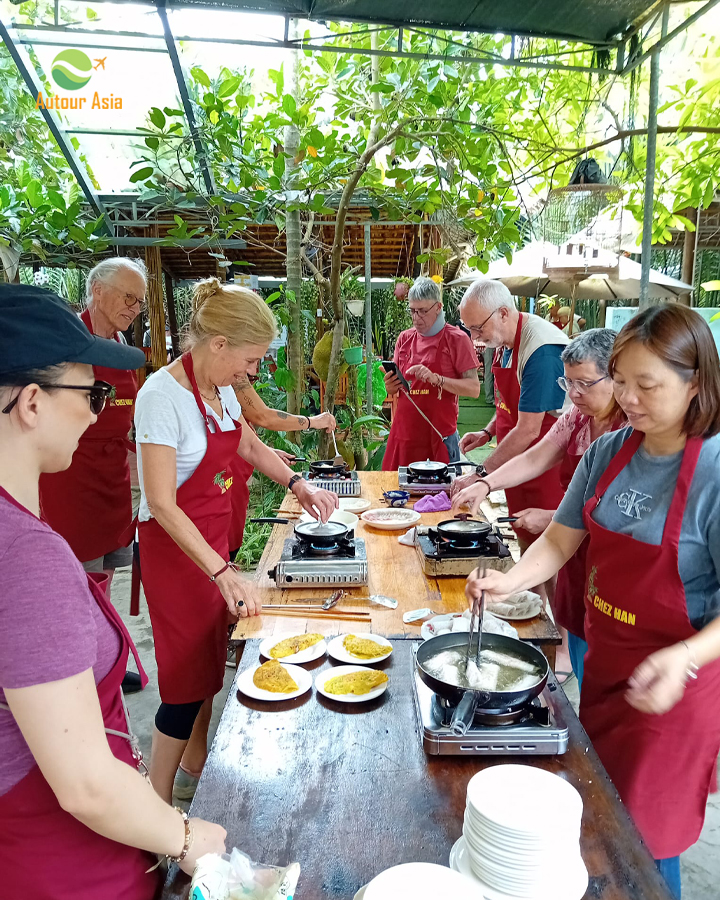
One highlight of our trip was the cooking class in Hoi An Ecotour, where we had the opportunity to learn how to prepare traditional Vietnamese dishes like Nem spring rolls and flower salad. The hands-on experience was both fun and educational, and it gave us a deeper appreciation for the local cuisine.
We wholeheartedly recommend this trip to anyone seeking an enriching travel experience. A big thank you to Mr. Duy, Ms. Van Le, and the entire AutourAsia team for their exceptional service and for making our stay so enjoyable.
Cooking class in Hoi An Ecotour
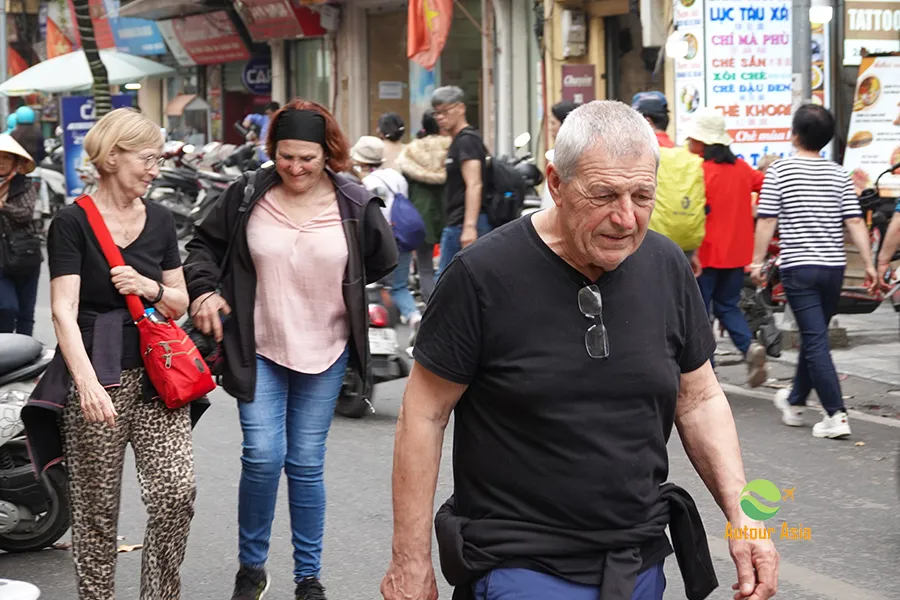
Hanoi city tour
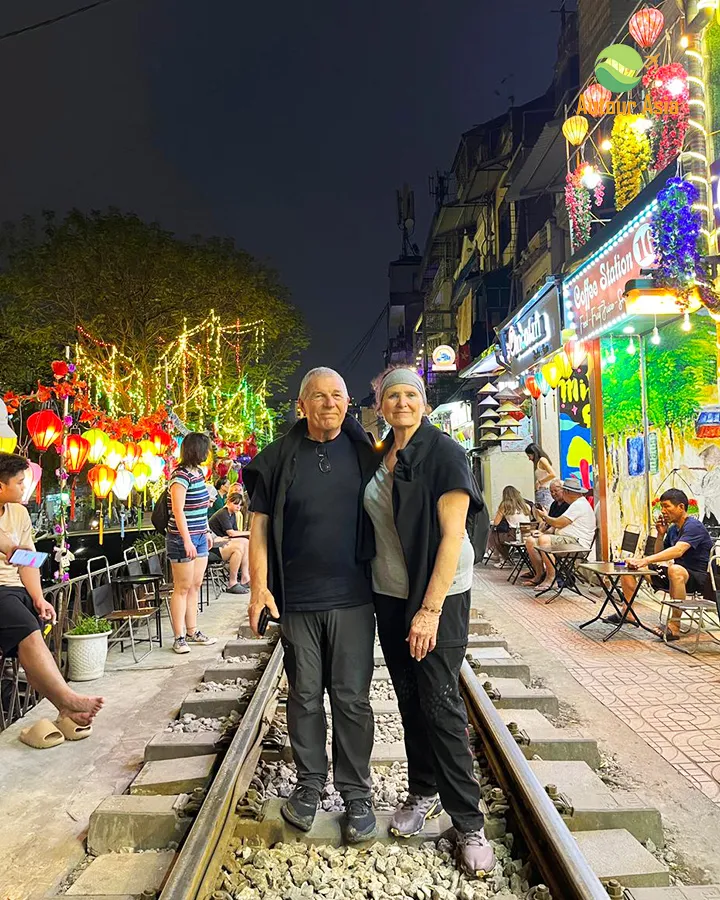
Train street in Hanoi
Autour Asia is highly recommended on


Your tailor-made trip, free quote within 24h
Travel guides and tips