Wat Phra Singh: Start your day by visiting Wat Phra Singh, one of the most revered temples in Chiang Mai. Wat Phra Singh is an ancient Buddhist temple located on Samlarn Road in Chiang Mai, Thailand. The temple was constructed in 1345 on the orders of King Pha Yoo, the fifth king of the Mangrai dynasty, with the purpose of housing the ashes of his father, King Kham Foo.

Wat Chedi Luang: Continue your temple tour with a visit to Wat Chedi Luang, known for its massive, partially ruined chedi (stupa) that once housed the Emerald Buddha. Wat Chedi Luang is a royal Buddhist temple located at 103 Phra Pok Klao Road, Phra Singh Subdistrict, Mueang District, Chiang Mai, Thailand. It was once considered the administrative center of the ancient Lanna Kingdom.

Thai cuisine is renowned for its rich and diverse flavors, skillfully blending sour, spicy, salty, and sweet elements. One of the signature dishes is Pad Thai, stir-fried noodles with shrimp, tofu, egg, and peanuts, often served with lime and chili powder. Tom Yum Goong is a tangy and spicy shrimp soup, prepared with a broth infused with kaffir lime leaves, lemongrass, and chili. Moreover, you can explore top specialities in Thailand.

The Sunday Walking Street Market in Chiang Mai is a bustling and colorful market held every Sunday evening on Ratchadamnoen Road in the Old City. It features a diverse range of stalls selling handmade crafts, textiles, jewelry, and unique souvenirs. The market is also a food lover’s paradise, offering an array of Thai street foods such as Khao Soi, Som Tum, and fresh fruit juices. Visitors can enjoy live music and street performances that add to the festive atmosphere.

Doi Suthep: Head to Doi Suthep, a mountain overlooking the city. Doi Suthepnis a sacred mountain and a major pilgrimage site in Chiang Mai, Thailand. Dominating the city skyline at 1,676 meters, it is home to Wat Phra That Doi Suthep, one of the most revered temples in Thailand. Visit Wat Phra That Doi Suthep, a stunning temple at the top, offering panoramic views of Chiang Mai. Wat Phra That Doi Suthep is a historic and revered Buddhist temple located on Doi Suthep Mountain in Chiang Mai, Thailand. Established in 1383, it is one of the country’s most important pilgrimage sites.

Doi Pui Hmong Village: Continue your journey to Doi Pui Hmong Village, where you can learn about the Hmong hill tribe culture and explore the village’s gardens. Doi Pui Hmong Village is a charming hill tribe village located in the Doi Suthep-Pui National Park near Chiang Mai, Thailand. This village is home to the Hmong people, an ethnic group known for their vibrant culture and traditional lifestyles.

Night Bazaar: Spend your evening at the Chiang Mai Night Bazaar, a bustling market where you can shop for souvenirs, handicrafts, and try more delicious Thai street food. The Night Bazaar Chiang Mai is located at the intersection of Loi Khro Road and Khlan Road. Unlike other markets in Chiang Mai, this market operates daily. It begins setting up around 5:30 to 6:00 PM and stays open until midnight. For a lively atmosphere, it’s best to visit around 8:00 or 9:00 PM.

Elephant Sanctuary: Visit an ethical elephant sanctuary where you can spend time with elephants in a responsible way. Learn about their care and conservation efforts while enjoying interactions with these majestic animals. Chiang Mai is home to several ethical elephant sanctuaries dedicated to the care and protection of rescued elephants. One notable example is the Elephant Nature Park, founded by Lek Chailert, which provides a safe haven for elephants rescued from abuse and exploitation. Visitors can feed, bathe, and learn about these majestic animals while supporting their rehabilitation.

Chiang Mai offers several delightful riverside dining options, perfect for enjoying both the local cuisine and scenic views of the Ping River. The Riverside Bar & Restaurant, located on Charoenrat Road, is a popular choice with its relaxed atmosphere and diverse menu featuring Thai and international dishes.

Relaxing Massage: End your day with a traditional Thai massage or spa treatment to unwind after your adventures. Thai massage is a traditional therapeutic practice that combines acupressure, stretching, and deep tissue techniques to enhance physical and mental well-being. Unlike typical massages, Thai massage is performed on a mat on the floor, with the recipient fully clothed in loose garments. The therapist uses their hands, elbows, knees, and feet to apply rhythmic pressure and perform a series of stretches.

If you wander what to do in Chiang Mai, 3 days is a perfect amount of time to spend in Chiang Mai. The city is filled with things to do from tranquil temples to fragrant street food markets. It’s one of the best ways to experience Thailand and truly captures the essence of ‘The Land of Smiles’. No matter how you choose to spend your trip to Chiang Mai, it will no doubt leave an indelible impression. This itinerary offers a balance of cultural exploration, nature, adventure, and relaxation, making your 3 days in Chiang Mai both memorable and fulfilling.
Whether you’ve already been or are considering visiting Chiang Mai, we hope our 3-day itinerary in Chiang Mai has inspired you to embark on your own adventure and discover the wonders this enchanting city has to offer. Check out our Thailand Travel Agence for more tips on how to spend your time away.


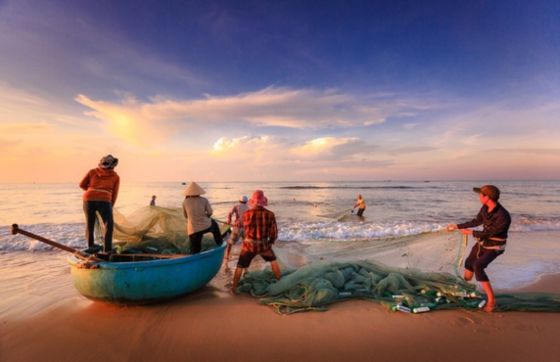
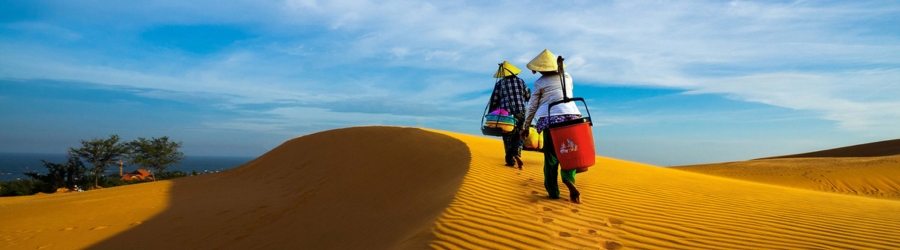
Phan Thiet, a coastal city in Binh Thuan Province, is best known for Mui Ne, an internationally renowned seaside destination. With its beaches, fishing villages, and desert-like sand dunes, the region offers a diverse range of landscapes rarely found elsewhere in Southeast Asia. In November, temperatures remain pleasant for exploring the coast, although occasional showers are still possible. Visiting Phan Thiet Mui Ne in November requires a little preparation to make the most of your stay. This complete guide covers the weather, must-see attractions, transportation options, and practical tips to help you plan your trip to Vietnam in November.
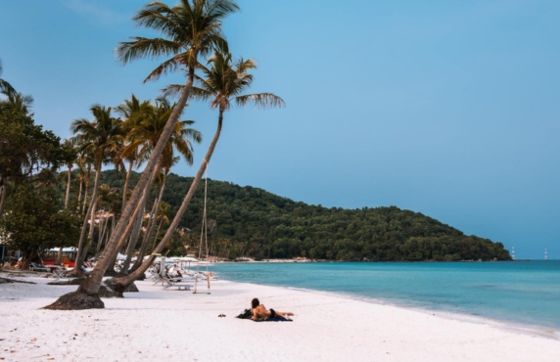
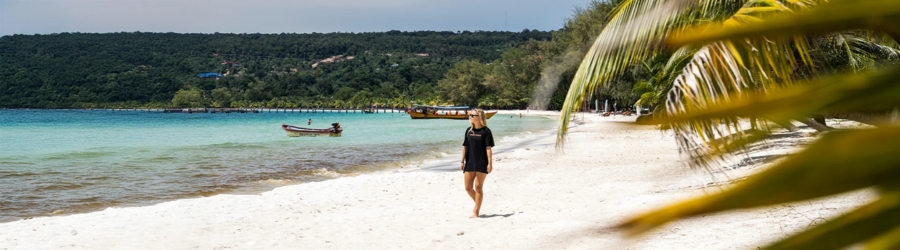
Vietnam’s beaches are best enjoyed at different times of the year, depending on the region. From the turquoise waters of the South to the long stretches of white sand in the Central region and tropical islands, each area has its own climate patterns. To better understand when to visit Vietnam, it is important to consider the weather conditions in each destination. The best time to visit beaches in Vietnam depends on region you choose as well as the activities you have planned. The best time to swim in Vietnam also varies according to rainfall, water temperature and sea conditions. Understanding the Vietnam beach season helps you choose destinations that match your travel dates and enjoy the coastline in good conditions.
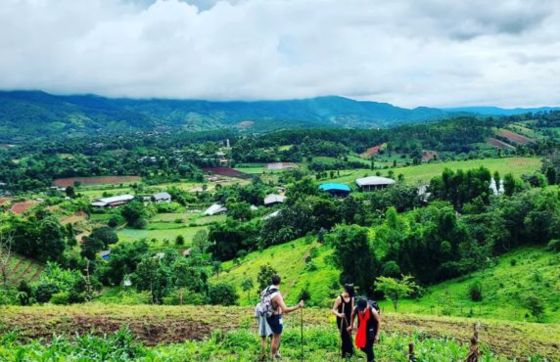
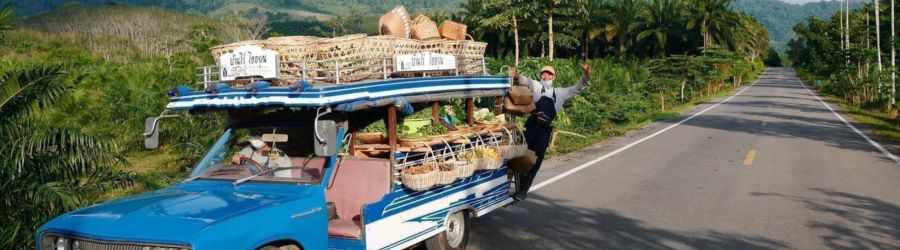
Discovering Thailand through its rice fields, plantations, and rural villages offers a different way to travel, far from traditional tourist circuits. But how can you choose the best agency for Thailand farm tours to enjoy authentic experiences with local communities? Several tour operators offer trips combining agriculture, gastronomy, and encounters with producers. Among them, Autour Asia is an option for travelers who want to personalize their itinerary. Known as Vietnam travel agency - Autour Asia, the company also offers tailor-made trips to several countries in Southeast Asia. With the local travel agency in Thailand - Autour Asia, travelers can explore a trip designed around their interests. Here are five organizations worth knowing, their distinctive features, and the essential criteria for planning a successful agricultural tour in Thailand.
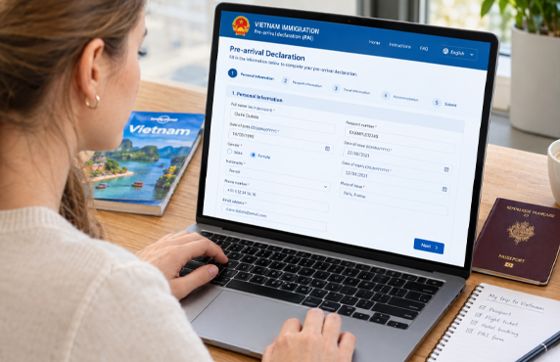
Planning a trip to Vietnam? Before packing your bags, take a few minutes to check the latest entry requirements and prepare the documents you may need at the airport.
Vietnam’s Pre-Arrival Information (PAI) system allows international travellers to submit selected personal, visa and travel details online before arriving in the country. After a successful submission, the system generates a QR code that travellers can save on their phones or print for use during immigration procedures. Although the online declaration is designed to help make arrival procedures smoother, travellers should understand when it applies, how to complete it correctly and which documents they still need to enter Vietnam.
In this practical guide, you will discover where to access the official PAI portal, what information to prepare, how to complete the declaration step by step, how to correct common mistakes and what to do when you arrive at the airport.
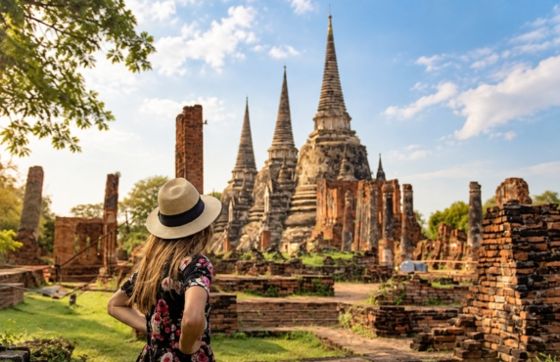
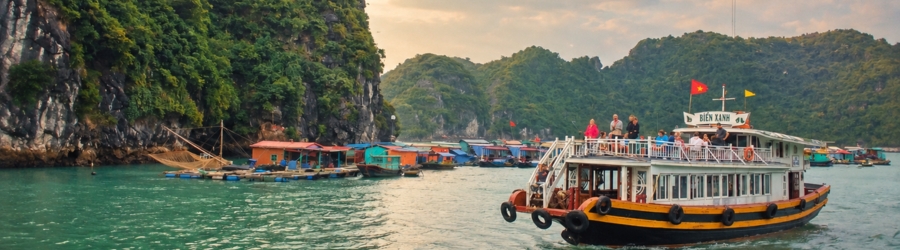
With its exotic landscapes, fascinating cultures and diverse experiences, Vietnam and Thailand are among the most popular destinations in Southeast Asia. However, safety remains an important criterion when planning your trip. So, how can you choose Vietnam or Thailand for a safe trip depending on the way you travel ? And is Vietnam safer than Thailand ? Each destination has its own characteristics and points to consider. In this article, Autour Asia helps you compare Vietnam and Thailand to better understand their differences and choose the destination that meets your expectations for your next trip to Asia.
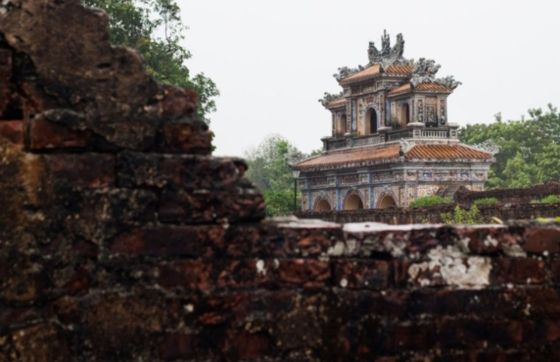
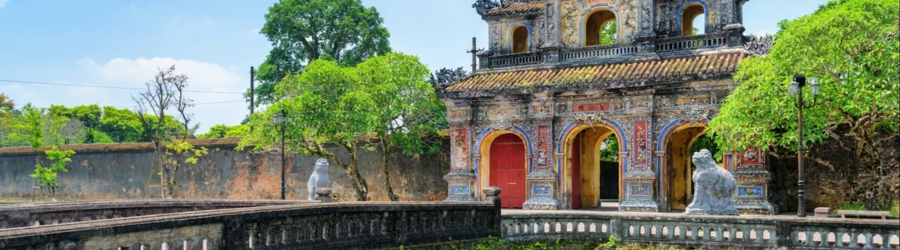
Planning a trip to Hue in November requires a little more flexibility than at other times of the year. Visiting Hue in November means experiencing the rainy season in central Vietnam, with prolonged showers and a risk of flooding. However, this period can also be an opportunity to explore the former imperial capital’s royal heritage, pagodas and renowned cuisine in a quieter atmosphere. The key is to choose your activities carefully, prepare alternative plans and check the weather conditions before setting out.
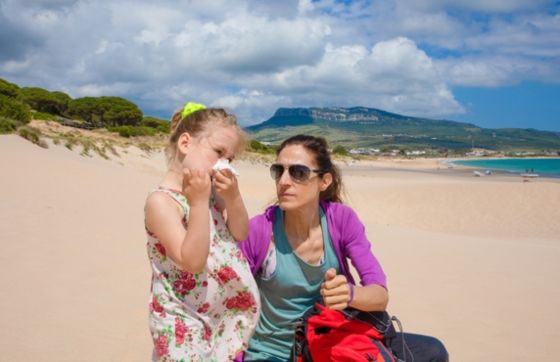
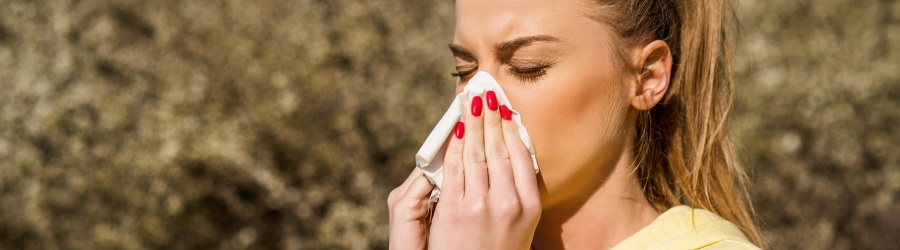
When travelling in Cambodia, some everyday habits may raise questions about local customs. Is blowing your nose in public considered polite? How should you behave in restaurants, on public transport or during a visit? These small details matter when you want to respect the local culture. Discover how to manage blowing your nose in Cambodia discreetly, along with practical tips on using tissues during your trip. Autour Asia, Cambodia travel agency, helps you discover local customs with advice tailored to travellers. From Cambodia travel etiquette to personal hygiene and everyday situations, a few simple guidelines can make your journey more comfortable. In Phnom Penh, Siem Reap or Kampot, understanding local customs helps you avoid awkward moments while making the most of your stay.
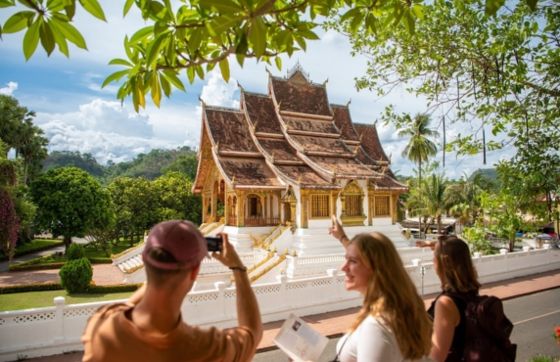
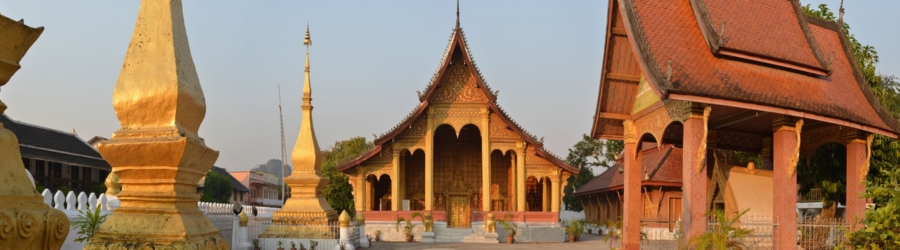
Blow your nose in Laos is not necessarily considered rude, but it is best to do so discreetly, especially in quiet places or during meals. If you have a cold, use a clean tissue and avoid blowing your nose loudly in public. In temples and other places of worship, respect the peaceful atmosphere and local customs. If you need to blow your nose frequently, step away from others for a moment whenever possible. Finally, dispose of used tissues in a rubbish bin. These simple habits will help you observe good manners during your trip to Laos.


 FR
 EN
