Customize this tour
FRFR ENEN
2 weeks in Vietnam 3 weeks in Vietnam 15 days in Vietnam
• 3,836 views Tra My

Visit Ta Prohm Temple In Angkor Complex When Travelling To Cambodia

I. Introduction General about Ta Prohm Temple

1. Some temple facts about Ta Prohm temple  

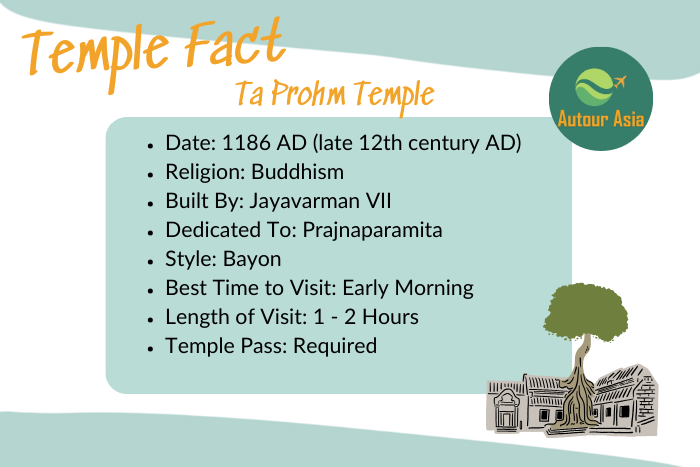
Rising from the Cambodian jungle, Ta Prohm temple whispers tales of ancient wisdom. Built in 1186 AD, this majestic temple once hummed with Buddhist life, dedicated to Prajnaparamita, the embodiment of knowledge. Today, nature reclaims its own, with towering trees and vibrant foliage embracing the timeworn stones. Explore this captivating tapestry of ancient grandeur and verdant wilderness, best experienced in the golden light of early morning. Remember, a temple pass unlocks this extraordinary journey.
Temple fact about Ta Prohm temple

2. Legend of Ta Prohm Temple 

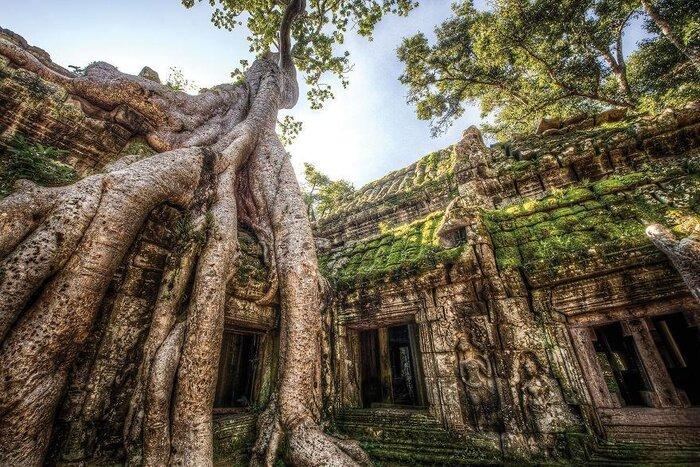
The Ta Prohm temple harbors a truly extraordinary phenomenon - tree roots that defy conventional growth patterns by descending from the air rather than emerging from the ground. According to legend, wild birds transported seeds to the temple, where they fell and found a conducive environment for germination. An even more strange thing is that tree roots grow without any rules, but they can avoid the faces of the statues, making people think spiritually. This uniqueness and mystery have attracted many domestic and international tourists to visit here.

3. The architecture of Ta Prohm 

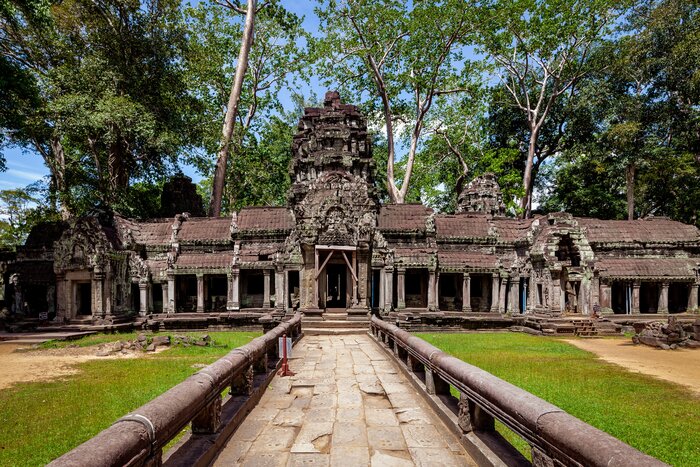
The layout of Ta Prohm in the Angkor complex is similar to the "flat" temple form of Khmer temples, with 5 rectangular walls surrounding the central sacred shrine. Like most Khmer shrines, Ta Prohm faces East. The entire temple area is 1,000m long and 650m wide is now covered with trees. The temple is a large architectural building with functional areas and separate courtyards. If viewed from above, the temple is located within a perpendicular rectangular wall, with two entrances to the temple from the East and West, most visitors go to the temple. enter from the west. Ta Prohm includes 3 separate areas and 39 large and small towers with hundreds of bas-reliefs carved into the walls of the temple, which are artistic sculptures that could be images of the goddess Apsara, but the pictures have so far remained unanswered.
The uniqueness of Ta Prohm's architecture

II. History of the Ta Prohm temple 

Rising from the heart of the Cambodian jungle, Ta Prohm Temple is an ethereal tapestry woven from ancient grandeur and verdant wilderness. Built in the late 12th century by the mighty Khmer King Jayavarman VII, it originally bore the name Rajavihara – "Monastery of the King." This vast complex flourished like a Mahayana Buddhist university, echoing with the sounds of chanting and the pulse of the pursuit of knowledge. Its walls are decorated with intricate decorative carvings that tell stories of Buddhist gods and myths. This is also the place to worship the Queen Mother (King Jayavarman VII's mother) and is a testament to the kingdom's devotion and the king's filial piety towards his revered mother.
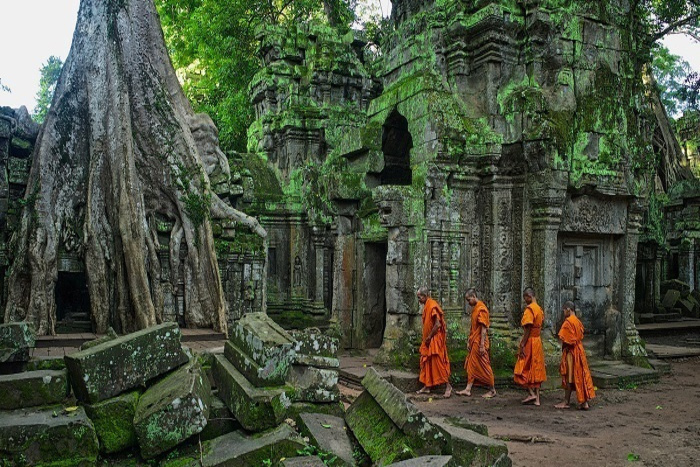
Nevertheless, with the decline of the Khmer Empire in the 15th century, the site completely changed. Rajavihara was deserted, succumbing to the inexorable embrace of nature. Towering kapok trees, their roots like ancient serpents, entwined with the sandstone, their emerald leaves shrouding the once-majestic edifice. Vines crept through decaying courtyards, and silence replaced the vibrant hum of monastic life. The jungle had reclaimed its own, transforming Rajavihara into a hauntingly beautiful tableau of ruins and foliage. 
Ta Prohm Temple in Angkor Complex
Centuries passed, and the Cambodia Ta Prohm seemed to be forgotten and not mentioned much anymore It wasn't until the late 19th century that it re-emerged from the verdant labyrinth, rechristened Ta Prohm – "Ancestor Brahma". This evocative name echoed with the temple's forgotten grandeur and its mystical aura. This architectural wonder has been declared a World Heritage Site by UNESCO, where history and nature coexist in breathtaking harmony.

III. What’s special about the Ta Prohm Temple in Cambodia?

1. Tung Tree Area 

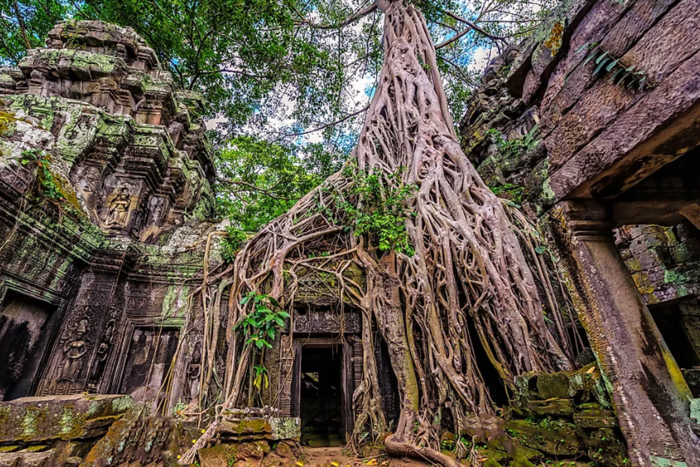
The Tung tree area is one of the most popular spots in Ta Prohm Temple, Angkor Wat, Cambodia. The area is named after the giant kapok trees (Ceiba pentandra) that have grown over the temple ruins, their massive roots enveloping the ancient stone structures in a dramatic display of nature's power.  The most famous of these trees is the "Tomb Raider Tree," named after its appearance in the 2001 film. The roots of this tree protrude and extend out of the eastern wall inside the temple, creating an impressive scene and is the most popular tourist attraction in the temple.
Tung tree area in Ta Prohm
The Tung Tree area is a fascinating place to explore and it's easy to see why it's one of the most popular spots in Ta Prohm. The combination of ancient ruins and towering trees creates a truly unique and atmospheric setting. Would you like to know more about the history of Ta Prohm or the kapok trees that grow there?

2. Knia Tree Area in Ta Prohm temple 

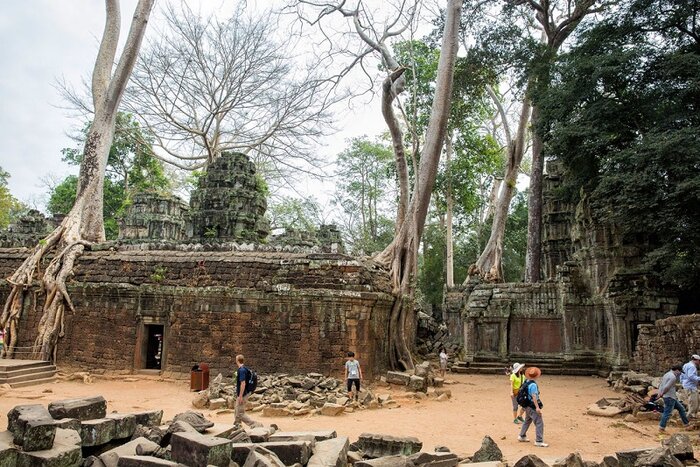
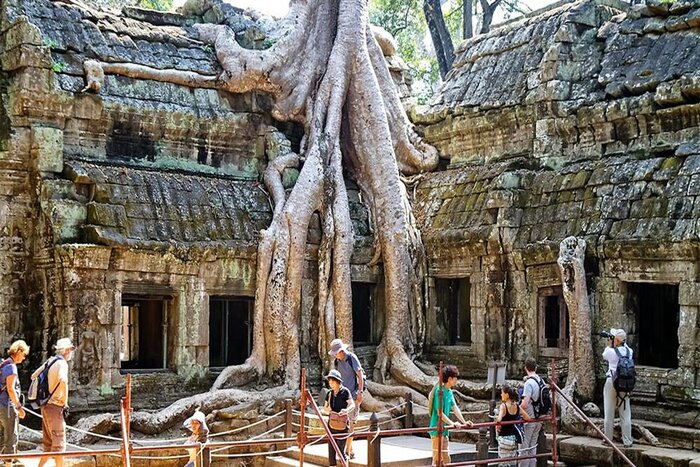
While the giant kapok tree dominates Ta Prohm's Tung Tree Area, another equally captivating scene awaits within the temple's eastern enclosure: the Knia Tree Area. Here, a colossal knia tree, known for its intricately woven aerial roots, reigns supreme. Its gnarled branches and roots stretch over ancient rocks, creating impressive canopies, making it impossible for visitors to take their eyes off them. But the special thing is that they grow away from the faces of the reliefs. The massive, tentacle-like roots twist and weave around the temple doorways and doorways, some even piercing through stone, their ancient resilience contrasting with the weathered grandeur of the ruins. This perfect combination of nature and history makes the Knia Tree Area a popular stop for all visitors who want to learn about Ta Prohm’s past.
Tourists visit the Knia tree area when traveling to Ta Prohm
Maybe you're interested: What to do in Siem Reap for 3 days? 

3. The scenery of the Tomb Raider Area in Cambodia Ta Prohm 

Stepping through the jungle-covered entrance of Ta Prohm in Cambodia, you not only enter an ancient temple but also enter a living, breathing landscape. Imagine towering gates covered with emerald vines, and sandstone faces carved with mysterious smiles. The air hums with the whispers of history and the calls of strange birds.
Cottonwood trees, their giant trunks like ancient snakes, their roots threading through crumbling walls and broken doorways. Fig trees, their aerial roots cascading like curtains of leaves, tower over crumbling towers and overgrown galleries.  This is the scene that captivated Lara Croft and the world in the 2001 movie “Tomb Raider.” Every corner seems to contain a forgotten secret. It is seen as an adventurer's destination, a photographer's paradise, and a reminder that even in the ruins of empires, beauty and wonder can still exist.
Ta Prohm temple - the scenery of the Tomb Raider film

4. Central Sanctuary

The main hall of Ta Prohm temple in Cambodia is a large hall located in the center of the temple built in the 12th century by King Jayavarman VII, initially dedicated to worshiping Mahayana Buddhism. It is built in the classic Khmer architectural style, with a high pyramidal dome in the center and surrounded by four high walls, about 50 meters long and about 40 meters wide. 
Inside the main hall, there is a tall stone pillar in the center, called a linga. Linga is a symbol of Shiva, one of the supreme gods of Hinduism. In addition, visitors can admire the elaborate carvings on the walls and stone pillars, often depicting images of Buddha, Hindu gods, and scenes of ancient Khmer people's lives. 
Central Sanctuary of  Ta Prohm temple
In particular, the main hall of Ta Prohm temple also has a large stone Buddha statue, about 3 meters high. This statue is meticulously carved, with soft and delicate lines. However, the main hall of Ta Prohm temple is also the place most heavily damaged by time and nature. The walls and stone columns were covered with moss, and many of the carvings were damaged. However, the main hall of Ta Prohm in the Angkor Complex is still one of the most attractive attractions of the Angkor Complex. The temple bears the mark of time and nature

IV. Some useful notes for your travel to Ta Prohm  

  • Respect the relic: Follow the rules and guidelines to preserve the site. Avoid touching or climbing on the temple structures, and respect any roped-off areas. 
  • Tips: The best time to visit Ta Prohm is early in the morning or late in the afternoon when the crowds are smaller. If you want to avoid the crowds altogether, you can visit during the rainy season (May to October). However, it is important to be aware that the temple can be slippery when it is wet.
  • Nearly attraction: After visiting Ta Prohm, explore other nearby temples in the Angkor complex, such as Angkor Wat, Bayon, and Banteay Kdei.
  • Smart choice: Wear comfortable clothing and sturdy footwear suitable for walking and climbing. Carry water, sunscreen, and insect repellent, especially during the hot and humid months.
In conclusion, Ta Prohm is a place where history and ecology intertwine, creating a landscape of breathtaking beauty and haunting mystique. So, if you seek a glimpse into the soul of Angkor, look beyond the grand avenues and towering spires. Venture into the embrace of the jungle, and let Ta Prohm transport you to a world where time stands still and nature reclaims its own. With the information suggested above, Autour Asia believes that you will have the best preparation for your trip. Hope your trip will be wonderful.
You might be attracted to this: 

>>> Siem Reap Travel Guide 
>>> Cambodia adventure tours
>>> Cambodia Packages Tours 
>>> Please contact AUTOUR ASIA, best travel agency in Asia 
0.0
No reviews yet
Share this article
Author:Tra My

Leave a comment

Your email address will not be published.

Related articles

What To Do On A Weekend Farm Tour In Cambodia?
8 October 2026 434 views

What To Do On A Weekend Farm Tour In Cambodia?

Noah Places to visit & things to do
Leave the big cities behind and find peace among the rice fields

After exploring Angkor’s temples, bustling markets and the streets of Phnom Penh, Cambodia can also be discovered through its countryside. A weekend farm tour in Cambodia offers a chance to slow down and experience a rural way of life that remains closely connected to the land, the seasons and the harvest. Depending on the region, you may take part in farm activities, cook with a local family or follow rural paths between rice fields and orchards. This countryside escape is ideal for couples and families looking to experience Cambodia beyond the usual tourist routes. To make travel easier and choose an experience suited to your needs, a Cambodia travel company can also incorporate this rural immersion into a more comprehensive itinerary.

Which Hanoi Walking Tour Is The Best To Choose?
7 October 2026 860 views

Which Hanoi Walking Tour Is The Best To Choose?

Noah Places to visit & things to do

Discover which Hanoi walking tour to choose

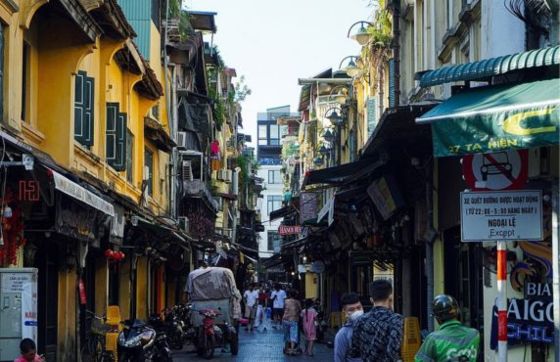
In Hanoi, walking is not just a way of getting around: it is one of the best ways to experience the rhythm of the capital. Between the bustling shopping streets of the Old Quarter, colonial-era façades, shady lakes and street food stalls, each area has its own atmosphere. But which Hanoi walking tour should you choose if you have half a day, a full day or just a few hours? This guide presents five ways to explore the city, from Hoan Kiem Lake to Long Bien Bridge, via Truc Bach and Hanoi’s food districts. Heritage, photography, gastronomy or local life: everyone can find a route that suits them. To plan a more comprehensive trip, the Local travel agency in Hanoi - Autour Asia can also help you incorporate Hanoi into the other stages of your itinerary.

The Best 3 Weeks In Vietnam Itinerary With Beaches - Our Travel Guide
18 September 2026 1,368 views

The Best 3 Weeks In Vietnam Itinerary With Beaches - Our Travel Guide

Noah Places to visit & things to do

The best 3 weeks in Vietnam Itinerary with beaches - Our travel guide

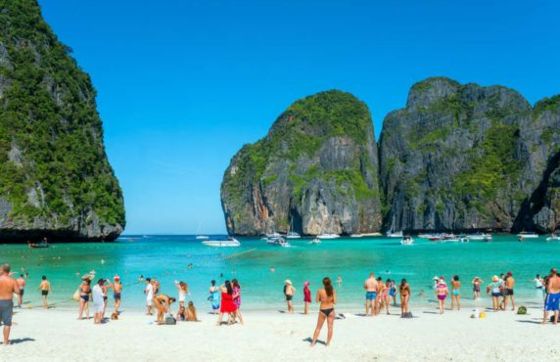
A 3 weeks in Vietnam with beach itinerary allows you to combine cultural discoveries, natural landscapes, and a few days of seaside relaxation, without turning the trip into a succession of transfers. In 21 days, it is possible to start in Hanoi, discover Ha Long Bay or Lan Ha Bay, continue to Hue and Hoi An, then head south before ending with a beach destination suited to the season. But where should you go to the beach in Vietnam? The answer depends mainly on the time of year: Phu Quoc is particularly suitable during the dry months in the South, while Da Nang, Hoi An, or Quy Nhon are good options during part of the year. To build a coherent itinerary, the Vietnam travel agency - Autour Asia can also adapt the stops to each traveler's pace and preferences.
Visiting The Hanoi Opera House In Vietnam
15 September 2026 1,252 views

Visiting The Hanoi Opera House In Vietnam

Phuong Tran Places to visit & things to do

Visiting the Hanoi Opera House in Vietnam

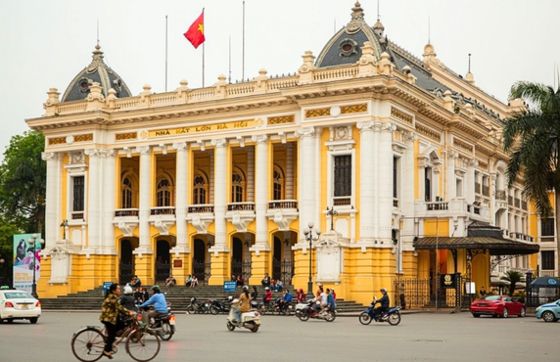
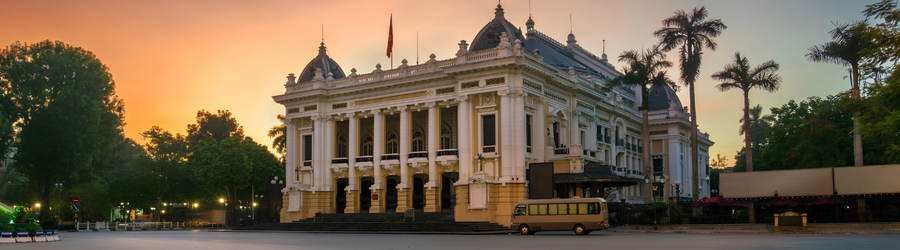
Located in the heart of Vietnam’s capital, the Hanoi Opera House is one of the city’s most iconic cultural and architectural landmarks. Built during the French colonial period, this elegant building has become an essential stop for travelers interested in Hanoi’s history and performing arts. But what can you actually see during a visit? Is visiting Hanoi Opera House possible without attending a show, and is a Hanoi Opera House tour worth adding to your itinerary? In this guide, discover the history, architecture, cultural significance and practical information you need to make the most of your visit to the Hanoi Opera House Vietnam.
Vietnam Or Cambodia? Which Destination To Pick And Why?
12 September 2026 1,019 views

Vietnam Or Cambodia? Which Destination To Pick And Why?

Noah Places to visit & things to do

Vietnam and Cambodia offer two very different experiences

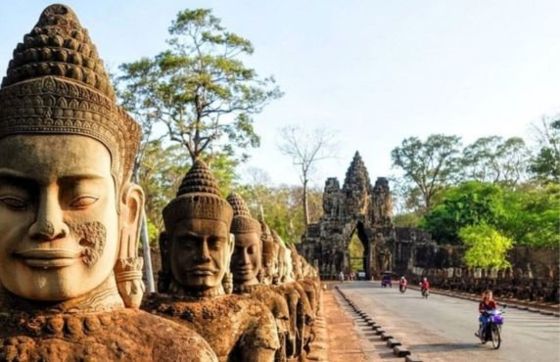
Choosing between Vietnam or Cambodia for a first trip to Southeast Asia can seem difficult, as both countries offer a rich culture, renowned cuisine and highly diverse landscapes. However, the travel experience is quite different. Vietnam is particularly suitable for travelers who want to combine major cities, heritage, nature, gastronomy and beaches during the same trip. Cambodia is more appealing to those interested in Khmer heritage, iconic temples and a more peaceful atmosphere in certain regions. To determine the best destination to travel to between Cambodia and Vietnam, you should therefore mainly consider the length of your stay, the type of travel experience you are looking for and the regions you wish to discover. With Vietnam travel agency - Autour Asia, you can also create an itinerary combining several experiences without unnecessarily multiplying your journeys.
Where To Visit Southern Cambodia With Family?
12 September 2026 1,167 views

Where To Visit Southern Cambodia With Family?

Noah Places to visit & things to do

A family discovers the southern coast of Cambodia

Traveling with children in southern Cambodia makes it easy to enjoy a variety of experiences: peaceful small towns, tropical landscapes, beaches, islands, local markets, and nature discoveries. To know where to visit Southern Cambodia with family, however, it is better not to include too many stops. Kampot, Kep, and the islands of Preah Sihanouk Province offer complementary atmospheres, with family-friendly activities and plenty of opportunities to relax. The choice mainly depends on the children’s age, your preferred pace, and the season. In this guide, we offer a balanced itinerary and practical ideas for organizing your stay, with advice from Cambodia travel company - Autour Asia to help you enjoy southern Cambodia without turning your holiday into a race against the clock. 
How Does Agritourism Impact Rural Thailand And Local Communities?
10 September 2026 884 views

How Does Agritourism Impact Rural Thailand And Local Communities?

Noah Places to visit & things to do
New agritourism trends in Thailand offer a different way to travel

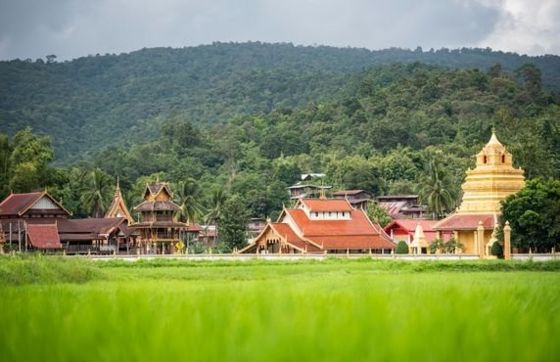
When we think of Thailand, the first images that often come to mind are temples, lively markets, tropical islands, or the beaches of the south. Yet, the country has another, more discreet side that is deeply connected to its identity: its countryside and agricultural heritage. Today, agritourism trends are attracting travelers looking for authentic experiences, closer to nature and local communities. To discover this different side of Thailand, a Thailand travel company can include rural stops in a classic itinerary. It is a great way to slow down, taste local products, and understand the daily life of local communities. 

Is Hoan Kiem Lake Worth Visiting In Hanoi?
3 September 2026 1,052 views

Is Hoan Kiem Lake Worth Visiting In Hanoi?

Noah Places to visit & things to do
Hoan Kiem lake, the peaceful heart of Hanoi

In the heart of Hanoi, some places tell the story and spirit of the Vietnamese capital better than others. Hoan Kiem lake is certainly one of them. Surrounded by trees, historic monuments and lively streets, it is a meeting point between heritage, traditions and daily life. A walk around the lake also allows visitors to experience the unique rhythm of Hanoi, from early-morning tai chi sessions to family walks and the lively atmosphere of the weekend. For travelers who want to discover the capital in a different way, this iconic site deserves a place in any itinerary planned by a Vietnam travel agency. But what is really hidden behind this famous lake? 

Hanoi, Vietnam
Satisfied more than expected
Phone & WhatsApp+84 971 33 77 08
Hanoi, Vietnam
Hanoi, Vietnam
MAY Place, 38/11 Hoang Cau, O Cho Dua Ward, Hanoi
Ho Chi Minh City, Vietnam
103/2 Tran Thai Tong, Tan Son Ward, Ho Chi Minh City
Siem Reap, Cambodia
007 Merry, Svay Dangkhum
Contact us WhatsApp Customize this tour