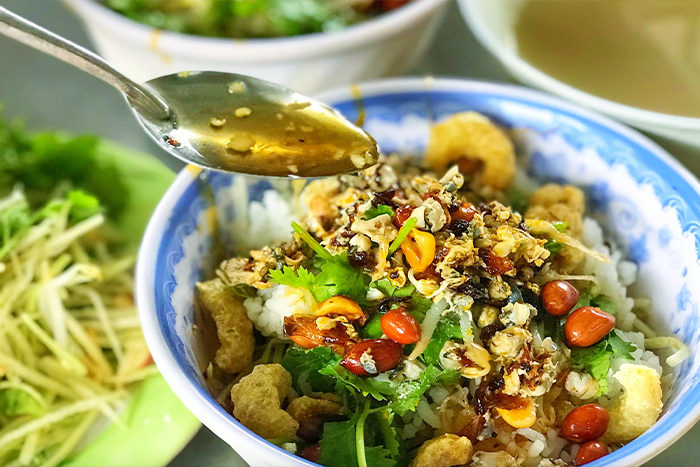
This unique delicacy calls for the use of cold rice, creating an intriguing contrast. The combination of chilled rice and succulent mussels is a magnet for culinary enthusiasts, with the pinnacle of mussel rice mastery believed to reside on Hen Islet. To complete the symphony of flavors, a steaming broth infused with ginger is poured over the dish. This fragrant soup bathes the mussel rice, infusing it with an irresistible aroma. The complexity of mussel rice extends to the extensive list of accompanying ingredients, ranging from chili, rice paper, and roasted salt to peanuts, sesame seeds, and even dried pig skin.
The lingering essence of shrimp paste and a hint of spiciness leave a lasting impression on diners long after the last mouthful. For those who crave an extra kick, fresh chili is readily available, allowing enthusiasts of mussel rice to fully savor the multifaceted flavors.
Mussel rice Hue (Com Hen Hue) stands as a testament to Vietnamese culinary ingenuity, captivating palates with its harmonious blend of textures and tastes. Embrace the captivating allure of this delicacy, and allow the enchanting world of mussel rice to transport you to new realms of culinary delight.
Some recommended addresses:
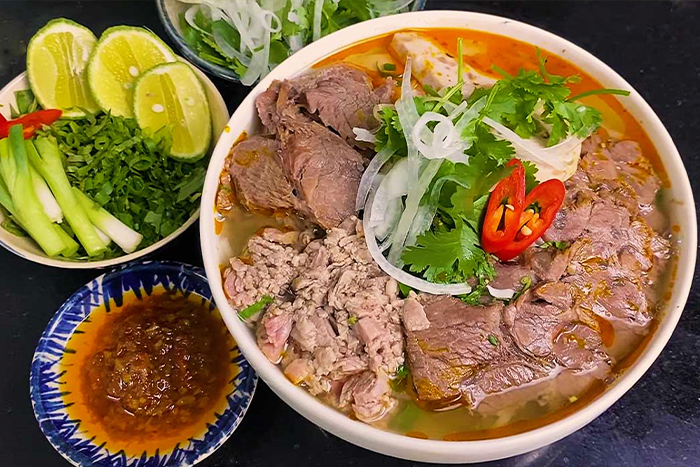
Originating from the historic city of Hue, Vietnam's former capital, this particular noodle dish has gained widespread recognition. Referred to as "bún bò Huế" (Hue beef noodle soup) outside of Hue and in certain parts of Central Vietnam, it proudly carries the name of its birthplace. However, within Hue and its neighboring areas, it is simply known as "bún bò" (beef noodle soup).
The soul of this iconic dish lies in its meticulously prepared broth. Beef bones and shank are simmered together with lemongrass, infusing the liquid with rich flavors. To achieve the perfect balance, fermented shrimp sauce and sugar are added, elevating the taste profile to new heights. As the cooking process unfolds, a fiery chili oil is introduced, imparting a pronounced spiciness that sets it apart.
Hue beef noodle soup showcases an array of delectable ingredients. Thin slices of marinated and boiled beef shank grace the dish, along with tender chunks of oxtail and succulent pig's knuckles. This beloved noodle soup stands as a testament to Hue's gastronomic legacy, delighting locals and visitors alike. Its complex flavors and textures are a true reflection of the city's rich culinary heritage. Prepare to embark on a flavorful journey as you savor each spoonful of this iconic Hue beef noodle soup, a masterpiece that encapsulates the essence of Vietnamese cuisine.
Some recommended addresses:
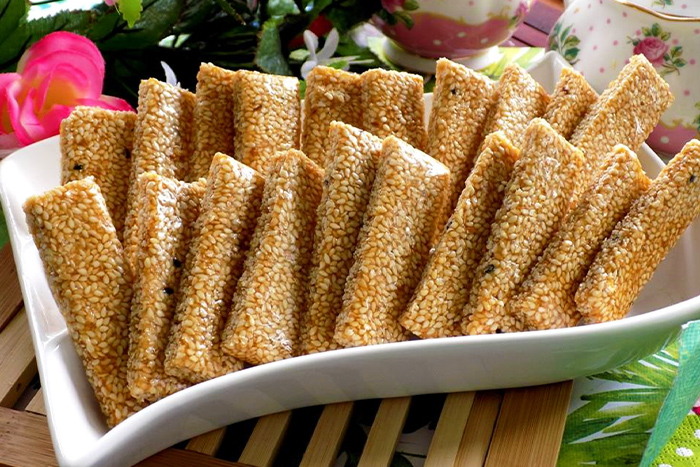
The Vietnamese name for sesame candy, "me xung," derives from "me" (sesame) and "xung" (a method of cooking). However, the locals of Hue do not perceive it merely as candy. Instead, it holds a distinct significance in their cultural traditions.
For the locals of Hue, savoring Hue sesame candy is an art form. In times past, it was customary to enjoy sesame candy alongside a cup of Tinh Tam lotus blossom-infused tea, creating an elegant and harmonious experience. In bygone days, individuals would often indulge in sesame candy while engrossed in reading or contemplating life, a special habit eloquently captured in the poem "Sesame Candy Chewing and Singing". Known for its delicate texture, Song Hy sesame candy was rumored to have been exported to Paris and Hong Kong, drawing comparisons to French chewing gum. As the number of tourists from near and far flock to Hue, an increasing number of families have started producing and selling sesame candy.
Some recommended brands:
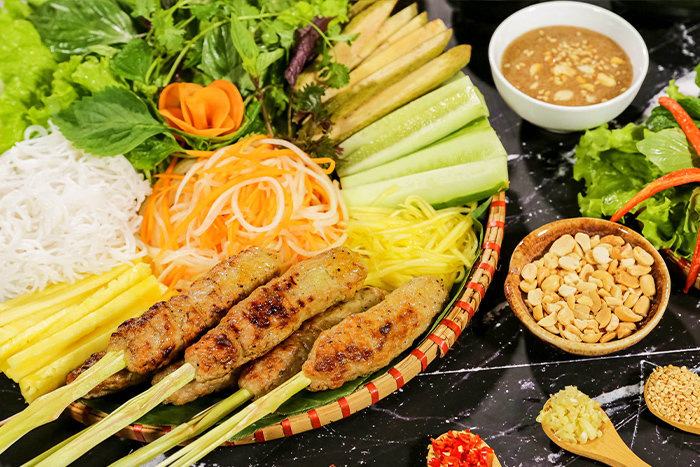
Lemongrass skewers (nem lụi Huế) are not exclusive to Hue but can be found in various regions. However, the distinct and exceptional taste of lemongrass skewers in Hue sets them apart, creating a unique and captivating culinary experience. Once you have the opportunity to savor them, you are bound to develop a deep fondness for this delightful dish. Hue Lemongrass Skewers are crafted from familiar ingredients. However, through the ingenious use of special spices and the culinary expertise of the locals, this dish becomes even more alluring and exceptional.
While Hue Lemongrass Skewers are already delicious on their own, it is the accompanying sauce that elevates them to new heights of flavor and renown. The sauce is meticulously prepared, combining pureed peanuts, fish sauce, pork, minced liver, and a touch of lemon and chili. The result is a lusciously thick, rich, and fragrant sauce, balancing the perfect harmony of sourness, spiciness, saltiness, and sweetness.
Of course, no lemongrass skewer feast is complete without the accompaniment of raw vegetables and pickled vegetables. The selection of vegetables served alongside Hue lemongrass skewers is diverse, ranging from star fruit, cucumber, and green bananas to figs and lettuce. The pickled vegetables, crafted from flavorful and delicious papaya, offer a delightful balance of sweetness and tanginess.
Indulging in Hue Lemongrass Skewers is not just a meal; it is an experience that tantalizes the senses and celebrates the artistry of Hue's culinary heritage. The meticulous preparation, unique flavors, and vibrant accompaniments all come together to create a truly unforgettable dining experience.
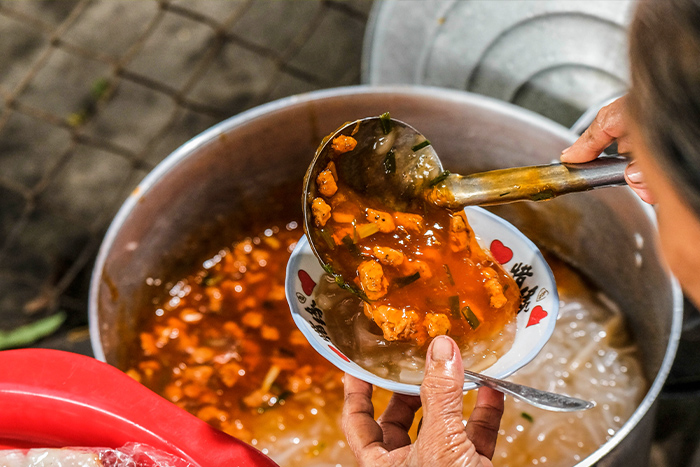
Hailing from the picturesque Nam Pho village in Phu Vang district, Nam Pho Banh Canh Hue is a time-honored specialty that has captured the hearts and palates of Hue locals and visitors alike. This beloved dish showcases a harmonious blend of rice flour and filtered flour, meticulously combined to achieve a soft and chewy texture that delights with every bite. The vibrant colors of red and pink shrimp beautifully contrast with the verdant flecks of scallions, adorning a bowl of Nam Pho Banh Canh, while a rich and hearty broth completes the sensory experience.
The magic of Nam Pho Banh Canh lies in its meticulous preparation and the careful selection of ingredients. The rice flour and filtered flour are skillfully proportioned to create the perfect balance of texture, ensuring a satisfying chewiness that lingers on the palate. The star of the dish is the succulent shrimp, boasting a vibrant hue that adds visual allure to the bowl. The delicate green of the scallions brings a refreshing touch, harmonizing with the flavors and enhancing the overall presentation.
The heartwarming soup, robust and flavorful, ties all the elements together, enveloping the noodles and toppings in a savory embrace. This bowl of Nam Pho Banh Canh is typically accompanied by spring rolls and a selection of complementary fillings, creating a well-rounded and satisfying meal that showcases the finest quality ingredients.
Some recommended addresses:
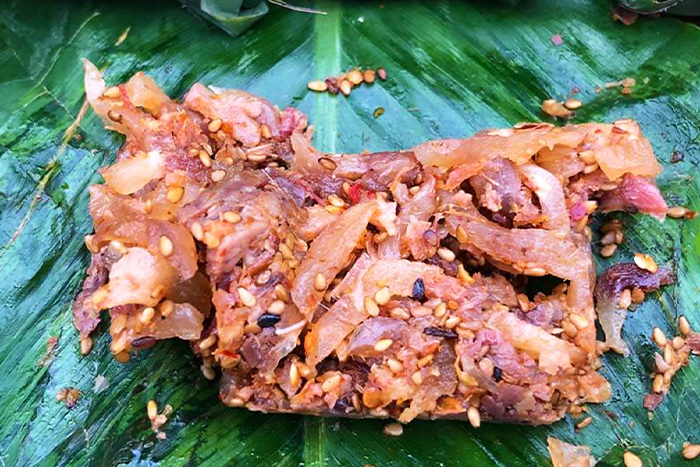
Tre Hue (Hue fermented pork sausage), a delightful specialty of Hue, holds a unique place in the culinary landscape, akin to the renowned spring rolls of the South. However, its taste is unlike any other. Tre Hue showcases the perfect blend of two delectable types of meat: pork and beef, prepared in the distinct and delightful Hue style.
Similar to spring rolls and rolls, Tre Hue is crafted from animal-based ingredients, utilizing the meat and skin of cows or pigs, lovingly wrapped in banana leaves. However, the preparation of Tre Hue follows a distinctive method, incorporating a variety of bamboo shoots and an array of aromatic spices. The key components of this savory delight include pork, beef, and even pork skin. Typically, the meat is carefully selected, cleaned, and boiled to perfection. The true allure of this dish lies in its exceptional seasoning, which comprises braised fish sauce, chili powder, fresh chili, roasted sesame, and sliced galangal. Additionally, rice is an indispensable ingredient, lending a rich and delightful texture to the dish. Once all the ingredients are mixed thoroughly, they are skillfully wrapped into small, cylindrical rolls that resemble spring rolls, with the Tre carefully enveloped in banana leaves.
Tre Hue captivates the senses with its irresistible crispiness, chewiness, and tenderness. However, its most remarkable characteristic is its tantalizing spiciness. The delightful combination of flavors leaves a lasting impression, creating an irresistible craving for more even after finishing a serving. Although Tre Hue may appear as a humble dish, it possesses a remarkable taste that has won the hearts of many.
Some recommended addresses:
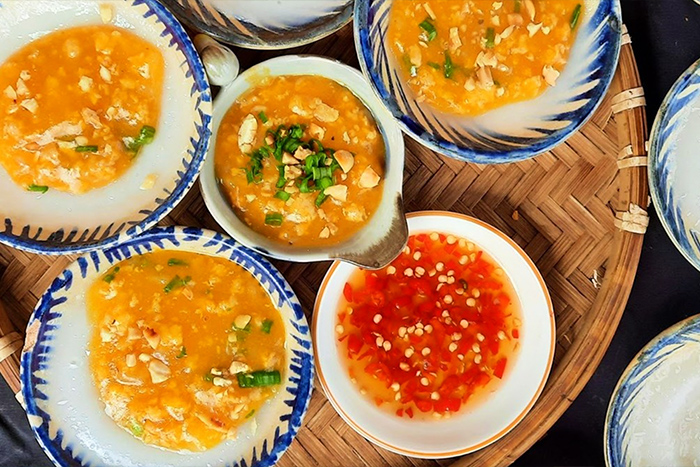
The essence of Banh Beo lies in its simple yet exquisite composition. Fine rice flour mixed with water creates a smooth batter that is left to rest, allowing it to achieve the ideal consistency. The batter is then delicately scooped into small cups, arranged on a steamer, and patiently steamed to perfection. Once cooked, the Banh Beo is adorned with delectable toppings, such as finely pounded shrimp and a sprinkle of vegetable fat, enhancing its flavors. The accompanying dipping sauce, crafted from fresh shrimp, offers a perfect blend of sweetness and richness, complementing the Banh Beo harmoniously. In present-day Hue, "Banh Beo streets" have sprouted near iconic landmarks like An Dinh Palace, Ngu Binh Street, and Nguyen Binh Khiem Street. These vibrant streets have become a haven for Banh Beo enthusiasts, attracting not only the locals but also visitors from far-flung corners of the world. It is undeniable that anyone who has the opportunity to visit Hue yearns to experience the flavors of Banh Beo, savoring the essence of this culinary masterpiece that is deeply embedded in the ancient capital's heritage.
Some recommended addresses:
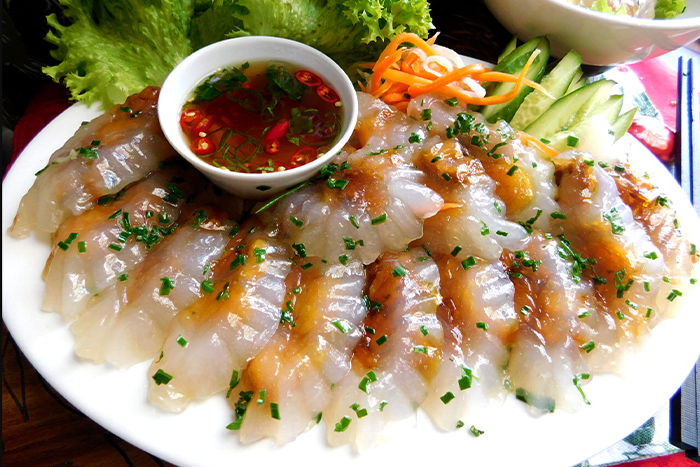
Filter cake, a familiar treat, holds a special place among the culinary delights of Hue. In this ancient city, filter cake is elevated to the status of a must-try specialty. Embracing diversity, Hue offers two distinct variations of this delectable cake: those wrapped in delicate banana leaves and the unwrapped kind.
The essence of filter cake lies in its luscious crust, crafted from tender rice flour. Within this delicate exterior, a tantalizing filling awaits, featuring a delightful combination of succulent meat and finely minced shrimp. To enhance the flavors, it is served alongside a sweet and tangy fish sauce, perfectly complementing the taste profile of this culinary masterpiece.
In Hue, filter cake is not merely a treat, but a symbol of the city's culinary heritage. It beckons both locals and visitors to embark on a delightful gastronomic adventure, uncovering the rich flavors and textures that make this specialty truly remarkable. Whether enjoying the wrapped version, which reveals its contents like a hidden treasure, or savoring the unwrapped variation that showcases its enticing simplicity, Hue's filter cake promises an unforgettable culinary experience.
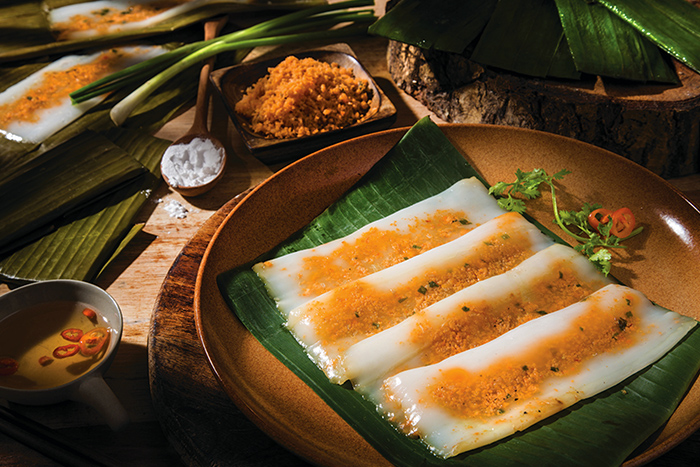
The allure of Bánh Nậm lies not only in its appearance but also in its tantalizing flavors. The filling, carefully crafted with a harmonious blend of ground pork, fragrant mushrooms, aromatic shallots, and an array of meticulously selected spices, infuses each dumpling with a symphony of savory notes. The medley of flavors is further elevated by the addition of aromatic herbs, which impart a refreshing and vibrant touch to the dish.
Steamed to perfection, the dumplings emerge from their bamboo steamers, their delicate aroma enveloping the senses. Each bite reveals a captivating combination of textures—silky smooth rice flour encasing the tender filling, offering a satisfying contrast that lingers on the palate.
Indulging in the exquisite flavors of Hue's culinary landscape, one cannot overlook the enchanting delicacy known as Flat Steamed Rice Dumplings, or Bánh Nậm. This traditional dish, deeply rooted in the cultural heritage of Hue, captures the essence of the region's rich gastronomy. With its delicate appearance and enticing aroma, Bánh Nậm beckons both locals and visitors alike to embark on a culinary journey unlike any other. From the first bite to the last, these delectable rice dumplings offer a symphony of textures and flavors that leave an indelible mark on the palate. Prepare to immerse yourself in the enchanting world of Bánh Nậm, where tradition meets gastronomic excellence.
Some recommended addresses:
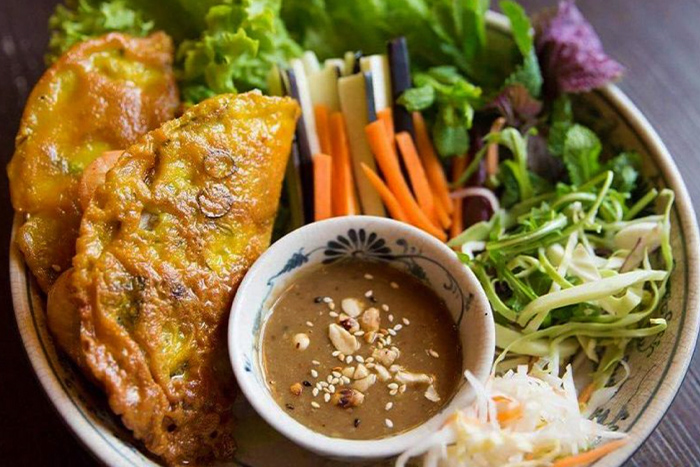
Bánh Khoái Huế, often referred to as Hue-style Pancakes, is a culinary masterpiece that reflects the rich history and cultural significance of the region. Originating from the imperial city of Hue, this iconic dish has captivated locals and visitors alike with its enticing aroma, delicate texture, and harmonious blend of ingredients.
Once cooked to perfection, Bánh Khoái Huế is skillfully folded into a half-moon shape, revealing its golden-brown exterior and enticing fillings. The pancake is then served with a medley of fresh vegetables, including lettuce, herbs, and cucumber, providing a refreshing contrast to the rich and savory flavors.
To elevate the culinary experience, a dipping sauce known as nước mắm accompanies Bánh Khoái Huế. This tangy and umami-rich sauce, crafted from fermented fish sauce, lime juice, sugar, and chili, adds a delightful burst of flavor, perfectly complementing the pancake.
Bánh Khoái Huế is more than just a dish; it embodies the spirit and heritage of Hue. Whether enjoyed in bustling street stalls, family-run eateries, or upscale restaurants, each bite of Bánh Khoái Huế transports you to the imperial city, allowing you to savor the traditions and flavors that have been cherished for generations.
Some recommended addresses:
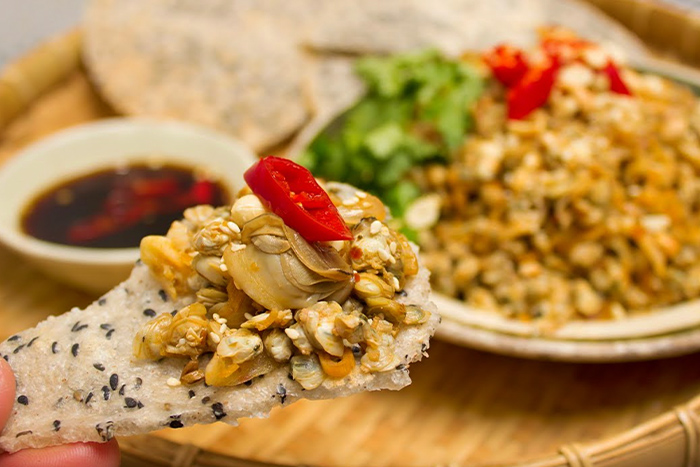
When you take a bite, the harmony of flavors unfolds. The tender and slightly chewy texture of the mussels combines with the delicate crispness of the rice pancakes. The interplay of savory, tangy, and herbal notes creates a symphony of taste sensations that is both satisfying and captivating.
Mussel with Rice Pancake is not only a culinary delight but also a representation of the rich food culture in Hue. It showcases the region's emphasis on fresh ingredients, harmonious flavors, and artistic presentation. This dish is often enjoyed as a snack or a light meal, offering a delightful combination of flavors and textures that is sure to please your palate.
So, if you find yourself in Hue or have the opportunity to sample this specialty elsewhere, don't miss the chance to savor the Mussel with Rice Pancake. It's a true taste of Hue's culinary heritage and a dish that will leave a lasting impression.
Some recommended addresses:
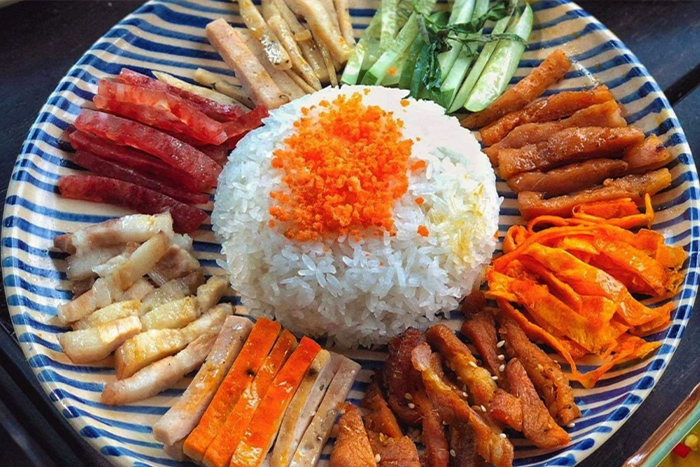
"Cơm âm phủ Huế" is prepared as an elaborate meal consisting of various dishes and components. The main dish is a bowl of steamed rice, which is meticulously arranged and adorned with an assortment of colorful and flavorful foods. The ingredients used in "Cơm âm phủ" vary depending on regional customs and personal preferences, but common items include boiled chicken or pork, fried tofu, Vietnamese sausage (gio lua), pickled vegetables, and various types of cooked vegetables.
Cơm âm phủ is not only a treat for the senses but also a representation of the culinary heritage of Hue. It showcases the region's commitment to using fresh, local ingredients and its emphasis on creating visually appealing dishes that delight both the palate and the eyes.
This dish is not only enjoyed for its taste but also for the experience it offers. From the moment it is presented at the table, Cơm âm phủ captivates with its artistic presentation, inviting you to savor each bite and appreciate the intricate craftsmanship that went into its creation.
Some recommended addresses:
The warmth and hospitality of the locals will make your dining experience even more memorable. Engage in conversations, learn the stories behind each dish, and immerse yourself in the true essence of Hue's culinary heritage. Let your taste buds dance to the symphony of spices, textures, and aromas that define this remarkable cuisine. What to eat in Hue? Your journey through the top 12 must try foods in Hue is just the beginning of a lifelong love affair with Vietnamese gastronomy. Get ready to savor every bite and create unforgettable memories in this culinary haven. Bon appétit!


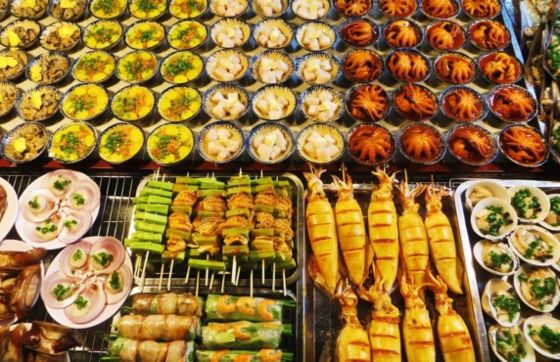
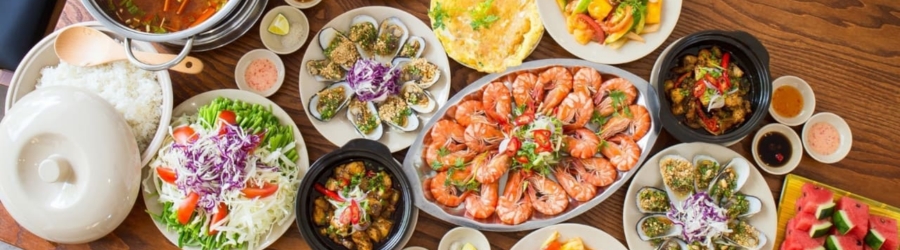
Wondering what to eat in Phu Quoc is one of the first questions travelers ask when exploring the island through its local flavors. The specialties in Phu Quoc reflect a unique combination of coastal traditions, fresh seafood, locally caught fish, and handcrafted fish sauce. These dishes tell the story of an island where fishing communities, local markets, and culinary traditions have thrived for generations. The local cuisine stands out for its fresh ingredients, simple preparation, and authentic flavors. This guide introduces ten must try foods in Phu Quoc, from street food to family recipes, offering a delicious journey through the famous food in Phu Quoc found in Duong Dong, Ham Ninh, and Cua Can.
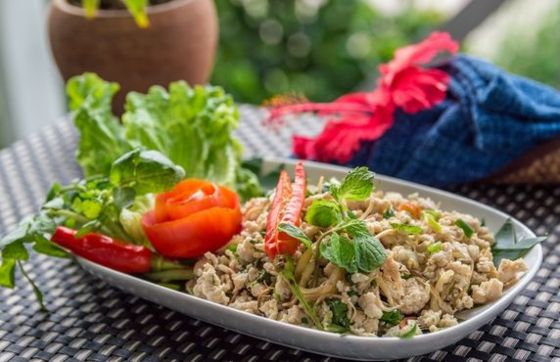
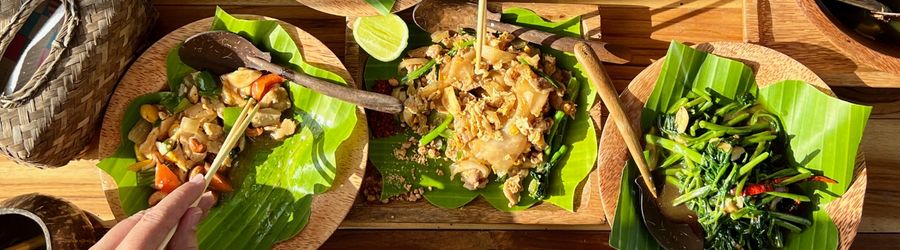
Laos captivates travelers with its unspoiled landscapes, peaceful temples, and authentic way of life. Beyond its cultural and natural treasures, the country is also emerging as an exciting culinary destination. From elegant dining venues in Vientiane to charming restaurants in Luang Prabang and Champasak, food lovers can enjoy a wide range of memorable gastronomic experiences. Whether you are searching for the best restaurants in Laos or looking to discover authentic local flavors, the country offers many exceptional dining options. To make the most of your journey, a Laos tour agency can help you create a personalized itinerary that combines cultural heritage, natural beauty, and outstanding culinary experiences. In this article, discover the best restaurants in Laos and the must-visit dining destinations to include in your trip.
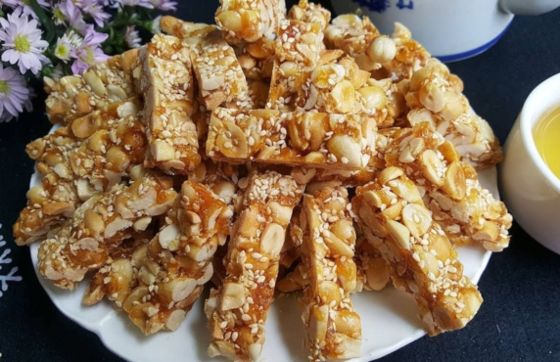
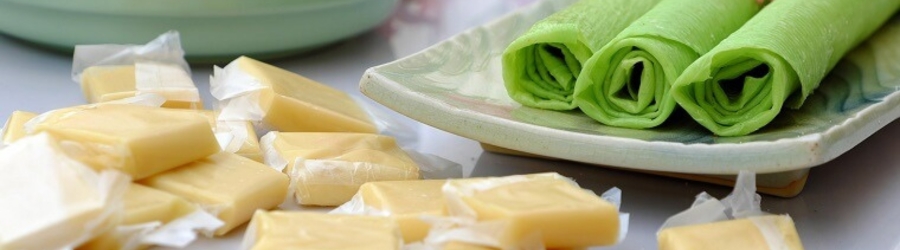
Already familiar with iconic Vietnamese dishes such as phở, bún chả, and bánh mì? If you are wondering what to eat in Vietnam to enjoy between meals, then Vietnamese snacks are definitely worth exploring. More than just treats to nibble on throughout the day, these popular snacks in Vietnam reflect the country's culinary richness while also opening a window into the everyday lives of local people. From fruit-based sweets to traditional candies made from rice or peanuts, we hope the list of the best snacks in Vietnam below will inspire your food adventure and help you find the perfect souvenirs to bring home from your upcoming trip.

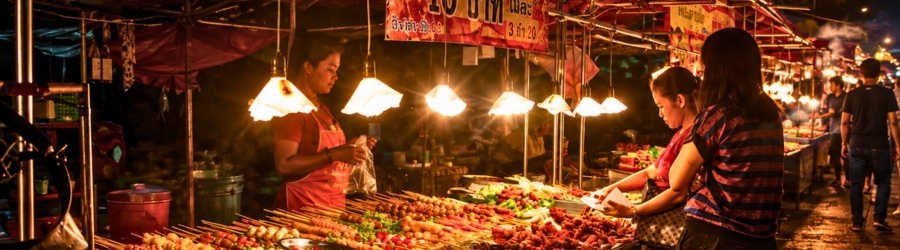
Phuket is famous for its paradise beaches and tropical landscapes, but the island also attracts visitors with its rich and diverse gastronomy. Influenced by Thai, Chinese and Malay cultures, the local cuisine perfectly reflects the history and multicultural identity of Phuket. From lively night markets to small family-run eateries, each meal is an opportunity to discover authentic flavors and unique specialties that are rarely found elsewhere in Thailand. Are you wondering what to eat in Phuket during your trip ? In this article, Autour Asia invites you to discover the 6 best specialties in Phuket Thailand, to enrich your culinary experience on the island.
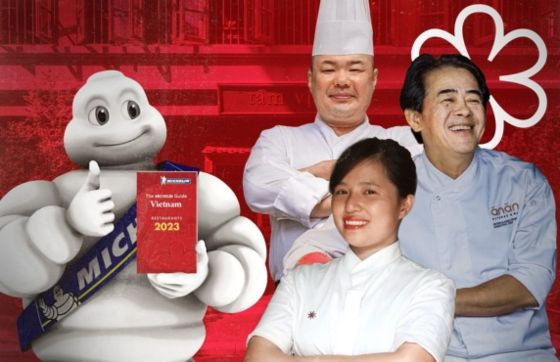
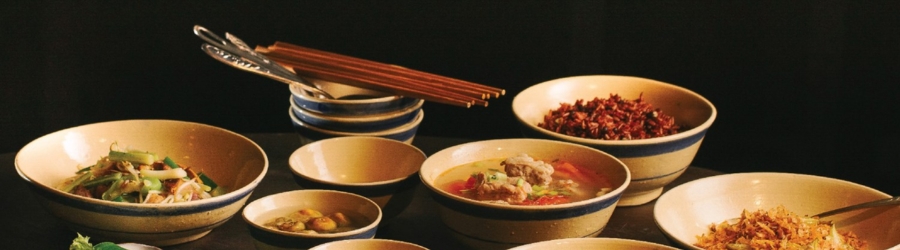
Vietnam has established itself as one of Asia's most fascinating gastronomic destinations. With the arrival of the Michelin Guide and the growing recognition of Vietnamese chefs, Vietnam Michelin Guide restaurants now attract food lovers from around the world. From reinvented street food to Michelin-starred restaurants in Vietnam and traditional addresses recognized for their excellent value for money, Hanoi, Da Nang, and Ho Chi Minh City offer exceptional culinary diversity. Here is our selection of the best Michelin restaurants in Vietnam for an unforgettable gastronomic experience on your next trip.
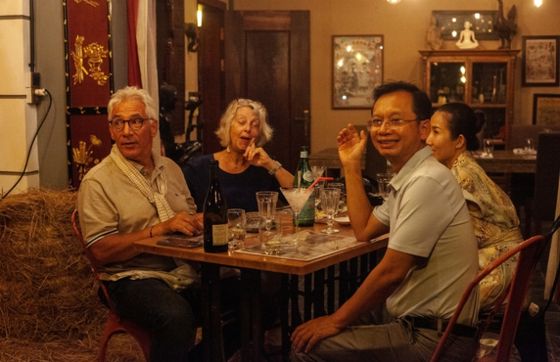
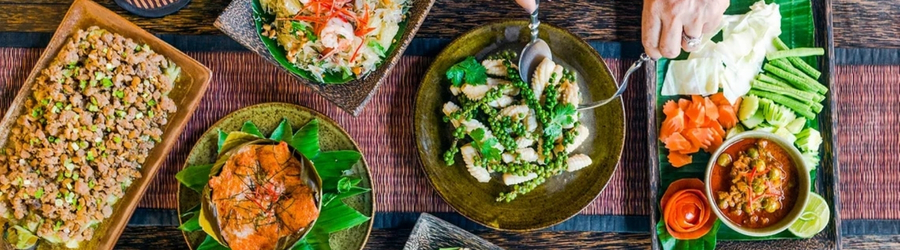
Cambodia is becoming an increasingly popular destination for food lovers seeking authentic flavors and unique dining experiences. While there are currently no official Michelin-starred venues in the country, several Michelin restaurants in Cambodia and Michelin-inspired establishments offer exceptional cuisine and service. From elegant fine dining venues in Siem Reap to renowned culinary hotspots featured in discussions about the Cambodia Michelin guide, travelers have plenty of options to explore. If you're wondering where to eat in Cambodia, this guide highlights some of the best restaurants in Cambodia, showcasing outstanding Cambodia restaurants that deserve a place on every food enthusiast’s itinerary.
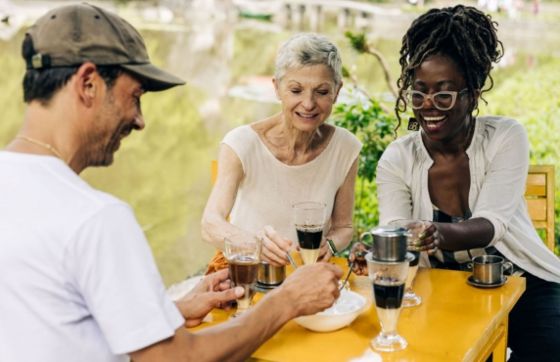
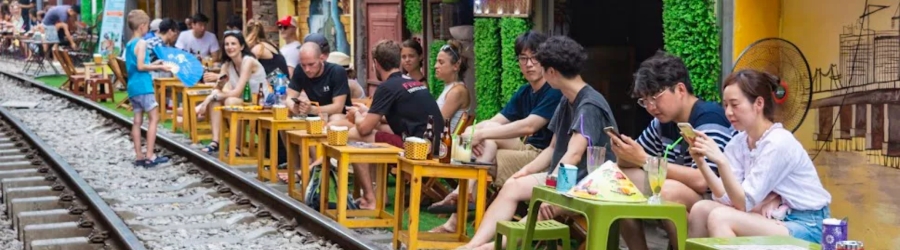
When asking “what to drink in Vietnam?”, one discovers much more than just a simple list of beverages: it is a true immersion into the local culture. From strong coffees served on street corners to refreshing herbal juices, along with traditional teas and modern drinks such as bubble tea, Vietnamese drinks reflect the country’s history, climate, and way of life. Each beverage tells a different story: a moment of sharing on the street, a refreshing break under the tropical heat, or an unexpected culinary discovery. Exploring these flavors means stepping into the heart of everyday life in Vietnam and understanding the richness of its culture through simple yet authentic gestures.
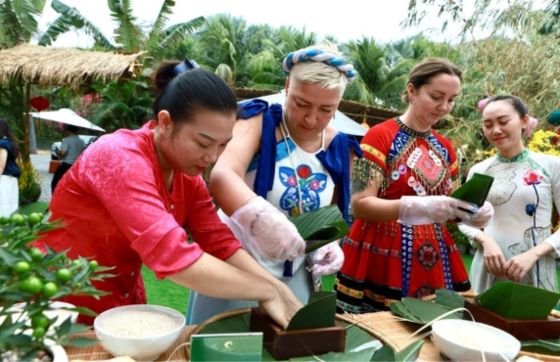
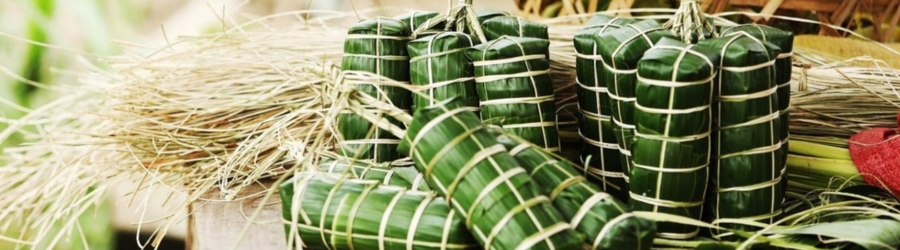
Vietnamese cuisine is renowned for its delicacy and remarkable diversity, where Vietnamese cakes hold an essential place. From a traditional Vietnamese cake with strong symbolic value during Tết or weddings to everyday snacks, each specialty reflects a unique aspect of local culture and lifestyle. Made with ingredients such as glutinous rice, mung beans, and coconut, these creations also stand out for the richness of their flavors and textures. Through this selection of Vietnamese culinary specialties, you will discover both traditional Vietnamese cakes, Vietnamese desserts and iconic street food dishes. A truly gourmet invitation to better understand the richness of Vietnamese gastronomy.



 FR
FR EN
EN