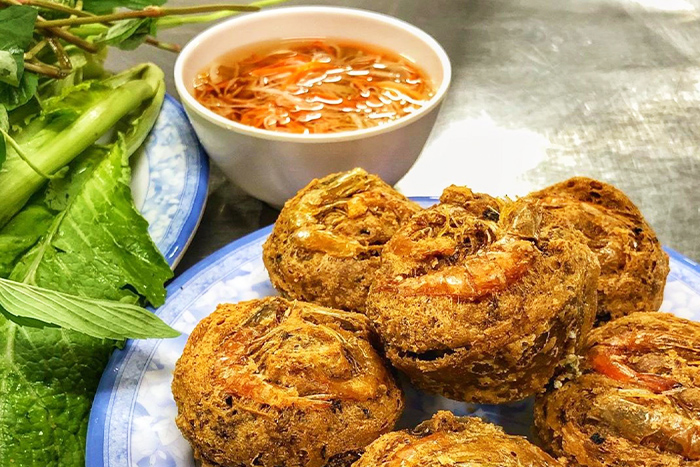
Banh Cong is a delightful treat created by combining rice flour and wheat flour to achieve a perfect balance of tenderness and crispiness. Crafting Banh Cong involves a choice between using rice flour directly or preparing it by soaking and grinding rice. Opting for freshly ground rice flour is preferable to purchasing pre-made rice flour from the market, as it retains the delightful aroma. Selecting the right rice flour from the market is crucial, as choosing poorly might lead to using old or moldy flour, resulting in a cake that tastes sour and bitter.
Banh Cong is traditionally accompanied by a sweet-sour fish sauce, served alongside lime and minced chili. The fish sauce is enhanced with shredded cucumber, carrot, and radish, while aromatic herbs such as fish mint, lettuce, basil, and mint further elevate the flavors.
Some recommended addresses:
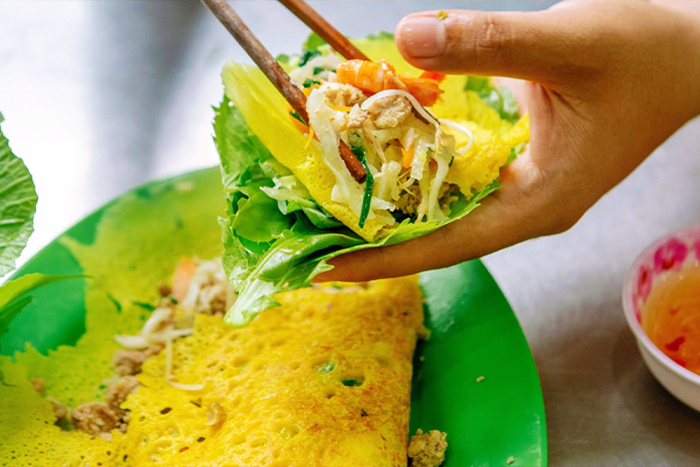
Banh Xeo, a yummy Vietnamese pancake made from rice flour, coconut milk, and turmeric powder, is a special food in Can Tho. It's filled with tasty stuff like pork, prawn, and green beans. People in the Mekong Delta, especially Can Tho, really love this dish. The name 'Banh Xeo' means 'sizzling cake' because of the sound it makes when the batter hits the hot pan. Long ago, it started in Central Vietnam and got bigger when it reached the South.
To eat Banh Xeo, you use fresh veggies and coriander. You wrap the pancake in the veggies and dip it in fish sauce. The crispy pancake mixes with the sweet and sour sauce, making your taste buds super happy.
Some recommended addresses:
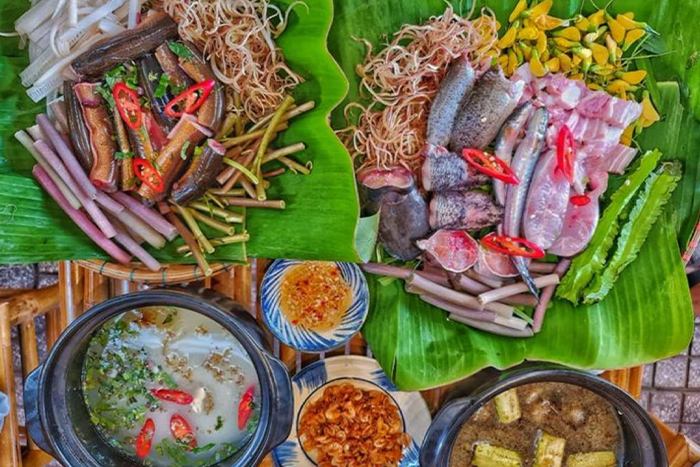
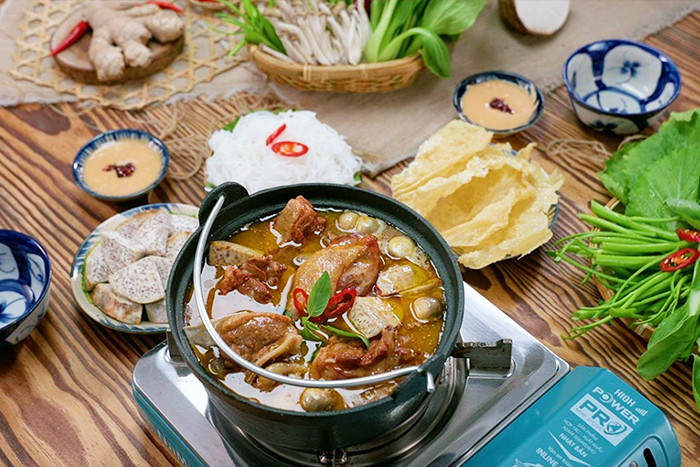
When it comes to the Western region, you definitely can't miss out on the familiar dish of fermented fish hotpot. It carries a rich aroma and flavor from the linh fish sauce, combined with a mix of fish, shrimp, squid, fresh vegetables, and an array of lush greens. This delightful specialty of Can Tho is a must-try, allowing you to savor the renowned hotpot of the Western region.
This fermented fish hotpot is a fusion of signature ingredients from the typical Western region, such as various types of fermented fish sauces, linh fish, seafood, and greens like water morning glory, water spinach, pennywort, sesbania flower, eggplant, and more. Initially, you might notice a strong smell from the hotpot, but once you give it a taste, you might just become hooked.
Some recommended addresses:
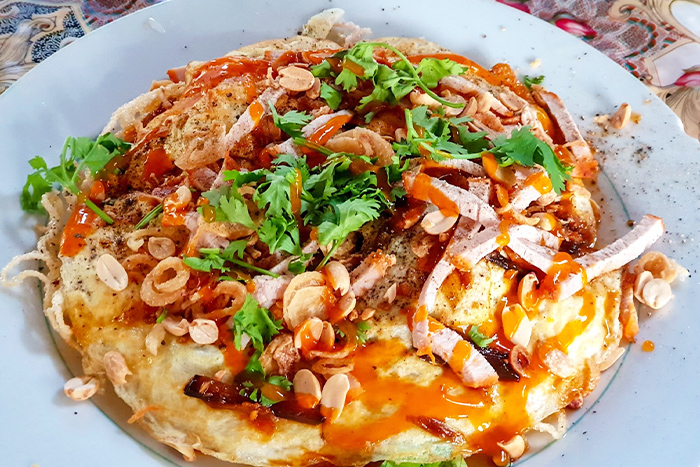
Hủ tiếu is a distinctive dish of Can Tho and renowned throughout the Western region, so what exactly is pizza hủ tiếu? Despite its somewhat Western-sounding name, pizza hủ tiếu is actually a quite familiar dish for the people of the Can Tho region, known locally as 'hủ tiếu chiên giòn' or crispy fried hủ tiếu. The origin of this unique dish, pizza hủ tiếu, can be traced back to the Sau Hoai noodle shop. With its special recipe that uses hủ tiếu noodles as the main ingredient, it delivers a flavorful and rich taste. Anyone who tries it once can't help but shower praise on this inventive creation. Pizza hủ tiếu is among the must-try dishes when visiting Can Tho. Each strand of hủ tiếu is fried in small clusters, immersed in oil, and once it turns golden, it's ready to be savored. Each cluster, blending with fresh greens, shredded meat, and peanuts, is both fragrant and crispy, creating an immensely satisfying food to eat in Can Tho.
Some recommended addresses:
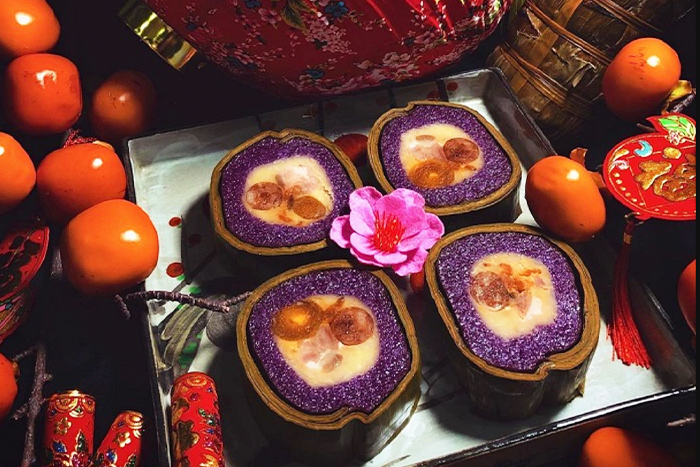
Your trip to Can Tho will be even more complete if you can find a special Can Tho gift that suits your taste. And 'Banh tet la cam' (purple sticky rice cake) is a perfect choice for sending the flavors of the Mekong Delta to your friends.
Similar to the traditional 'bánh tét' cakes often enjoyed during Tet holidays, 'bánh tét lá cẩm' lives up to its name with a purple outer layer achieved by mixing glutinous rice with 'lá cẩm' leaves and coconut water. The filling is a combination of mung beans, meat, and salted eggs, creating a chewy and aromatic interior that blends with the softness of the cake's outer layer, resulting in an indescribable flavor.
Some recommended addresses:
Some recommended addresses:
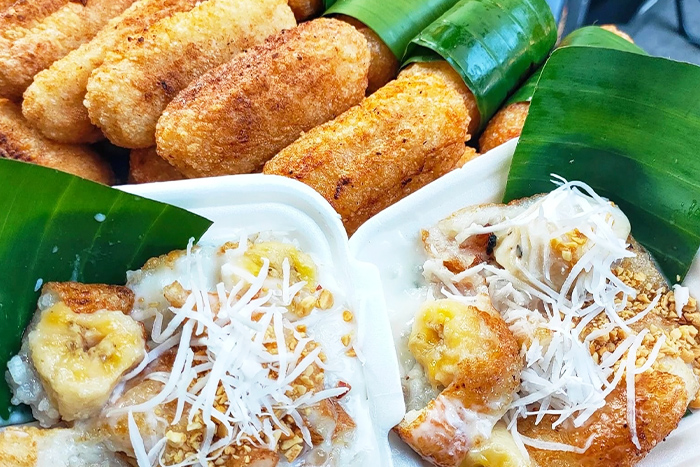
A well-known delicacy from the Can Tho region, with the enticing aroma of glutinous bananas when grilled over a charcoal stove, blending harmoniously with the rich coconut milk. On cool and slightly chilly days, there's nothing quite like savoring a warm grilled glutinous banana to enjoy.
The petite bananas are enveloped in a layer of chewy glutinous rice, and when grilled, the outer layer turns crispy while the inside remains tender and aromatic. A sprinkle of sesame seeds and peanuts, along with the fragrant coconut milk sauce, complete the treat. After tasting the delightful sweetness of the grilled glutinous bananas, you'll undoubtedly be impressed by this Can Tho delicacy.
Some recommended addresses:
Some recommended addresses:
Can Tho, a land of white rice and clear waters, serves as the capital of the Western region. Here, you will witness Can Tho growing into a major city while still preserving its tranquil, rustic charm and the distinctiveness of a riverine area. Pay a visit to enjoy the scenic landscapes and indulge in Can Tho's delicious local specialties, including Can Tho food specialties, and listen to Don ca tai tu on the river. This will help you truly feel the beauty of the southern land embraced by the nurturing mother delta.


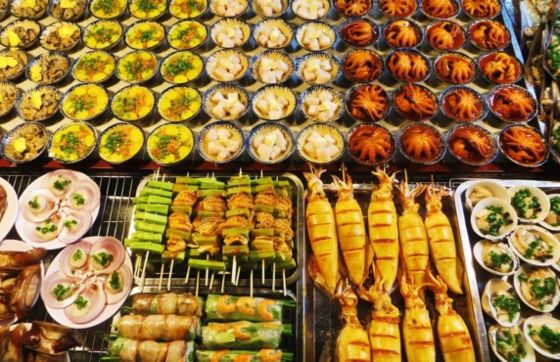
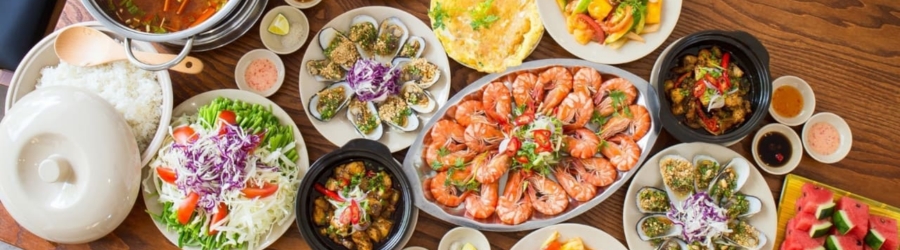
Wondering what to eat in Phu Quoc is one of the first questions travelers ask when exploring the island through its local flavors. The specialties in Phu Quoc reflect a unique combination of coastal traditions, fresh seafood, locally caught fish, and handcrafted fish sauce. These dishes tell the story of an island where fishing communities, local markets, and culinary traditions have thrived for generations. The local cuisine stands out for its fresh ingredients, simple preparation, and authentic flavors. This guide introduces ten must try foods in Phu Quoc, from street food to family recipes, offering a delicious journey through the famous food in Phu Quoc found in Duong Dong, Ham Ninh, and Cua Can.
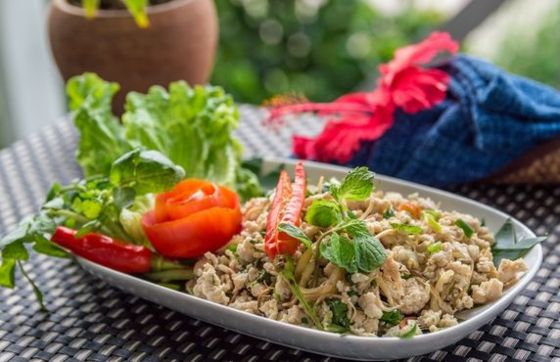
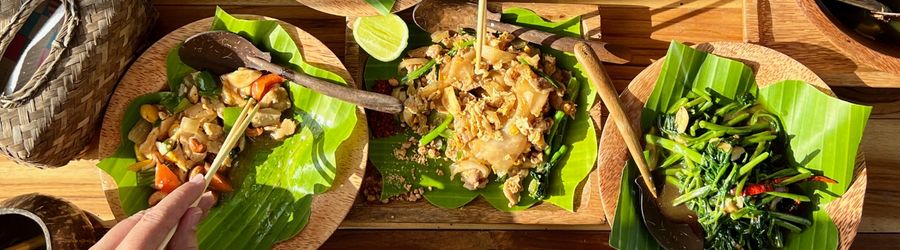
Laos captivates travelers with its unspoiled landscapes, peaceful temples, and authentic way of life. Beyond its cultural and natural treasures, the country is also emerging as an exciting culinary destination. From elegant dining venues in Vientiane to charming restaurants in Luang Prabang and Champasak, food lovers can enjoy a wide range of memorable gastronomic experiences. Whether you are searching for the best restaurants in Laos or looking to discover authentic local flavors, the country offers many exceptional dining options. To make the most of your journey, a Laos tour agency can help you create a personalized itinerary that combines cultural heritage, natural beauty, and outstanding culinary experiences. In this article, discover the best restaurants in Laos and the must-visit dining destinations to include in your trip.
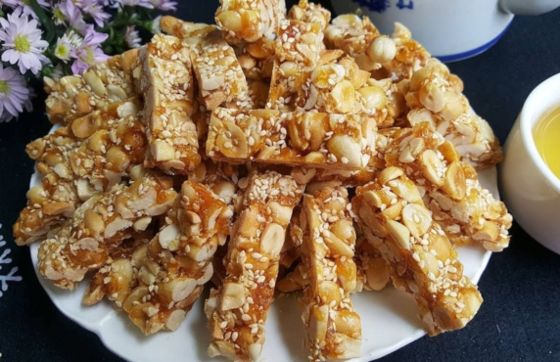
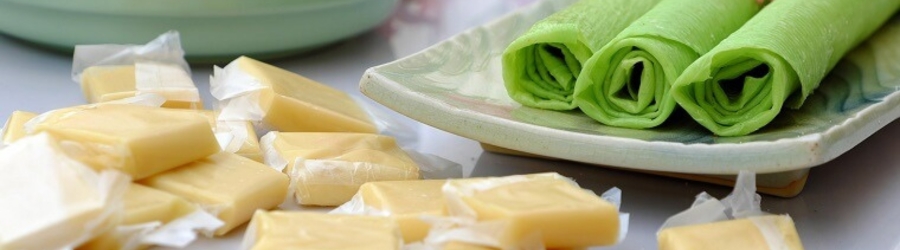
Already familiar with iconic Vietnamese dishes such as phở, bún chả, and bánh mì? If you are wondering what to eat in Vietnam to enjoy between meals, then Vietnamese snacks are definitely worth exploring. More than just treats to nibble on throughout the day, these popular snacks in Vietnam reflect the country's culinary richness while also opening a window into the everyday lives of local people. From fruit-based sweets to traditional candies made from rice or peanuts, we hope the list of the best snacks in Vietnam below will inspire your food adventure and help you find the perfect souvenirs to bring home from your upcoming trip.
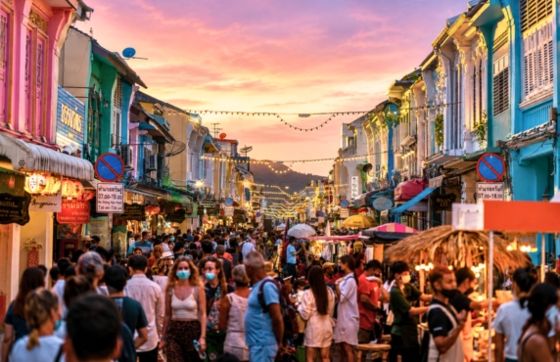
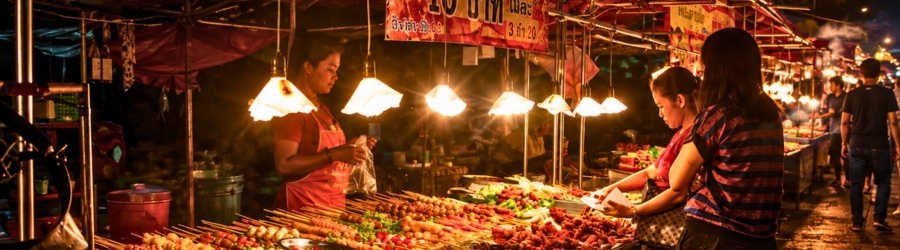
Phuket is famous for its paradise beaches and tropical landscapes, but the island also attracts visitors with its rich and diverse gastronomy. Influenced by Thai, Chinese and Malay cultures, the local cuisine perfectly reflects the history and multicultural identity of Phuket. From lively night markets to small family-run eateries, each meal is an opportunity to discover authentic flavors and unique specialties that are rarely found elsewhere in Thailand. Are you wondering what to eat in Phuket during your trip ? In this article, Autour Asia invites you to discover the 6 best specialties in Phuket Thailand, to enrich your culinary experience on the island.
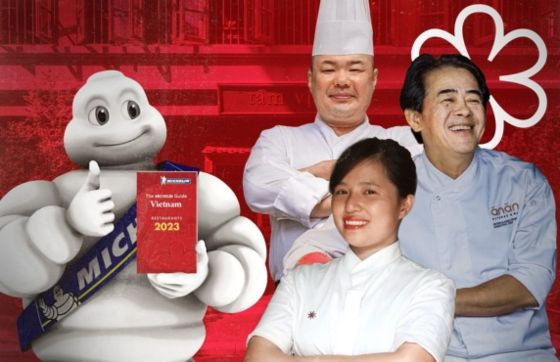
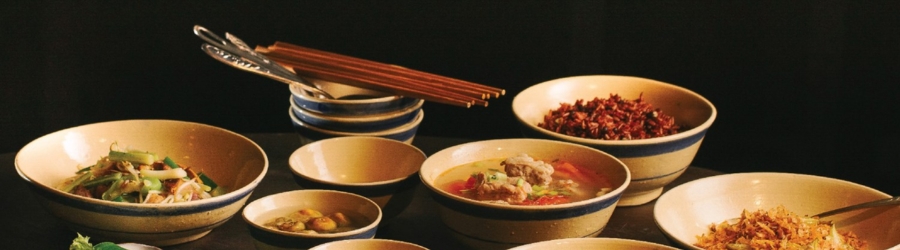
Vietnam has established itself as one of Asia's most fascinating gastronomic destinations. With the arrival of the Michelin Guide and the growing recognition of Vietnamese chefs, Vietnam Michelin Guide restaurants now attract food lovers from around the world. From reinvented street food to Michelin-starred restaurants in Vietnam and traditional addresses recognized for their excellent value for money, Hanoi, Da Nang, and Ho Chi Minh City offer exceptional culinary diversity. Here is our selection of the best Michelin restaurants in Vietnam for an unforgettable gastronomic experience on your next trip.
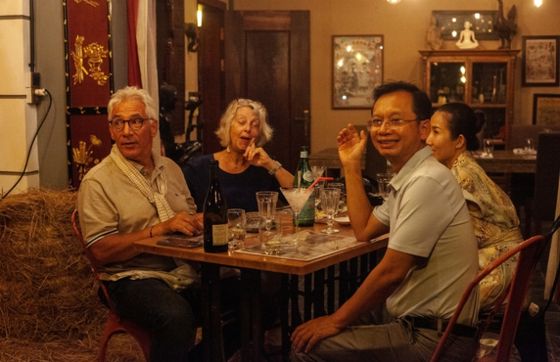
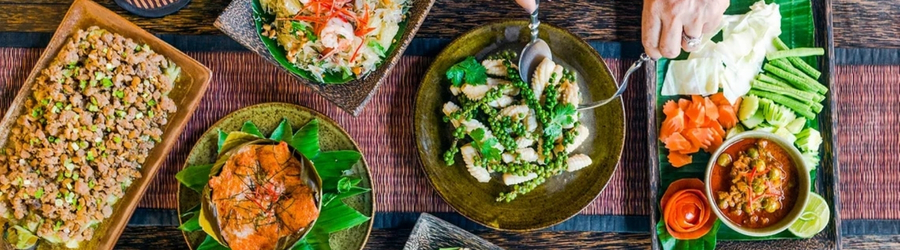
Cambodia is becoming an increasingly popular destination for food lovers seeking authentic flavors and unique dining experiences. While there are currently no official Michelin-starred venues in the country, several Michelin restaurants in Cambodia and Michelin-inspired establishments offer exceptional cuisine and service. From elegant fine dining venues in Siem Reap to renowned culinary hotspots featured in discussions about the Cambodia Michelin guide, travelers have plenty of options to explore. If you're wondering where to eat in Cambodia, this guide highlights some of the best restaurants in Cambodia, showcasing outstanding Cambodia restaurants that deserve a place on every food enthusiast’s itinerary.
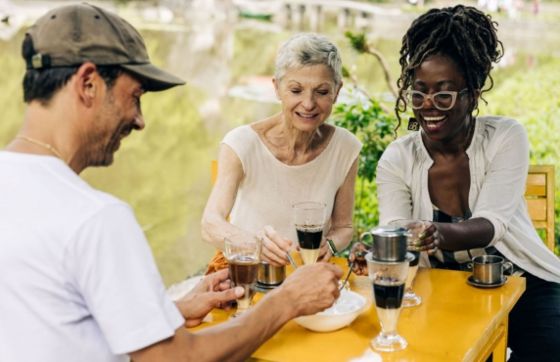
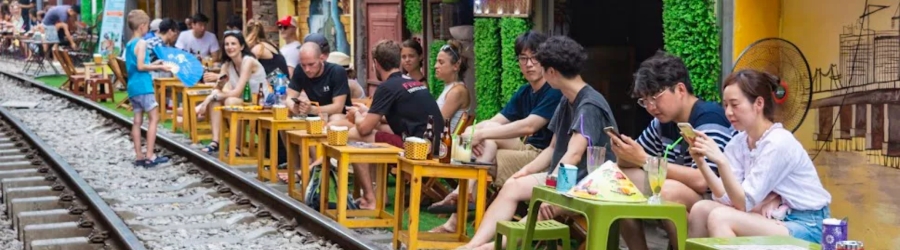
When asking “what to drink in Vietnam?”, one discovers much more than just a simple list of beverages: it is a true immersion into the local culture. From strong coffees served on street corners to refreshing herbal juices, along with traditional teas and modern drinks such as bubble tea, Vietnamese drinks reflect the country’s history, climate, and way of life. Each beverage tells a different story: a moment of sharing on the street, a refreshing break under the tropical heat, or an unexpected culinary discovery. Exploring these flavors means stepping into the heart of everyday life in Vietnam and understanding the richness of its culture through simple yet authentic gestures.
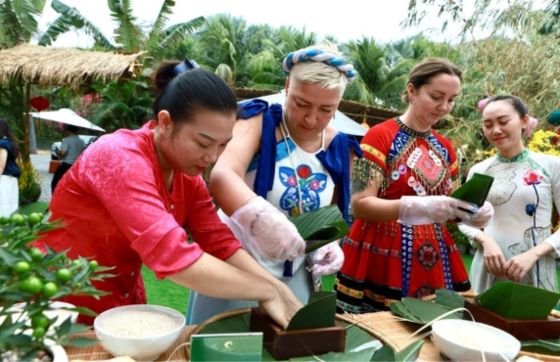
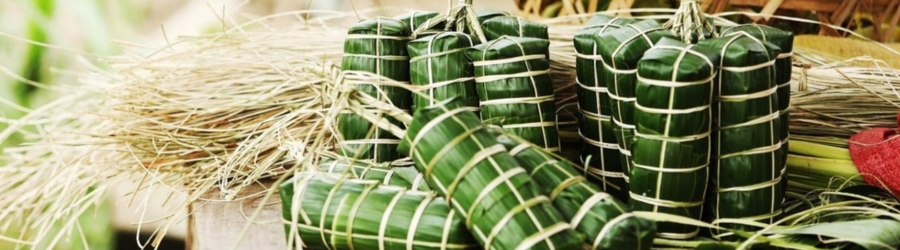
Vietnamese cuisine is renowned for its delicacy and remarkable diversity, where Vietnamese cakes hold an essential place. From a traditional Vietnamese cake with strong symbolic value during Tết or weddings to everyday snacks, each specialty reflects a unique aspect of local culture and lifestyle. Made with ingredients such as glutinous rice, mung beans, and coconut, these creations also stand out for the richness of their flavors and textures. Through this selection of Vietnamese culinary specialties, you will discover both traditional Vietnamese cakes, Vietnamese desserts and iconic street food dishes. A truly gourmet invitation to better understand the richness of Vietnamese gastronomy.



 FR
FR EN
EN