


There are several ways to get to Ba Be from Hanoi, each offering a unique travel experience through the northern provinces of Vietnam. The most common route goes through Thai Nguyen and Bac Kan, before reaching Ba Be Lake.
The public bus is a budget-friendly and authentic option, departing daily from My Dinh Bus Station in Hanoi. The journey to Bac Kan takes around 4 hours, followed by a 1 to 1.5-hour transfer via minibus or taxi to Ba Be National Park. This route allows travelers to enjoy the region's lush, green landscapes along the way.
For more comfort, a private car with a driver is ideal. The entire trip takes around 4.5 to 5 hours, depending on stops. This transport option gives you the freedom to get to Ba Be at your own pace, with the possibility of making scenic stops en route. A Vietnam travel agency can arrange this service with personalized pick-up from your hotel in Hanoi to your accommodation in Ba Be.
Adventurous travelers might consider combining train and bus travel, such as taking a train to Thai Nguyen (around 2.5 hours), followed by a road transfer. While less direct, this option passes through stunning karst landscapes.
Finally, experienced riders may choose to travel by motorbike, following national roads through Thai Nguyen and Bac Kan (roughly 6 hours). This immersive way to get to Ba Be is best reserved for skilled drivers seeking a deeper connection with the journey.
Bus Company | Ticket Price (VND) | Phone Number | Notes |
An Binh | 150 000 – 200 000 | 0948 956 999 / 0982 172 888 | Sleeper bus departing from My Dinh Bus Station to Bac Kan |
Thuong Nga | From 90,000 | 0989 151 838 | Four daily departures from My Dinh to Cho Don (Bac Kan) |
VT Travel | 1 200 000 – 1 500 000 | 0943 942 642 | Private car or minivan service, approximately 3–4 hours travel time |
The journey from Sapa to Ba Be is a must for travelers eager to explore the mountainous landscapes of northern Vietnam. Departing from Sapa, in Lao Cai Province, visitors cross through Yen Bai, Tuyen Quang, and Bac Kan before getting to Ba Be Lake, a natural gem nestled in the heart of Ba Be National Park. Though relatively long, the route offers total immersion in the North’s breathtaking scenery—terraced rice fields, ethnic minority villages, and striking karst formations.
To get to Ba Be from Sapa, several transportation options are available. Public buses are the most economical: first, travelers must reach Hanoi from Sapa (a 6 to 7-hour ride), then take another bus to Ba Be (around 6 more hours), for a total journey of 12 to 14 hours. Those seeking greater comfort can opt for a private car with a driver, covering the full 360 km directly in about 9 to 10 hours, with custom stops along the way to take in the views or explore local culture.
An alternative for adventure lovers is to combine an overnight train from Lao Cai to Hanoi (8 hours) with a connecting bus ride to Ba Be, offering a unique perspective of the region en route.
Bus Company | Ticket Price (VND) | Phone Number | Notes |
Sapa Discovery Travel | Approximately 400,000 | 024 7303 9999 | Bus to Bac Kan, then transfer to Ba Be |
Eco Sapa Limousine | 450 000 – 500 000 | 0375 556 666 | Luxury limousine from Sapa to Hanoi, then continue to Ba Be. |
Techbus VN JSC | 2 300 000 – 3 200 000 | 1900 0358 | Private car service from Sapa to Ba Be, approximately 8 hours travel time |
Getting from Cao Bang to Ba Be offers a beautiful immersion into the wild landscapes of northern Vietnam. Travelers departing from Cao Bang pass through Nguyen Binh and Na Ri (Bac Kan) before reaching the serene Ba Be Lake. The 120 km route takes around 4 to 5 hours by car or motorbike, depending on road conditions. Once you arrive, transportation in Ba Be is convenient and varied, with moto-taxis, scooter rentals, and boat trips available—perfect for exploring nearby villages and the stunning scenery of the national park.
Several transportation options are available. Local buses can take you to Bac Kan City in 3 to 4 hours, followed by a minibus or taxi ride (an additional 1 to 1.5 hours) to reach the lake.
Bus Company | Ticket Price (VND) | Phone Number | Notes |
Viet Ngan Limousine | 260 000 | 0818 565 888 | Limousine service from Cao Bang to Bac Kan |
Hanh Quang | 150 000 | 0981 471 166 / 0981 421 166 | Sleeper bus from Cao Bang to Bac Kan |
Bus local | 150 000 – 200 000 | Inquire at bus station | Route from Cao Bang to Phu Thong, then transfer to Cho Ra and Ba Be |
How to get to Ba Be from Ha Giang? This scenic 230 km journey takes you through the provinces of Ha Giang → Bac Me → Na Hang (Tuyen Quang) → Cho Don (Bac Kan), before reaching the peaceful waters of Ba Be Lake.
Traveling by private car takes about 6 to 7 hours, with the opportunity to stop along the way in picturesque valleys or ethnic minority villages.
For budget-conscious travelers, a local bus to Bac Kan (around 5 to 6 hours) is a good option, followed by a connection by minibus or taxi to Ba Be (an additional 1 to 1.5 hours). Adventurous souls can mix a motorbike and a bus for a more immersive way to explore the karst landscapes of northern Vietnam.
For maximum comfort, a private car with a driver, offered by local agencies such as the Vietnam travel agency, remains the most convenient choice. This allows you to travel at your own pace and enjoy the scenery. Once there, transportation in Ba Be is simple, with moto-taxis and boats available to help you explore the beauty of the national park. No matter how you choose to get to Ba Be, the journey itself is part of the adventure.
Bus Company | Ticket Price (VND) | Phone Number | Notes |
Techbus VN JSC | 2 300 000 – 3 200 000 | 1900 0358 | Private car service from Ha Giang to Ba Be, approximately 13–14 hours travel time |
Quang Nghi | 300 000 | 0949 744 733 | Sleeper bus from Ha Giang to Bac Giang, then transfer to Ba Be |
Bus local | 250 000 – 350 000 | Inquire at bus station | Route from Ha Giang to Bac Kan, then transfer to Ba Be |
Getting to Ba Be is just the beginning. Once you arrive, several transportation options allow you to explore the region according to your style and comfort.
A common and convenient transportation in Ba Be, local taxis or motorbike taxis help you travel between villages, tourist spots, and accommodations. It’s best to ask your host or hotel reception to book the ride for you to avoid misunderstandings. Always confirm the price in advance, especially in rural areas where pricing may vary.
For travelers who prefer comfort and flexibility, hiring a private car with a driver is the ideal way to discover Ba Be at your own pace. This option allows you to create a custom itinerary with personalized stops. It can be arranged via local agencies such as the Vietnam travel agency - Autour Asia, or directly through your accommodation.
Adventure seekers will enjoy motorbike tours led by local guides. This immersive experience takes you off the beaten path, through stunning karst landscapes and traditional ethnic villages, all with the safety of an experienced local companion.
Though available, renting a motorbike is not highly recommended for international travelers without prior experience. If you choose this option, ensure you have good riding skills, a quality helmet, and check the motorbike’s condition beforehand. Most homestays and hotels in Ba Be offer rentals.
No matter your preference, each mode of transportation in Ba Be provides a unique way to experience the area’s natural beauty and cultural richness. Getting to Ba Be and organizing your journey might seem complicated at first, but with the right planning — and the support of a Vietnam travel agency — your adventure will be much smoother. Feel free to reach our to our local agency to help guide your journey and make the most of your Ba Be experience!


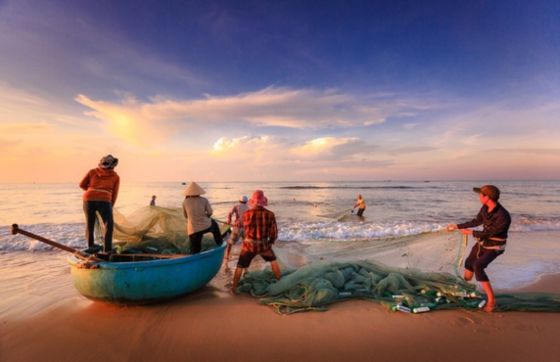
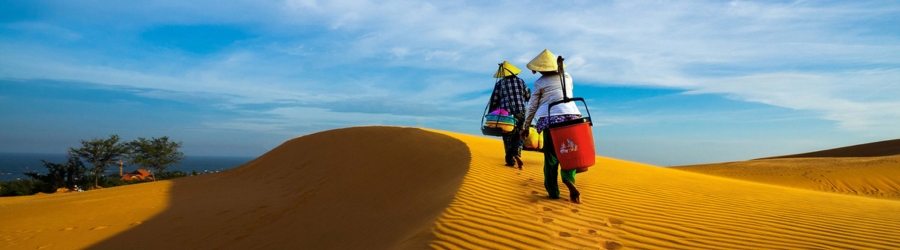
Phan Thiet, a coastal city in Binh Thuan Province, is best known for Mui Ne, an internationally renowned seaside destination. With its beaches, fishing villages, and desert-like sand dunes, the region offers a diverse range of landscapes rarely found elsewhere in Southeast Asia. In November, temperatures remain pleasant for exploring the coast, although occasional showers are still possible. Visiting Phan Thiet Mui Ne in November requires a little preparation to make the most of your stay. This complete guide covers the weather, must-see attractions, transportation options, and practical tips to help you plan your trip to Vietnam in November.
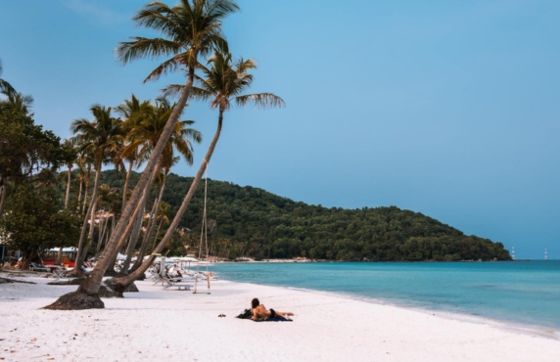
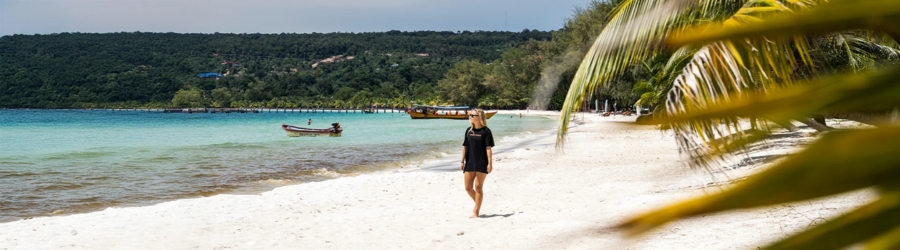
Vietnam’s beaches are best enjoyed at different times of the year, depending on the region. From the turquoise waters of the South to the long stretches of white sand in the Central region and tropical islands, each area has its own climate patterns. To better understand when to visit Vietnam, it is important to consider the weather conditions in each destination. The best time to visit beaches in Vietnam depends on region you choose as well as the activities you have planned. The best time to swim in Vietnam also varies according to rainfall, water temperature and sea conditions. Understanding the Vietnam beach season helps you choose destinations that match your travel dates and enjoy the coastline in good conditions.
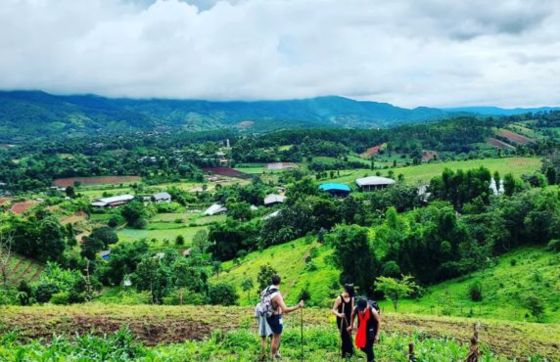
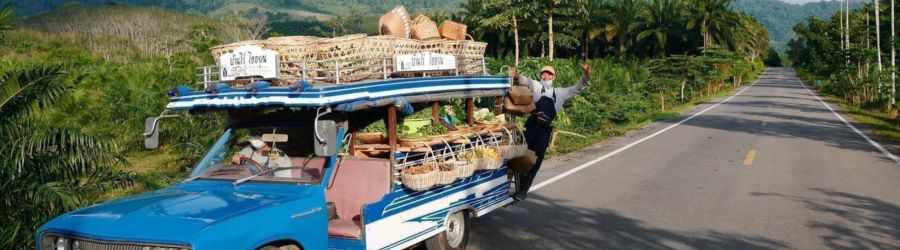
Discovering Thailand through its rice fields, plantations, and rural villages offers a different way to travel, far from traditional tourist circuits. But how can you choose the best agency for Thailand farm tours to enjoy authentic experiences with local communities? Several tour operators offer trips combining agriculture, gastronomy, and encounters with producers. Among them, Autour Asia is an option for travelers who want to personalize their itinerary. Known as Vietnam travel agency - Autour Asia, the company also offers tailor-made trips to several countries in Southeast Asia. With the local travel agency in Thailand - Autour Asia, travelers can explore a trip designed around their interests. Here are five organizations worth knowing, their distinctive features, and the essential criteria for planning a successful agricultural tour in Thailand.
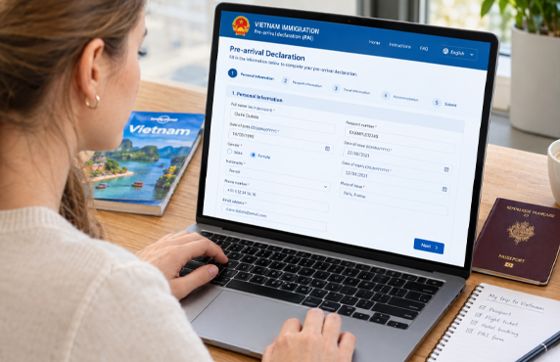
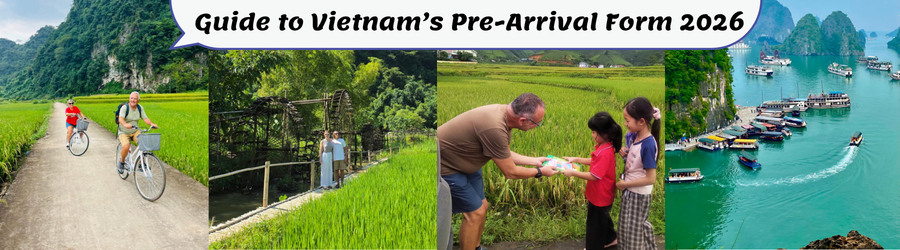
Planning a trip to Vietnam? Before packing your bags, take a few minutes to check the latest entry requirements and prepare the documents you may need at the airport.
Vietnam’s Pre-Arrival Information (PAI) system allows international travellers to submit selected personal, visa and travel details online before arriving in the country. After a successful submission, the system generates a QR code that travellers can save on their phones or print for use during immigration procedures. Although the online declaration is designed to help make arrival procedures smoother, travellers should understand when it applies, how to complete it correctly and which documents they still need to enter Vietnam.
In this practical guide, you will discover where to access the official PAI portal, what information to prepare, how to complete the declaration step by step, how to correct common mistakes and what to do when you arrive at the airport.
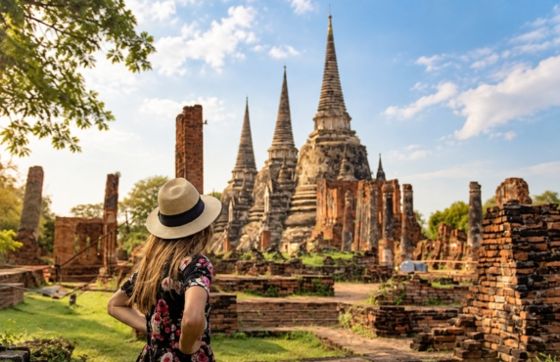
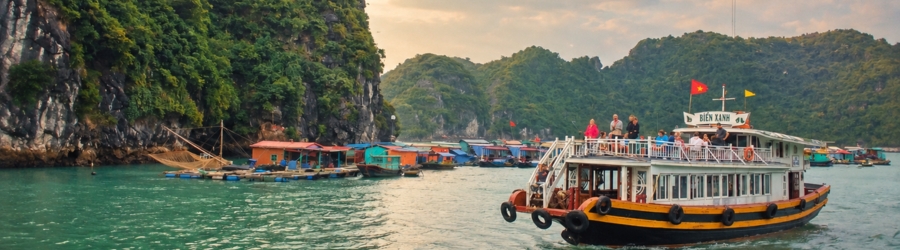
With its exotic landscapes, fascinating cultures and diverse experiences, Vietnam and Thailand are among the most popular destinations in Southeast Asia. However, safety remains an important criterion when planning your trip. So, how can you choose Vietnam or Thailand for a safe trip depending on the way you travel ? And is Vietnam safer than Thailand ? Each destination has its own characteristics and points to consider. In this article, Autour Asia helps you compare Vietnam and Thailand to better understand their differences and choose the destination that meets your expectations for your next trip to Asia.
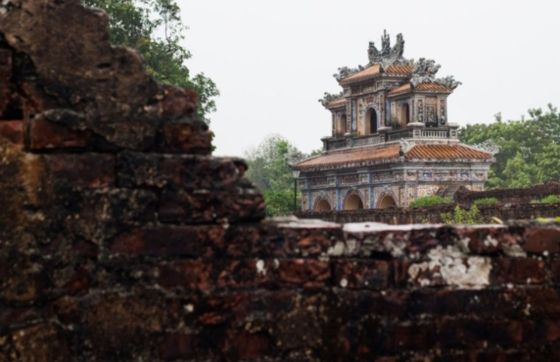
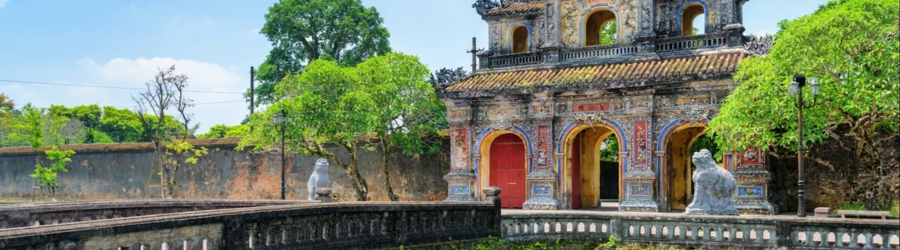
Planning a trip to Hue in November requires a little more flexibility than at other times of the year. Visiting Hue in November means experiencing the rainy season in central Vietnam, with prolonged showers and a risk of flooding. However, this period can also be an opportunity to explore the former imperial capital’s royal heritage, pagodas and renowned cuisine in a quieter atmosphere. The key is to choose your activities carefully, prepare alternative plans and check the weather conditions before setting out.
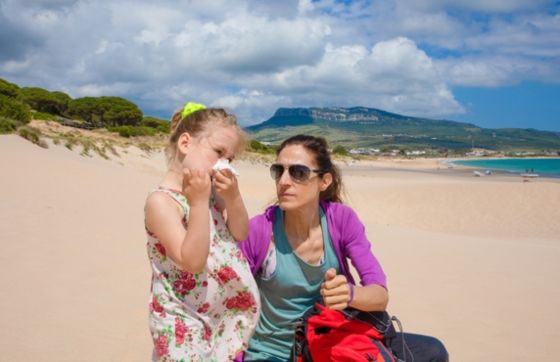
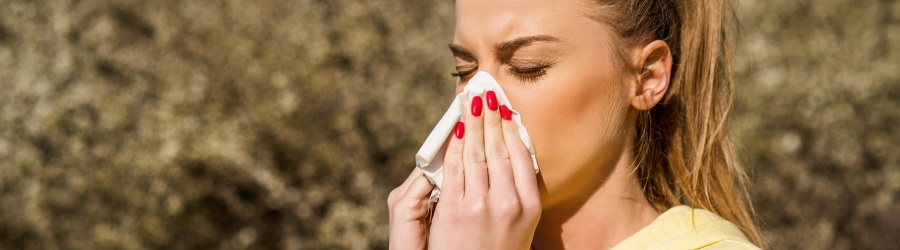
When travelling in Cambodia, some everyday habits may raise questions about local customs. Is blowing your nose in public considered polite? How should you behave in restaurants, on public transport or during a visit? These small details matter when you want to respect the local culture. Discover how to manage blowing your nose in Cambodia discreetly, along with practical tips on using tissues during your trip. Autour Asia, Cambodia travel agency, helps you discover local customs with advice tailored to travellers. From Cambodia travel etiquette to personal hygiene and everyday situations, a few simple guidelines can make your journey more comfortable. In Phnom Penh, Siem Reap or Kampot, understanding local customs helps you avoid awkward moments while making the most of your stay.
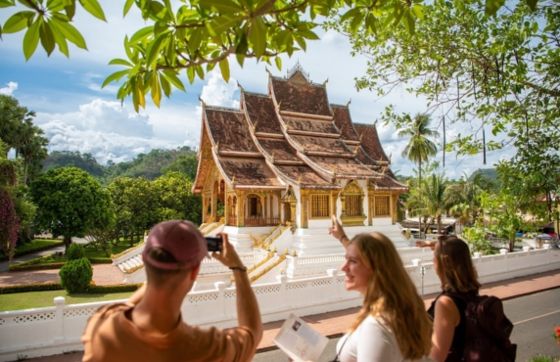
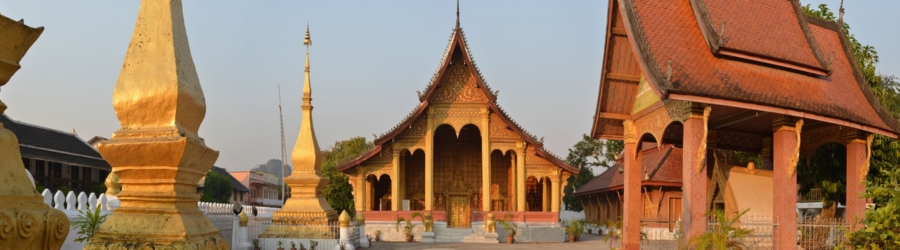
Blow your nose in Laos is not necessarily considered rude, but it is best to do so discreetly, especially in quiet places or during meals. If you have a cold, use a clean tissue and avoid blowing your nose loudly in public. In temples and other places of worship, respect the peaceful atmosphere and local customs. If you need to blow your nose frequently, step away from others for a moment whenever possible. Finally, dispose of used tissues in a rubbish bin. These simple habits will help you observe good manners during your trip to Laos.


 FR
 EN
