
Ever dreamed of drifting through thousands of emerald peaks rising from the sea ? Welcome to Halong Bay, a UNESCO World Heritage Site and one of Vietnam’s most remarkable natural landscapes. For many travelers, travel to Halong Bay is the highlight of their Vietnam journey. With more than 1,900 limestone islets and countless cruise options, planning the trip can feel overwhelming for first-time visitors. That’s why this comprehensive Halong Bay travel guide is here to help. With thoughtful insights from Autour Asia, this guide shares the essential things to know before visiting Halong Bay, helping you prepare with confidence and make the most of your journey. Get ready for an unforgettable experience in one of the world’s most breathtaking seascapes.
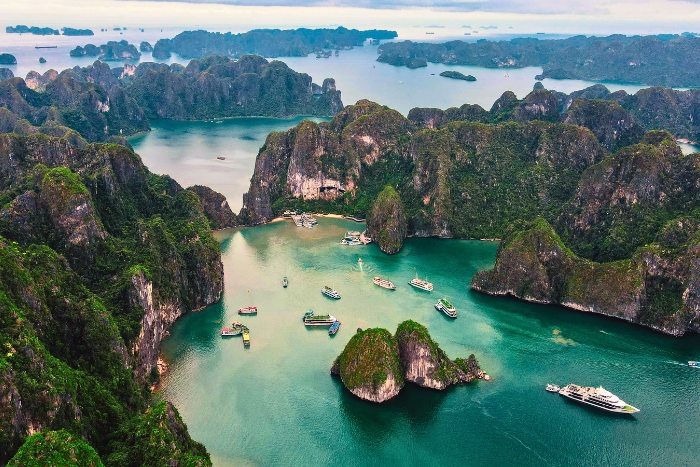
Located in Quang Ninh Province in northeastern Vietnam, Halong Bay lies about 155-170 kilometers from Hanoi, making travel to Halong Bay a convenient escape from the capital. Part of the Gulf of Tonkin, this UNESCO World Heritage Site was recognized in 1994 for its natural beauty and again in 2000 for its geological value. The bay covers more than 1,500 km² and is home to nearly 2,000 limestone islands and islets formed over 500 million years of geological evolution. It is important to distinguish between Halong City, the mainland gateway, and the protected bay area itself. Geographically, Halong Bay connects with Lan Ha Bay to the south and Bai Tu Long Bay to the northeast, forming one continuous seascape.

Choosing the best time to visit Halong Bay is important, as weather strongly shapes the overall experience. Most travelers prefer the so-called "golden seasons" : Spring (March-May) and Autumn (September-November), when skies are clearer, humidity is lower, and waters are calmer, ideal for cruising, photography, and kayaking. Summer (June-August) can be hot and humid, with the peak of typhoon season from July to September occasionally causing cruise delays or cancellations. Winter (December-February) is cooler and often misty, creating a quiet, atmospheric setting, though swimming becomes less appealing. Checking the weather forecast in advance can help ensure a smoother trip.
Most visitors begin their journey in Hanoi, and smooth transport from Hanoi to Halong Bay has made the trip far easier than before. Travel time now averages 2.5-3 hours thanks to the modern expressway. Common options include :
There is no direct train to Halong Bay’s cruise ports. Travelers may take a train to Hai Phong or Ha Long City and continue by road, though this option is slower and less commonly used. Many cruises include round-trip transfers, which simplifies planning a broader Halong Bay itinerary, especially for first-time visitors.

While the scenery is the main draw, enjoying local seafood is also one of the popular things to do in Halong Bay. The region is especially known for cha muc (grilled squid patties), a local specialty with a distinctive chewy texture and rich flavor. Cruises typically serve seafood-based set menus featuring fresh crab, mantis shrimp, clams, and oysters grilled with scallion oil. If you have time on the mainland, Hon Gai offers a more local dining experience, while Bai Chay caters to visitors with a wider range of tourist-friendly restaurants.
Wondering how to fill your days in this maritime paradise ? From peaceful drifting to immersive cruising, here are the absolute best things to do in Halong Bay :

Spending a night on the water is widely considered the defining Halong experience. As highlighted in any reliable Halong Bay travel guide, most cruises operate like floating hotels, departing around midday and returning the next morning, offering roughly 24 hours on board. Typical itineraries include a cave visit, kayaking or a bamboo boat ride, a stop at Titop Island, sunset viewing, a cooking class, and a short Tai Chi session at sunrise. The 2 days 1 night option is the most popular, while 3 days 2 nights allows a slower pace and access to quieter routes.

Even beginners can enjoy kayaking when they travel to Halong Bay. This activity brings visitors close to limestone formations and into hidden lagoons unreachable by large boats. Popular areas include Luon Cave and Ba Hang, where kayaks pass beneath low rock arches into calm, enclosed waters. For those who prefer not to paddle, traditional bamboo boats rowed by locals are also available. Calm conditions and provided life jackets make the experience safe and suitable for all levels.

Towering karst formations conceal impressive cave systems shaped over millions of years. Among the essential things to know before visiting Halong Bay is that cave visits often involve climbing stone steps and walking along illuminated paths. Sung Sot Cave is the largest and most visited, while Thien Cung and Dau Go showcase dramatic stalactites and stalagmites. Me Cung Cave offers a more compact and atmospheric setting. Artificial lighting highlights intricate rock formations, revealing the bay’s remarkable geological history.

Titop Island is a classic stop in many Halong Bay itinerary options. Named after Soviet cosmonaut Gherman Titov, the island features a small crescent-shaped beach suitable for swimming during warmer months. A steep climb of roughly 400 steps leads to the summit, where visitors are rewarded with sweeping 360-degree views of limestone peaks scattered across the bay. As it is a popular stop, visiting earlier in the day usually provides a calmer and more enjoyable experience.

Life on the water reveals another side of the bay. A thoughtful Halong Bay travel guide often encourages visitors to explore floating villages such as Cua Van and Vung Vieng. While many original communities have been relocated for environmental protection, selected areas remain accessible for cultural visits. Typically reached by bamboo boat, these villages feature floating houses, fish farms, and daily routines shaped by the tides. Observing this traditional way of life adds meaningful human context to the dramatic limestone scenery.

As daylight fades, the atmosphere shifts completely. Many who travel to Halong Bay describe sunset from the cruise deck as one of the most memorable moments of the journey. The sky turns shades of orange and violet while limestone silhouettes reflect on calm waters. After dinner, cruises often organize squid fishing using simple rods and bright lights to attract squid near the surface. Although activity levels depend on weather and season, the peaceful nighttime setting itself makes the experience worthwhile.
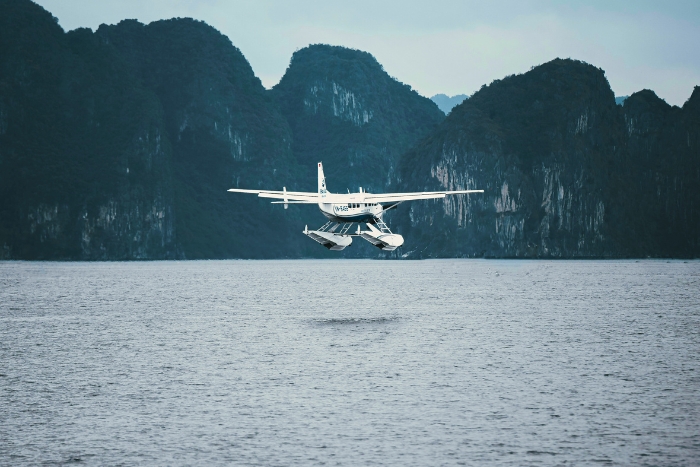
For a different perspective, a seaplane flight remains one of the most unique things to do in Halong Bay. A typical 25-minute scenic flight at around 300 meters reveals thousands of limestone islands scattered across jade waters. Takeoff and landing on water add a sense of adventure, while clear conditions provide panoramic views impossible to appreciate from sea level. Though weather-dependent and more costly, this aerial experience offers a striking overview of the bay’s vast natural landscape.
After exploring the highlights above, many travelers naturally ask : how many days to spend in Halong Bay is truly enough ? According to any practical Halong Bay travel guide, the ideal stay depends on pace and expectations. A 2 days 1 night cruise is the most popular choice, covering major things to do in Halong Bay such as kayaking, cave visits, and a stop at Titop Island, while balancing time and budget. For those with more time, a 3 days 2 nights program allows a slower rhythm, extra swimming, and access to quieter areas such as Lan Ha Bay or Bai Tu Long Bay. A day trip is possible, but it often feels rushed due to transfer time from Hanoi.
Choosing between these three neighboring bays often raises one big question : which bay should you choose for your Vietnam journey ? While they share similar limestone landscapes, the overall atmosphere and cruise experience can feel surprisingly different.
Halong Bay - Iconic and lively :
For travelers planning a classic Halong Bay itinerary, this bay offers the most convenient logistics and the widest cruise selection. It is ideal for first-time visitors seeking the iconic "postcard" scenery with well-developed infrastructure.
Lan Ha Bay - Peaceful yet accessible :
Lan Ha Bay feels quieter while still offering similar karst scenery. Many operators now provide the best Lan Ha Bay cruises, combining comfort with less crowded routes.
Read more : Camping trip on Lan Ha Bay
Bai Tu Long Bay - Remote and authentic :
A 2-day cruise in Bai Tu Long Bay appeals to travelers who value space and tranquility. Routes here often avoid the busiest cave systems, offering a more relaxed rhythm on the water.
See more : Bai Tu Long Bay Vietnam
So, which bay fits best ?
For anyone comparing options before travelling to Halong Bay, understanding these differences helps set realistic expectations. Each bay shares the same dramatic limestone backdrop, yet the mood on the water can feel entirely different.
So, how to choose the best Halong Bay cruise for your trip ? The right choice depends on budget, comfort, and travel pace. Understanding these differences is one of the key things to know before visiting Halong Bay, especially during peak seasons when cruises fill quickly.
This category works well for visitors who want to travel to Halong Bay without high costs. Facilities are simpler, but safety standards remain regulated by local authorities.
View detailed cruise itineraries :
- Regina Classic Cruise Halong Bay
- Regina Royal Cruise 3-Star Halong Bay
- Cozy Bay 3-star cruise
Many travelers consider this level the best balance between price and comfort. It suits families and couples seeking a relaxed yet well-organized cruise experience.
Find suitable cruise options here :
- Best 4 stars cruise Halong bay
- 4-star Velar of the Sea Ha Long Bay cruise
- Hera Grand Cruise 4-Star Halong Bay
- 4-Star Indochina Sails Cruise Ha Long Bay
Premium vessels, including several well-known luxury cruises in Halong Bay, focus strongly on privacy and atmosphere. These options appeal to honeymooners and travelers celebrating special occasions.
Before booking, always :
- Check recent guest reviews from verified platforms
- Confirm inclusions : transfers, kayaking, entrance fees, drink policies
- Verify departure port (Tuan Chau, Got Ferry, or Hon Gai)
- Book through reputable operators or official cruise websites
After choosing the right cruise and planning the route, a few final details can make the difference between a smooth journey and unnecessary stress. Any reliable Halong Bay travel guide would highlight the following practical tips before departure :
Keeping these points in mind allows visitors to fully enjoy the scenery and the many things to do in Halong Bay without avoidable complications.
Ultimately, there is a reason why this mystical seascape remains one of the most iconic images of Vietnam. Whether drifting through the silence of a hidden lagoon or watching the sunset color limestone peaks in soft violet tones, travel to Halong Bay is an experience that lingers long after the mist has cleared. This Halong Bay travel guide aims to provide clarity and practical insight, helping travelers plan with confidence. The secret to a smooth and rewarding journey lies in the small details, from choosing the right season to understanding the essential things to know before visiting Halong Bay. With a little help from the local experts at Autour Asia, your journey into this UNESCO wonderland is bound to be nothing short of legendary. So, are you ready to set sail ?
You might be interested in :
- Ready to turn this Halong Bay travel guide into reality ? Let Autour Asia, your trusted Vietnam travel agency, craft a personalized journey that makes every moment in Halong Bay count.
- Halong Bay Travel Guide
- North Vietnam Tours
- Best 4 Star Cruise In HaLong Bay
- Halong Bay Cruises










 FR
FR ITA
ITA