The artisan villages of Quang Binh represent an important part of the province’s cultural identity. For generations, local communities have developed traditional crafts closely connected to the natural resources surrounding them, such as the sea, bamboo, rattan, palm leaves, and rice.
These traditional activities are not only means of local production but also reflect the history and traditions of each community. The production of fish sauce, mat weaving, conical hat making, and traditional basket weaving perfectly demonstrate the richness of Vietnamese traditional craftsmanship.
For travelers wishing to discover Quang Binh differently, visiting these villages offers an excellent opportunity to enjoy an authentic experience, observe artisans at work, and better understand the traditions that shape the daily lives of local people.
Located in Quang Trach District, in the northern part of Quang Binh Province, Canh Duong is one of the most iconic coastal villages in the region. With a history spanning several hundred years, this village has maintained a strong maritime identity, where fishing continues to play an essential role in the daily lives of its inhabitants.
Canh Duong is particularly famous for its traditional production of nuoc mam, the well-known Vietnamese fish sauce. For generations, local families have preserved an artisanal method based on the natural fermentation of fresh fish with salt over several months. This process requires patience, experience, and knowledge passed down from one generation to another to create a sauce with a rich and authentic flavor.
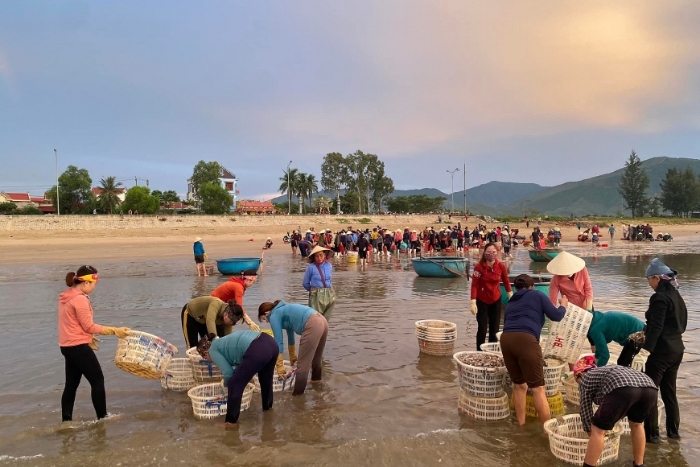
During a visit to this Quang Binh artisan village, travelers can explore family workshops, observe large fermentation jars, and interact with local producers. This experience helps visitors better understand the importance of nuoc mam in Vietnamese cuisine and in the cultural life of coastal communities.
Beyond its traditional craft, Canh Duong also attracts visitors with its peaceful atmosphere, old houses, fishing traditions, and colorful murals. It is an ideal stop for travelers looking for an authentic experience in Quang Binh, away from the usual tourist routes.
Located just opposite Dong Hoi City, Bao Ninh Village is another interesting destination to discover the local culture of Quang Binh. Once known as an important fishing village, Bao Ninh still preserves many traditions related to the sea and the lifestyle of coastal communities.
Like Canh Duong, Bao Ninh is also recognized for its traditional fish sauce production. In small family workshops throughout the village, local residents continue to use traditional methods to preserve the natural quality and distinctive flavor of this iconic Vietnamese culinary product.
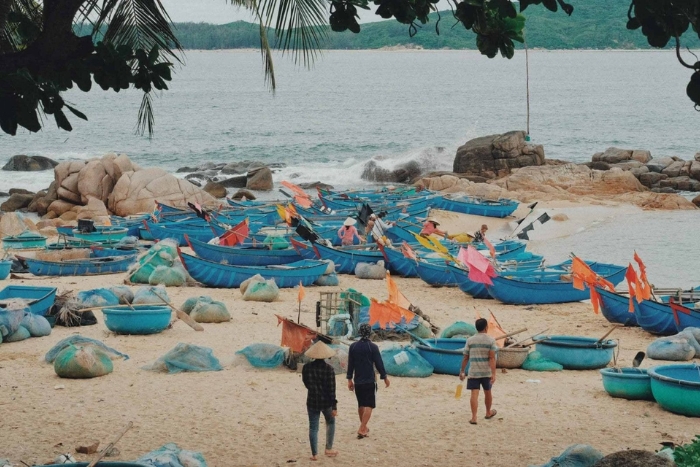
A visit to Bao Ninh offers a simple yet enriching immersion into the daily life of local fishermen. Travelers can learn about traditional production techniques, taste regional specialties, and understand the deep connection between the community and the sea. Thanks to its location near Dong Hoi, Nhat Le Beach, and other major attractions, Bao Ninh is an easy cultural stop to include in a Quang Binh travel itinerary.
Among the artisan villages of Quang Binh, Quy Hau is particularly famous for its traditional conical hat craft, an iconic symbol of Vietnamese culture. For generations, villagers have preserved this tradition by making handmade conical hats that are still used in everyday life.
The production of a conical hat requires great precision and patience. Artisans carefully select natural leaves, prepare the bamboo frame, and create delicate stitches to assemble each part of the hat. Every step requires technical expertise inherited from previous generations.
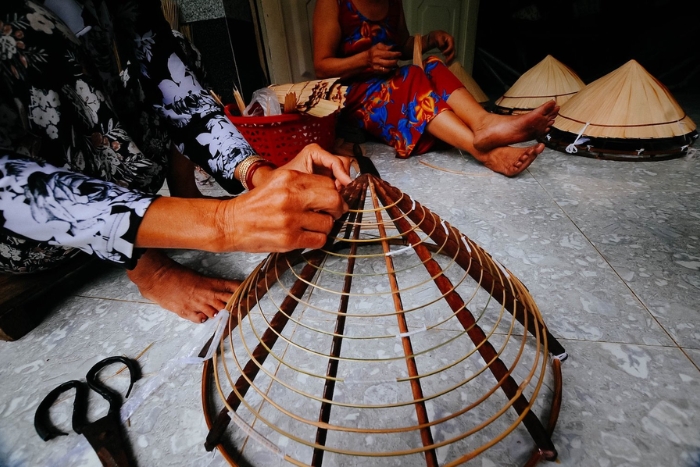
Visiting Quy Hau allows travelers to understand the value of the cultural heritage of Quang Binh and the importance of traditional crafts in rural communities. It is also a wonderful opportunity to observe authentic Vietnamese craftsmanship and bring home a meaningful local souvenir.
Located in Le Thuy District, An Xa Village is one of the artisan villages of Quang Binh that continues to preserve a traditional craft passed down through generations: making mats from sedge. Once an essential item in Vietnamese households, these handmade mats have become a symbol of local craftsmanship and rural culture.
The production of sedge mats requires several careful steps, from preparing and drying the sedge fibers to weaving them on traditional looms. With patience and skill, local artisans transform simple natural materials into practical and beautiful products. Visiting An Xa allows travelers to discover a lesser-known aspect of the cultural heritage of Quang Binh and observe the daily work of villagers in a peaceful rural setting.
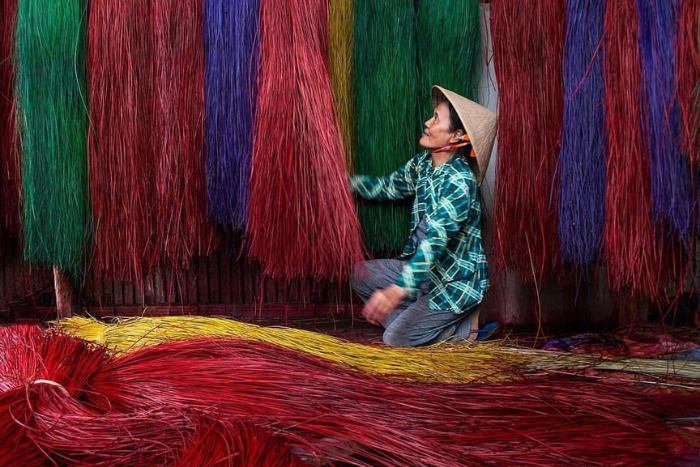
This encounter with local artisans offers a different experience from classic sightseeing tours and helps visitors better understand the connection between communities, natural resources, and traditional practices.
Tho Don Village is known for its traditional basket weaving craft, mainly using bamboo and rattan, two natural materials widely used in Vietnamese culture. For many years, local residents have developed this craft to create various everyday items such as baskets, trays, containers, and decorative products.
Creating these handmade products requires great precision and a deep understanding of natural materials. Artisans carefully select bamboo and rattan stems, prepare them, and skillfully weave them into strong and elegant objects. This craftsmanship perfectly reflects the spirit of Vietnamese traditional handicrafts, where simple materials are transformed into useful and sustainable creations.
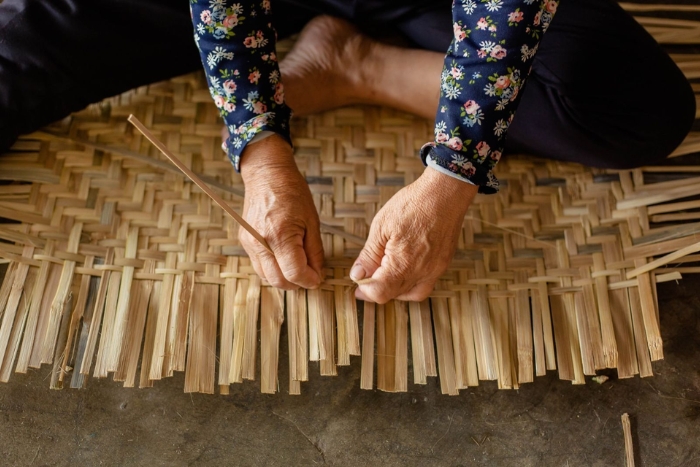
For travelers interested in community-based tourism in Quang Binh, discovering Tho Don offers a valuable opportunity to interact with local people, observe traditional techniques, and understand the role of these crafts in preserving local identity.
6. Tan An Rice Paper Village: A Traditional Culinary Experience
Tan An Village is famous for its traditional production of rice paper, a product that plays an important role in Vietnamese cuisine. Made mainly from rice flour, these rice papers are used in many local dishes and remain an essential part of daily life in the region.
In the village, artisans continue to follow traditional methods, including preparing rice batter, steaming the sheets, and naturally drying them under the sun. The long rows of rice papers spread out in front of houses create a typical rural scene and reflect the peaceful rhythm of life in Quang Binh’s countryside.
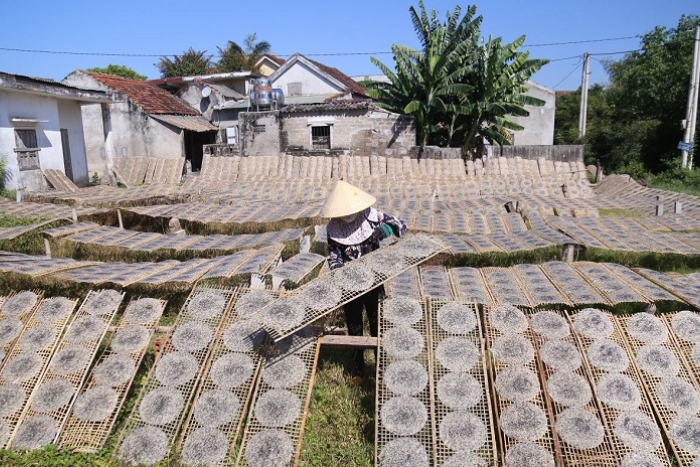
Visiting Tan An allows travelers to experience another aspect of cultural travel in Quang Binh, where gastronomy, family traditions, and handicraft activities are closely connected. This simple yet authentic experience helps visitors gain a deeper understanding of the daily lives of local communities.
Beyond the artisan villages located in the plains and coastal areas, Quang Binh is also home to remarkable cultural diversity thanks to several ethnic communities living in the mountainous areas of the western region.
The villages of ethnic groups in Quang Binh offer a unique experience for travelers who wish to discover Vietnam’s ancestral traditions. Over generations, these communities have developed a strong relationship with their natural environment while preserving their own customs, languages, cultural practices, and traditional lifestyles.
Discovering these villages represents another approach to travel, based on meaningful encounters, respect for local cultures, and exchanges with indigenous communities.
The Bru Vân Kiều are one of the main ethnic groups living in Quang Binh. They mainly inhabit the mountainous areas in the western part of the province, especially in Bo Trach, Minh Hoa, and Le Thuy Districts, near the border with Laos.
The culture of the Bru Vân Kiều is deeply connected to nature and community traditions. Their lifestyle has long been based on agriculture, sustainable use of forest resources, and the transmission of knowledge between generations. Traditional songs, musical instruments, community festivals, and ancestral beliefs play an important role in their cultural identity.
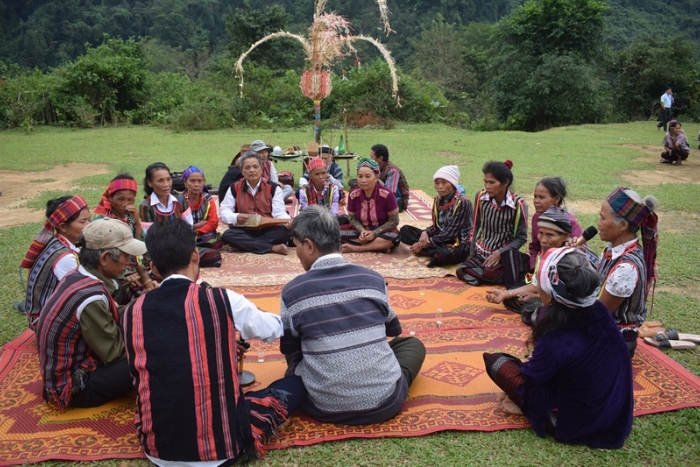
Among the most remarkable events is the Ma Coong Drum Festival, a traditional celebration that brings the community together through music, dances, and cultural exchanges. This event highlights the richness of the intangible cultural heritage of Quang Binh’s ethnic communities.
Meeting the Bru Vân Kiều allows travelers to discover another side of the province, more authentic and deeply human, where traditional values remain alive in everyday life.
The Chứt are also an important ethnic community in Quang Binh. They include several groups such as the Rục, A Rem, Sách, Mày, and Mã Liềng, mainly living in the mountainous and forested areas of western Quang Binh.
For a long time, some Chứt communities lived in isolated areas, especially among limestone mountains. Their close relationship with nature allowed them to develop unique knowledge about their environment, including the use of medicinal plants, traditional hunting techniques, and adaptation to forest life.
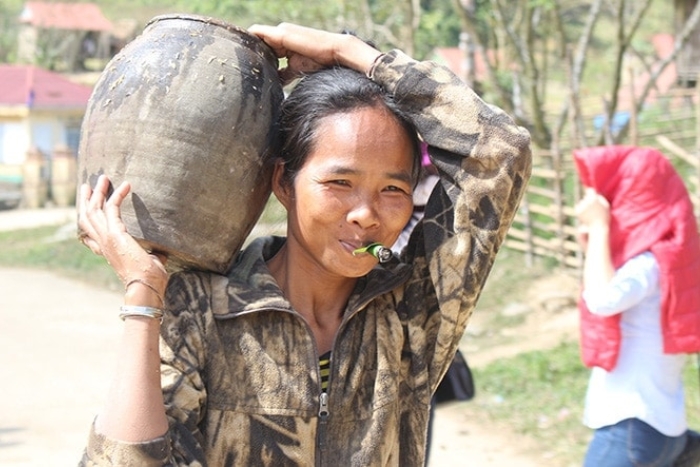
Today, the Chứt communities represent a fragile cultural heritage that deserves to be protected. Discovering their villages should be part of a form of responsible tourism in Quang Binh, based on respect for local people, their traditions, and their natural environment.
For travelers seeking an off-the-beaten-path experience in Quang Binh, meeting the Chứt communities provides a rare opportunity to understand an ancient culture and discover the ethnic diversity of Vietnam.
Exploring the artisan villages and ethnic communities of Quang Binh reveals a different side of this province, beyond its famous caves and natural landscapes. Behind the wonders of Phong Nha Ke Bang lies a land rich in traditions, craftsmanship, and human stories.From the fishing villages of Canh Duong and Bao Ninh to the artisan workshops of Quy Hau, An Xa, Tho Don, and Tan An, each destination tells a unique story about local identity. Further west, encounters with the Bru Vân Kiều and Chứt communities offer an immersion into ancestral cultures deeply connected to mountains and forests.For travelers wishing to discover Quang Binh differently, these cultural experiences provide an authentic way to meet local communities, understand Vietnamese traditions, and enjoy a more meaningful journey.








 FR
FR ITA
ITA