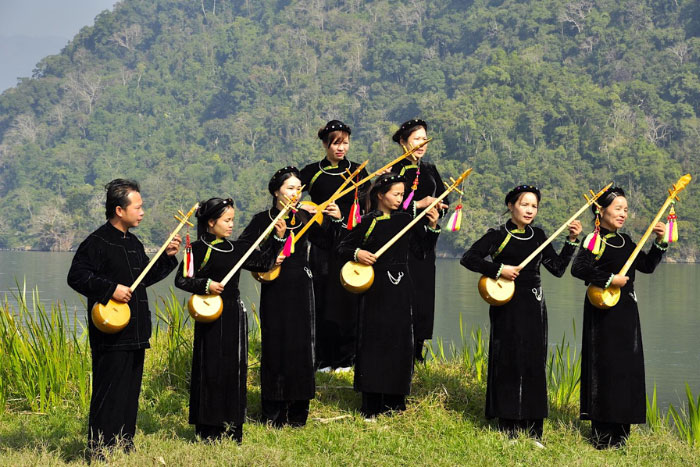
Cultural Immersion: Pac Ngoi Village is a treasure trove of Tay ethnic culture. Embrace their unique customs, traditions, and lifestyles. Engage with locals, witness their daily routines, and participate in their festivals if you're lucky to catch one during your visit.
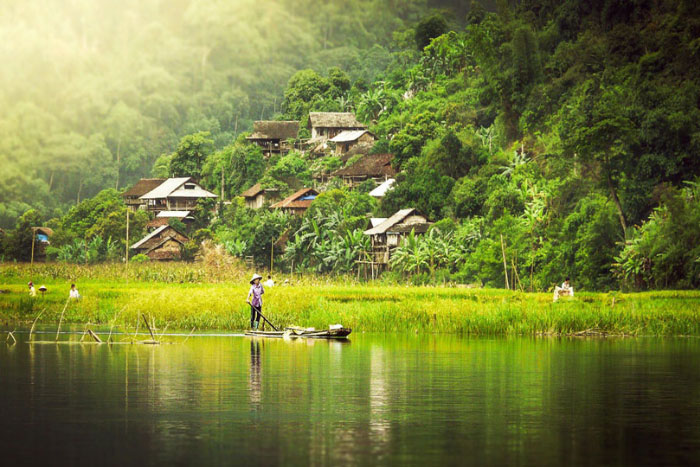
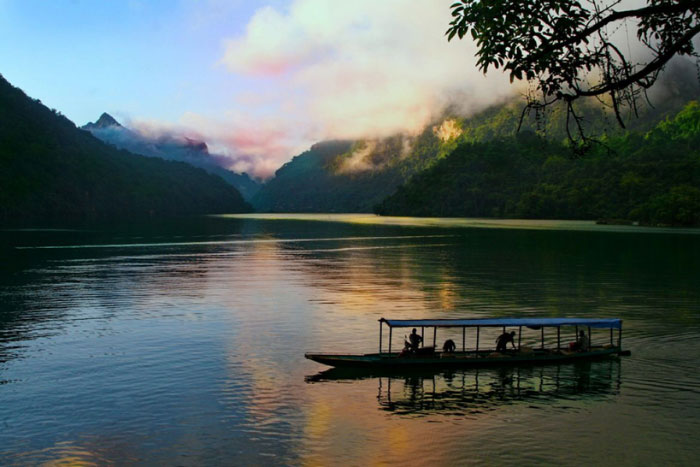
Scenic Splendor: The village is nestled amidst breathtaking landscapes. Be ready for postcard-perfect views of lush paddy fields against the backdrop of imposing mountain ranges. The Ba Be Lake and its serene surroundings will captivate your senses and inspire awe.
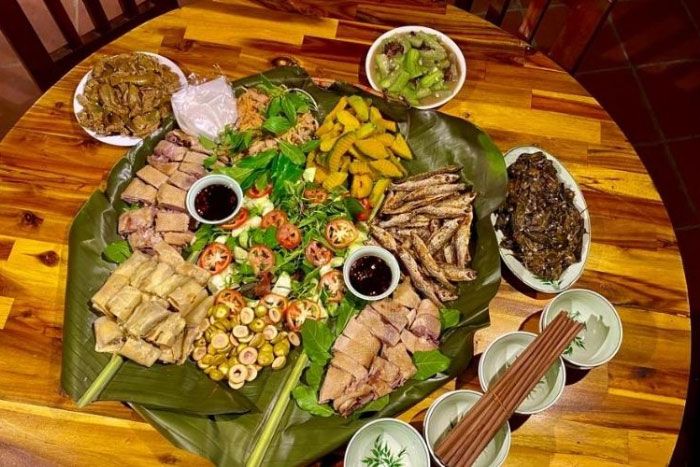
Cuisine Delights: Don't miss the chance to savor authentic Tay cuisine. Explore their traditional dishes, from grilled fish caught in Ba Be Lake to locally sourced ingredients that flavor their delectable offerings. Each bite tells a story of the region's culinary heritage.
Homestay Experience: Opt for a homestay to truly immerse yourself in the Tay community. It's not just about accommodation; it's a chance to live, dine, and share stories with locals, understanding their way of life firsthand.
Nature Walks: Take leisurely strolls through the village's picturesque surroundings. Trek along nature trails, soak in the tranquility, and marvel at the unspoiled beauty that characterizes Ba Be National Park.
Cultural Workshops: Engage in traditional craft workshops. Learn about their intricate embroidery, weaving techniques, or the art of making local instruments. It's an opportunity to appreciate their craftsmanship and artistic skills.
Respect Local Customs: Lastly, always be respectful of the community's traditions and practices. Be open-minded, courteous, and eager to learn about their way of life without intruding or causing discomfort.
Transportation: If you're driving, ensure your vehicle is well-maintained for the journey. The roads leading to the village might vary in conditions, so a sturdy vehicle is recommended. Alternatively, consider hiring a local guide with knowledge of the routes and terrains.
Safety Measures: Prioritize safety at all times. The terrain might be unfamiliar, so follow safety guidelines, especially if you plan on trekking or hiking. Wear appropriate footwear, carry essential supplies like water and snacks, and inform someone about your itinerary if going off the beaten path.
Money Matters: Cash is king in rural areas. While some places might accept cards, it's advisable to carry sufficient local currency for transactions. ATMs might not be readily available, so ensure you have enough cash. Remember to keep your money secure, perhaps in multiple locations or a money belt for added safety.
Health Precautions: Take necessary health precautions. Carry any prescribed medications, a basic first-aid kit, and insect repellent. Stay hydrated and avoid drinking untreated water to prevent any health issues.
Communication: Network coverage might be limited in remote areas. Inform someone trustworthy about your plans and expected return time. Consider purchasing a local SIM card or portable Wi-Fi device for better connectivity if needed.
With this we hope to provide you enough information Pac Ngoi village. Hopefully your trip amid the vietnam majestic nature and authentic culture goes splendidly. If there is any more information you wish to know or to make a tour to Pac Ngoi village, don’t hesitate to contact us - AUTOUR ASIA - a Vietnam travel agency.


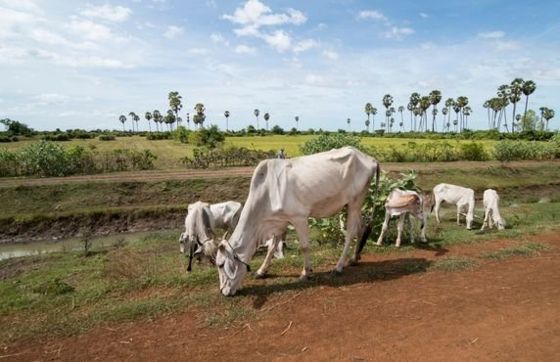
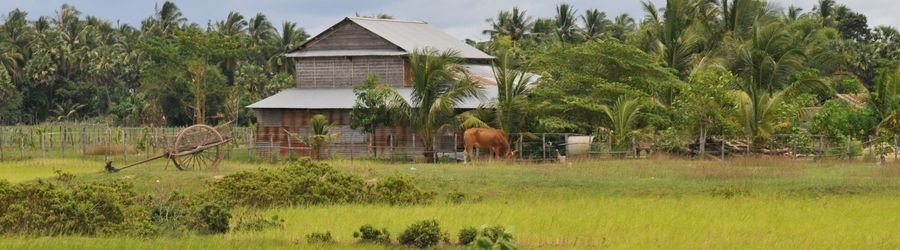
After exploring Angkor’s temples, bustling markets and the streets of Phnom Penh, Cambodia can also be discovered through its countryside. A weekend farm tour in Cambodia offers a chance to slow down and experience a rural way of life that remains closely connected to the land, the seasons and the harvest. Depending on the region, you may take part in farm activities, cook with a local family or follow rural paths between rice fields and orchards. This countryside escape is ideal for couples and families looking to experience Cambodia beyond the usual tourist routes. To make travel easier and choose an experience suited to your needs, a Cambodia travel company can also incorporate this rural immersion into a more comprehensive itinerary.
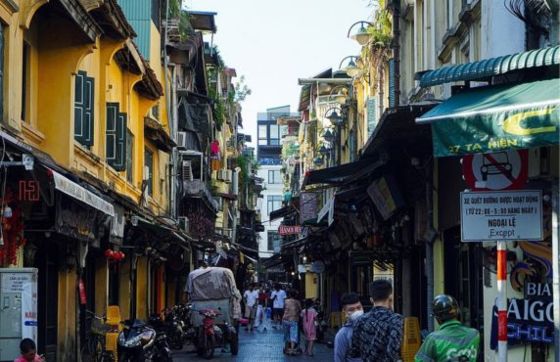
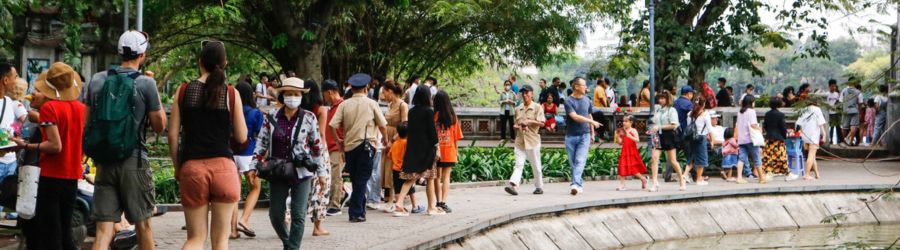
In Hanoi, walking is not just a way of getting around: it is one of the best ways to experience the rhythm of the capital. Between the bustling shopping streets of the Old Quarter, colonial-era façades, shady lakes and street food stalls, each area has its own atmosphere. But which Hanoi walking tour should you choose if you have half a day, a full day or just a few hours? This guide presents five ways to explore the city, from Hoan Kiem Lake to Long Bien Bridge, via Truc Bach and Hanoi’s food districts. Heritage, photography, gastronomy or local life: everyone can find a route that suits them. To plan a more comprehensive trip, the Local travel agency in Hanoi - Autour Asia can also help you incorporate Hanoi into the other stages of your itinerary.
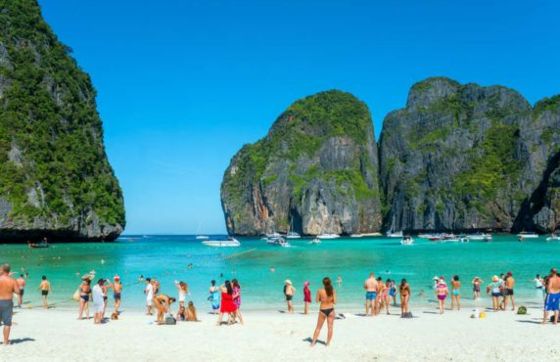
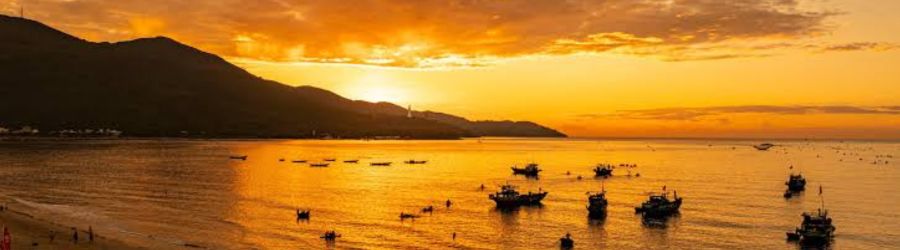
A 3 weeks in Vietnam with beach itinerary allows you to combine cultural discoveries, natural landscapes, and a few days of seaside relaxation, without turning the trip into a succession of transfers. In 21 days, it is possible to start in Hanoi, discover Ha Long Bay or Lan Ha Bay, continue to Hue and Hoi An, then head south before ending with a beach destination suited to the season. But where should you go to the beach in Vietnam? The answer depends mainly on the time of year: Phu Quoc is particularly suitable during the dry months in the South, while Da Nang, Hoi An, or Quy Nhon are good options during part of the year. To build a coherent itinerary, the Vietnam travel agency - Autour Asia can also adapt the stops to each traveler's pace and preferences.
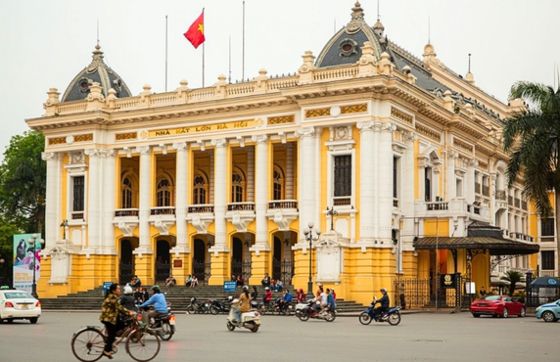
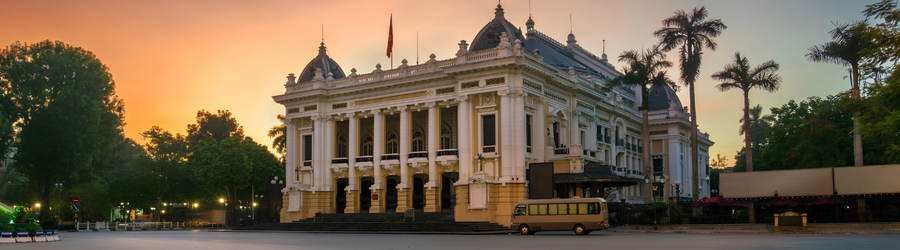
Located in the heart of Vietnam’s capital, the Hanoi Opera House is one of the city’s most iconic cultural and architectural landmarks. Built during the French colonial period, this elegant building has become an essential stop for travelers interested in Hanoi’s history and performing arts. But what can you actually see during a visit? Is visiting Hanoi Opera House possible without attending a show, and is a Hanoi Opera House tour worth adding to your itinerary? In this guide, discover the history, architecture, cultural significance and practical information you need to make the most of your visit to the Hanoi Opera House Vietnam.

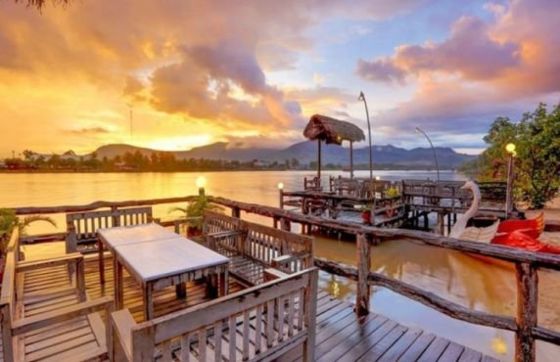

Traveling with children in southern Cambodia makes it easy to enjoy a variety of experiences: peaceful small towns, tropical landscapes, beaches, islands, local markets, and nature discoveries. To know where to visit Southern Cambodia with family, however, it is better not to include too many stops. Kampot, Kep, and the islands of Preah Sihanouk Province offer complementary atmospheres, with family-friendly activities and plenty of opportunities to relax. The choice mainly depends on the children’s age, your preferred pace, and the season. In this guide, we offer a balanced itinerary and practical ideas for organizing your stay, with advice from Cambodia travel company - Autour Asia to help you enjoy southern Cambodia without turning your holiday into a race against the clock.
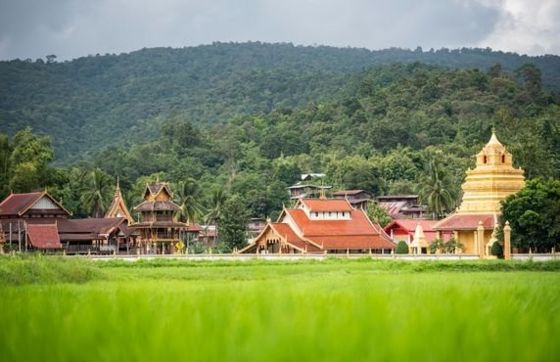
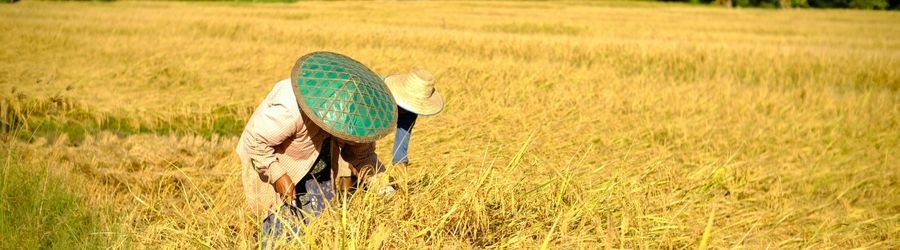
When we think of Thailand, the first images that often come to mind are temples, lively markets, tropical islands, or the beaches of the south. Yet, the country has another, more discreet side that is deeply connected to its identity: its countryside and agricultural heritage. Today, agritourism trends are attracting travelers looking for authentic experiences, closer to nature and local communities. To discover this different side of Thailand, a Thailand travel company can include rural stops in a classic itinerary. It is a great way to slow down, taste local products, and understand the daily life of local communities.

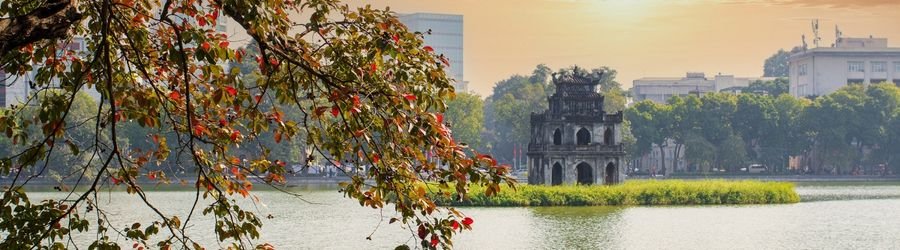
In the heart of Hanoi, some places tell the story and spirit of the Vietnamese capital better than others. Hoan Kiem lake is certainly one of them. Surrounded by trees, historic monuments and lively streets, it is a meeting point between heritage, traditions and daily life. A walk around the lake also allows visitors to experience the unique rhythm of Hanoi, from early-morning tai chi sessions to family walks and the lively atmosphere of the weekend. For travelers who want to discover the capital in a different way, this iconic site deserves a place in any itinerary planned by a Vietnam travel agency. But what is really hidden behind this famous lake?



 FR
FR EN
EN