
Backpacking Or Comfort Travel In Thailand - Which Style To Choose?

Thailand attracts millions of travelers every year thanks to the richness of its landscapes, culture, and hospitality. Even before booking flights and hotels, many ask themselves the same question: backpacking in Thailand or comfort travel in Thailand – which style should you choose? Each style has its advantages, depending on your budget, available time, and personal expectations. In this comparative article, we take a detailed look at both styles to help you determine your preferred way to travel in Thailand.
Backpacking or Comfort travel in Thailand?
I. Backpacking in Thailand
The term "backpacker" comes from the English word 'backpack". In French, it refers to a "routard", an adventurer, a globetrotter or more simply, a traveler with a backpack.
Travel backpack, or backpacking, describes a way of traveling on a limited budget, carrying only a backpack as main luggage, and having complete freedom in planning one’s itinerary.
Learn more about: Thailand backpack travel
- Why choose backpacker travel?
Backpacker travel, or traveling with a backpack, offers an alternative to traditional tourism by focusing on freedom, autonomy, and budget control. Contrary to common misconceptions, it relies on thoughtful organization and careful choices.
By favoring public transport and budget accommodations, backpackers can travel longer while keeping expenses under control. This style of travel also encourages encounters with local people and a more direct cultural immersion. Far from being disorganized, backpacking often requires good adaptability, planning skills, and the ability to manage unexpected situations.
This type of travel is often associated with slow travel. Travelers move less and spend more time in each destination, allowing them to better understand local culture, traditions, and lifestyle.
Contrary to the image of a selfish or marginal trip, travel backpack is a formative experience that promotes independence and openness to the world.

- How does backpacking in Thailand work?
Practically, backpacking Thailand revolves around a few key elements: daily budget, type of accommodation, modes of transport, and local dining. These factors determine the cost of the trip, the level of comfort, and the richness of experiences on site.
1. Daily budget
Thailand is one of the most accessible destinations for backpacker travel. It allows travelers to combine authentic experiences with a controlled budget travel Thailand, even on long trips. With careful management, a Thailand backpacking trip can plan for a monthly budget between 850 and 1000 euros, excluding flights.
On average, the daily budget ranges from 20 to 35 euros. This budget generally includes:
Local transport: 3 to 6€ per day;
Budget accommodation: 8 to 30€ per day;
Local dining: 5 to 20€ per day;
Activities: 0 to 5€ per day.
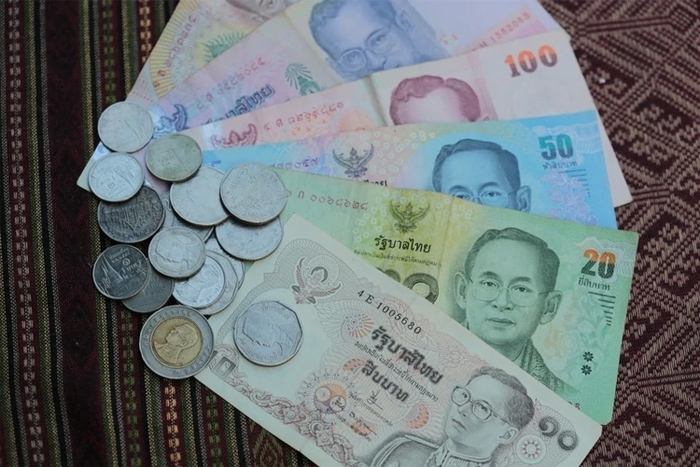
Most savings come from accommodation, local dining, and the use of public transport, making Thailand a particularly suitable destination for backpacker travel.
2. Backpacker accommodation
Travelers mainly choose simple, budget-friendly accommodation during a backpacking Thailand. The most common options are hostels, guesthouses, or homestays. These choices reduce costs while offering, depending on the location, a friendly atmosphere conducive to meeting other travelers. Staying with locals also provides better immersion in the local culture.

3. Transport and getting around
During your Thailand backpacking trip, transportation relies mainly on local, affordable and widely accessible options.
Long-distance buses connect major cities and key tourist regions at a low cost. Night trains offer a practical alternative for long distances, allowing travelers to travel overnight and save on one night’s accommodation.
In cities and rural areas, songthaews are widely used for short trips and serve as a traditional local transport option. Urban buses are the most economical choice for daily city travel.
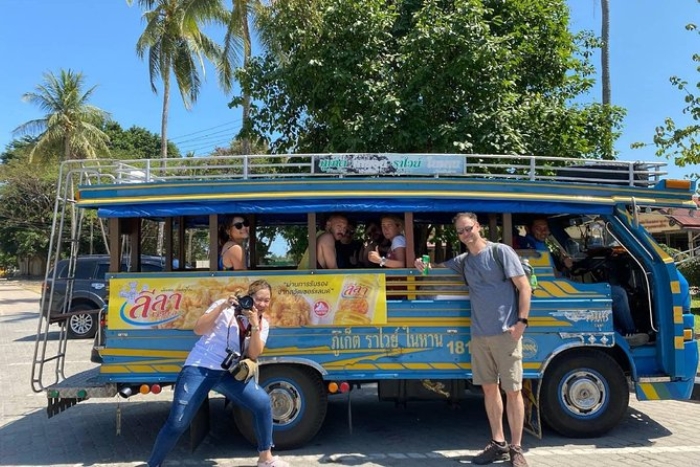
Scooter rentals are often chosen to explore surrounding areas freely, especially in small towns and on islands. Public ferries provide affordable connections between the mainland and the islands.
Taxis and ride-hailing apps (Grab, Bolt) are occasionally used by backpackers, mainly to avoid haggling over prices. More expensive than local transport, they are not the main travel method for backpacking Thailand. They serve primarily as a convenient, flexible and occasional solution while remaining compatible with a controlled budget.
Although travel times may be longer, these modes of transport help reduce costs and allow a more flexible pace, suitable for backpacking.
Don’t miss: Cheapest ways to get around Thailand
4. Local dining
Local dining plays a central role while backpacking in Thailand. Travelers usually eat at street food stalls, small local restaurants or night markets, where Thai cuisine is simple, varied, and affordable. These options help control the budget travel Thailand while offering an authentic discovery of local flavors and everyday eating habits.

Explore: Bangkok Street Food
II. Comfort travel in Thailand
Comfort travel in Thailand refers to a way of traveling that combines discovering the country with well-being, while prioritizing a high level of comfort and smooth organization. It is aimed at travelers who want to explore Thailand without the logistical constraints and fatigue associated with intensive travel.
Unlike backpacking in Thailand, comfort travel follows a slower, more balanced pace. Itineraries are carefully planned to allow time to rest, enjoy the sites, and appreciate each stage of the trip, without pressure or an excessive chain of activities.
- Why choose comfort travel?
Choosing comfort travel in Thailand allows for a relaxed journey with quality services and professional guidance. Accommodations are selected for their comfort, tranquility, and amenities, ranging from comfortable hotels to high-end establishments.
This type of travel is particularly suited for couples, families, senior travelers, or those with limited time. It ensures a good level of safety, comfort, and service while offering a gentler, more relaxing travel experience.
Comfort travel does not mean a standardized or superficial experience. It still includes cultural experiences, local encounters and authentic discoveries, but within a better-organized and more comfortable framework.

- How does comfort travel in Thailand work?
Practically, a comfort travel in Thailand revolves around several key elements: a higher but controlled budget, comfortable or high-end accommodations, optimized or private transportation, and varied dining.
Activities combine cultural visits, private or small-group excursions, and relaxation moments such as spas, massages, yoga, golf, or culinary experiences. Travel prioritizes faster and more pleasant options to avoid long, tiring journeys and maximize time on site.
All these elements together provide a harmonious balance between discovery, relaxation, and comfort, creating a smooth, enjoyable, and stress-free travel experience in Thailand.
1. Daily budget
Comfort travel in Thailand requires a higher budget but allows traveling in good conditions, with more comfort and fewer constraints. The average budget ranges from 80 to 150€ per day per person, depending on the level of services and activities chosen. For two weeks, plan approximately 1700 to 2100€ per person (excluding flights). For one month, the budget usually ranges between 3000 and 4200€. This budget includes:
High-end accommodation: 40 to 80€ per night;
Dining: 20 to 30€ per day;
Transport: 15 to 30€ per day;
Activities and excursions (diving, temples, parks): 10 to 20€ per day.
For additional services (shopping, tipping in Thailand…), plan around 40 to 50€ per day.
See also:
2. Luxury accommodation
During luxury travel Thailand, accommodation is central. Travelers mainly choose 4- and 5-star hotels, resorts, and boutique hotels, selected for the quality of their services and relaxing environment.
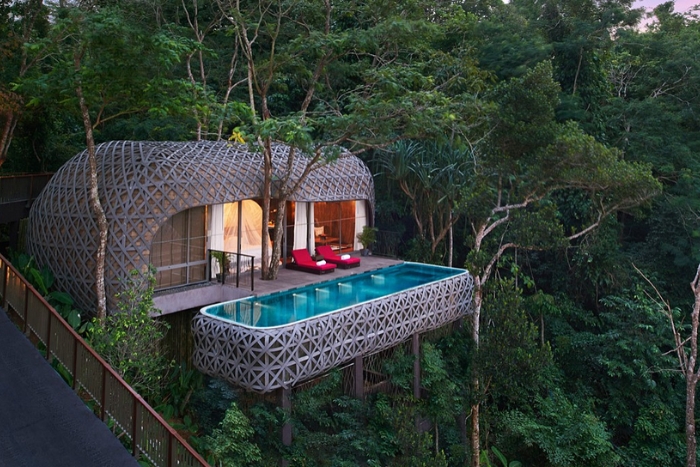
This type of travel emphasizes hotels with pools and spas, seaside resorts, or establishments offering personalized services, such as wellness treatments or private excursions.
Room comfort, peaceful surroundings, and premium amenities contribute to a more pleasant and relaxing experience. These accommodations allow travelers to rest fully between visits and enjoy the destination under optimal conditions.
3. Transport and getting around
Transportation in comfort travel in Thailand mainly uses private transfers, such as cars with drivers and domestic flights, to connect different stages of the trip efficiently.
Taxis and ride-hailing apps (Grab, Bolt) are widely used daily for comfort, speed, and convenience, especially to avoid heat and the limitations of public transport. This is particularly suitable for families and senior travelers.
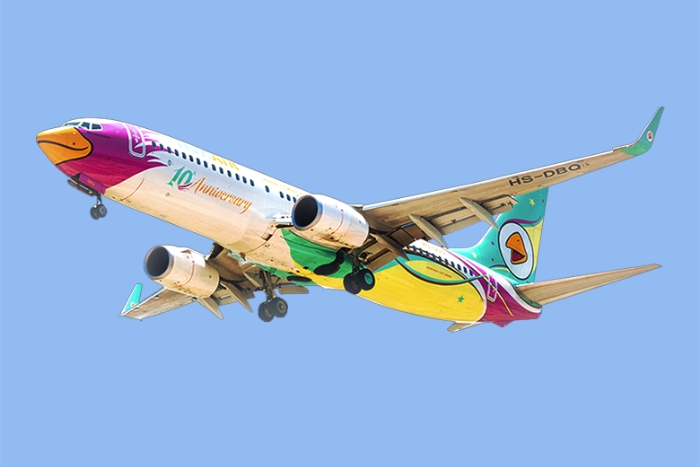
Guided tours with French- or English-speaking guides, combined with optimized itineraries, allow travelers to better understand the sites while traveling in comfort at a balanced pace, with integrated rest periods.
4. Dining
Dining is essential and goes beyond everyday meals. During luxury travel Thailand, travelers combine well-known local restaurants, ideal for discovering authentic Thai cuisine, with more refined establishments, such as gourmet restaurants, sometimes Michelin-starred or led by renowned chefs.
This approach allows for true culinary experiences in elegant and well-maintained settings while maintaining immersion in local flavors. Comfort travel in Thailand thus offers a balance between gastronomic discovery, quality service, and the enjoyment of dining.
Backpacking in Thailand or comfort travel in Thailand? Here is a comparative table of the two travel styles:
| Criteria | Backpacking in Thailand | Comfort travel in Thailand |
| Daily budget | Around 20 to 35€/day | Around 80 to 150€/day |
| Accommodation | Hostels, guesthouses, homestays | 4–5 star hotels, resorts, boutique hotels |
| Transport | Local buses, trains, songthaews, scooters, public ferries. Occasional taxis/ride-hailing apps | Private transfers, domestic flights, taxis and ride-hailing apps used regularly |
| Travel pace | Flexible and adaptable, often slow travel oriented | Slower and balanced, with integrated rest periods |
| Organization | Independent, requires adaptability and handling unexpected situations | Smoothly organized, often guided by professionals |
| Experience | Local immersion, encounters, authenticity, freedom | Calm discovery, relaxation, well-being, high-end experiences |
III. Which travel style suits your traveler profile?
So, backpacking in Thailand or comfort travel in Thailand? To help you choose the travel style that suits you, we offer an overview adapted to different traveler profiles. This table is for guidance only: personal preferences and other factors may influence your choice. Feel free to contact us for personalized advice. In the meantime, you can consult our table below.
| Traveler Profile | Recommended Travel Style | Remarks | |
| Backpacker travel | Comfort | ||
| Solo traveler or student | x | x |
|
| First time in Thailand | x | x |
|
| Couple / honeymoon | x |
| |
| Family trip | x | Comfort: suitable hotels, private transportation, guided activities for a stress-free stay. | |
| Limited time | x | Comfort: optimized itinerary, maximized sightseeing, less fatigue. | |
| Limited budget | x | Backpacker: allows for longer travel on a limited budget. | |
Choosing between backpacking in Thailand or comfort travel in Thailand depends primarily on your profile, priorities, and preferences. There is no "right" or "wrong" choice: what matters is selecting the style that fits your way of experiencing Thailand. Some travelers even combine both styles, enjoying local experiences while also taking moments of comfort. Whatever your decision, AUTOUR ASIA, a travel agency in Thailand, is here to help you determine your travel style and design your trip according to your needs. Thailand then promises an unforgettable journey, full of discoveries and meaningful encounters.
Refer to:
> Traveling with a baby in Thailand
> Thailand Useful Information
> Thailand Travel Guide
> 10 days in Thailand with family
> Thailand Packages Tours
Whether you’re going on a backpacking in Thailand or comfort travel in Thailand, obtaining a visa is essential before departure. To apply for a visa Thailand, submit your application to the Thai embassy or consulate in your country. Prepare a valid passport, the completed application form, a passport photo, proof of a round-trip ticket, accommodation booking, and sufficient financial resources. Submit everything along with the visa fee - the process takes a few days. For a tourist stay of up to 60 days, this procedure is the most reliable. Depending on your nationality, an e-Visa or visa on arrival may be possible, but the embassy remains the safest option.
To plan your trip, whether you choose a backpacking in Thailand or comfort travel in Thailand, it’s important to consider the best time to visit Thailand. The high season (November to February) offers pleasant weather, perfect for beaches, sightseeing, and festivals like Loy Krathong, but it comes with more tourists and higher prices. The shoulder season (March to May) lets you avoid crowds and enjoy Songkran, but temperatures can be very hot. The low season (June to October) offers attractive prices, fewer tourists, and lush nature, despite the rain. Choose your period based on the climate you prefer, activities, and budget for a successful trip.
Also see: 15 days in Thailand
To determine the Thailand travel duration, whether you choose a backpacking in Thailand or comfort travel in Thailand, you need to consider your preferences and pace. For a short stay (7 to 10 days in Thailand), it’s recommended to focus on one or two nearby regions, such as Bangkok and the North, or add a few days on a southern island to enjoy some relaxation. A medium stay of 2 weeks in Thailand allows you to explore Bangkok, Chiang Mai, and Phuket at a comfortable pace, while a long stay of more than 2 or 3 weeks in Thailand offers a full immersion, with temples, local markets, and natural landscapes - ideal for exploring Thailand in depth.
Related travel guide
Other similar articles


CUSTOMIZABLE BY LOCAL EXPERTS
Personalized trip at the original price!

REFUND GUARANTEE
We believe in our work and promise to give you money back.

GOOD PRICE / QUALITY
95% satisfied more than expected!

24/7 LOCAL SUPPORT
We are always available online to provide assistance at any time.

Most read articles


Autour Asia is highly recommended on
Embracing the mission of "Satisfied more than expected" and providing authentic experiences, we have received numerous recommendations on reputable travel forums: