


Every year, usually in September or October, the Phuket Vegetarian Festival transforms Phuket Town into the heart of one of Thailand's most remarkable cultural celebrations. Held during the ninth lunar month of the Chinese calendar, this nine-day Taoist festival is dedicated to spiritual purification, good fortune, and community well-being. Although best known for its dramatic firewalking and body-piercing rituals, it is first and foremost a deeply meaningful religious event, making it one of the most distinctive festivals in Phuket.
Throughout the festival, the streets surrounding Jui Tui Shrine, Bang Neow Shrine, Kathu Shrine, and other Chinese shrines come alive with colourful processions, the sound of firecrackers, drifting incense, and hundreds of vegetarian food stalls. One of the festival's most remarkable traditions is the street procession led by Ma Song spirit mediums, who perform body-piercing rituals as acts of faith and spiritual purification. If you are looking for what to do in Phuket beyond its beaches, this unforgettable celebration offers a cultural experience unlike any other.
Celebrated annually from 13 to 15 April, Songkran marks the Thai New Year and is one of the most famous Thailand festivals. Beyond its lively water fights, the festival symbolises renewal, purification, and family reunions. Many Thai people begin the day by visiting temples to make merit, pouring scented water over Buddha images, and taking part in the Rod Nam Dam Hua ceremony to pay respect to their elders and receive blessings for the year ahead. In Phuket, Patong Beach hosts the island's biggest water celebrations, while Phuket Town is known for its traditional temple ceremonies.
As the day unfolds, streets across the island fill with music, laughter, and friendly water battles involving both locals and visitors. If your trip to Phuket coincides with Songkran, keep your valuables in a waterproof bag and wear lightweight clothing that dries quickly, as getting wet is almost inevitable. Visiting a temple in the morning before joining the afternoon festivities is one of the best ways to experience both the spiritual traditions and the joyful atmosphere that make Thailand's New Year so memorable.
Usually celebrated in November, Loy Krathong is one of the most beautiful Phuket festivals, when locals and visitors gather after sunset to float beautifully decorated krathongs on rivers, lakes, canals, and beaches. The tradition honours Phra Mae Khongkha, the Goddess of Water, while symbolising gratitude, the release of misfortune, and the hope for good fortune in the year ahead. In Phuket, popular spots such as Patong Beach, Nai Harn Lake, Kata Beach, and Karon Beach host peaceful evening celebrations with cultural performances, live music, local food stalls, and eco-friendly krathongs.
Instead of lively street celebrations, Loy Krathong offers a peaceful and reflective way to experience one of the most meaningful festivals in Phuket. Eco-friendly krathongs made from banana leaves or bread are widely available from local vendors, making it easy for visitors to join the celebration while helping protect Phuket's waterways. Arrive before sunset to enjoy the cultural performances and peaceful atmosphere, then join the floating ceremony after nightfall.
Dating back to Phuket's tin-mining era, Chinese New Year is a celebration of the island's Chinese heritage and one of the most colourful Thailand festivals. Usually held between late January and mid-February, the festivities are centred around Phuket Old Town, where Thalang Road, Dibuk Road, and nearby streets are decorated with red lanterns. The streets come alive with lion and dragon dances, cultural performances, fireworks, and street food stalls. Nearby, Jui Tui Shrine and Put Jaw Shrine attract locals praying for health, happiness, and prosperity.
Chinese New Year is marked by family reunion dinners and the giving of red envelopes as symbols of good fortune. For visitors wondering what to do in Phuket during the Lunar New Year, Phuket Old Town is the best place to soak up the festive atmosphere, browse street markets selling symbolic foods such as dumplings, longevity noodles, oranges, and festive sweets, and enjoy cultural performances. Arrive in the late afternoon to explore the decorated streets before the festivities reach their peak, and dress respectfully when visiting temples and shrines.
Celebrated during the seventh lunar month, usually in August or September, the Por Tor Festival is one of the most distinctive festivals in Phuket and an important celebration of the island's Hokkien Chinese heritage. Families honour ancestors and wandering spirits with offerings of food, incense, flowers, and the iconic red turtle cakes (Ang Ku), symbols of longevity and good fortune. The main celebrations take place at Seng Tek Bel Shrine (Por Tor Kong Shrine), while the surrounding Ranong Road area comes alive with religious ceremonies, lion dances, cultural performances, food stalls, and colourful markets.
For anyone planning a trip to Phuket, the Por Tor Festival offers a chance to experience one of the island's most authentic local traditions. You can explore the bustling market, watch lion dances, sample Chinese-inspired snacks, and discover freshly made Ang Ku cakes prepared especially for the festival. Together, these experiences provide a fascinating insight into Phuket's Chinese cultural heritage.
Taking place each February, shortly after Chinese New Year, the Phuket Old Town Festival celebrates the island's rich cultural heritage and is one of the most fascinating Thailand festivals. Historic streets including Thalang Road, Dibuk Road, Soi Romanee, and Phang Nga Road are transformed into lively walking streets lined with beautifully preserved Sino-Portuguese buildings, cultural performances, local craft stalls, and street food stalls. Live music, Baba Peranakan performances, light displays, and authentic Phuket cuisine showcase the island's unique cultural identity.
Looking for what to do in Phuket beyond the beaches ? The festival is a wonderful opportunity to experience Phuket Old Town at its liveliest, with colourful parades, local art displays, handmade crafts, and traditional costumes showcased throughout the historic streets. You can sample local specialities, browse artisan stalls, and admire the elegant Sino-Portuguese architecture as the neighbourhood comes alive with music and local celebrations. Most activities are free to enjoy, making the festival one of the best ways to discover Phuket's cultural side.
From sacred religious ceremonies to lively street celebrations, experiencing the festivals in Phuket is one of the best ways to discover the island beyond its famous beaches. If you are wondering what to do in Phuket, planning your visit around events such as Songkran, the Phuket Vegetarian Festival, Chinese New Year, or the Phuket Old Town Festival offers a deeper insight into the island's history, traditions, and local way of life. Each celebration brings together authentic cuisine, colourful performances, and meaningful customs that create unforgettable travel experiences. To make the most of your journey, let Autour Asia help you plan your itinerary with local expertise, practical travel advice, and carefully selected experiences, so you can enjoy Phuket festivals at the perfect time of year.
You might be interested in :
- Looking to experience the most unforgettable festivals in Phuket during your holiday ? Autour Asia, your trusted Thailand travel agency, is here to help you discover the island's most vibrant cultural celebrations and plan an authentic trip filled with local traditions, unforgettable experiences, and insider travel tips.
- 15 days Thailand tour package
- Thailand travel guide
- Phuket travel guide
- Best beaches in Thailand to visit in December
- Best homestays in Phuket
- What to eat in Phuket


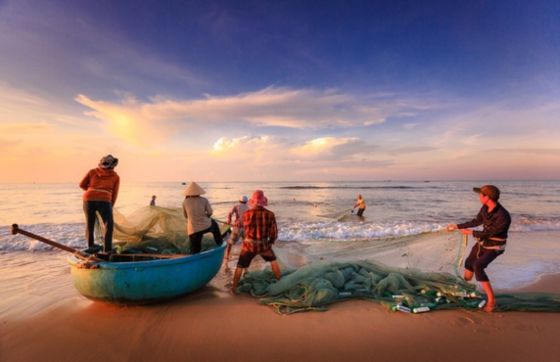
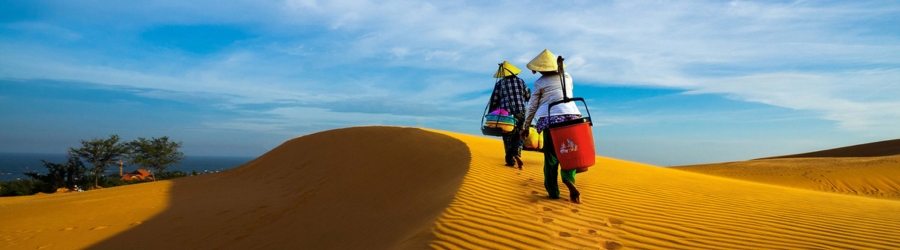
Phan Thiet, a coastal city in Binh Thuan Province, is best known for Mui Ne, an internationally renowned seaside destination. With its beaches, fishing villages, and desert-like sand dunes, the region offers a diverse range of landscapes rarely found elsewhere in Southeast Asia. In November, temperatures remain pleasant for exploring the coast, although occasional showers are still possible. Visiting Phan Thiet Mui Ne in November requires a little preparation to make the most of your stay. This complete guide covers the weather, must-see attractions, transportation options, and practical tips to help you plan your trip to Vietnam in November.
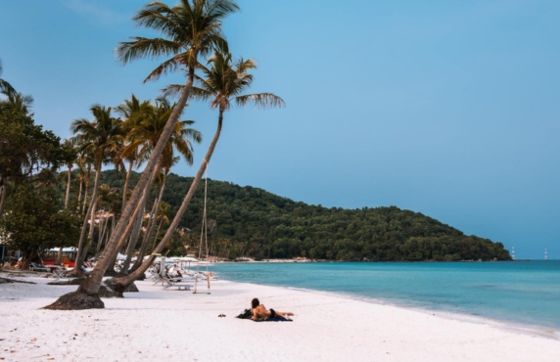
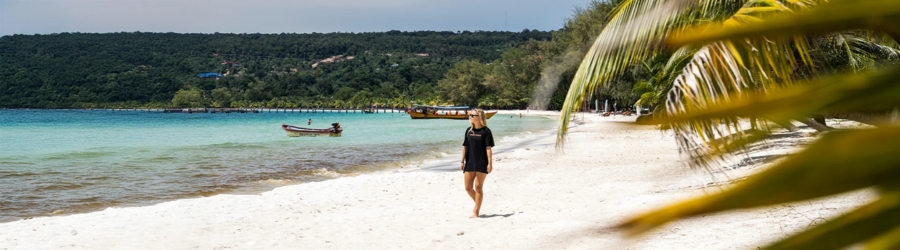
Vietnam’s beaches are best enjoyed at different times of the year, depending on the region. From the turquoise waters of the South to the long stretches of white sand in the Central region and tropical islands, each area has its own climate patterns. To better understand when to visit Vietnam, it is important to consider the weather conditions in each destination. The best time to visit beaches in Vietnam depends on region you choose as well as the activities you have planned. The best time to swim in Vietnam also varies according to rainfall, water temperature and sea conditions. Understanding the Vietnam beach season helps you choose destinations that match your travel dates and enjoy the coastline in good conditions.
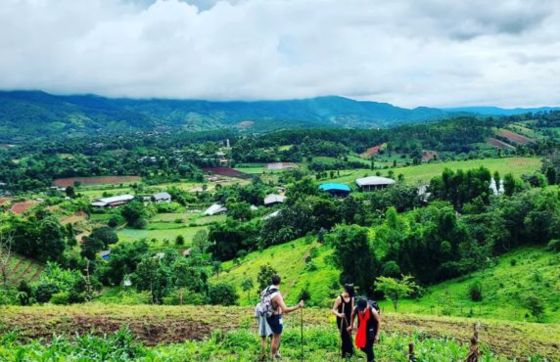
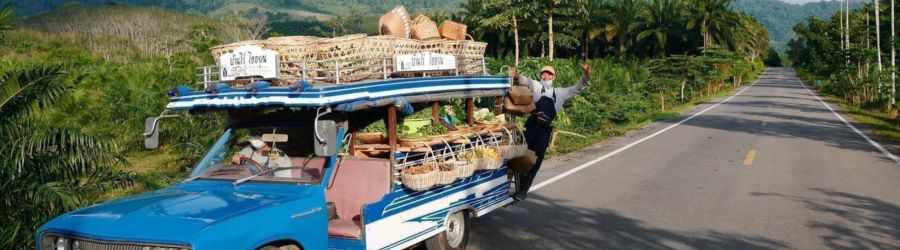
Discovering Thailand through its rice fields, plantations, and rural villages offers a different way to travel, far from traditional tourist circuits. But how can you choose the best agency for Thailand farm tours to enjoy authentic experiences with local communities? Several tour operators offer trips combining agriculture, gastronomy, and encounters with producers. Among them, Autour Asia is an option for travelers who want to personalize their itinerary. Known as Vietnam travel agency - Autour Asia, the company also offers tailor-made trips to several countries in Southeast Asia. With the local travel agency in Thailand - Autour Asia, travelers can explore a trip designed around their interests. Here are five organizations worth knowing, their distinctive features, and the essential criteria for planning a successful agricultural tour in Thailand.
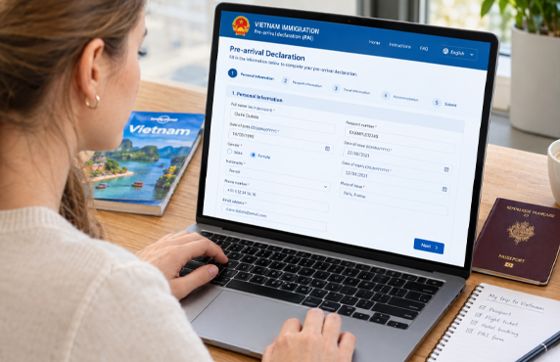
Planning a trip to Vietnam? Before packing your bags, take a few minutes to check the latest entry requirements and prepare the documents you may need at the airport.
Vietnam’s Pre-Arrival Information (PAI) system allows international travellers to submit selected personal, visa and travel details online before arriving in the country. After a successful submission, the system generates a QR code that travellers can save on their phones or print for use during immigration procedures. Although the online declaration is designed to help make arrival procedures smoother, travellers should understand when it applies, how to complete it correctly and which documents they still need to enter Vietnam.
In this practical guide, you will discover where to access the official PAI portal, what information to prepare, how to complete the declaration step by step, how to correct common mistakes and what to do when you arrive at the airport.
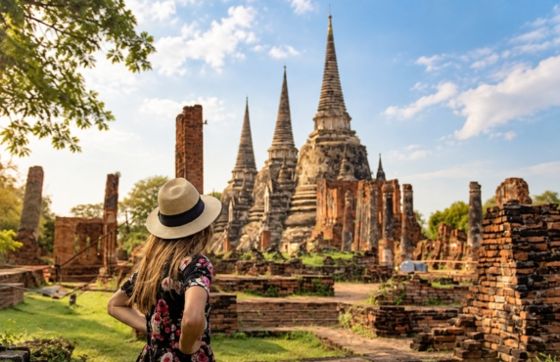
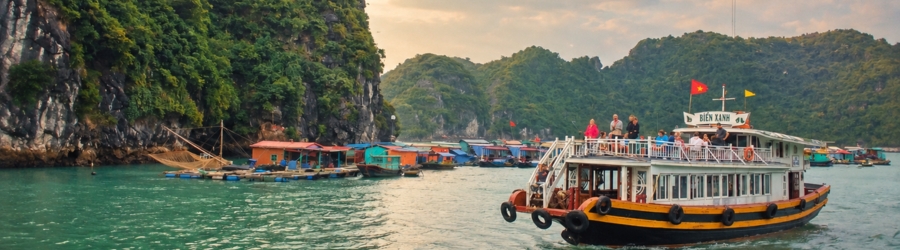
With its exotic landscapes, fascinating cultures and diverse experiences, Vietnam and Thailand are among the most popular destinations in Southeast Asia. However, safety remains an important criterion when planning your trip. So, how can you choose Vietnam or Thailand for a safe trip depending on the way you travel ? And is Vietnam safer than Thailand ? Each destination has its own characteristics and points to consider. In this article, Autour Asia helps you compare Vietnam and Thailand to better understand their differences and choose the destination that meets your expectations for your next trip to Asia.
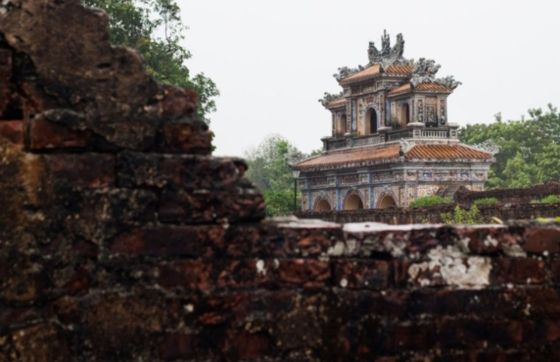
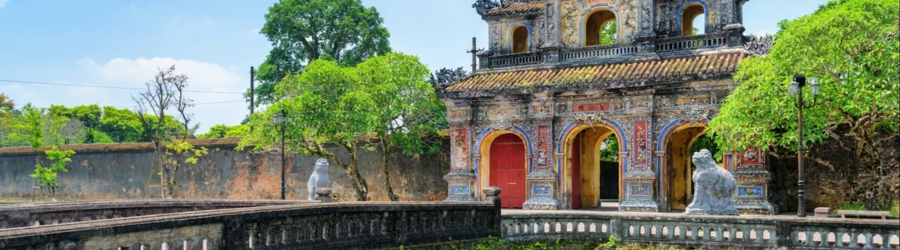
Planning a trip to Hue in November requires a little more flexibility than at other times of the year. Visiting Hue in November means experiencing the rainy season in central Vietnam, with prolonged showers and a risk of flooding. However, this period can also be an opportunity to explore the former imperial capital’s royal heritage, pagodas and renowned cuisine in a quieter atmosphere. The key is to choose your activities carefully, prepare alternative plans and check the weather conditions before setting out.
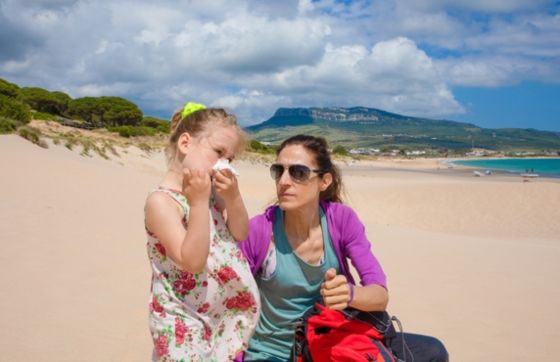

When travelling in Cambodia, some everyday habits may raise questions about local customs. Is blowing your nose in public considered polite? How should you behave in restaurants, on public transport or during a visit? These small details matter when you want to respect the local culture. Discover how to manage blowing your nose in Cambodia discreetly, along with practical tips on using tissues during your trip. Autour Asia, Cambodia travel agency, helps you discover local customs with advice tailored to travellers. From Cambodia travel etiquette to personal hygiene and everyday situations, a few simple guidelines can make your journey more comfortable. In Phnom Penh, Siem Reap or Kampot, understanding local customs helps you avoid awkward moments while making the most of your stay.
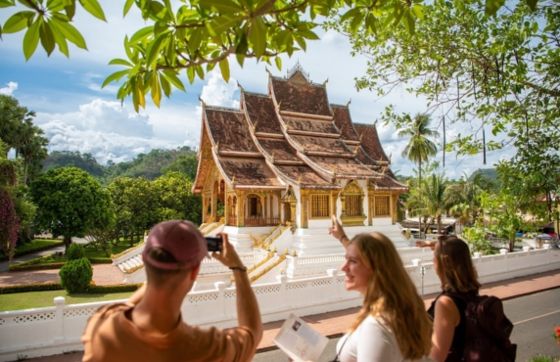
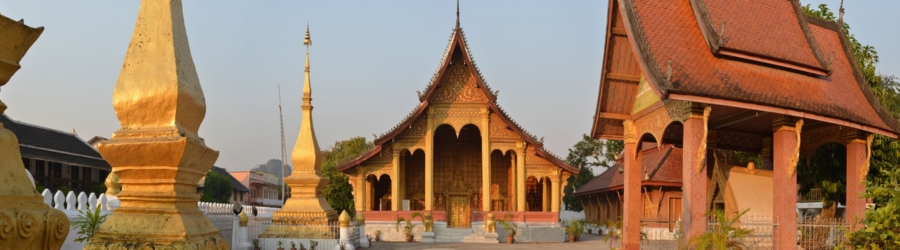
Blow your nose in Laos is not necessarily considered rude, but it is best to do so discreetly, especially in quiet places or during meals. If you have a cold, use a clean tissue and avoid blowing your nose loudly in public. In temples and other places of worship, respect the peaceful atmosphere and local customs. If you need to blow your nose frequently, step away from others for a moment whenever possible. Finally, dispose of used tissues in a rubbish bin. These simple habits will help you observe good manners during your trip to Laos.


 FR
 EN
