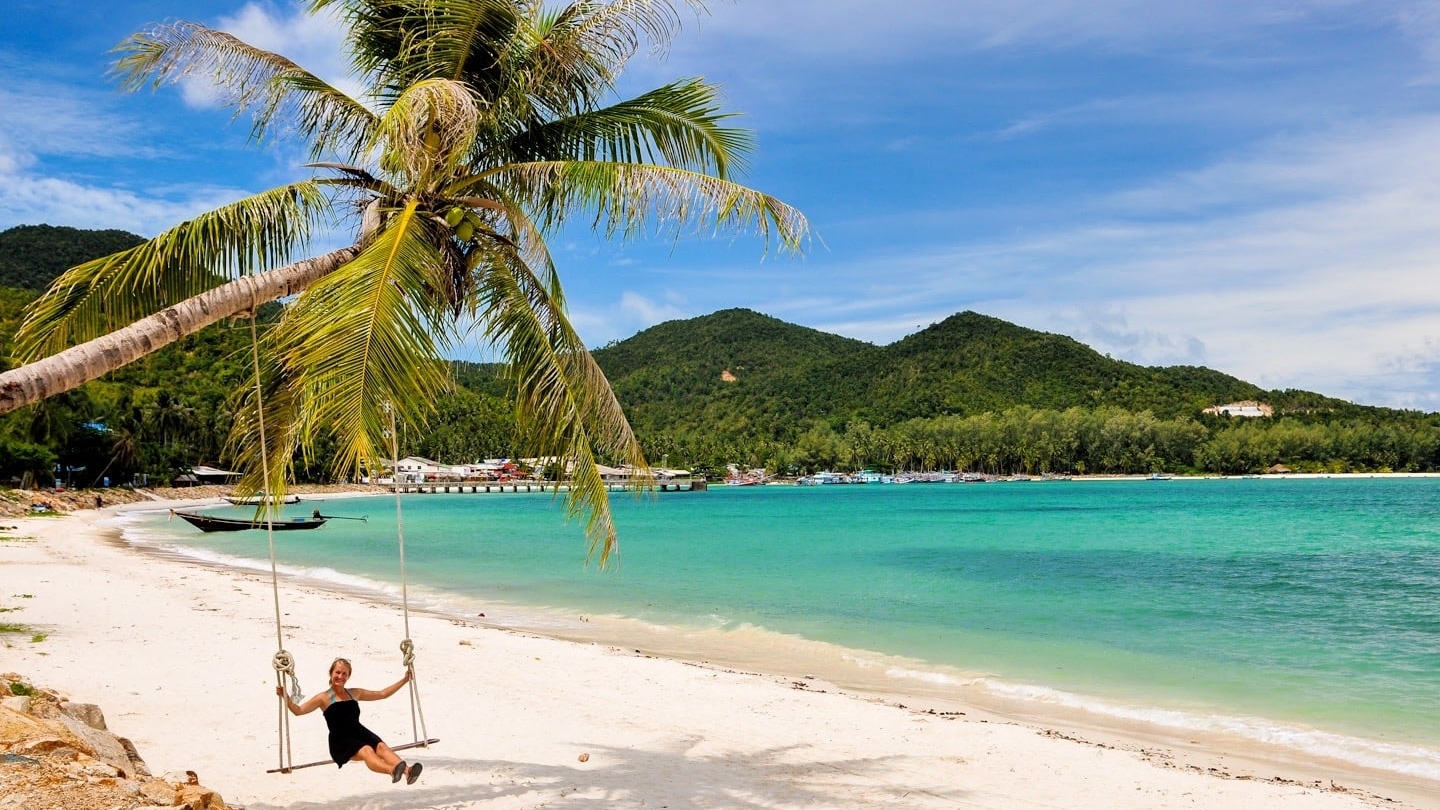
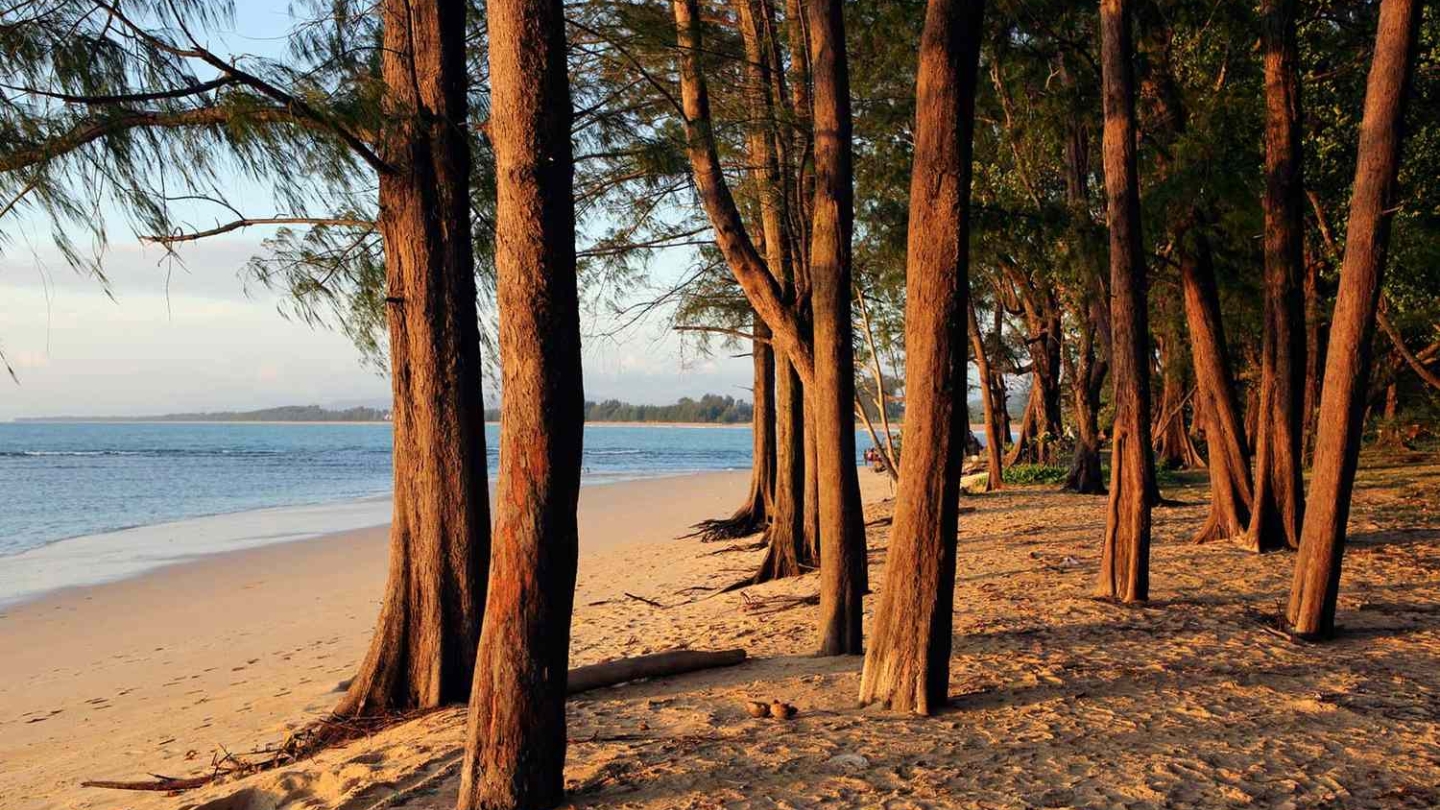
Planning a Thailand island hopping trip can be confusing, especially when choosing between the Andaman Sea and the Gulf of Thailand. Both regions offer beautiful beaches, clear water and interesting islands, but they have different landscapes, ferry connections and weather patterns. The Andaman coast is famous for its limestone cliffs and spectacular bays, while the Gulf islands are popular for diving, snorkeling and relaxed beach stays. Understanding these differences will help you choose the right route, plan your transfers and make the most of your time in southern Thailand.
Thailand has two main island-hopping areas in the south: the Andaman Sea on the west coast and the Gulf of Thailand on the east coast. Although both offer tropical scenery, the travel experience is quite different.
| Criteria | Andaman Sea | Gulf of Thailand |
|---|---|---|
| Main islands | Phuket, Koh Phi Phi, Koh Lanta, Koh Lipe | Koh Samui, Koh Phangan, Koh Tao |
| Landscapes | Limestone cliffs, hidden bays and long beaches | Tropical beaches, coral reefs and green hills |
| Main activities | Boat trips, snorkeling, kayaking and beach visits | Scuba diving, snorkeling and beach relaxation |
| Best travel period | November to April | February to September, generally |
| Main gateways | Phuket and Krabi | Koh Samui, Surat Thani and Chumphon |
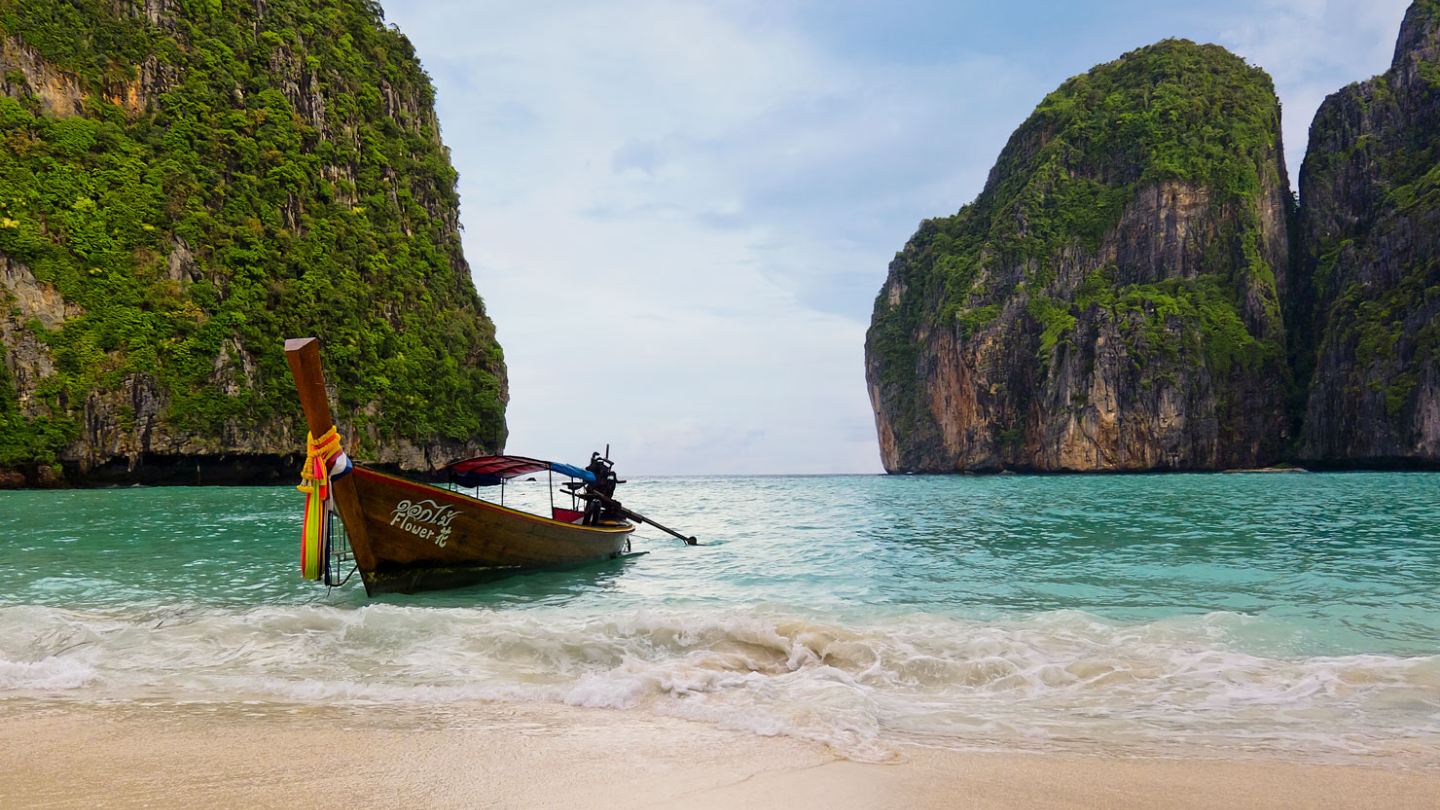
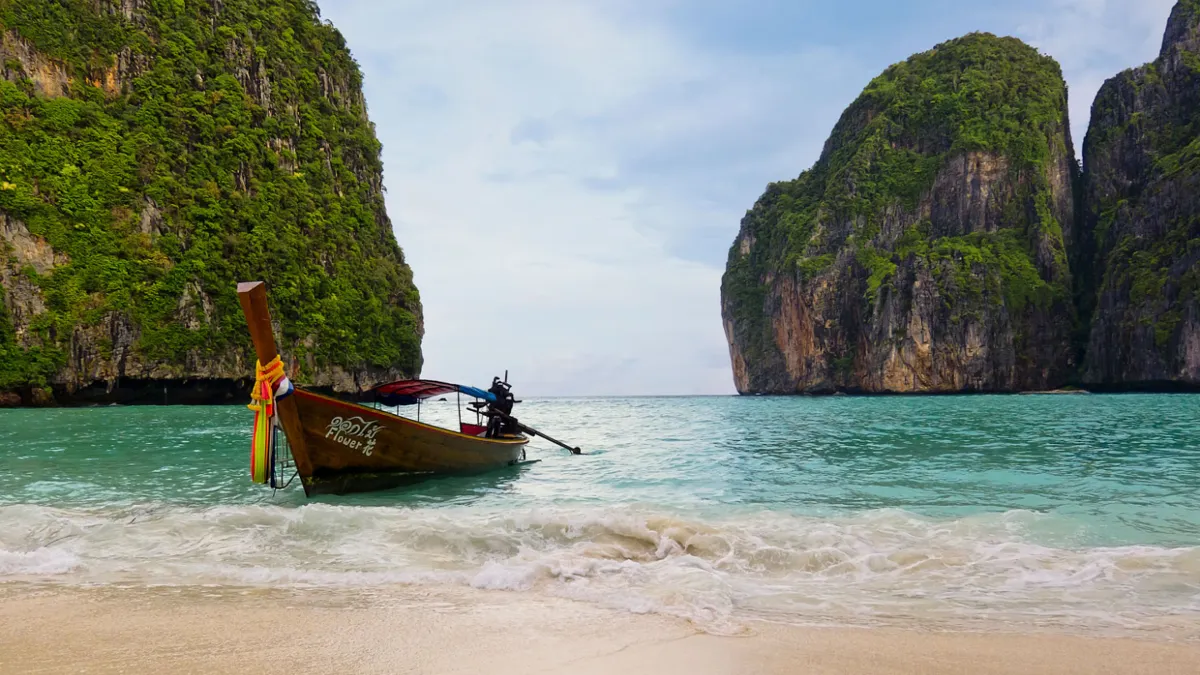
Island hopping in Thailand is particularly popular along the Andaman coast, where travellers can explore dramatic limestone cliffs, turquoise waters and beautiful bays. Starting from Phuket, the main gateway to the region, you can easily reach Koh Phi Phi, famous for snorkeling and boat trips, or Koh Lanta, which offers quieter beaches, fishing villages and a more relaxed atmosphere. If time allows, Koh Lipe is another worthwhile stop, known for its clear waters and colourful marine life.
Beyond these islands, the Andaman coast also offers day trips to Phang Nga Bay, the Hong Islands and the Similan Islands. Whether you prefer lively beaches, peaceful escapes or underwater adventures, this region has plenty of options for a varied island-hopping experience.
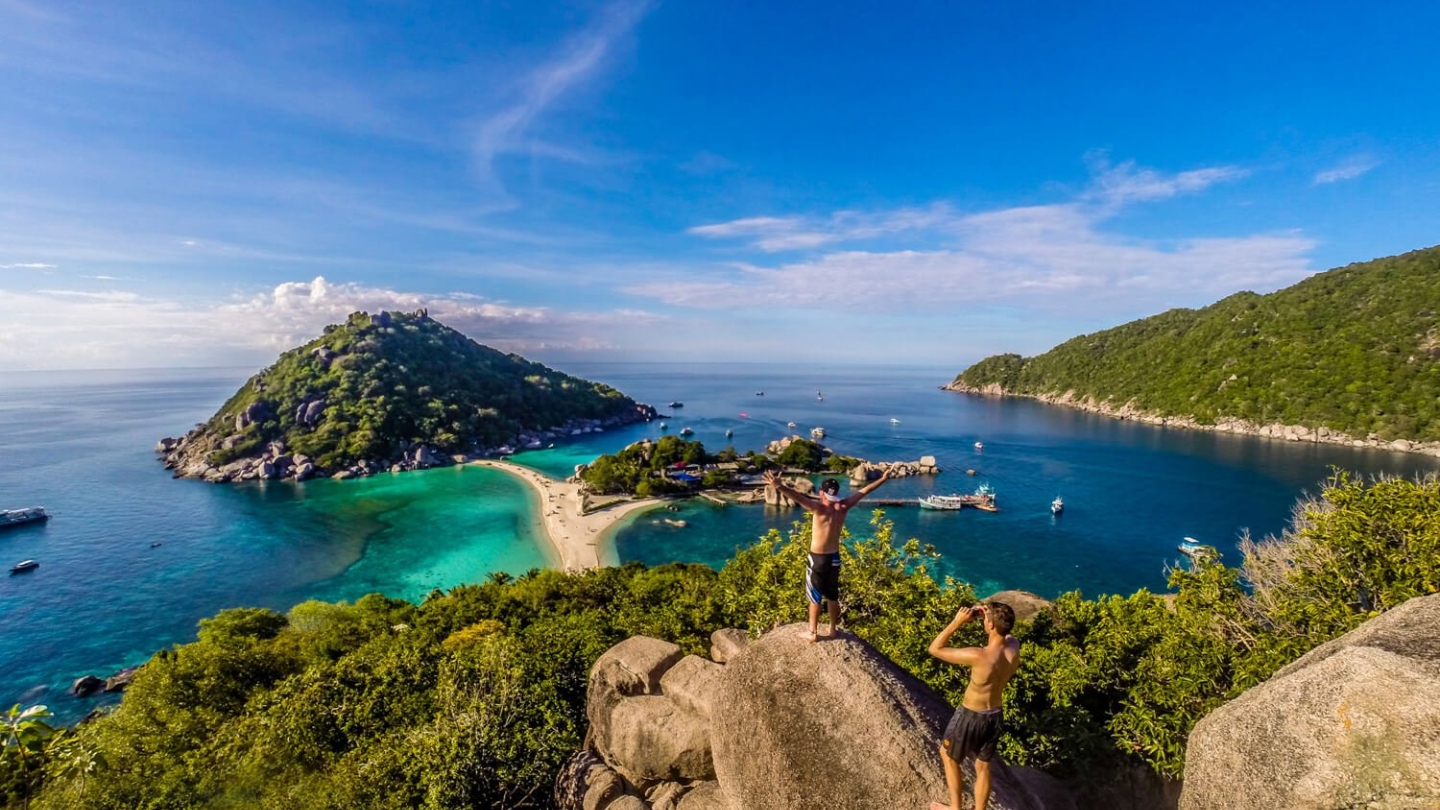
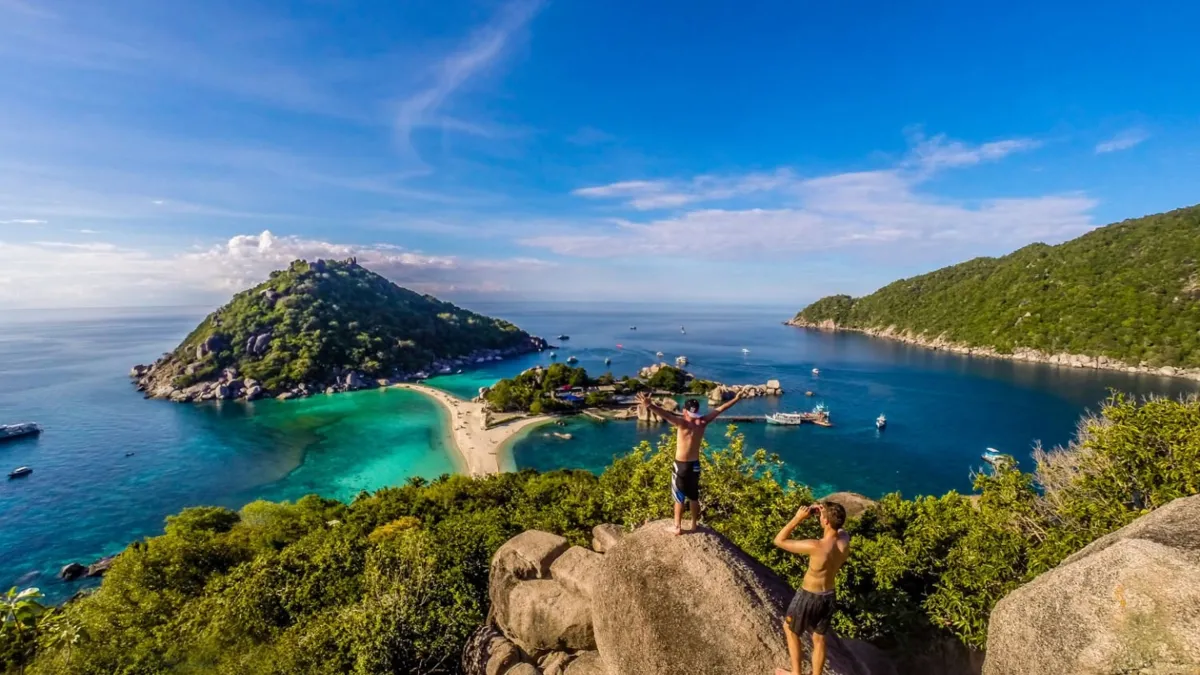
The Gulf of Thailand is another popular destination for Thailand island hopping, especially for travellers interested in diving and relaxed beach holidays. Its three best-known islands are Koh Samui, Koh Phangan and Koh Tao.
Koh Samui is the largest and most developed of the three. It has an airport, a wide choice of hotels, restaurants and beaches. It is a convenient starting point for travellers who want comfortable accommodation and easy transport connections.
Koh Phangan offers a different atmosphere. Although it is famous for its Full Moon Party, the island also has quiet beaches, waterfalls and green inland landscapes. Travellers looking for a peaceful stay can choose accommodation away from the main party areas.
Koh Tao is smaller and particularly popular with diving enthusiasts. Its coral reefs and clear waters make it a great place to learn scuba diving or explore marine life through snorkeling.
If you are interested in underwater activities and want to visit several islands without spending too much time travelling, this coastal area is a good option.
Learn more:
Choosing a realistic route is essential when planning a multi-island holiday. Instead of visiting too many places, it is better to spend at least two or three nights on each island. This gives you enough time to enjoy the beaches, explore local attractions and avoid spending most of your holiday on boats.
Andaman island-hopping route is ideal for first-time visitors who want to discover the famous landscapes of southern Thailand.
| Days | Destination | Suggested activities |
|---|---|---|
| Days 1-2 | Phuket | Explore Phuket Old Town, visit local markets and relax on Kata or Nai Harn Beach. If time allows, take a boat excursion to Phang Nga Bay. |
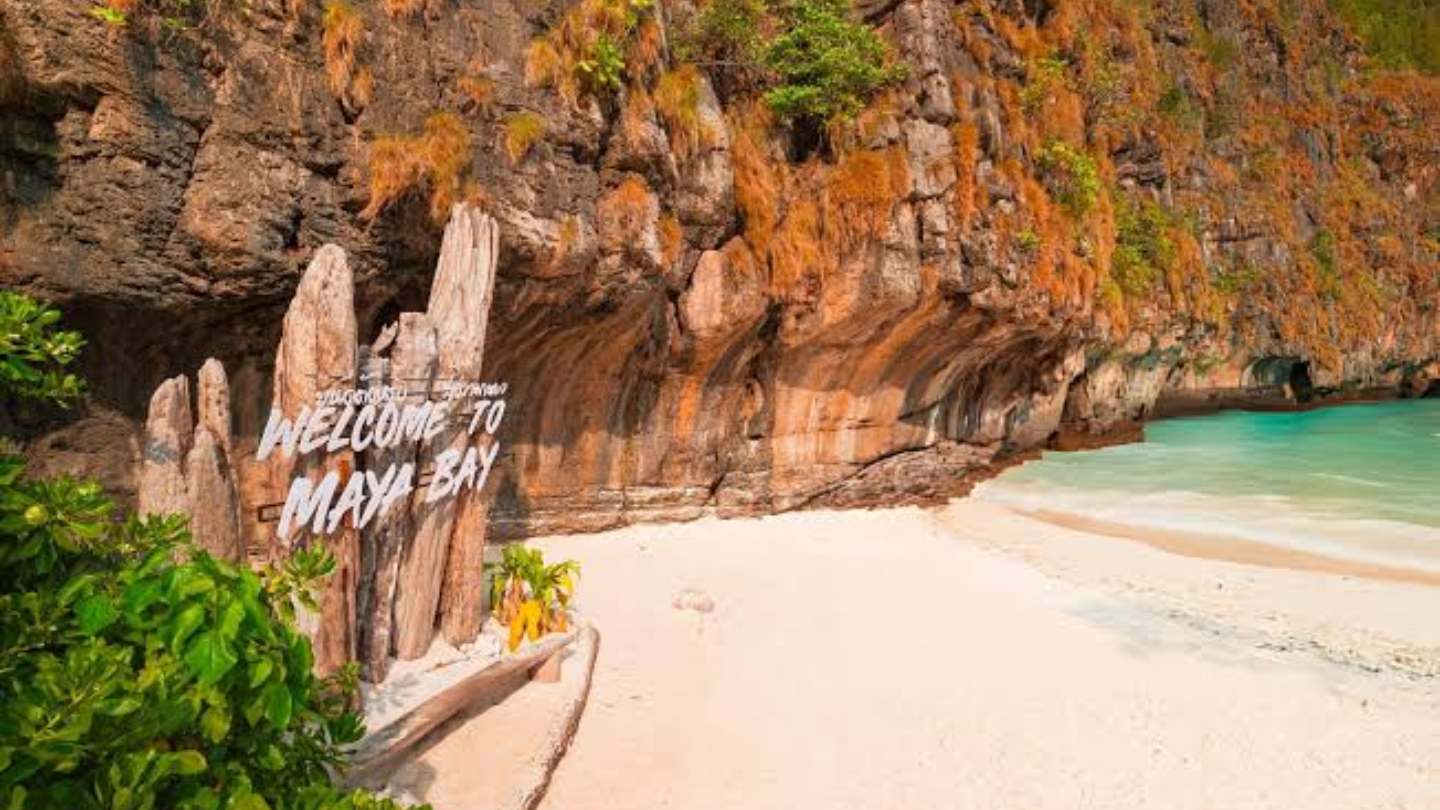
| Days 3-4 | Koh Phi Phi | Take a ferry from Phuket (approximately 1-2 hours). Enjoy the beaches, explore the island on foot and join a snorkeling trip. Visit Maya Bay, subject to current visitor regulations. |
| Days 5-7 | Koh Lanta | Continue by ferry or speedboat. Relax on Long Beach, discover the Old Town and enjoy beautiful sunsets by the sea. |
Optional extension: If you have 3 additional days, continue to Koh Lipe to explore its clear waters and beautiful beaches. Allow around 10-14 days for a more comfortable itinerary including this island.
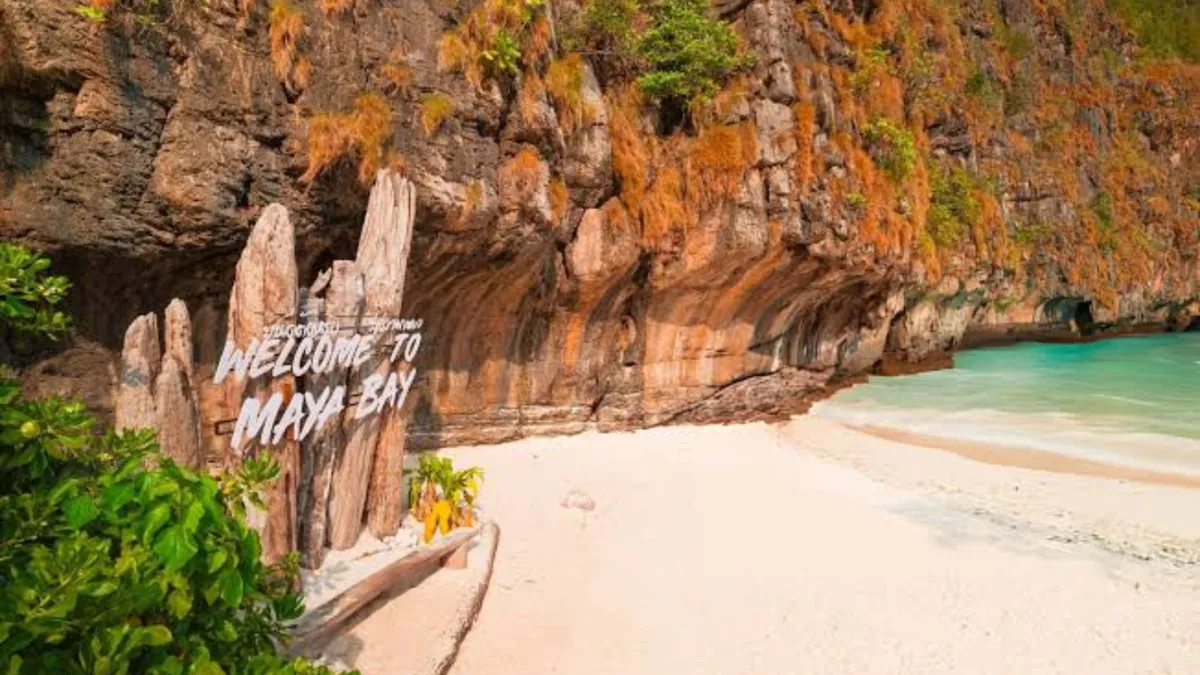
This Thailand island hopping route is particularly suitable for travellers who enjoy beaches, diving and a relaxed island atmosphere.
| Days | Destinations | Suggested activities |
| Days 1-3 | Koh Samui | Explore the island's beaches, visit the Big Buddha and discover local restaurants. Enjoy the lively atmosphere of Chaweng or relax around Bophut and Maenam. |
| Days 4-6 | Koh Phangan | Take a ferry from Koh Samui (approximately 20-45 minutes). Discover quieter beaches such as Bottle Beach, explore natural landscapes and visit local viewpoints. Check the Full Moon Party calendar if you prefer to avoid busy periods around Haad Rin. |
| Days 7-9 | Koh Tao | Continue by ferry to this popular diving destination. Take a diving course, go snorkeling or relax on beaches such as Sairee Beach. |
Why choose this route? The three islands offer a good balance of comfortable stays, natural scenery and marine activities. Regular boat connections also make it relatively easy to travel between them.
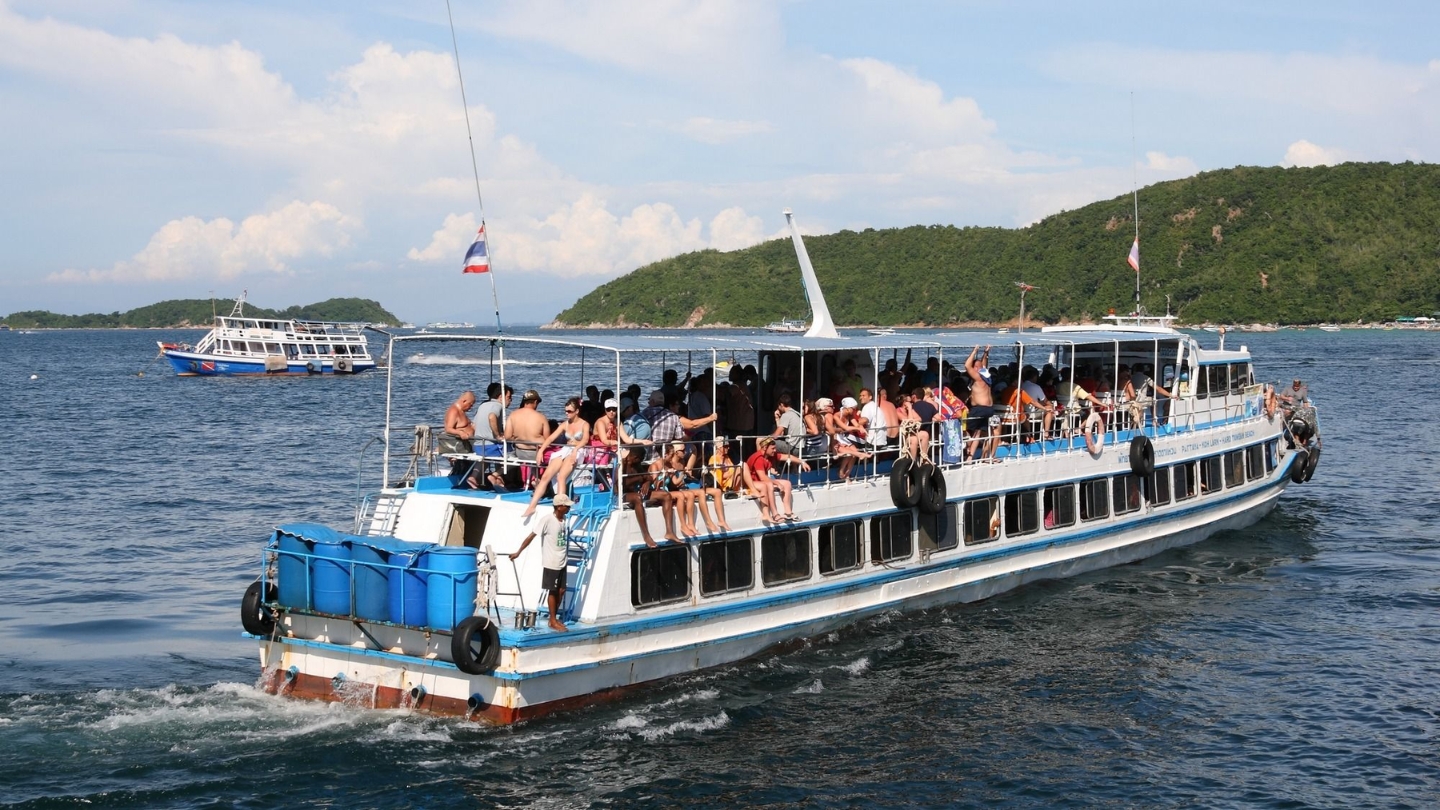
Boat transport is the main way to move between the Thai islands. Depending on the route, you can choose a regular ferry, a speedboat or an organised boat excursion.
Both options have advantages and limitations. Your choice depends on your budget, travel time and comfort.
| Transport | Main advantages | Limitations |
|---|---|---|
| Regular ferry | More affordable and generally more stable | Longer travel time |
| Speedboat | Faster and convenient for shorter routes | More expensive and can be uncomfortable in rough seas |
| Excursion boat | Visits several beaches or islands in one trip | Usually follows a fixed schedule |
A regular ferry is generally the better option if you are travelling with large suitcases or are sensitive to motion sickness. Speedboats are useful for shorter crossings and day trips, but they can be less comfortable when the sea is rough.
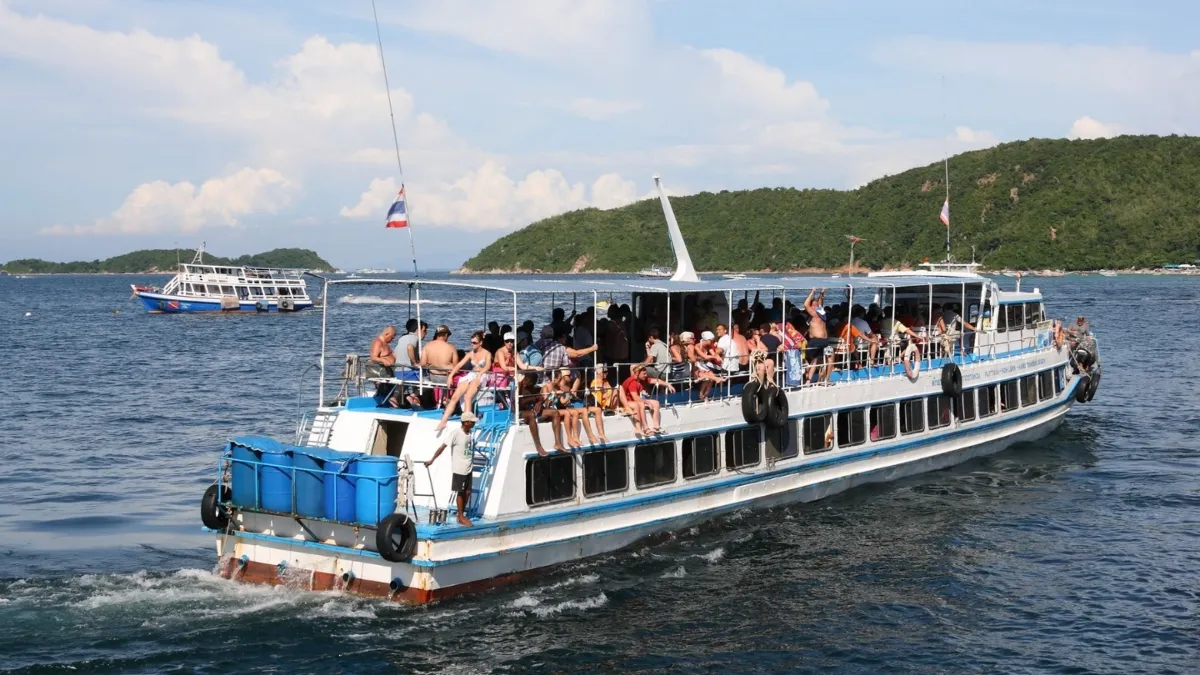
Here are some common ferry routes in Thailand to help you estimate your travel time.
| Route | Approximate crossing time |
|---|---|
| Phuket - Koh Phi Phi | 1-2 hours |
| Koh Phi Phi - Koh Lanta | 30 minutes-1.5 hours |
| Koh Samui - Koh Phangan | 20-45 minutes |
| Koh Phangan - Koh Tao | 1-2 hours |
These are indicative durations, not fixed schedules. Actual travel times depend on the operator, departure pier, vessel and sea conditions. Some services may also stop at another island before reaching their final destination.
One important point: there is no direct ferry connection between the Andaman Sea and the Gulf of Thailand. To travel from Phuket or Krabi to Koh Samui, you generally need a combination of road transport and a ferry via Surat Thani, or a domestic flight.
You can book ferry tickets in Thailand through several online platforms, including 12Go Asia, or directly with ferry operators and local travel agencies.
Booking online is useful because it allows you to compare departure times, prices and transfer options. Some companies also offer combined bus-and-ferry tickets, which are convenient when travelling between islands and mainland transport hubs.
During the high season, especially around Christmas, New Year and major holidays, it is better to reserve your tickets several days in advance.
Before confirming your booking, check:
If you are connecting to an international flight, avoid scheduling a ferry arrival too close to your departure time. Delays and changes in sea conditions can affect your journey.
Read also:
When is best time to visit Thailand ? The best time for Thailand island hopping depends largely on which coast you want to explore. The Andaman Sea and the Gulf of Thailand have different monsoon patterns, so one region may experience good weather while the other has heavy rain.
| Period | Andaman Sea (west coast) | Gulf of Thailand (east coast) |
|---|---|---|
| November-February | Generally favourable, especially from December | Weather improves gradually, but conditions can vary |
| March-April | Good conditions, although temperatures are high | Generally favourable |
| May-August | Rainy season, with rougher seas possible | Often a good period for island visits |
| September-October | More frequent rain and rough seas | Conditions begin to change, with increasing rainfall |
| November-December | Generally improving | Rainy period, particularly around Koh Samui |
For first-time visitors, December to March is the best overall period for Thailand island hopping, particularly along the west coast. During these months, the weather is generally sunny, rainfall is lower and the sea is calmer, making ferry transfers and boat excursions more enjoyable. Phuket, Koh Phi Phi and Koh Lanta are particularly good choices. If you prefer the Gulf of Thailand, February to April is also a favourable period to explore Koh Samui, Koh Phangan and Koh Tao.
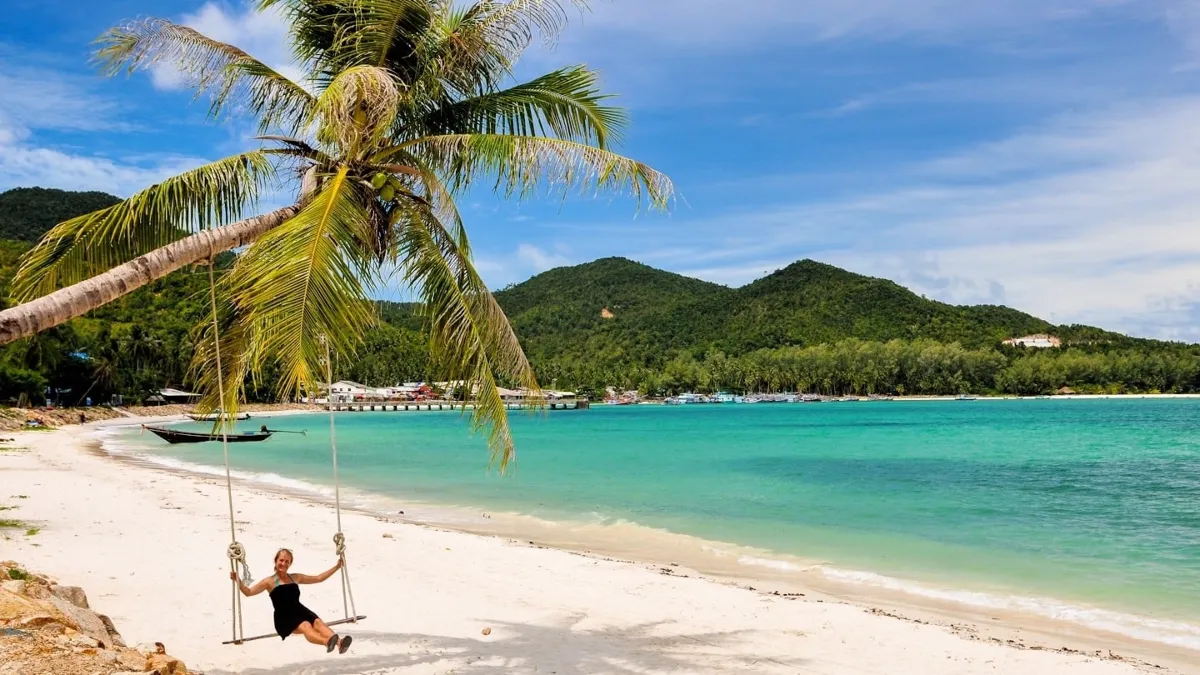
The cost of an island-hopping holiday depends on your accommodation, travel style and the number of islands you visit. Some destinations, such as Phuket and Koh Samui, have a wide range of hotels, while smaller islands may have fewer budget options.
Here is an approximate daily budget per person:
| Travel style | Estimated daily budget |
|---|---|
| Budget traveller | €30-50 |
| Mid-range traveller | €60-100 |
| Comfortable holiday | €120-200+ |
These estimates cover accommodation, meals, local transport and some activities. They exclude international flights and can increase during the high season.
Boat transfers are another important expense. Regular ferries are generally cheaper than speedboats, while longer routes and transfers to more remote islands can cost considerably more.
To manage your budget, consider the following tips:
It is also worth remembering that transport is not always the biggest expense. Accommodation, especially beachfront hotels and resorts, can represent a large part of your total holiday budget.

A little preparation can make your Thailand island hopping much easier and more enjoyable. Before setting off, keep these practical tips in mind to organise your journey and avoid common travel inconveniences.
Avoid visiting too many islands. Three islands in seven to ten days are usually enough for a comfortable trip. Frequent transfers can quickly become tiring.
Check ferry schedules carefully. Some routes operate only during certain seasons or have limited daily departures. Do not assume that every island has a direct connection with the next one.
Keep some flexibility in your itinerary. Bad weather can delay or cancel boat services. If possible, avoid planning an important international flight on the same day as a long ferry transfer.
Protect your belongings. Use a waterproof bag for your phone, camera, passport and other important items, especially when travelling by speedboat.
Book accommodation in advance. This is particularly important in December, January and February, when popular islands receive many visitors.
Check national park opening dates. Some marine parks, including the Similan and Surin Islands, close seasonally to protect their natural environment. Check official announcements before organising an excursion.
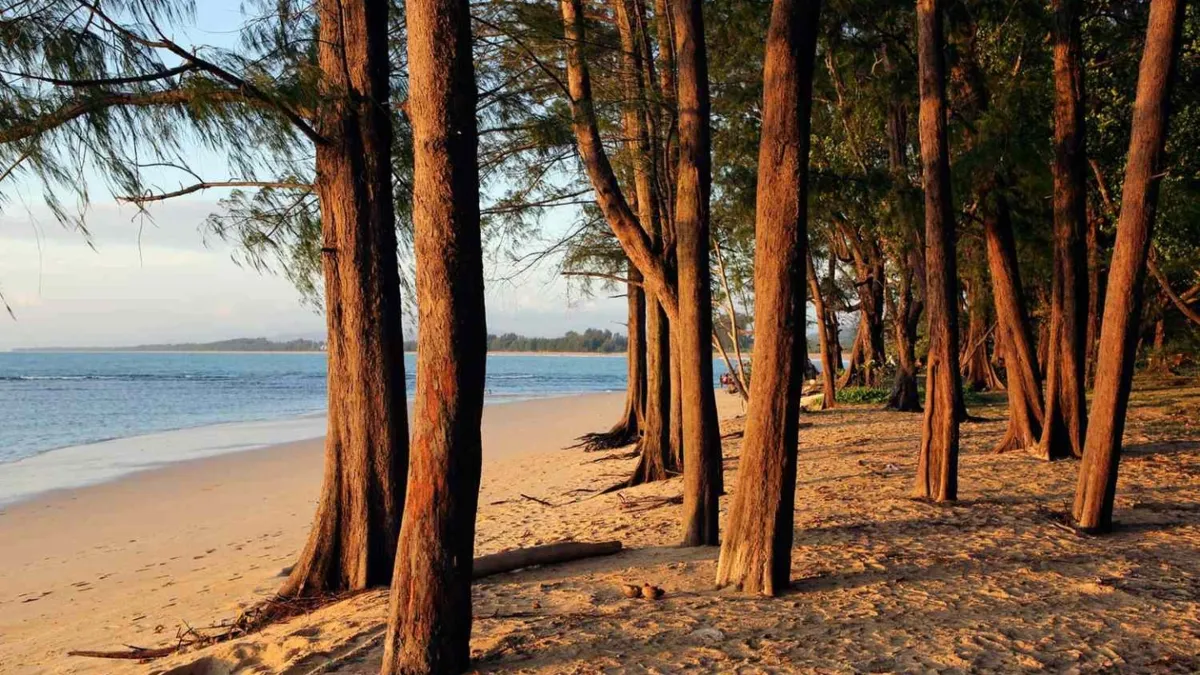
Planning a Thailand island hopping adventure is a great way to discover the country's diverse coastal landscapes and tropical islands. To make the most of your trip, choose your destinations according to the season, check ferry connections and allow enough time to enjoy each island without rushing. Three islands over seven to ten days are often enough for a relaxing holiday. If you need help organising your journey, Autour Asia, local travel agency in Thailand, offers local travel knowledge to help organise a wider Southeast Asian journey.
Learn more:


For a Thailand travel itinerary 10 days, budget around 30,000-45,000 THB ($883-1,324) per person, excluding international flights. This amount is generally enough for a comfortable trip with mid-range accommodation, local meals, ferry transfers and a few island excursions. Budget travellers can spend around 18,000-25,000 THB by staying in hostels, eating street food and using regular ferries. If you prefer beachfront hotels, private transfers or diving activities, allow 45,000-65,000 THB or more. Keep in mind that popular islands such as Phuket, Koh Samui and Koh Phi Phi are generally more expensive than mainland destinations.



 FR
 ITA