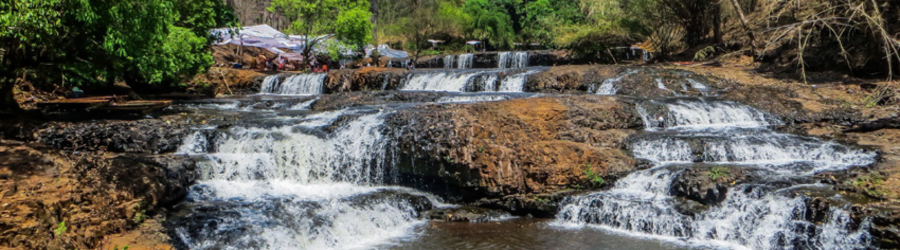
As a province located in the northeastern highlands of Cambodia, Ratanakiri boasts diverse terrain and breathtaking natural landscapes, making it an ideal destination for nature lovers and enthusiasts of jungle trekking and mountain climbing. Despite its sparse population, Ratanakiri is one of the regions where you can explore the culture of Cambodia's ethnic minorities and their nature-centered way of life. If you are planning a Ratanakiri trip, here is some useful information about this province that you need to know.
Ratanakiri has a history shaped by various influences and dominations. Once occupied by Annam, Champa, and the Khmer Empire, the province was often targeted by Khmer, Lao, or Thai slave traders. In the 18th century, it was under the control of a Lao prince and later fell under the domination of the Siamese Empire in the 19th century. From 1893 to 1953, Ratanakiri was part of the French Indochina protectorate. During the Vietnam War, the region served as a rear base for the Viet Cong and was subjected to American bombings between 1969 and 1970, which led to the destruction of the old capital, Lumphat, later replaced by Banlung. Visiting this small town is a must on your Ratanakiri itinerary.
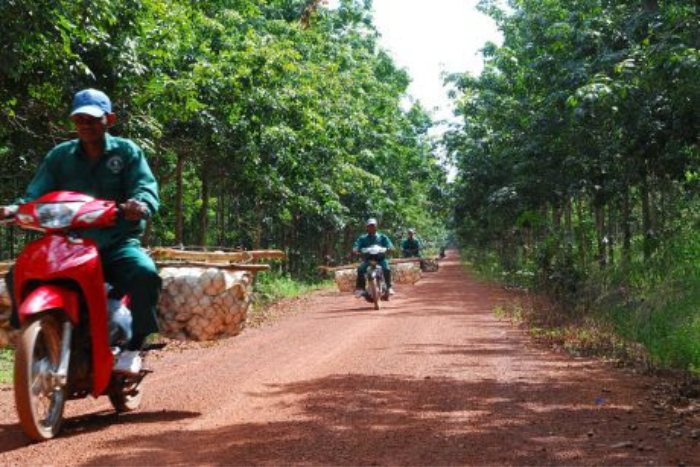
Ratanakiri features diverse geographical terrain, ranging from rolling hills, mountains, plateaus, lowland basins, waterfalls, and volcanic crater lakes. Two major rivers, the Tonlé San and the Tonlé Srepok, flow through the province from east to west. The Annamite mountain range in the north, fertile basalt plateaus between the rivers, and tropical forests in the south contribute to the region's ecological diversity. The highlands are home to the majority of Ratanakiri's population, characterized by rolling basalt plateaus with fertile red soil. As a result, visitors to this area often travel along red dirt roads during their visit to Ratanakiri.
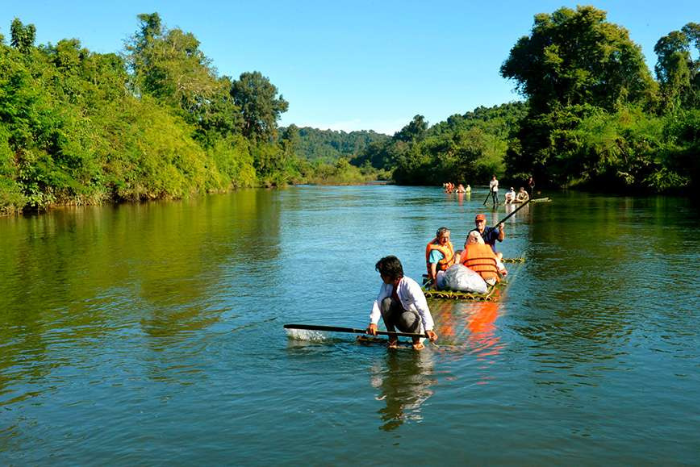
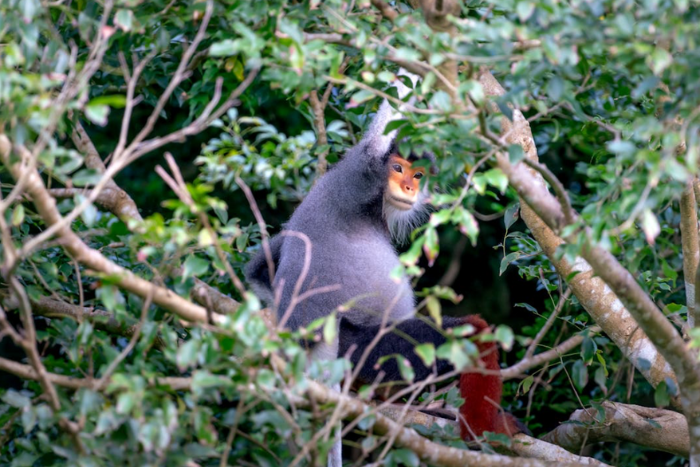
Notably, Ratanakiri boasts lush forests that cover a significant portion of its territory, providing a rich habitat for exceptional biodiversity. That's why many wildlife enthusiasts, and even researchers, enjoy a Ratanakiri trip. The province is home to dense forests, lowland tropical rainforests, and montane forests with some of the highest levels of biodiversity in Southeast Asia. These natural features serve as key drivers of Ratanakiri's tourism industry, offering activities such as forest exploration, trekking, and birdwatching tours that allow visitors to observe parrots and gibbons in their natural habitat - one of the top things to do in Ratanakiri. Virachey National Park, Norng Kabat rainforest, and Lumphat Wildlife Sanctuary are not only havens for hundreds of rare and endangered species but also attract tourists eager to experience life amidst nature.
If you are planning a Ratanakiri trip, you need to know about the climate of this region and the best time to visit Ratanakiri. The climate of Ratanakiri is monsoonal, with a rainy season from June to October, a cool season from November to January, and a hot season from March to May. Average temperatures range between 22.1°C and 34°C, with an annual precipitation of approximately 2200 mm. Due to its location on a plateau with abundant forests, the province is generally cooler than the rest of Cambodia, offering a pleasant climate for visitors.
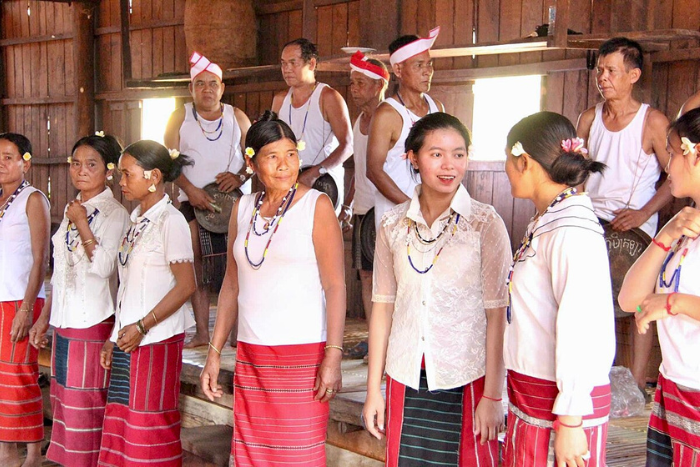
The population of Ratanakiri consists mainly of ethnic minorities, often referred to as Khmer Loeu ("Highland Khmer"). If you want to learn about the ethnic minorities during your Cambodia trip, don’t miss Ratanakiri province. These groups include the Tampuan, Jarai, Kreung, Bru, Kachok, Kavet, Kuy, and Lun. Each group has its own language, traditions, and unique cultural practices. The locals are renowned for their skills in weaving, embroidery, and wood carving, reflecting a rich artisanal tradition.
However, Ratanakiri is also one of the least developed areas in Cambodia, as the people are accustomed to traditional forms of production and trade, primarily self-sufficient farming and bartering rather than monetary transactions. Most residents still cultivate rice and staple crops, but in recent years, many families have started growing cash crops such as cashews, mangoes, and tobacco. Due to underdeveloped transportation infrastructure, ox carts, bicycles, and motorbikes remain the main means of transportation for both locals and tourists during their Ratanakiri itinerary.
In recent years, speaking of the Cambodia tour, Ratanakiri has gradually gained recognition as an attractive destination for nature lovers seeking a peaceful place to relax and unwind. Consequently, the province's tourism industry is slowly developing. However, ecotourism in Ratanakiri has yet to develop sustainably, as tourism activities could impact the local communities. The Cambodian government has introduced initiatives to protect the rights of local residents and provide them with training and guidance on necessary tourism skills, enabling them to become local tour guides.
If you want to visit Ratanakiri, you can explore the villages of ethnic minorities to learn about their culture, traditions, and way of life. Don’t forget to visit the local market in Banlung to purchase fresh produce grown by the locals, which is also a great way to support the local community living here.
You may also like:
>>> Cambodia trips
>>> Travel guide to Rattanakiri
Why visit Ratanakiri? Far from Siem Reap and Phnom Penh, the province rewards travellers who want something different:
Yeak Laom volcanic lake: This volcanic lake, located near Banlung, is renowned for its crystal-clear waters and perfectly circular shape. The lake is highly revered by the local people and considered a sacred place. Surrounded by dense forest, the site offers to the tourists the opportunities for both swimming and hiking in their visit to Ratanakiri.

Virachey National Park: Covering a vast area, this park is one of the largest in Cambodia, so this site has also become a famous attraction for tourists when they plan a Cambodia tour. It is home to rich biodiversity, including Asian elephants, gibbons, and a multitude of bird species. Visitors can embark on guided treks to explore the local flora and fauna.
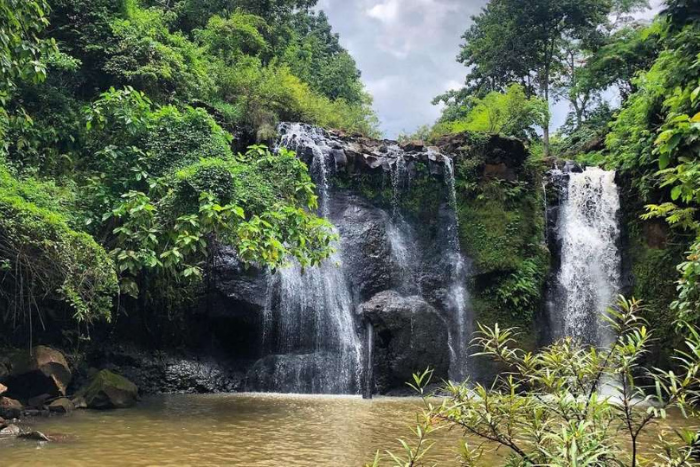
Kachang and Ka Tieng Waterfalls: What to see in Ratanakiri? Thanks to its unique geography, Ratanakiri boasts many beautiful and poetic waterfalls hidden deep within its forests. Among them, the two most picturesque cascades—Kachang and Ka Tieng, located a few kilometers from Banlung—offer serene landscapes and are ideal for picnics or refreshing swims.
Ethnic Minority Villages: When you visit Ratanakiri, a visit to the villages of the Tampuan, Jaraï, or Kreung communities will provide insight into their traditional lifestyles, crafts, and ancestral customs.
More about Yeak Laom: the lake was formed by a volcanic eruption more than 4,000 years ago and looks like a blue eye from above. The Tampuan people believe that bathing in it brings good fortune. A trail of about 3 kilometres circles the shore, with birds and butterflies along the way, and two wooden platforms over the water make easy spots for a swim. A small visitor centre and museum display and sell Tampuan crafts such as musical instruments, baskets and hand-woven textiles.
More about Kachang: about 6 kilometres from Banlung, the falls drop into a wide pool surrounded by forest. Getting down means 72 wooden steps and a suspension bridge over the water, a small challenge for anyone afraid of heights but a superb viewpoint.
More about Virachey: one of the most remote forests in Cambodia, with grasslands, bamboo groves and river valleys, home to the great hornbill, the red-shanked douc and the pig-tailed macaque. Adventurous travellers can plan a multi-day expedition to Mount Kalang Chhouy, camping near Chour Preah waterfall. Jungle treks and overnight camping must be done with park rangers or local guides.
Norng Kabat Forest: a peaceful forest built around a pond that attracts many birds and animals, ideal for birdwatching. Nearby villages welcome visitors to learn about local beliefs, festivals and crafts, and you can join a coffee plantation tour or take part in beekeeping and honey harvesting with local families.
Banlung Market: the main trading hub for the minority communities, and the best place to see the organic produce grown in the surrounding villages.
Hiking and Trekking: With its diverse landscapes, Ratanakiri is a paradise for hiking enthusiasts. What to do in Ratanakiri ? Multi-day treks can be organized, including nights in the forest or in indigenous villages. This is not only an opportunity for visitors to observe wildlife in the jungle and admire the majestic natural scenery deep within the dense forests but also a chance for them to experience life amidst nature and learn essential survival skills.
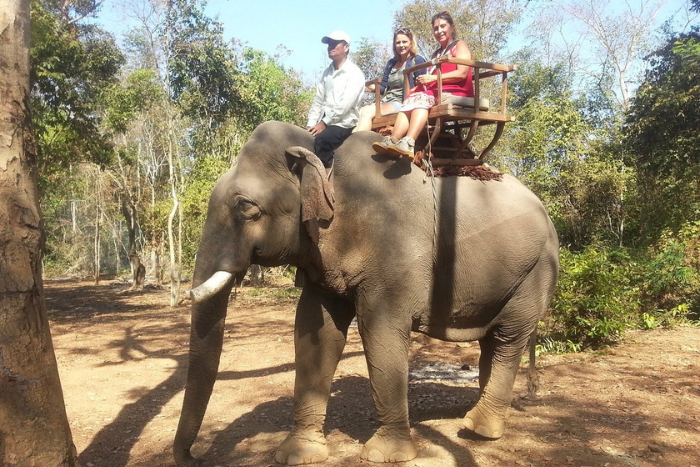
Elephant Rides: Some local organizations offer elephant rides, providing a unique perspective on the surrounding jungle during your Ratanakiri itinerary.
Exploring Local Markets: The markets in Banlung are lively places where one can buy fresh produce, local handicrafts, and taste Cambodian culinary specialties. These markets are also a great place to learn about the culture of the ethnic minorities living in Ratanakiri, one of the most interesting things to do in Ratanakiri.
Read more: Ethnic communities in Cambodia
Wildlife and Flora Observation: Travel to Cambodia. If you love flowers, trees or wild animals, a Ratanakiri trip will be ideal for you. The forests of Ratanakiri are home to an impressive biodiversity, ideal for nature lovers, photographers, researchers, and students. The Virachey National Park and the Lumphat Wildlife Sanctuary are dedicated to protecting rare and endangered species, offering visitors the opportunity to observe these animals up close.
Due to the complex geographical terrain, primarily consisting of hills and red-soil plateaus, traveling between locations during your Ratanakiri trip can be challenging. If you are not confident in riding a motorbike, consider using other services or seeking help and companionship from guides or locals. Always prioritize your safety.
If you plan to trek through the forest in Ratanakiri when you travel to Cambodia, ensure you are fully equipped with essential items for overnight stays. You may not need to bring many clothes—just a few sets, including long-sleeved clothing for sleeping, as nights can get quite cold. Additionally, carry sunscreen, mosquito repellent, some medications, band-aids, and snacks.
Since the area is relatively undeveloped, with limited services, some items may not be available for purchase when you visit Ratanakiri. However, if you encounter difficulties, don’t hesitate to seek help from the locals. The ethnic minorities living in Ratanakiri often reside in villages and are very friendly and open.
The above provides basic information about the geography, climate, population, and notable destinations of Ratanakiri Province, Cambodia, which you should know if you are planning to explore this region. Although it is not as famous as Siem Reap or Phnom Penh, Ratanakiri can offer you unique experiences with its mesmerizing natural landscapes and rich biodiversity—an ideal destination for nature and wildlife enthusiasts. You might also visit Ratanakiri if you simply want a peaceful, untouched place far from the hustle and bustle of city life to relax and unwind. Seek out a reputable Cambodia travel agency, such as Autour Asia, to help you have a smooth Ratanakiri journey.
You may also like:
>>> What to do in Ratanakiri ?
>>> All things to do in Cambodia
>>> Angkor Temples Tour Itinerary 3 Days
>>> Vietnam and Cambodia itinerary 14 days




 FR
 ITA
