Champasak, situated in the southwestern part of Laos, shares borders with Thailand and Cambodia. Covering approximately 15.5 thousand square kilometers and home to a population of roughly 700 thousand, it stands as one of Laos' largest and most populous provinces. This province was also part of the Lan Xang kingdoms, the very first nation of the Lao people. Unlike more bustling areas like Vientiane or Luang Prabang in Laos, Champasak is still a tranquil and unspoiled spot. However, it has many beautiful things to see, which will surprise and impress visitors. Champasak province Laos is well-known for its French colonial architecture and numerous ancient temples that were built during the Khmer empire from the 10th century. In Champasak, you can take a cruise to explore the Mekong River, visit 4000 islands and Wat Phu temple.
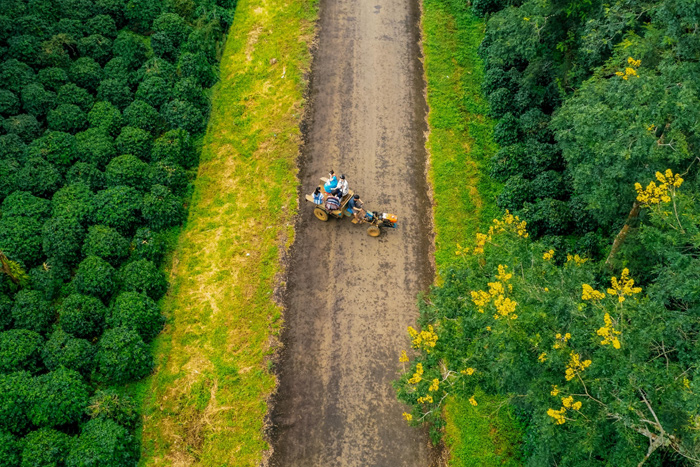
Where to stay in Champasak province Laos? Champasak has a variety of accommodations to choose from, catering to different preferences from hotels and resorts to eco-lodges and guesthouses. Prices vary, with motels starting at less than 12 USD and luxury hotels and resorts going up to around 200 USD, you'll find a place that suits your needs and budget.
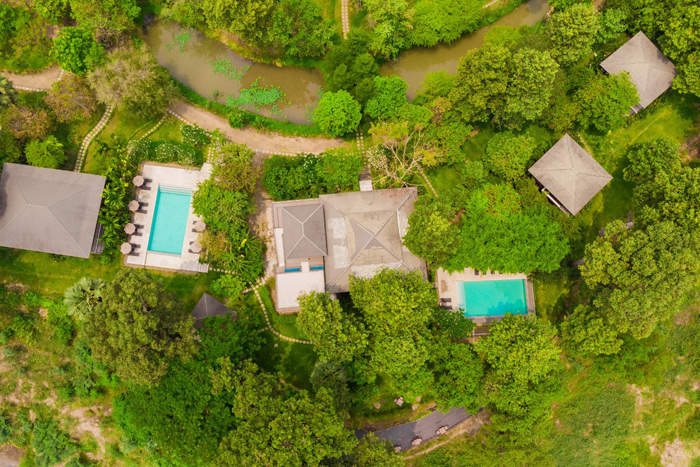
Here is a list of recommended hotels:
The River Resort: The River Resort in Laos is a leading eco-friendly accommodation with luxurious accommodations and 5-star customer reviews. On TripAdvisor, it's ranked number one among 24 hotels in Champasak province and has received Certificates of Excellence from 2013 to 2018, along with Travelers' Choice Awards from 2014 to 2019.
Pakse Hotel: located right in the heart of Pakse, this hotel offers many high quality options for accommodation, dining, relaxation services, etc. This hotel is the ideal choice of stay for visiting the beautiful Mekong River, Wat Phu Temple, Wat Luang and other attractions of Champasak, Laos.
Sala Done Khone Hotel: Sala Done Khone Hotel is a 40-minute drive from Khone Phapheng Waterfall. This hotel offers modern accommodations, a swimming pool and a shuttle service. Book this hotel if you love the ancient mode!
The Riviera Champasak: This hotel in Champasak has a restaurant, bar, garden, and free WiFi. It also offers room service and a terrace for guests. You can enjoy an American breakfast here too. The Riviera Champasak is about 30 km from Pakse and 34 km from Pakse International Airport.
Champasak Grand hotel: Located next to the Mekong River, Laos-Nippon Bridge and a short distance from Pakse International Airport, this is an ideal 4-star hotel for a trip to Champasak. From the hotel, you can easily explore famous places such as Dao Heuang market and Wat Phu.
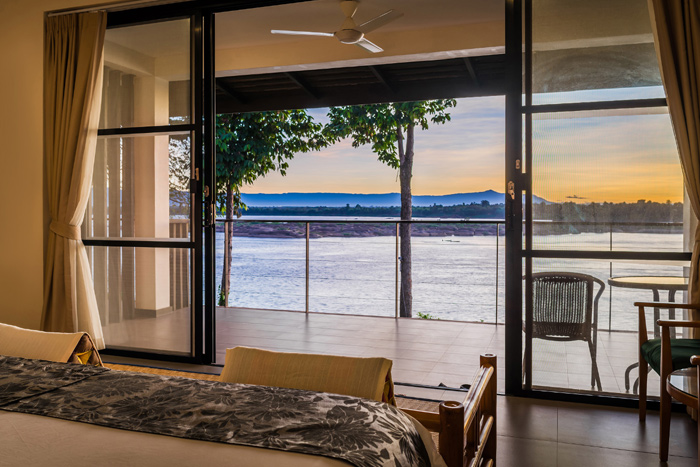
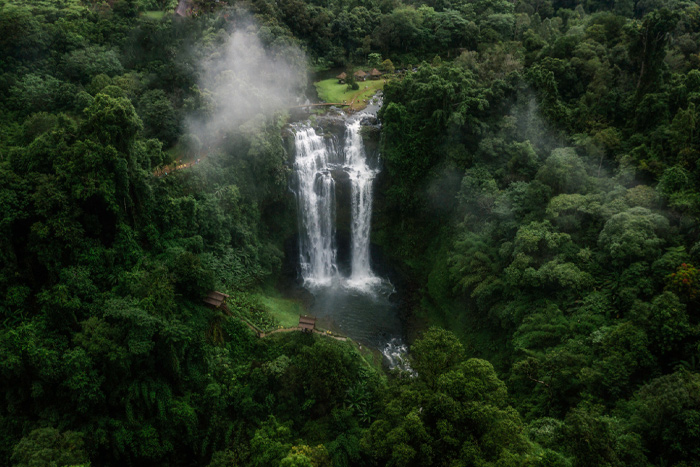
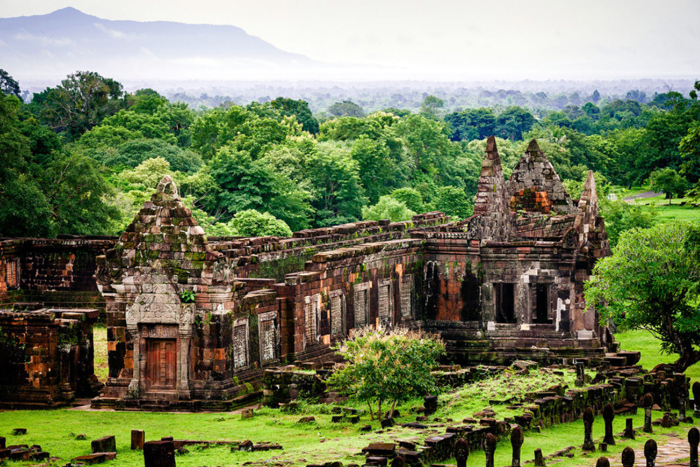
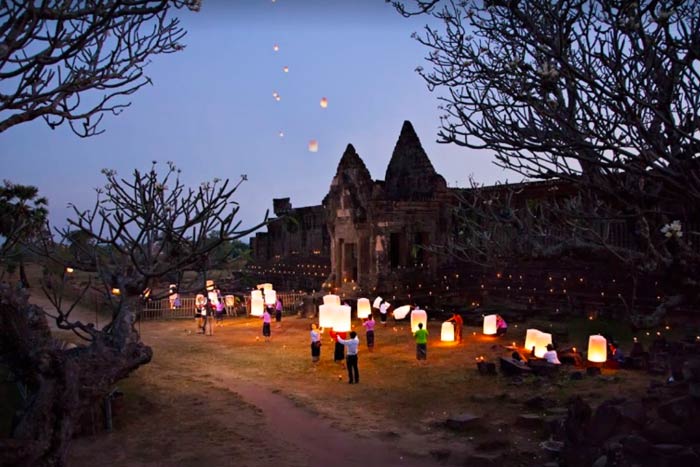
What to do in Champasak? Come visit the ancient Wat Phu temple! Located in Pakse, it's one of the oldest temples, built centuries ago. Back in the day, it was all about worshipping the god Shiva, which used to be a Hinduism hub. But by the 13th century, it transformed into a center for Theravada Buddhism. With many famous landscapes, in 2001, Wat Phu temple was recognized by UNESCO as a world cultural heritage and became one of the most attractive destinations in Laos.Visitors don't just come here for sightseeing; they also visit to pray for peace and prosperity.
Every year, on the full moon day of March, the Wat Phu festival takes place, featuring traditional activities that showcase the culture of Champasak's ethnic groups and the history of Laos. You can consider going to Champasak and Wat Phu at this time to get the most authentic experiences.
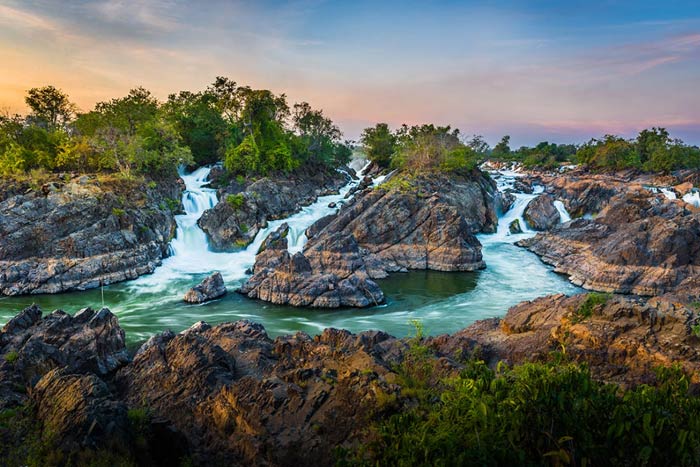
If you've already explored Wat Phu and the Bolaven Plateau on your first day in Champasak Laos, consider spending the second day in Si Phan Don, also known as the "Land of 4000 Islands." This name comes from the fact that the area is made up of around 4000 islands of various sizes. The four largest and most visited islands are Don Khong, Don Som, Don Det, and Don Khon. When coming to Si Phan Don, you can immerse yourself in the pristine, picturesque natural scenery of the Mekong River and explore the life of Lao people in the villages on the island. You can also witness South Asia's biggest waterfall, Khone Phapheng, and even get a glimpse of the very rare Irrawaddy dolphins. Riding bicycles, taking dips in waterfalls, and boating on the river are all popular activities when you visit Si Phan Don.
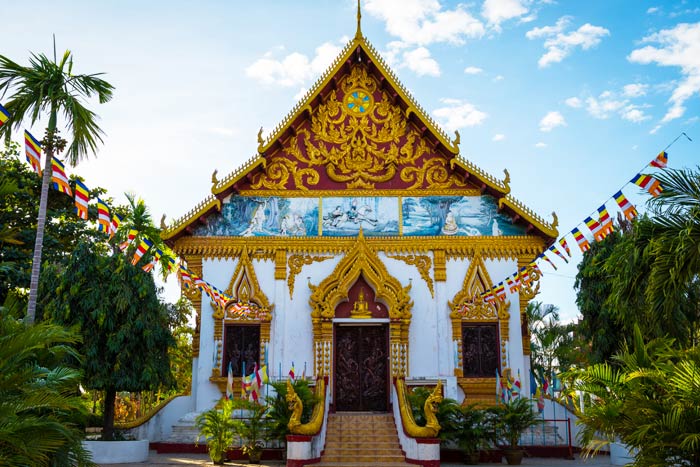
Pakse, also spelled as Pakxe, is the capital of Champasak province and the second-largest city in Laos. Pakse is often seen as a starting point to visit well-known spots mentioned above like Wat Phu temple, the Bolaven Plateau, and 4000 islands. To begin your journey in Pakse, you can visit Wat Luang, which is both the biggest and oldest temple in the city. Moreover, you'll also get the chance to explore Dao Heuang market in Pakse, a bustling Asian market that happens in the morning. At this market, you can buy anything from clothes and household items to jewelry and food; meet the locals and learn about Lao culture. Apart from its attractions, Pakse is a culinary heaven with delicious dishes. Visiting Pakse is definitely one of the things to do in Champasak, Laos. For this city, you should stay at least two days to explore the unique culture of Laos.
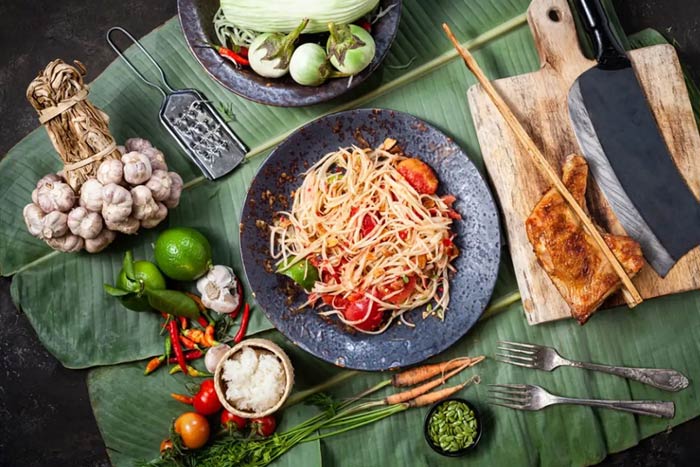
Champasak province Laos has over 70 restaurants, with many in Paske town. You can savor a variety of tasty dishes from different cuisines, including Laos, Thailand, India, Italy, and Vietnam. You'll also find Western and international options in other places. If you're interested in trying local specialties like fish salad (lap pla), tam mak hoong (spicy papaya salad), mok pa (fish steamed in banana leaves) or sour fish (pla dek), check out the roadside shops in Champasak. For drinks, be sure to try a cup of coffee at the Bolaven plateau!
Below are suggested addresses:
Le Panorama Rooftop Restaurant: Located at the top of Pakse hotel. This restaurant offers a very diverse menu and a beautiful view overlooking the town. While the meals might be a bit pricier, the experience is definitely worth it!
Phai Lorm restaurant: serving local dishes at cheap prices
Soum Noum restaurant: An ideal restaurant to try traditional Lao dishes and explore authentic Mediterranean food. Here, you will also find typical Italian pizza baked in a wood oven and great wines and cocktails.
Dok Mai Lao Trattoria Italiana: Enjoy Italian dishes in Laos with a beautiful garden
Hasan Indian: Serving a mix of Indian and Western dishes
How to move around Champasak because Grab isn't available in Laos, unlike in some other Southeast Asian countries. To get around Champasak province Laos, you can take public buses from Pakse's two bus stations to district centers 2- 3-times a day. A 07:30 bus departs the Dao Heuang Market for Champasak Town at 10:00, 11:00, and 12:00. Buses to Don Khong and Don Khone leave from the Southern Bus Station at around 09:00 and 15:30 and to Paksong at 08:30, 09:30, and 12:30. Moreover, you can also hire songthaews (pickup trucks with benches) or tuk- tuks for one-way or day trips. In Champasak, there are car rental services (with drivers) and motorbike rentals. But on pleasant days, renting a bicycle is a great way to explore the villages in Champasak!
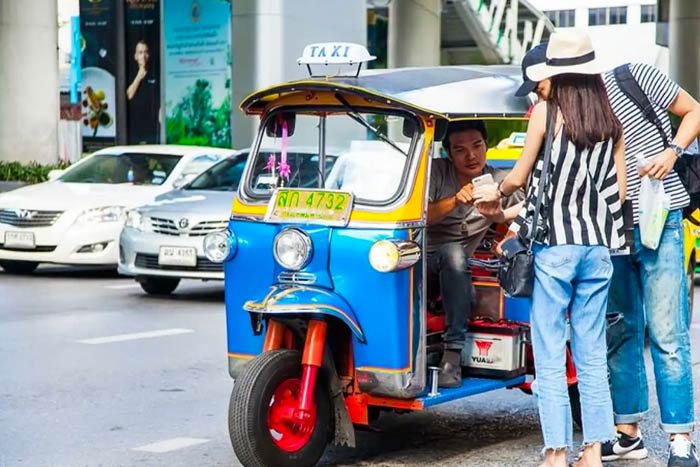
Below is the price list of transportation in Champasak, Laos:
The best time to visit Champasak is from October to February. During this period, the weather is not too hot, and it's less humid, which is great for outdoor activities like hiking and sightseeing, as well as enjoying the waterfalls. If you visit in the summer, around March to May, be sure to protect yourself from the heat to stay healthy. It's advisable to avoid Champasak during the monsoon season, from July to September, when there are often floods and landslides. Proper trip planning will ensure you have a memorable experience in Champasak!
Besides the important information above, take a look at the following tips to make your trip even better:
So, you have joined Autour Asia to explore the Champasak travel guide. We hope the information we offer makes your trip memorable and meaningful!


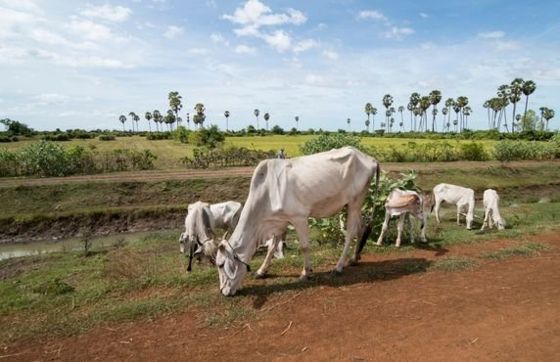
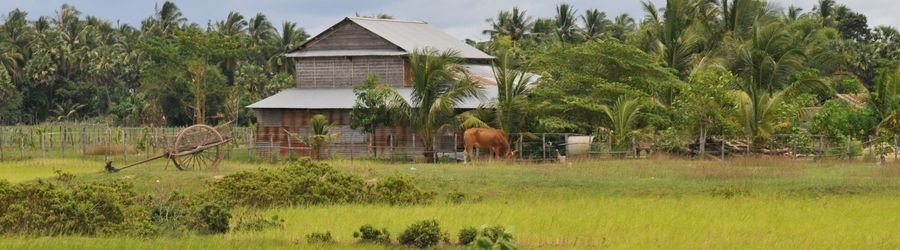
After exploring Angkor’s temples, bustling markets and the streets of Phnom Penh, Cambodia can also be discovered through its countryside. A weekend farm tour in Cambodia offers a chance to slow down and experience a rural way of life that remains closely connected to the land, the seasons and the harvest. Depending on the region, you may take part in farm activities, cook with a local family or follow rural paths between rice fields and orchards. This countryside escape is ideal for couples and families looking to experience Cambodia beyond the usual tourist routes. To make travel easier and choose an experience suited to your needs, a Cambodia travel company can also incorporate this rural immersion into a more comprehensive itinerary.
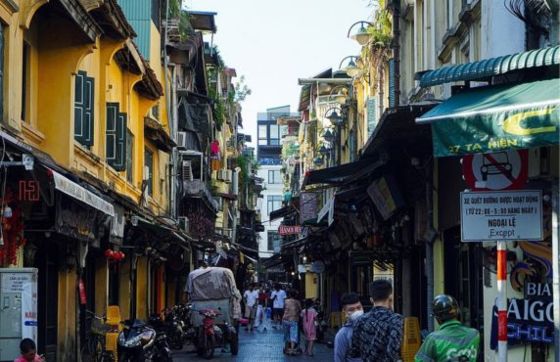
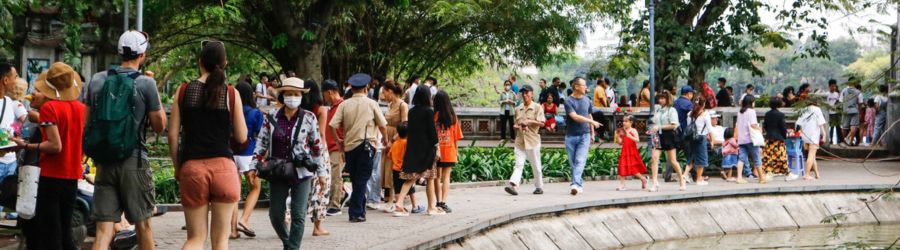
In Hanoi, walking is not just a way of getting around: it is one of the best ways to experience the rhythm of the capital. Between the bustling shopping streets of the Old Quarter, colonial-era façades, shady lakes and street food stalls, each area has its own atmosphere. But which Hanoi walking tour should you choose if you have half a day, a full day or just a few hours? This guide presents five ways to explore the city, from Hoan Kiem Lake to Long Bien Bridge, via Truc Bach and Hanoi’s food districts. Heritage, photography, gastronomy or local life: everyone can find a route that suits them. To plan a more comprehensive trip, the Local travel agency in Hanoi - Autour Asia can also help you incorporate Hanoi into the other stages of your itinerary.
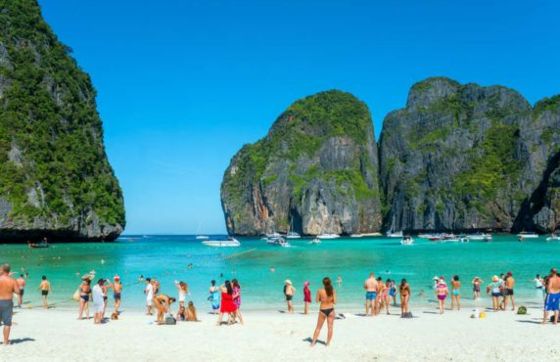
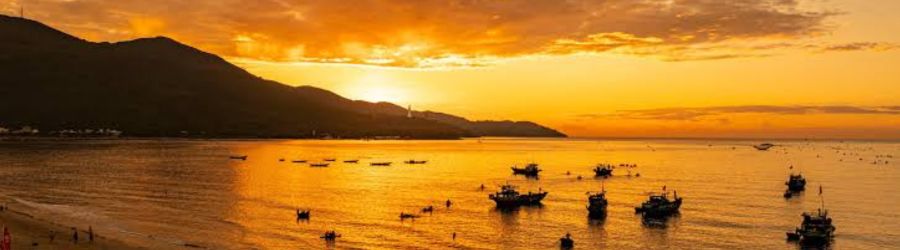
A 3 weeks in Vietnam with beach itinerary allows you to combine cultural discoveries, natural landscapes, and a few days of seaside relaxation, without turning the trip into a succession of transfers. In 21 days, it is possible to start in Hanoi, discover Ha Long Bay or Lan Ha Bay, continue to Hue and Hoi An, then head south before ending with a beach destination suited to the season. But where should you go to the beach in Vietnam? The answer depends mainly on the time of year: Phu Quoc is particularly suitable during the dry months in the South, while Da Nang, Hoi An, or Quy Nhon are good options during part of the year. To build a coherent itinerary, the Vietnam travel agency - Autour Asia can also adapt the stops to each traveler's pace and preferences.
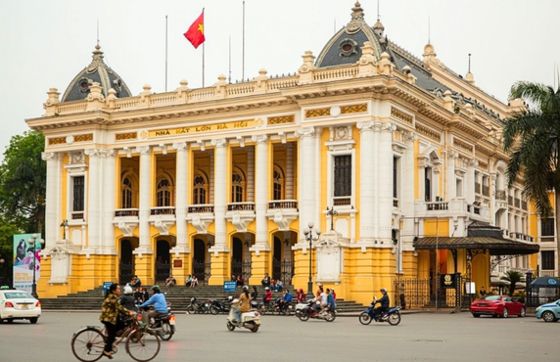
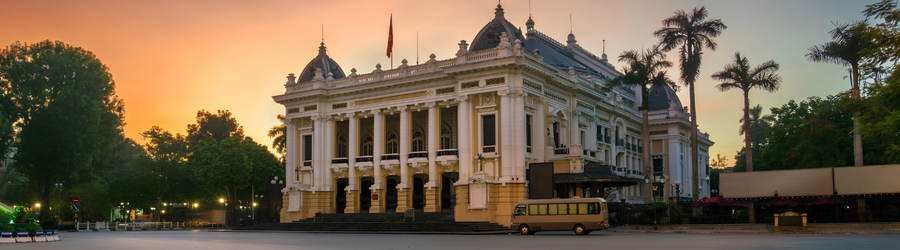
Located in the heart of Vietnam’s capital, the Hanoi Opera House is one of the city’s most iconic cultural and architectural landmarks. Built during the French colonial period, this elegant building has become an essential stop for travelers interested in Hanoi’s history and performing arts. But what can you actually see during a visit? Is visiting Hanoi Opera House possible without attending a show, and is a Hanoi Opera House tour worth adding to your itinerary? In this guide, discover the history, architecture, cultural significance and practical information you need to make the most of your visit to the Hanoi Opera House Vietnam.
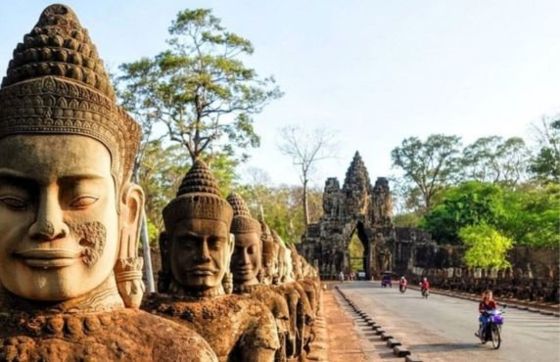

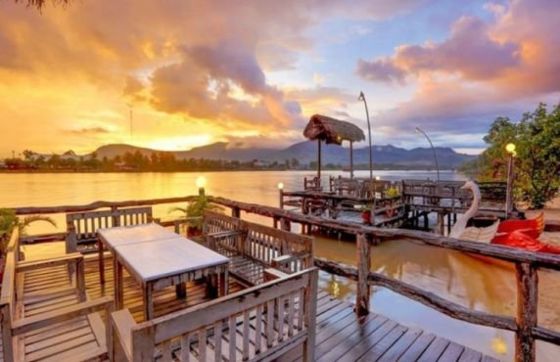

Traveling with children in southern Cambodia makes it easy to enjoy a variety of experiences: peaceful small towns, tropical landscapes, beaches, islands, local markets, and nature discoveries. To know where to visit Southern Cambodia with family, however, it is better not to include too many stops. Kampot, Kep, and the islands of Preah Sihanouk Province offer complementary atmospheres, with family-friendly activities and plenty of opportunities to relax. The choice mainly depends on the children’s age, your preferred pace, and the season. In this guide, we offer a balanced itinerary and practical ideas for organizing your stay, with advice from Cambodia travel company - Autour Asia to help you enjoy southern Cambodia without turning your holiday into a race against the clock.
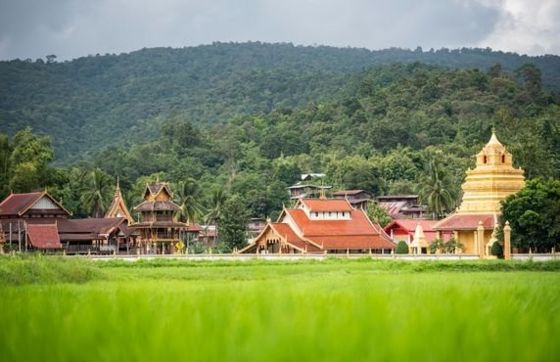
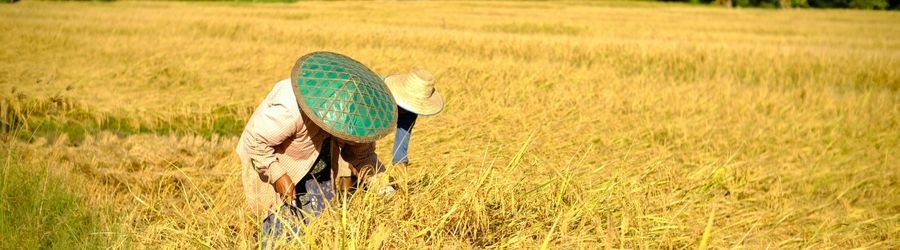
When we think of Thailand, the first images that often come to mind are temples, lively markets, tropical islands, or the beaches of the south. Yet, the country has another, more discreet side that is deeply connected to its identity: its countryside and agricultural heritage. Today, agritourism trends are attracting travelers looking for authentic experiences, closer to nature and local communities. To discover this different side of Thailand, a Thailand travel company can include rural stops in a classic itinerary. It is a great way to slow down, taste local products, and understand the daily life of local communities.

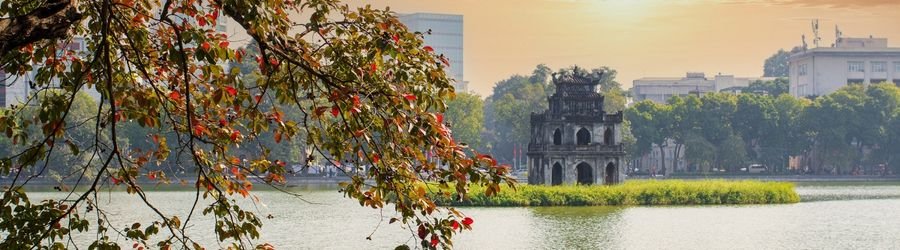
In the heart of Hanoi, some places tell the story and spirit of the Vietnamese capital better than others. Hoan Kiem lake is certainly one of them. Surrounded by trees, historic monuments and lively streets, it is a meeting point between heritage, traditions and daily life. A walk around the lake also allows visitors to experience the unique rhythm of Hanoi, from early-morning tai chi sessions to family walks and the lively atmosphere of the weekend. For travelers who want to discover the capital in a different way, this iconic site deserves a place in any itinerary planned by a Vietnam travel agency. But what is really hidden behind this famous lake?



 FR
FR EN
EN