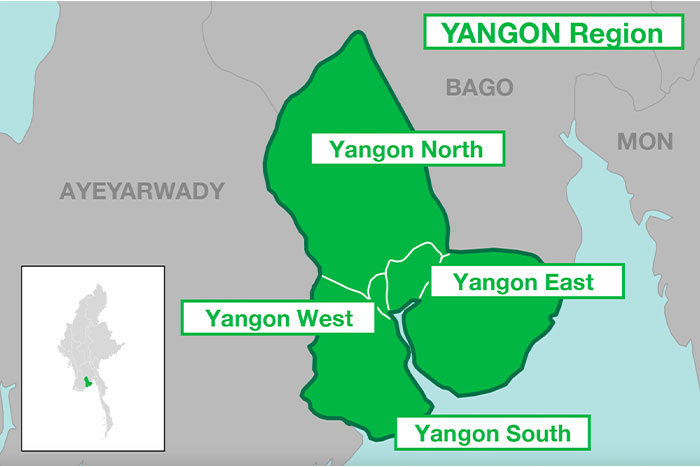
Yangon, situated at an elevation of 27 meters above sea level, shares the tropical climate characteristic of much of Myanmar. Yangon climate remains consistently warm throughout the year. Yangon has an average temperature of approximately 28°C. April stands out as the hottest month, whereas July and August are recognized as the coolest months. So, what is the best time to visit Yangon? Before answering this question, we will learn about the seasons in Yangon. The city has three distinct seasons: the hot season, the rainy season, and the cool season. Additionally, it has limited rainfall so it is a suitable destination for most of the year.
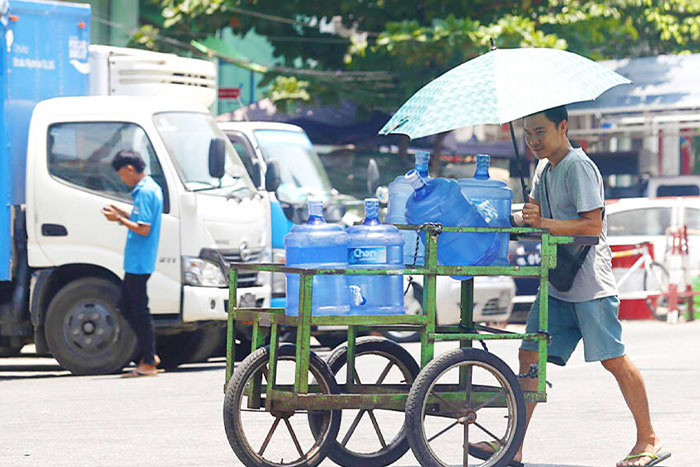
The hot season is from March to June, characterized by scorching temperatures and a lack of precipitation. Outdoor activities are discouraged between 10 am and 6 pm due to the intense heat, with temperatures steadily rising and potentially reaching 40°C.
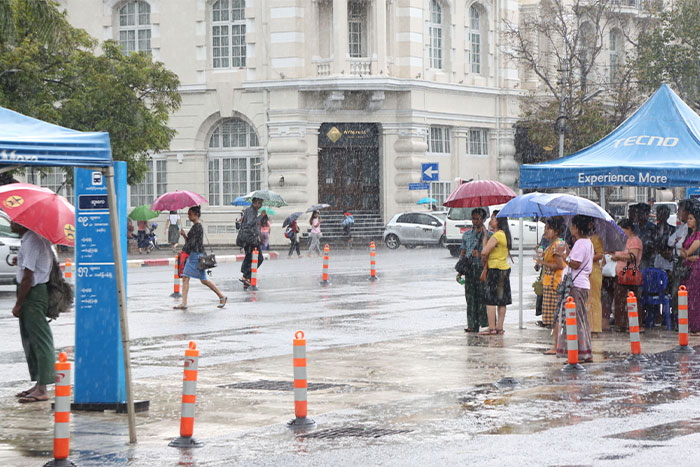
From June to October, Yangon enters the monsoon season, marked by copious rainfall. The city and the adjacent Bay of Bengal coast witness persistent and extended periods of rain, especially from June to August. This substantial rainfall notably impacts Yangon and the Irrawaddy Delta region. Nevertheless, as September and October progress, the rainfall intensity diminishes, paving the way for more frequent episodes of sunshine. Nature lovers enjoy the lush greenery brought about by the rains, considering this an optimal time to visit. By September and October, the intensity of rainfall diminishes, allowing for more frequent periods of sunshine. The period from September to November is considered the best time to visit Yangon when the temperature ranges from 30.9°C to 34.5°C. This range is ideal for travelers engaged in sightseeing and outdoor activities. It is worth noting that during this time, tourism demand is high, leading to the number of hotels that may be booked out early.
The period from November to April has the least rainfall in Yangon, accompanied by lower humidity levels. March and April, in particular, experience elevated daytime temperatures, often reaching highs of approximately 37°C. During the night, the average minimum temperature hovers around 24°C. From February until the rainy season, certain regions, especially north of Yangon, may be dust and haze, occasionally impeding distant visibility. Winter temperatures can significantly increase, averaging nearly 37°C in April.
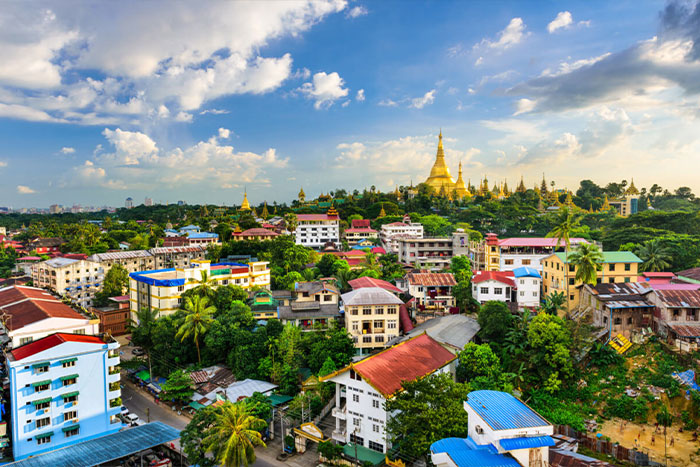
Myanmar, deeply entrenched in its religious practices, has a diverse Buddhist calendar filled with lively festivals. Fortunately for those exploring Yangon, many of these festivities unfold here, the largest city, offering a unique opportunity to culture trip Yangon.
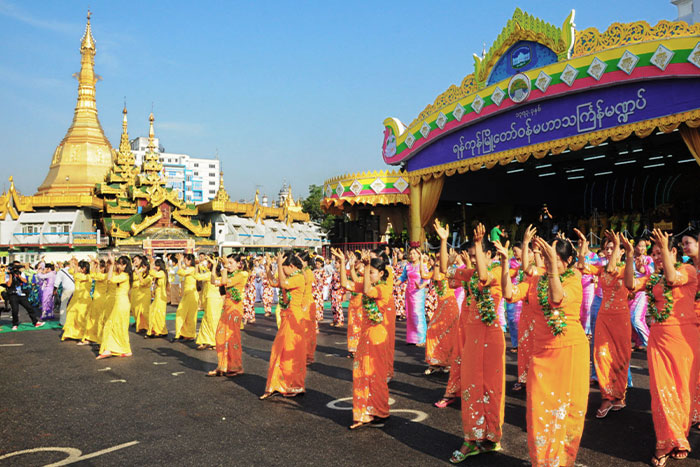
One such highlight is Thingyan, the Water Festival, celebrated during the Burmese New Year in mid-April. This spectacular event culminates in a day of water throwing on New Year's Eve, where revelers gather to drench each other, dance, and indulge in delicious rice balls. Kandawgyi Lake - one of the places to visit in Yangon is the epicenter of Thingyan in Yangon, hosting numerous water spraying stations that double as dance stages. Participants, drenched and carrying water-filled containers, engage in a massive "mega shower" atmosphere. Amid the continuous water festivities, cheerful Burmese individuals exchange greetings, asking, "Happy Happy?" and you reply "Happy Happy!. Walking on the streets in dry clothes becomes an impossibility due to the ubiquitous water play. Various entertainment areas are set up, attracting tourists to the main square featuring traditional dancers, water hoses, and lively music, creating an unforgettable spectacle of dance, play, and song for your Yangon trip.
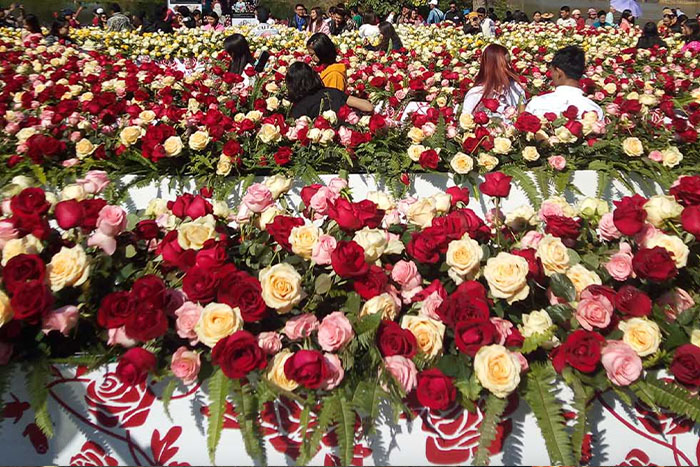
In May, Buddhists honor three significant milestones in Buddha's life – his birth, enlightenment, and Nirvana at his death – by ritually pouring water on the sacred Bo Tree. The Waso Festival in July marks the commencement of the beginning of three months of Buddhist lent when monks receive new robes. This celebration symbolizes new life and development, evident in the splendid floral displays decorating major pagodas in Yangon. The city becomes a vibrant tapestry of colors during the full swing of Waso, making it the best time to visit Yangon in the rainy season. The festival features a market displaying locally made products, sweater fabrics, crafts, and souvenirs. In addition, orchid contests, flower decoration contests, photo contests, and entertainment programs are indispensable parts. Previous events have introduced many species of floral plants from abroad, attracting the participation of floral experts from around the world.
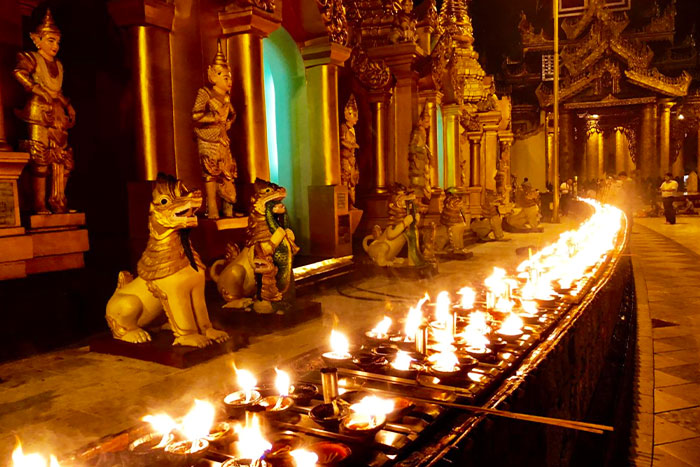
Thadingyut, the second most renowned festival in Myanmar after Thingyan, marks the end of the three-month Buddhist Lent and is celebrated for three consecutive days: the eve, the full moon day, and the following day. The festival is characterized by believers adorning their homes with lanterns and lights to welcome the Buddha's descent from heaven. According to legend, Buddha's mother, Maya, passed away seven days after giving birth to him and was reborn as a deva in heaven. He returns to earth on the full moon day of Thadingyut, and in following his footsteps, Buddhists express gratitude and seek forgiveness by paying homage to their parents, teachers, and elders during Thadingyut. Monks recite Abhidharma sermons during the festival, hence Thadingyut is also referred to as the Abhidharma Day.
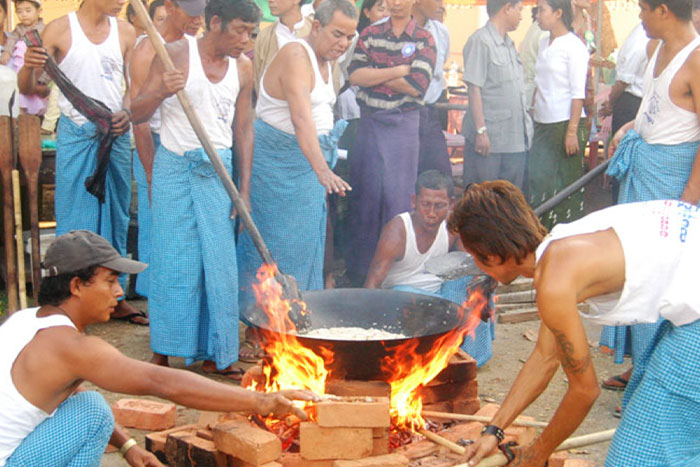
In February, Myanmar celebrates the harvest festival known as Hta-Mane. Unlike a solemn occasion for prayer or ceremony, this festival revolves around indulging in generous portions of sticky rice snacks adorned with coconut, sesame seeds, and peanuts. Across the city, you'll be delighted by the exceptionally engaging atmosphere, offering a unique cultural experience for your culture trip Yangon. One of the highlights of the festival is the competition between male teams to offer sticky rice to the great Buddha early in the morning of the Full Moon day. Audiences enjoyed watching cooking demonstrations and sticky rice cooking competitions. Once the cooking concludes, the glutinous rice is distributed as a donation to the public, followed by a prize-giving ceremony honoring the victorious teams.
The best time to visit Yangon is during the cool season, characterized by mild temperatures, dry weather, and clear air. Although this aligns with the peak tourist season, it offers optimal climate conditions for exploration. During the cool season, average lows range from 15℃ to 19℃, while average highs are between 20℃ to 26℃. This season attracts many tourists, but it provides an ideal climate for discovering many popular pagodas in Yangon like the Shwedagon Pagoda and the Sule pagoda, ... Additionally, Yangon's nightlife flourishes during this time, offering a vibrant experience for party enthusiasts. The festive season around Christmas and New Year adds to the allure, with the city adorned in colorful lights. However, keep in mind that prices for hotels and flights peak during these months, although early bookings may offer some savings.
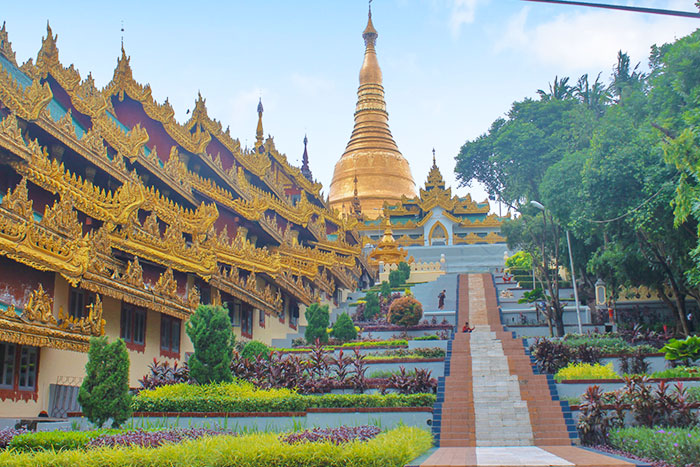
Explore many tips for your Yangon trip from the best time to visit Yangon to countless useful information. By adhering to this comprehensive list, together we can create an exceptional Yangon travel experience.
ATMs are now widely accessible in Yangon, providing kyat currency. While most establishments can break the denominations dispensed by ATMs, cash remains the prevalent form of payment. It's advisable to carry some cash as well. US dollars can be exchanged, but they must be in impeccable condition without any damage, creases, or marks. Additionally, certain places may accept payment in US dollars.
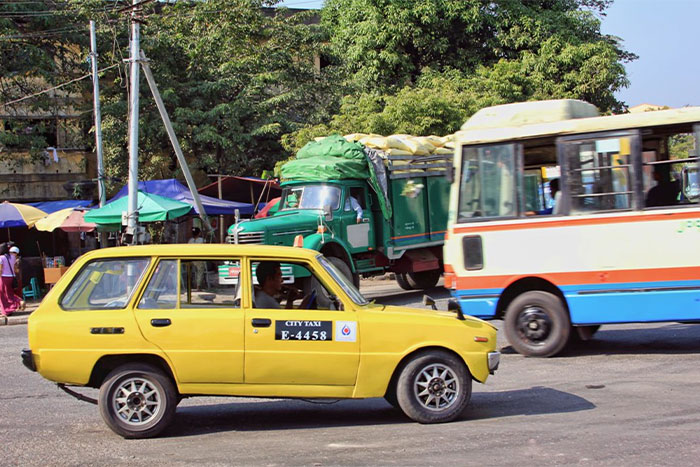
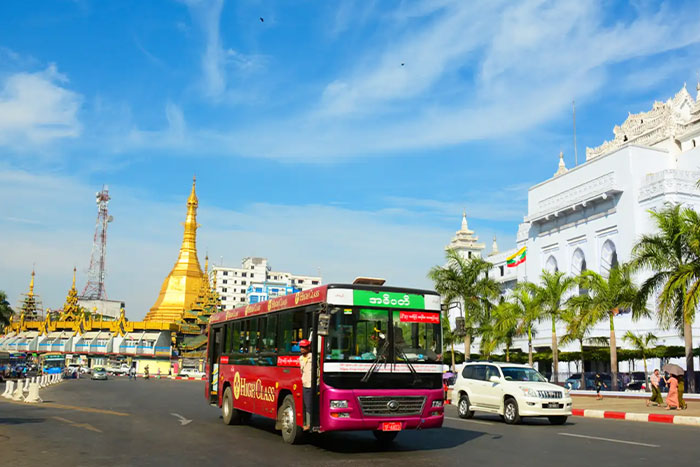
Upon arriving in the country, it is advisable to acquire a local SIM card, with popular providers being Telenor, Ooredoo, and Mytel. Data and calling credits are affordable and easily reloadable, with around 1,000 kyats (0.8 USD) for 1GB of data.
Buddhism is the national religion, necessitating utmost respect for monks, pagodas, and Buddha statues. Exercise caution while walking on pavements, as some may be unstable, and when crossing roads. Remember to remove your shoes before entering a pagoda, ensuring your shoulders and knees are appropriately covered. Avoid pointing your feet towards Buddha.
For local buses, markets, and street food, it is recommended. Always confirm prices before making purchases, unless clearly marked. Avoid discussing politics or the military with locals, as these topics are sensitive. Local people predominantly use cash, so carry sufficient cash, preferably in crisp, unfolded USD notes. While there are ATMs, using a foreign debit card incurs a charge of 6500 kyats per transaction.
Learning basic phrases in the local language, such as "hello," "thank you," and "goodbye," can significantly enhance interactions with the locals.
We suggest you refer to the following circuits: Central Vietnam Tour package


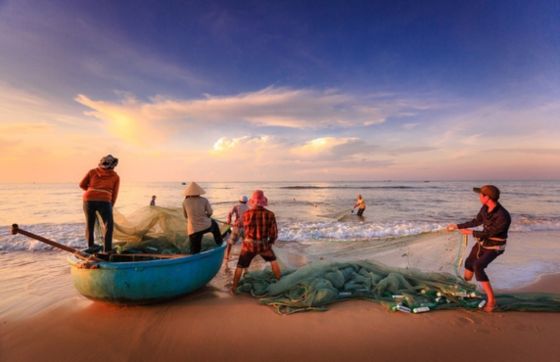
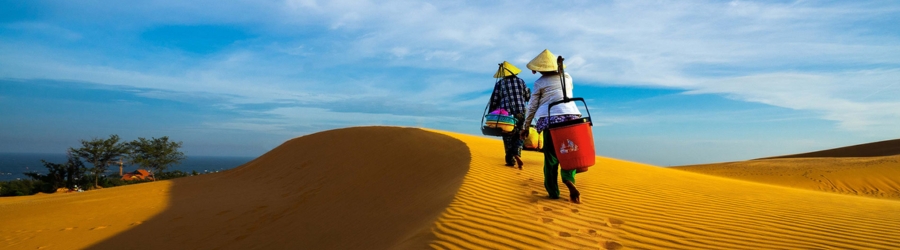
Phan Thiet, a coastal city in Binh Thuan Province, is best known for Mui Ne, an internationally renowned seaside destination. With its beaches, fishing villages, and desert-like sand dunes, the region offers a diverse range of landscapes rarely found elsewhere in Southeast Asia. In November, temperatures remain pleasant for exploring the coast, although occasional showers are still possible. Visiting Phan Thiet Mui Ne in November requires a little preparation to make the most of your stay. This complete guide covers the weather, must-see attractions, transportation options, and practical tips to help you plan your trip to Vietnam in November.
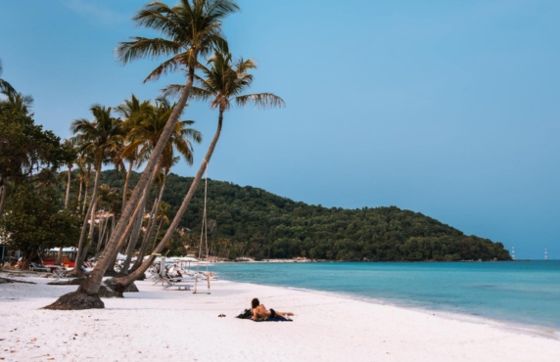
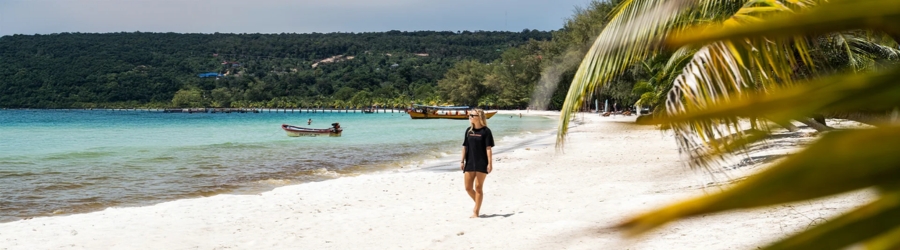
Vietnam’s beaches are best enjoyed at different times of the year, depending on the region. From the turquoise waters of the South to the long stretches of white sand in the Central region and tropical islands, each area has its own climate patterns. To better understand when to visit Vietnam, it is important to consider the weather conditions in each destination. The best time to visit beaches in Vietnam depends on region you choose as well as the activities you have planned. The best time to swim in Vietnam also varies according to rainfall, water temperature and sea conditions. Understanding the Vietnam beach season helps you choose destinations that match your travel dates and enjoy the coastline in good conditions.
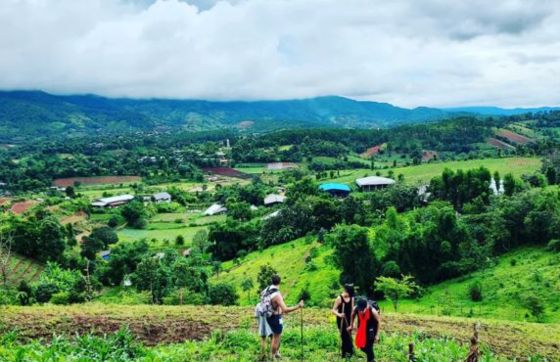
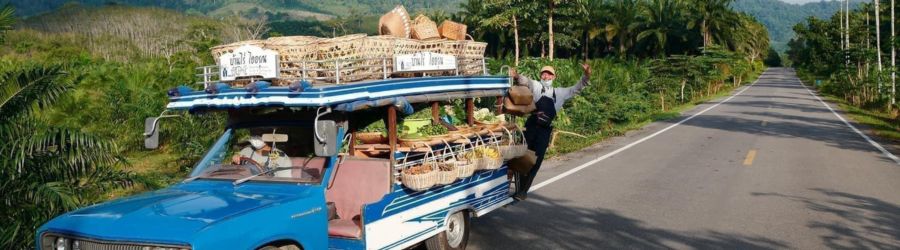
Discovering Thailand through its rice fields, plantations, and rural villages offers a different way to travel, far from traditional tourist circuits. But how can you choose the best agency for Thailand farm tours to enjoy authentic experiences with local communities? Several tour operators offer trips combining agriculture, gastronomy, and encounters with producers. Among them, Autour Asia is an option for travelers who want to personalize their itinerary. Known as Vietnam travel agency - Autour Asia, the company also offers tailor-made trips to several countries in Southeast Asia. With the local travel agency in Thailand - Autour Asia, travelers can explore a trip designed around their interests. Here are five organizations worth knowing, their distinctive features, and the essential criteria for planning a successful agricultural tour in Thailand.
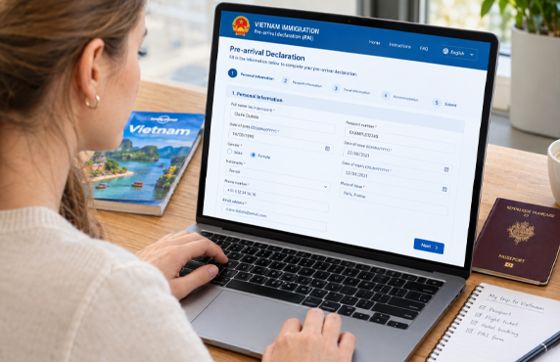
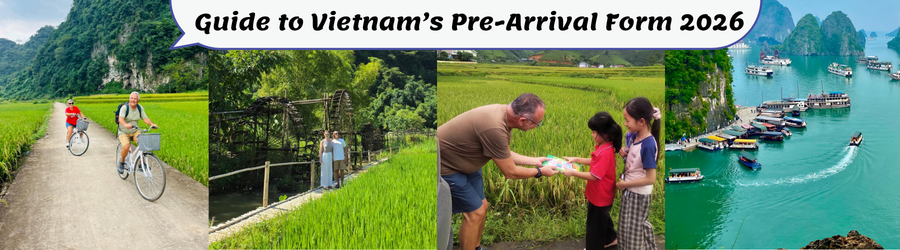
Planning a trip to Vietnam? Before packing your bags, take a few minutes to check the latest entry requirements and prepare the documents you may need at the airport.
Vietnam’s Pre-Arrival Information (PAI) system allows international travellers to submit selected personal, visa and travel details online before arriving in the country. After a successful submission, the system generates a QR code that travellers can save on their phones or print for use during immigration procedures. Although the online declaration is designed to help make arrival procedures smoother, travellers should understand when it applies, how to complete it correctly and which documents they still need to enter Vietnam.
In this practical guide, you will discover where to access the official PAI portal, what information to prepare, how to complete the declaration step by step, how to correct common mistakes and what to do when you arrive at the airport.
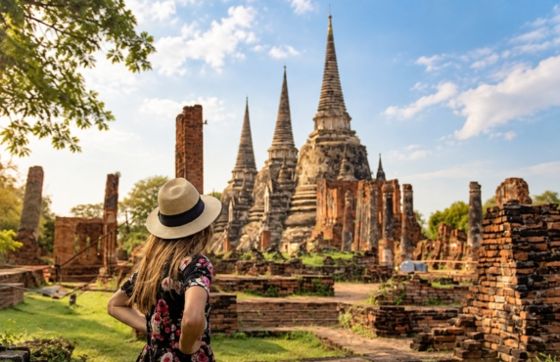
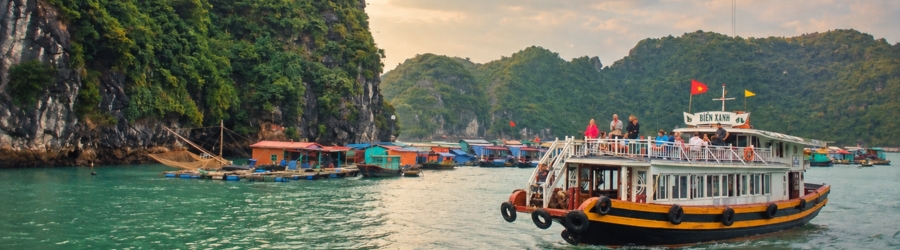
With its exotic landscapes, fascinating cultures and diverse experiences, Vietnam and Thailand are among the most popular destinations in Southeast Asia. However, safety remains an important criterion when planning your trip. So, how can you choose Vietnam or Thailand for a safe trip depending on the way you travel ? And is Vietnam safer than Thailand ? Each destination has its own characteristics and points to consider. In this article, Autour Asia helps you compare Vietnam and Thailand to better understand their differences and choose the destination that meets your expectations for your next trip to Asia.
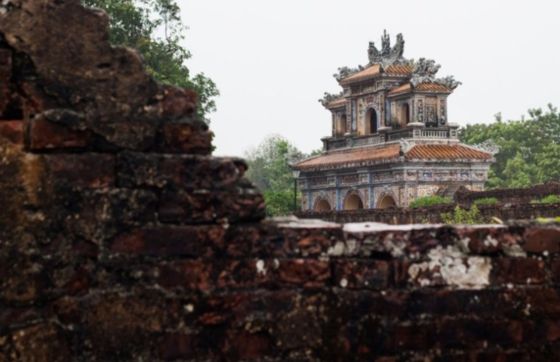
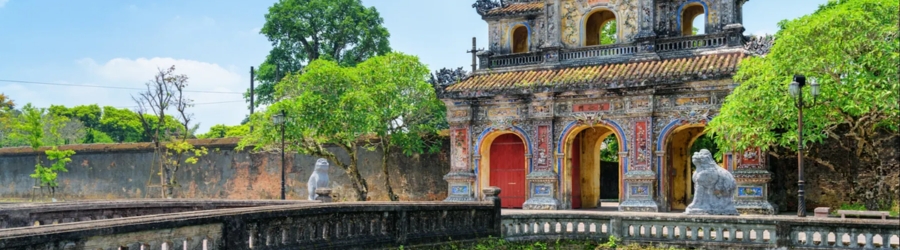
Planning a trip to Hue in November requires a little more flexibility than at other times of the year. Visiting Hue in November means experiencing the rainy season in central Vietnam, with prolonged showers and a risk of flooding. However, this period can also be an opportunity to explore the former imperial capital’s royal heritage, pagodas and renowned cuisine in a quieter atmosphere. The key is to choose your activities carefully, prepare alternative plans and check the weather conditions before setting out.
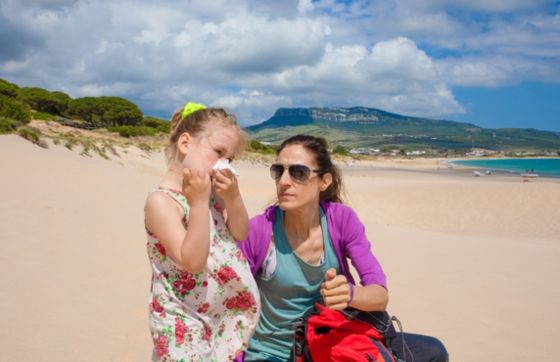
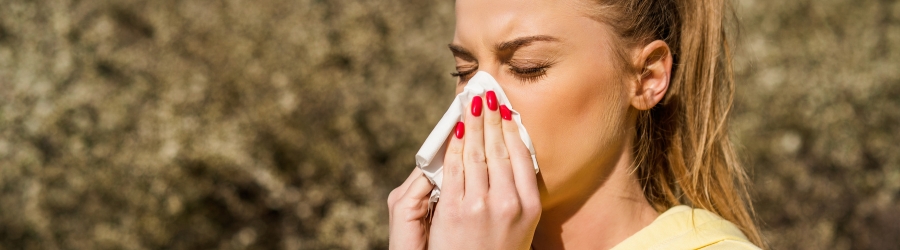
When travelling in Cambodia, some everyday habits may raise questions about local customs. Is blowing your nose in public considered polite? How should you behave in restaurants, on public transport or during a visit? These small details matter when you want to respect the local culture. Discover how to manage blowing your nose in Cambodia discreetly, along with practical tips on using tissues during your trip. Autour Asia, Cambodia travel agency, helps you discover local customs with advice tailored to travellers. From Cambodia travel etiquette to personal hygiene and everyday situations, a few simple guidelines can make your journey more comfortable. In Phnom Penh, Siem Reap or Kampot, understanding local customs helps you avoid awkward moments while making the most of your stay.
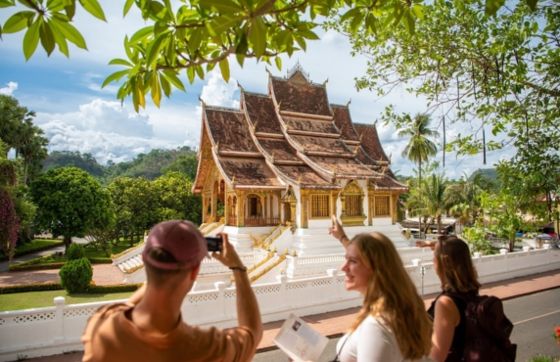
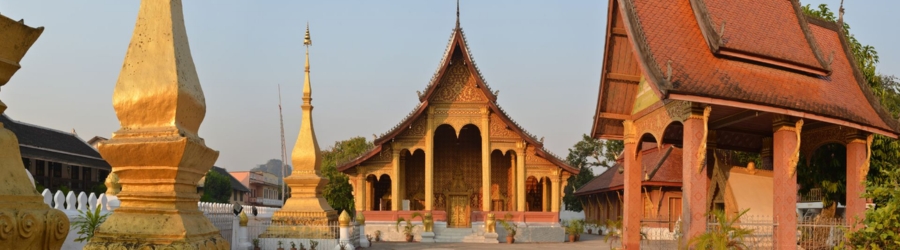
Blow your nose in Laos is not necessarily considered rude, but it is best to do so discreetly, especially in quiet places or during meals. If you have a cold, use a clean tissue and avoid blowing your nose loudly in public. In temples and other places of worship, respect the peaceful atmosphere and local customs. If you need to blow your nose frequently, step away from others for a moment whenever possible. Finally, dispose of used tissues in a rubbish bin. These simple habits will help you observe good manners during your trip to Laos.



 FR
FR EN
EN