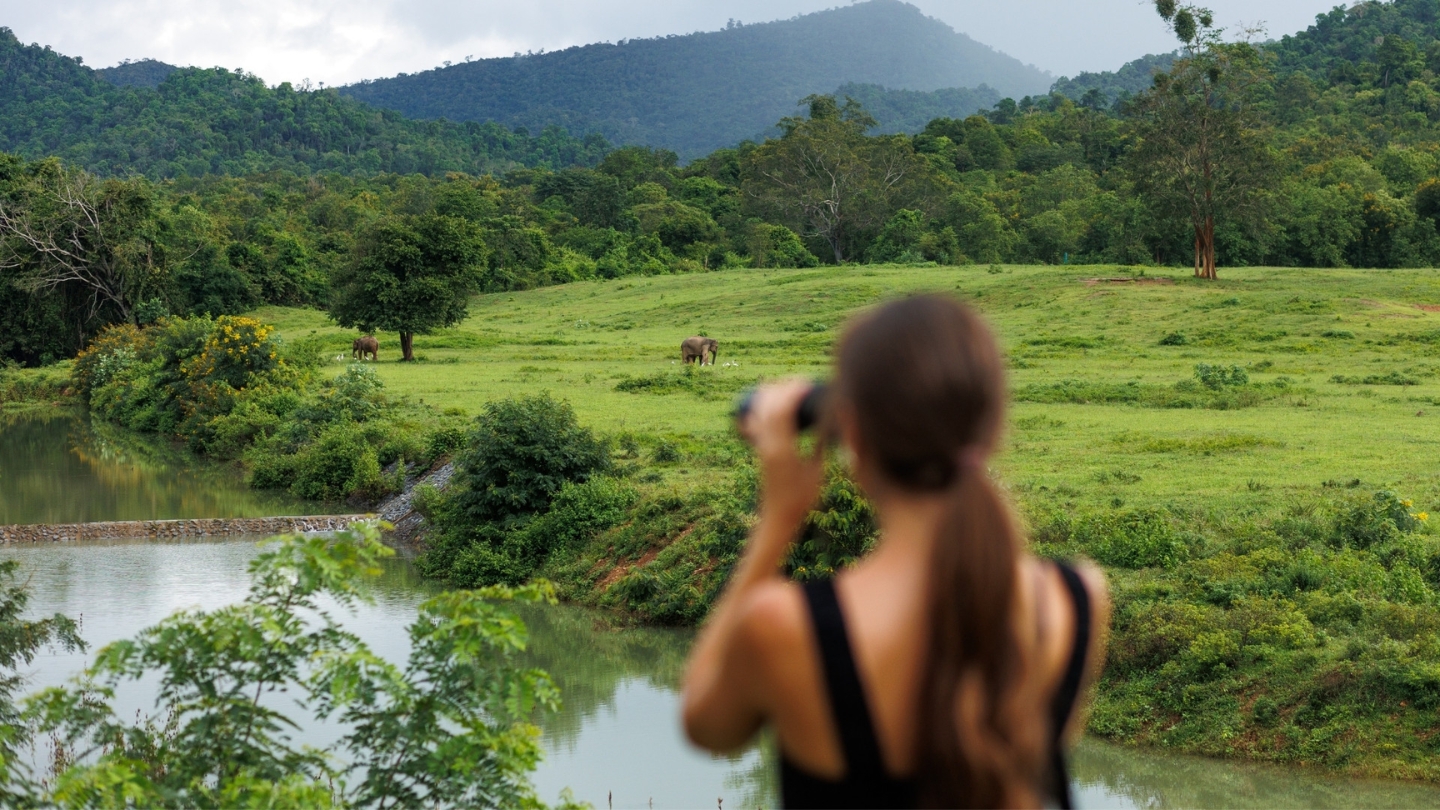
Thailand is one of the world's most popular travel destinations, attracting visitors every year with its beautiful beaches, natural landscapes and rich cultural heritage. However, this popularity has also contributed to the growth of mass tourism, bringing several negative consequences on culture and environment. More and more people are looking for responsible ways to explore the country that help protect the environment while supporting local communities. In this article, discover several eco-friendly activities to do in Thailand, from restoring mangrove forests and joining beach clean-ups to exploring organic farms and staying with local families.
The growth of mass tourism in Thailand is putting increasing pressure on natural areas, particularly beaches, islands and national parks. With pollution, ecosystem degradation and the gradual loss of certain local traditions becoming growing concerns, sustainable tourism offers an alternative way to discover the country. It encourages travellers to reduce their environmental footprint, choose low-impact transport, support small-scale producers and take part in activities organised by local communities. A responsible trip to Thailand or an eco-friendly tour is therefore about more than simply admiring beautiful landscapes. It also offers an opportunity to help preserve these places while ensuring that tourism brings positive economic benefits to local residents.
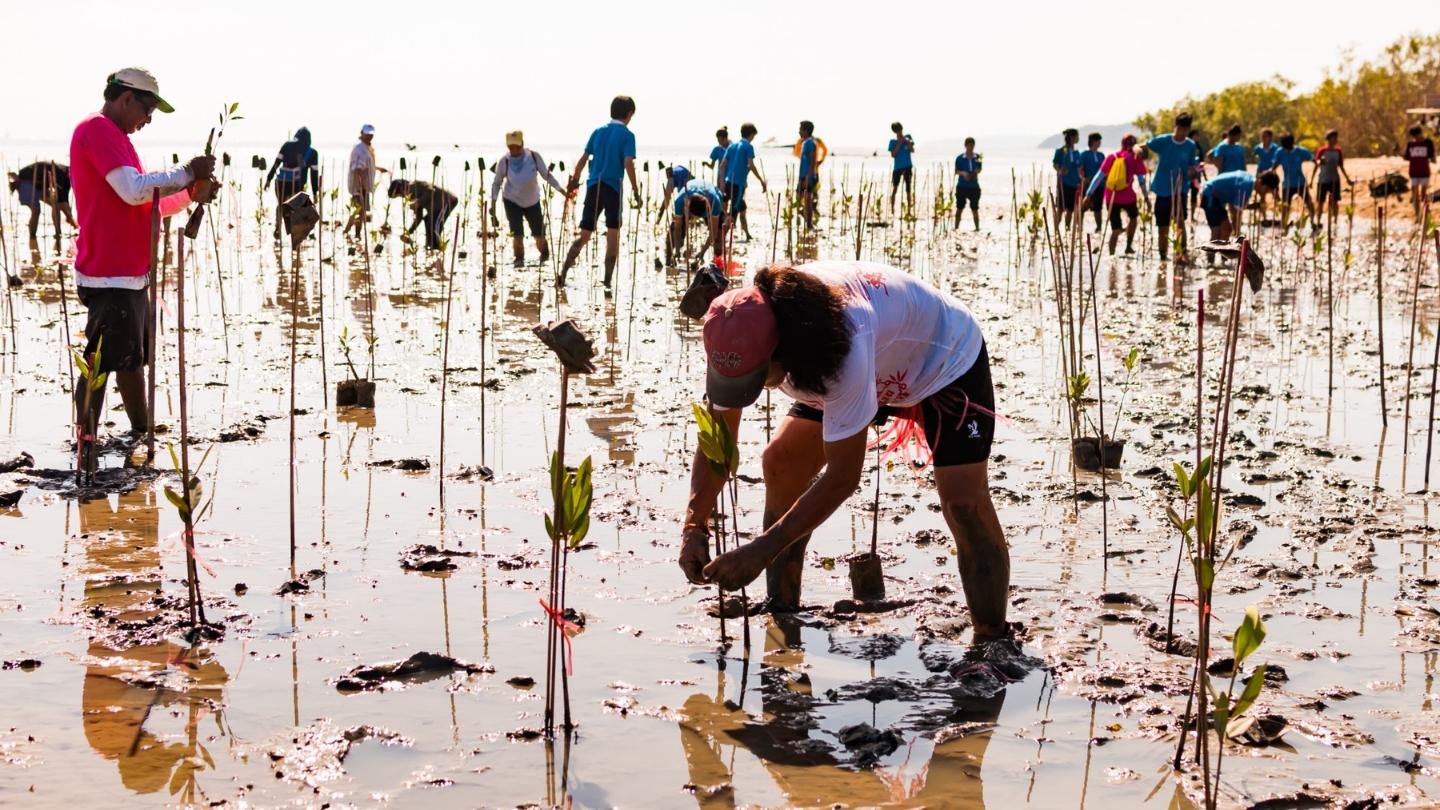
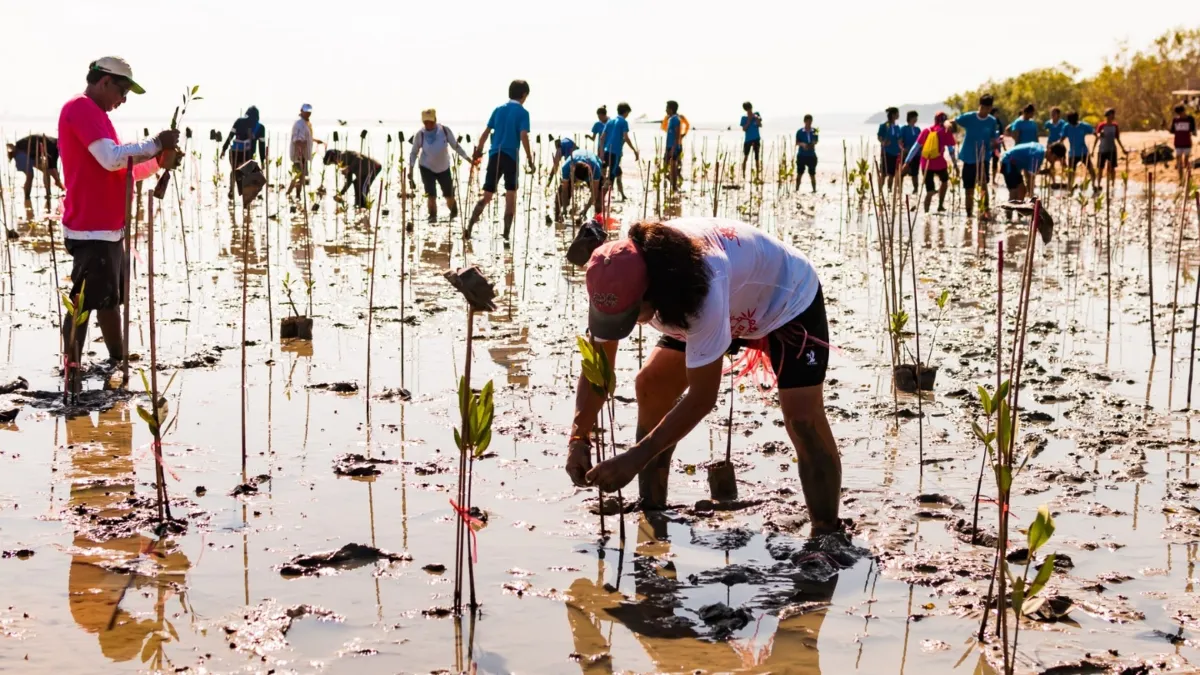
Among the responsible activities to try in Thailand, mangrove restoration offers an experience that is both educational and beneficial to the environment. Mangrove forests play an essential role in Thailand's coastal ecosystems. They provide habitats for numerous species of fish, crabs and birds while protecting coastlines from erosion and the impact of storms. In Phuket, particularly around the Bang Rong area, several local initiatives invite travellers to explore these natural environments and better understand their importance in preserving marine biodiversity.
During these experiences, participants can help plant young mangrove trees, clean up coastal areas or join educational activities about mangrove conservation. If you are planning an eco-friendly trip to Thailand, choose programmes organised by local associations that monitor newly planted trees and ensure that restoration activities are appropriate for the natural conditions of each site.
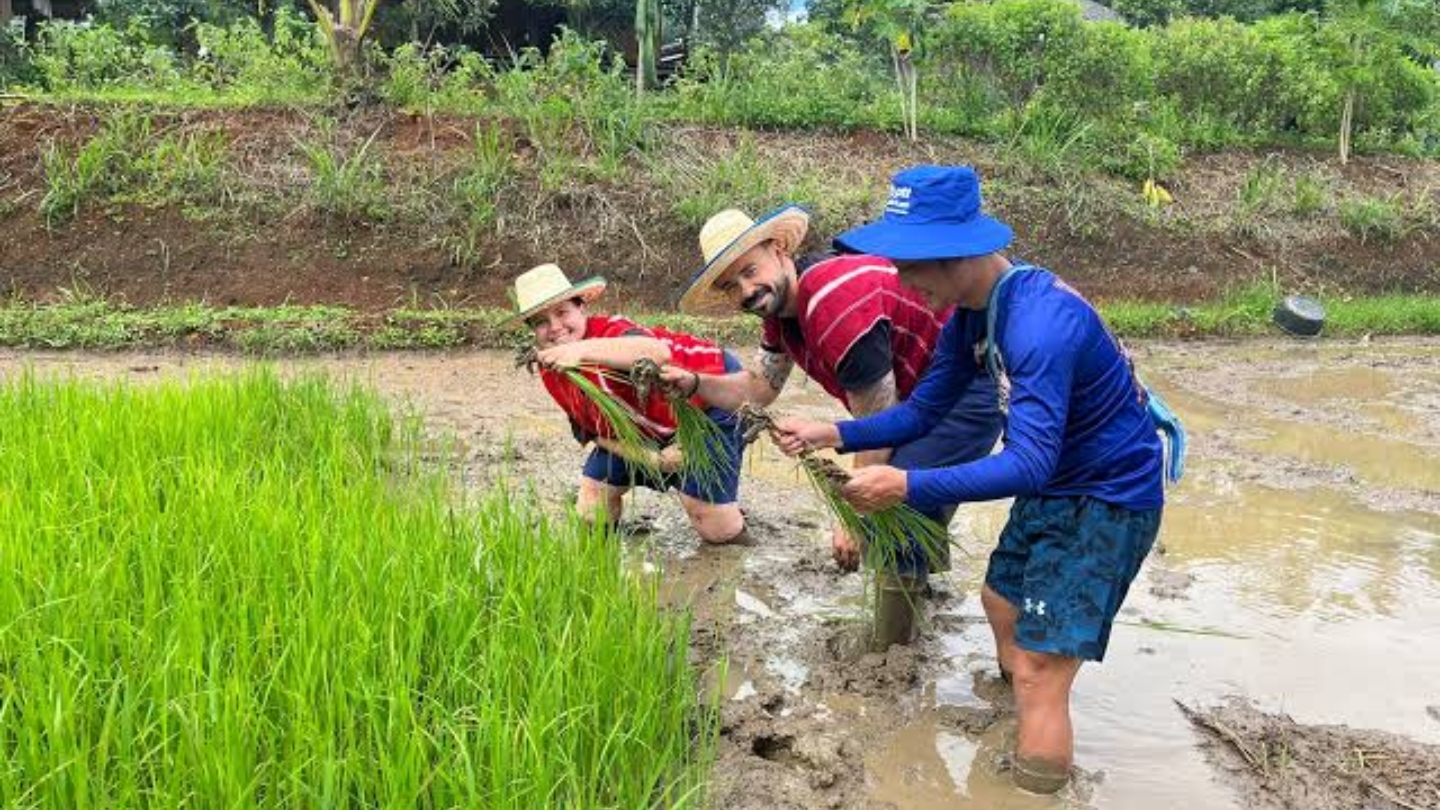
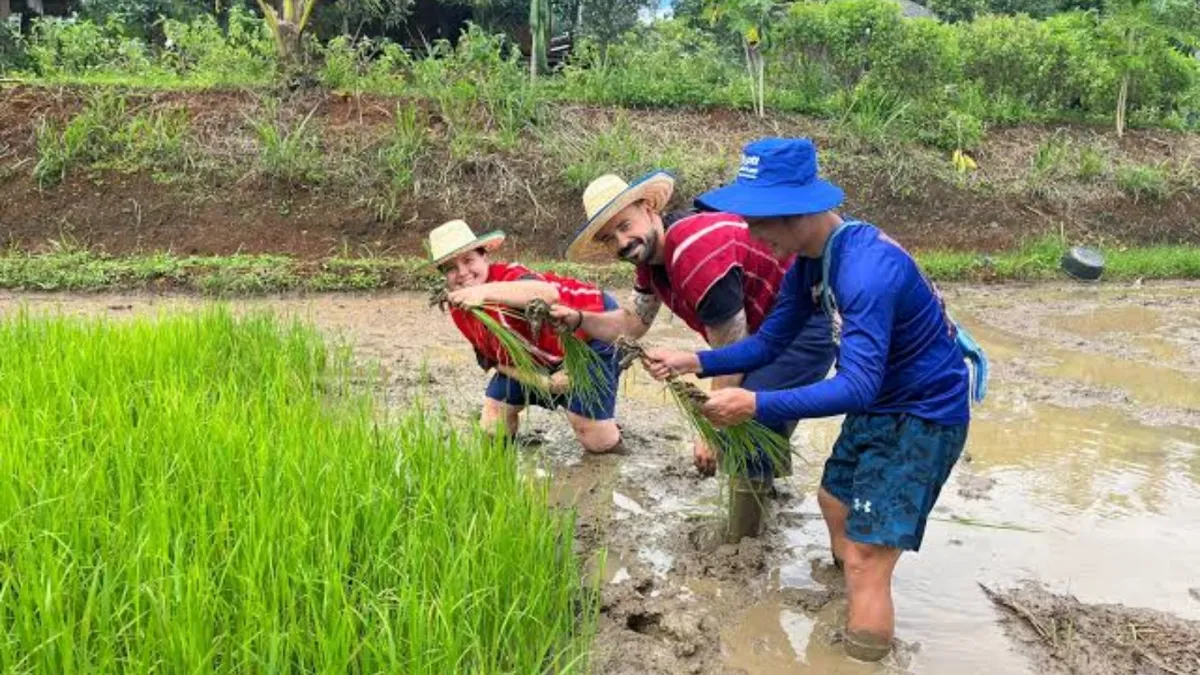
Located in northern Thailand, Chiang Mai has a rich agricultural heritage, with rice fields, orchards and plantations spread across the foothills of the surrounding mountains. Several organic farms in the region welcome travellers who want to discover rural traditions and experience agricultural tourism in Thailand. Depending on the season, visitors can try planting rice, harvesting vegetables, picking tropical fruits or learning about coffee cultivation.
Beyond farm activities, some establishments also organise workshops where visitors can learn how to make compost, prepare natural fertilisers or process freshly harvested produce. These hands-on experiences offer a closer look at farmers' daily lives and the methods they use to grow crops without relying excessively on chemical products. To make the most of your visit, choose small farms that practise organic farming or agroecology and sell their products directly to consumers. Your visit will help support local farmers and preserve traditional rural knowledge.
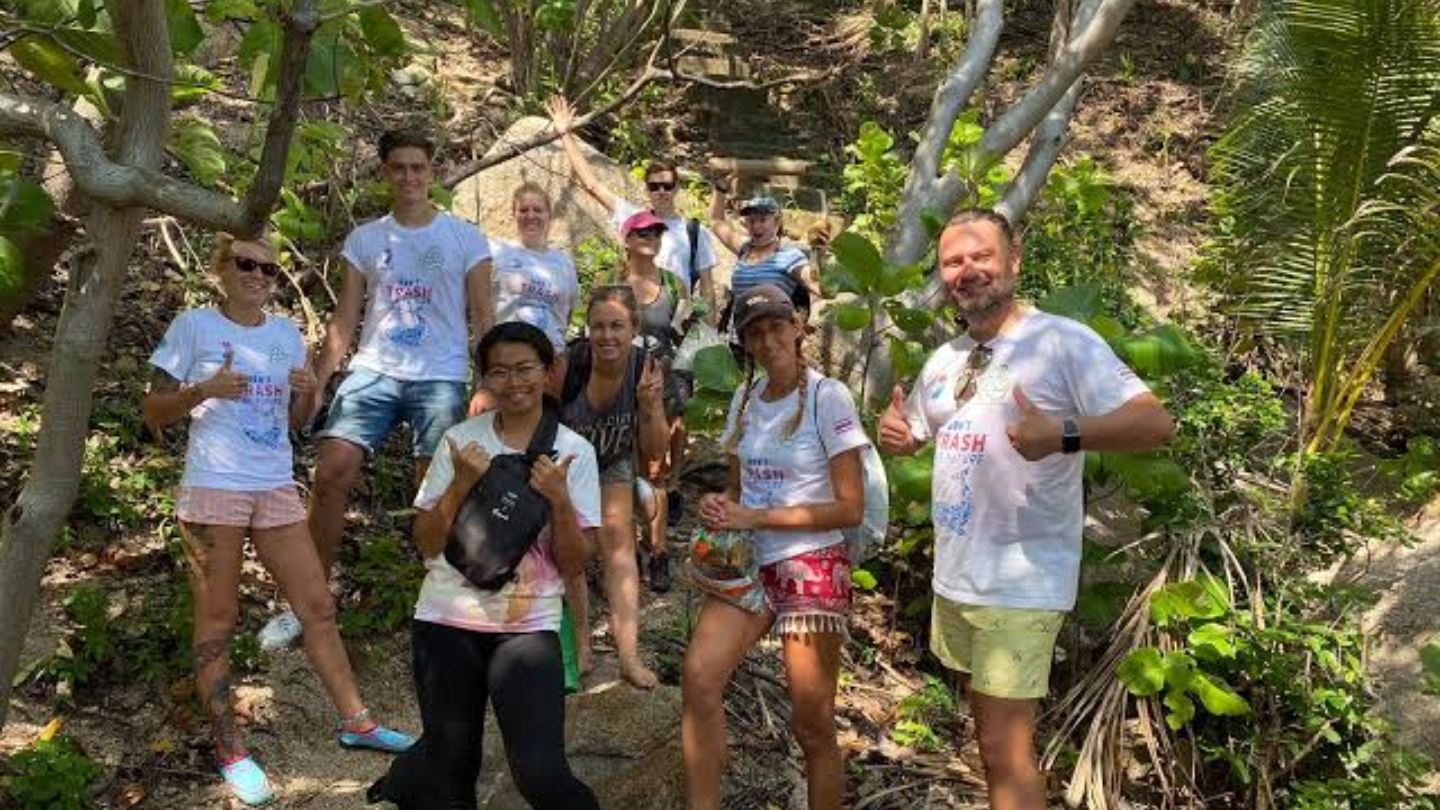
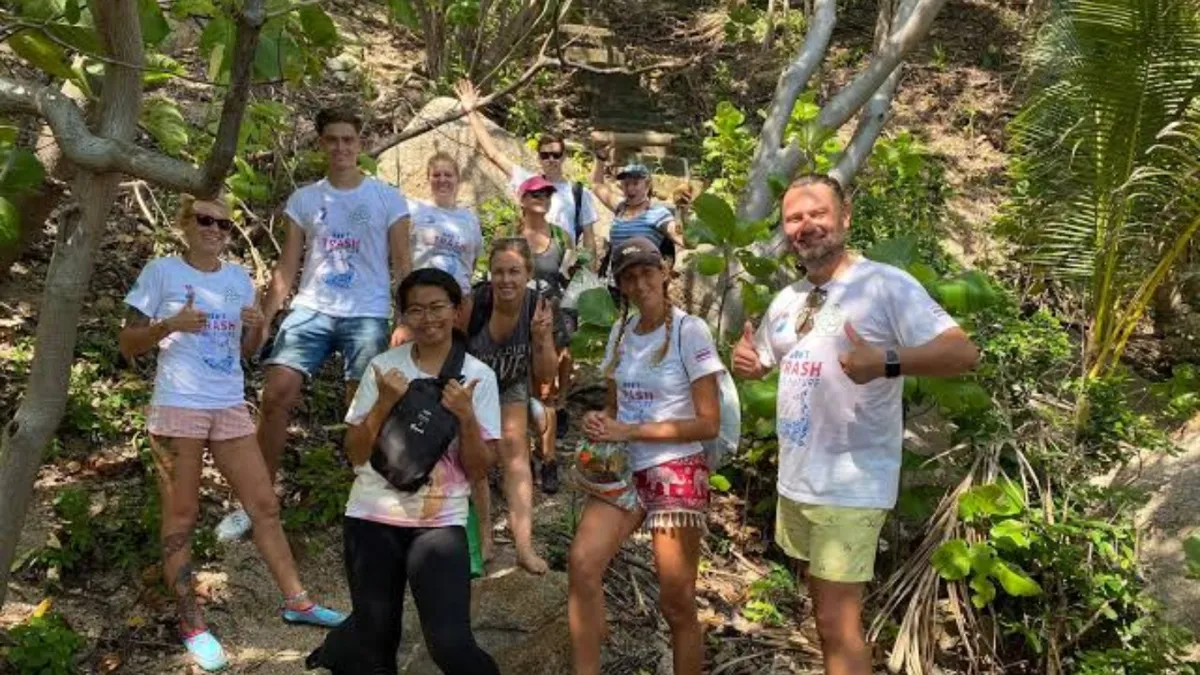
In Koh Tao, plastic pollution remains a major challenge to protecting beaches and marine ecosystems. Among the eco-friendly activities to do in Thailand, beach clean-ups organised by the Trash Hero association are an accessible initiative for travellers who want to make a difference. The organisation brings residents and visitors together to collect litter, particularly around Sairee Beach. According to the available information, these clean-up activities take place twice a week.
Travellers can join local volunteers to collect rubbish, learn about the effects of plastic pollution and discover practical ways to reduce their use of single-use products. This activity allows visitors to contribute directly to keeping the island clean while meeting people who are actively involved in promoting sustainable tourism in Thailand. It is a simple experience to include in your Koh Tao itinerary and requires no particular skills or previous experience.
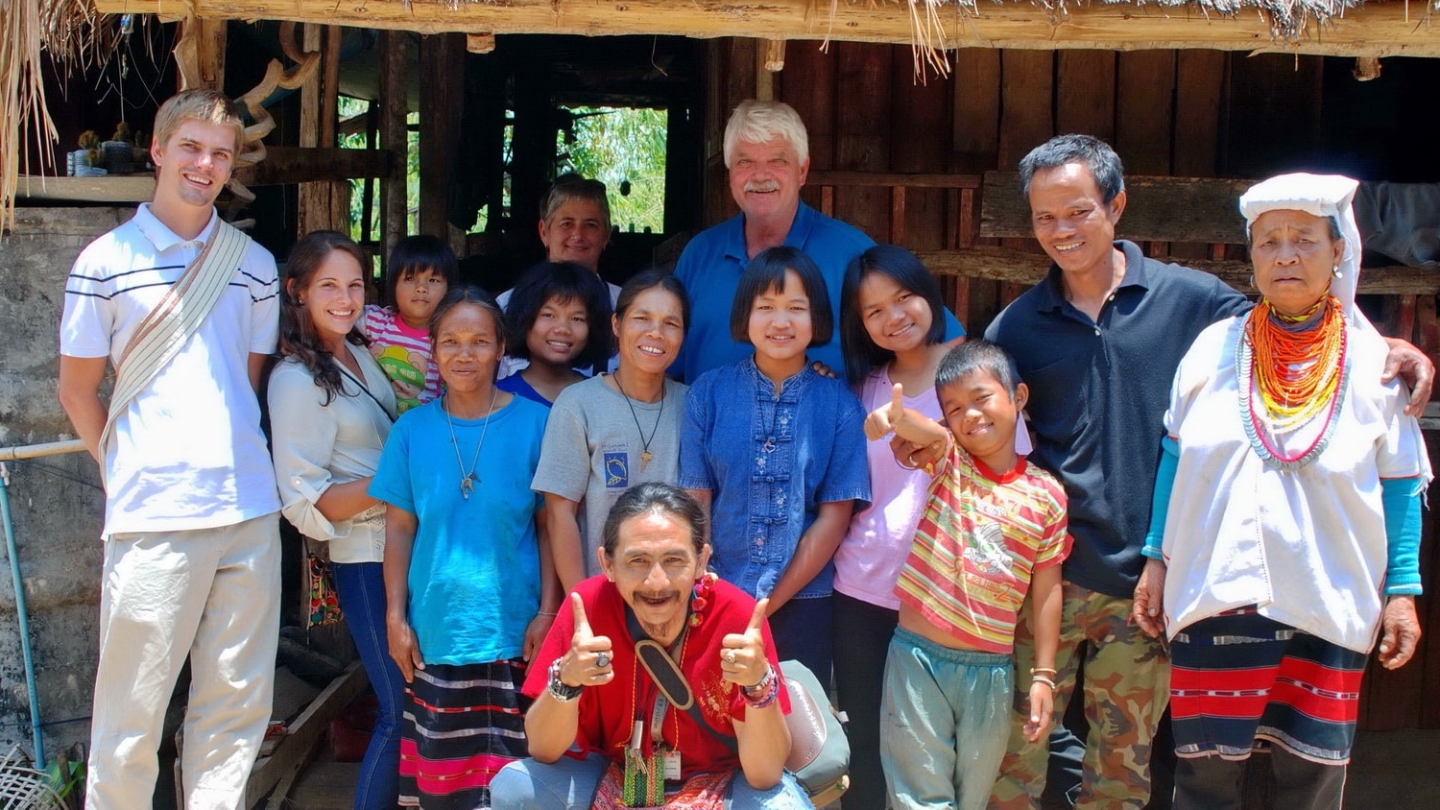
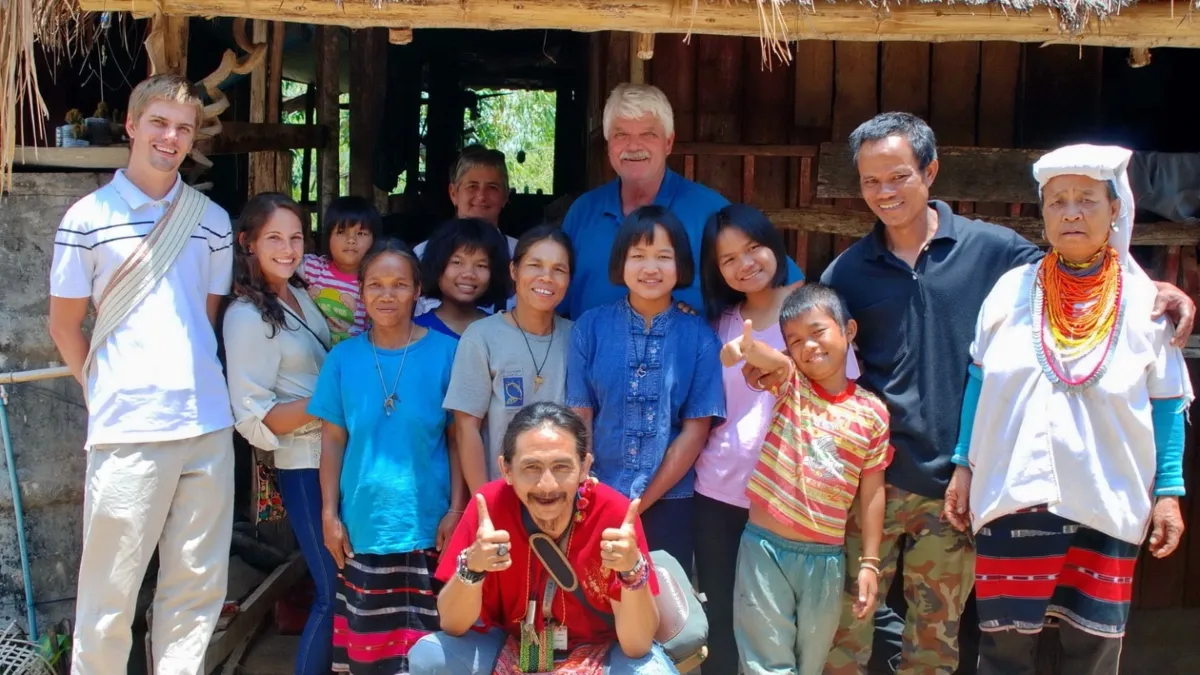
Among the most popular responsible activities in Thailand, homestays are an excellent way to support local communities directly. In several villages across the north and south of the country, travellers can stay with local families, enjoy traditional dishes, learn handicraft techniques or take part in agricultural activities. In Phuket, for example, Bang Rong village welcomes visitors who want to discover local culinary traditions, everyday activities and the surrounding mangrove landscapes.
To make the most of this experience, choose accommodation and activities managed directly by local residents. Take the time to respect their customs, daily routines and privacy as well. Beyond providing a more authentic cultural experience, staying with a local family helps ensure that tourism income goes directly to the people who welcome you.
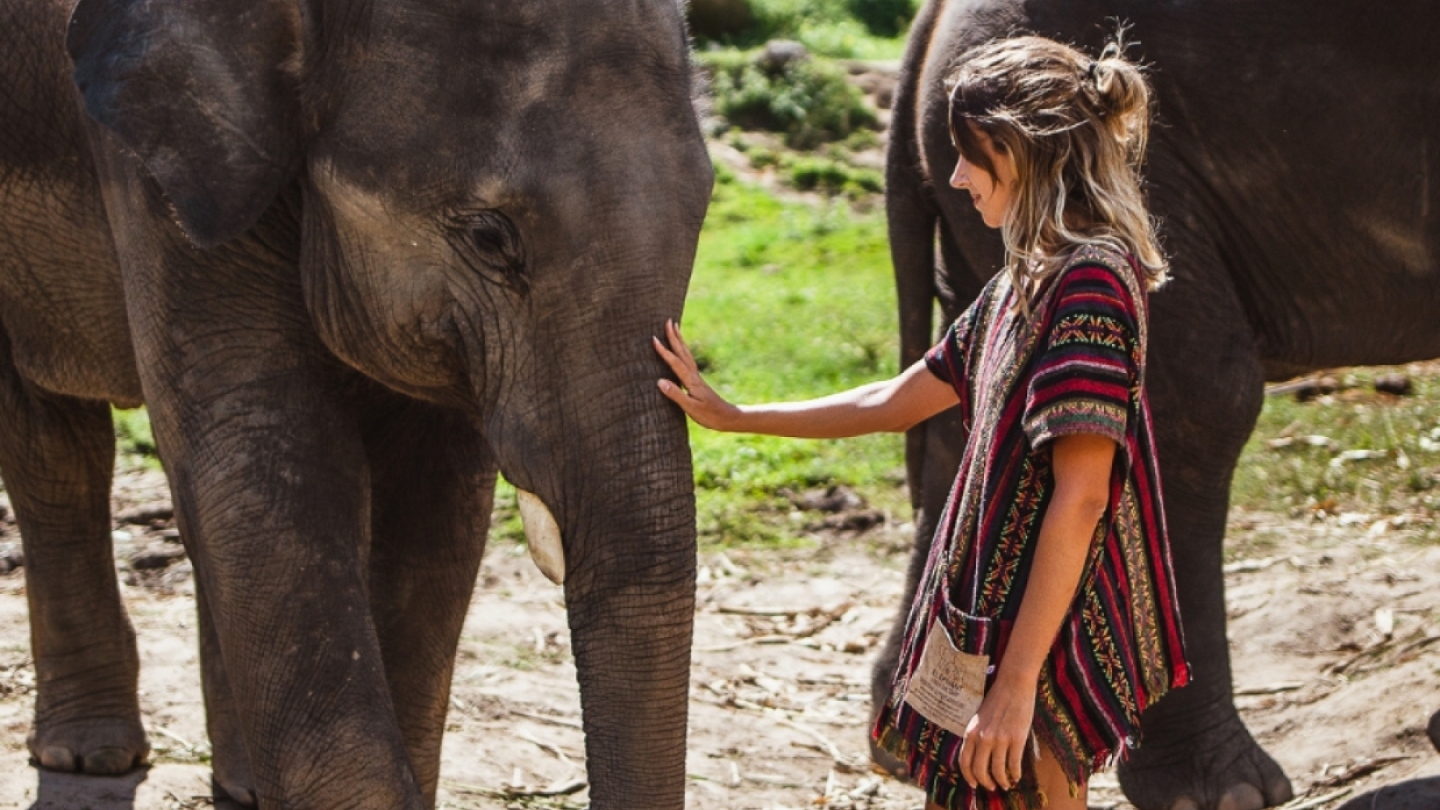
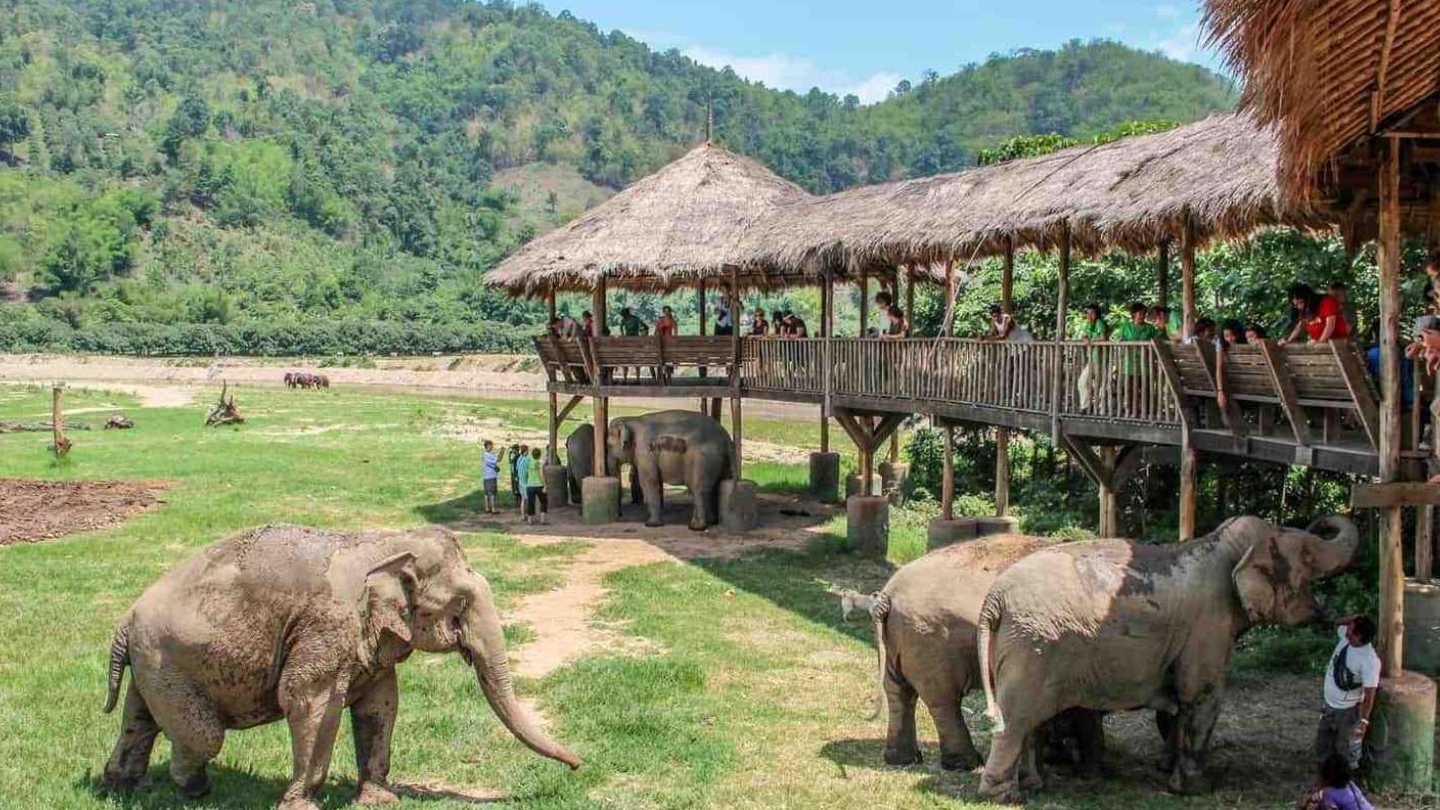
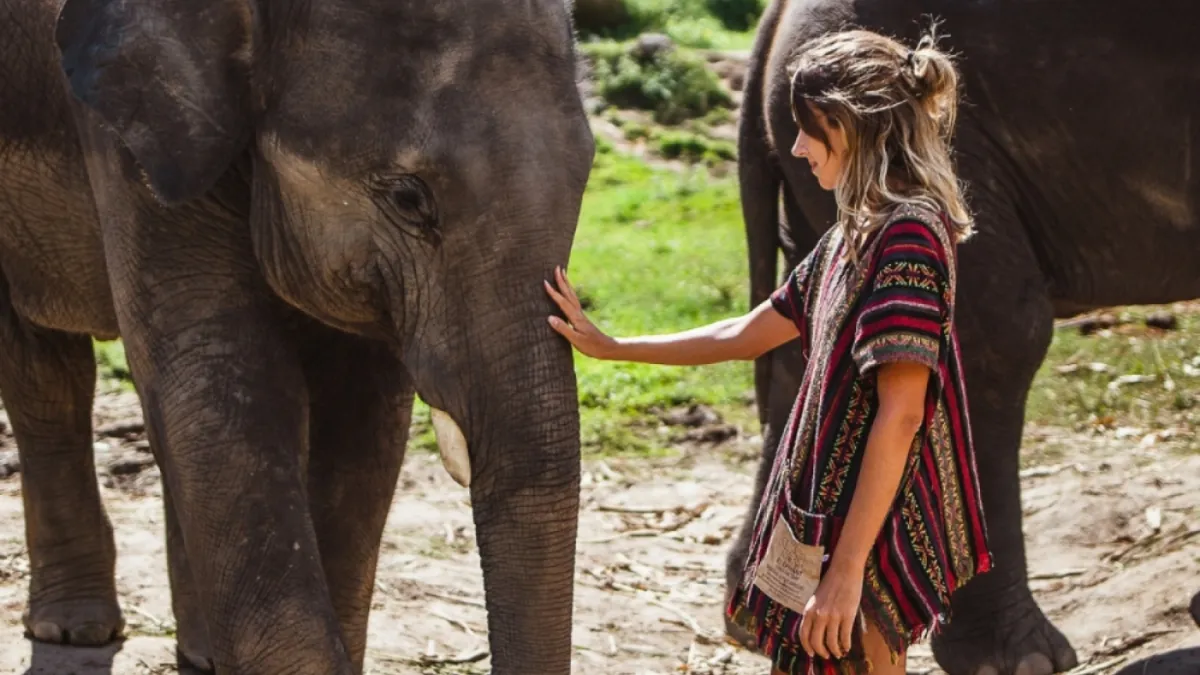
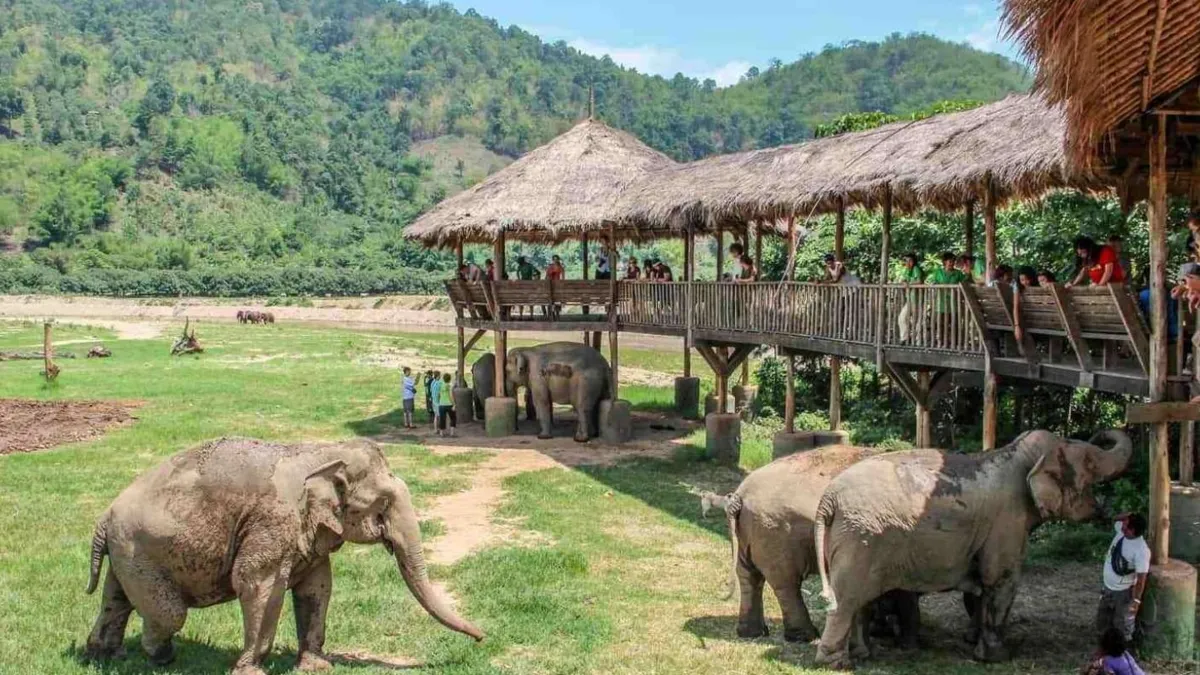
Located near Chiang Mai, Elephant Nature Park is a sanctuary founded by Lek Chailert, an activist dedicated to elephant protection. The park provides a refuge for animals rescued from difficult conditions, offering them an environment where they can live without being ridden or forced to perform in shows.
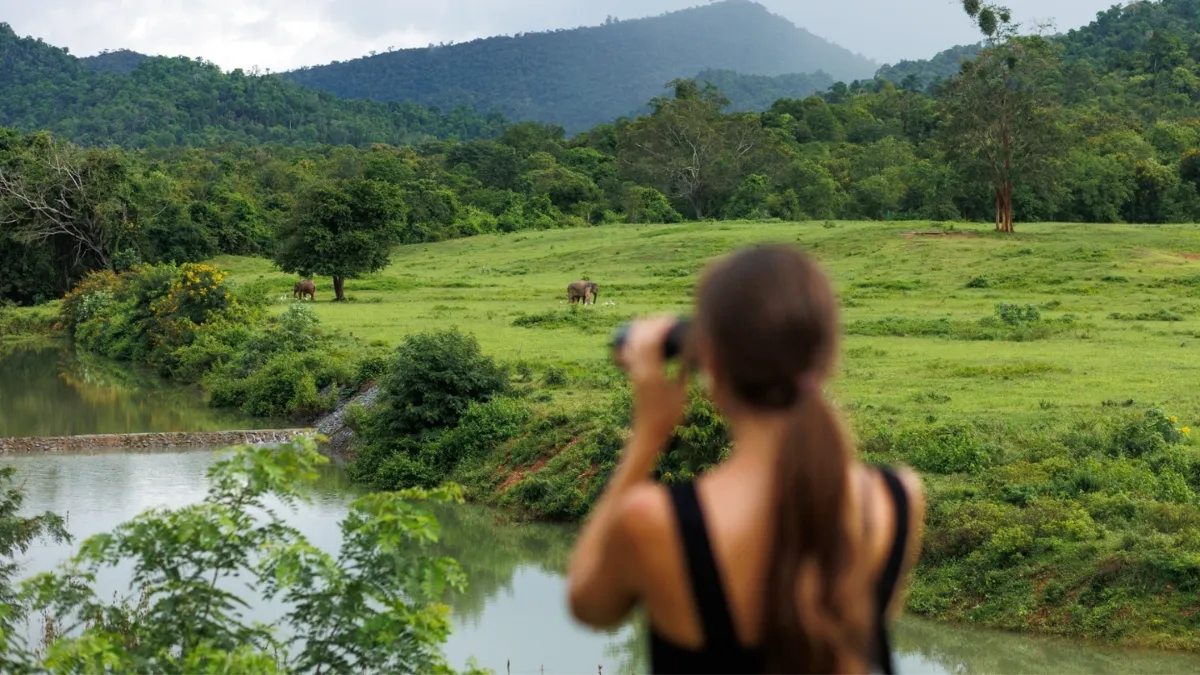
Among the eco-friendly activities to do in Thailand, visiting this sanctuary offers an opportunity to discover a more respectful approach to wildlife tourism. Travellers can help prepare food, feed the elephants and observe their natural behaviours and interactions within the herd. Educational sessions also explain the living conditions of elephants exploited by the tourism industry and introduce visitors to the principles of more ethical wildlife experiences. It is a meaningful way to support the development of sustainable tourism in Thailand while contributing to the protection of these animals.
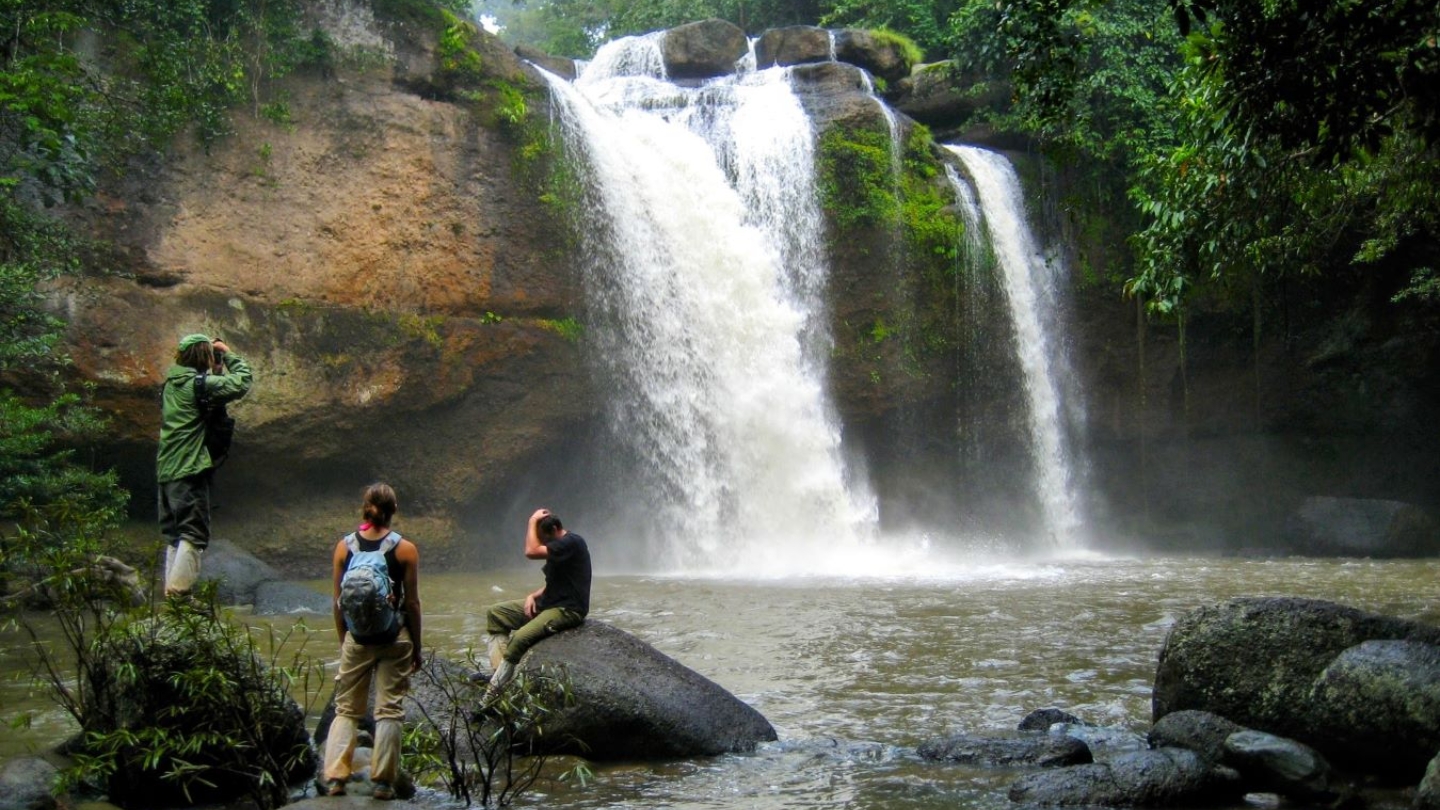
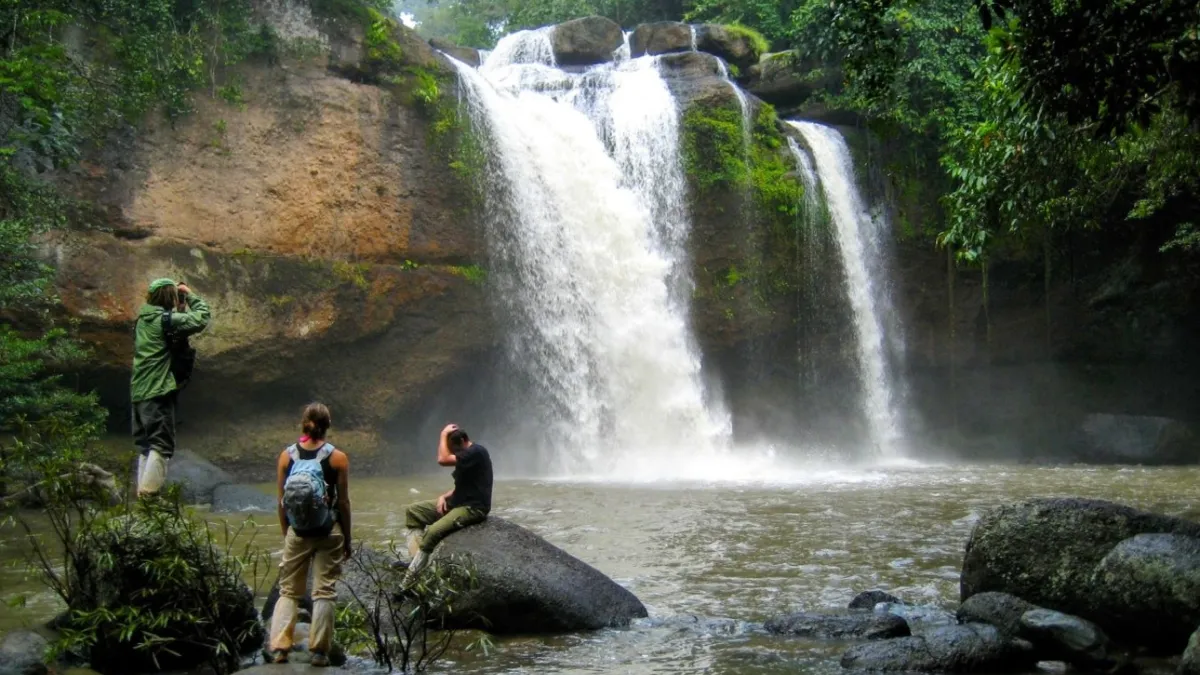
Thailand is home to numerous national parks where travellers can discover tropical forests, waterfalls, mountains and a wide variety of wildlife. Hiking is an excellent way to explore these landscapes while avoiding motorised transport. Near Chiang Mai, Doi Inthanon National Park offers several trails through the forests and mountains of northern Thailand. Meanwhile, Khao Yai National Park is known for its tropical vegetation and rich diversity of birds and other wild animals.
To include this experience in an eco-friendly tour of Thailand, opt for small-group hikes accompanied by local guides. Remember to stay on designated trails, avoid disturbing wildlife and never leave rubbish behind. A local guide can also introduce you to different plant and animal species and explain the ongoing efforts to protect the forest.
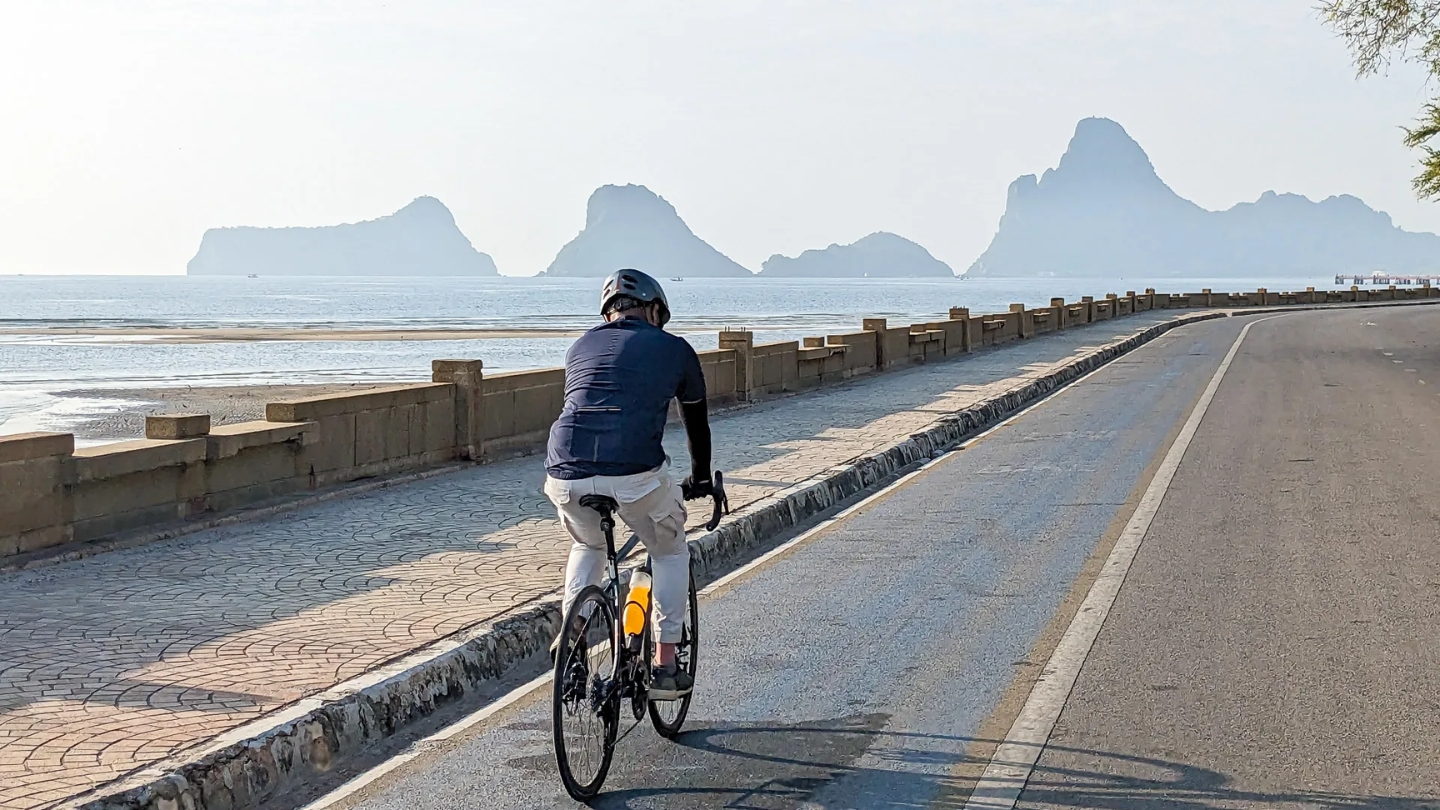
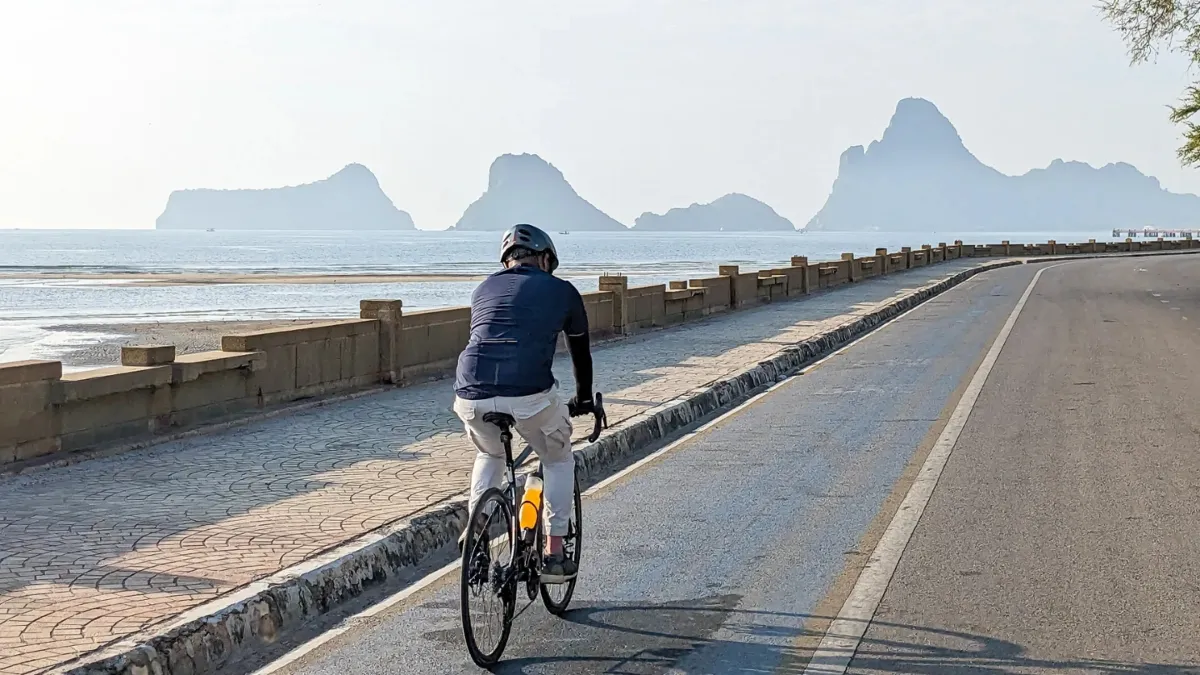
Exploring Thailand by bicycle is one of the best eco-friendly activities to do in Thailand, and it is suitable for travellers of different ages. This means of transport helps reduce carbon emissions while allowing visitors to enjoy the country's natural scenery. Koh Mak, located in Trat Province, is particularly well suited to cycling. The island is known for its sustainable tourism initiatives and efforts to preserve its natural environment.
By bicycle, travellers can ride through coconut plantations, reach small beaches and stop in local villages to sample regional specialities or meet residents. To make this experience even more responsible, rent a bicycle from a local business, bring a reusable water bottle and respect private property as well as the daily activities of local residents.
Read also:
Cycling routes in Thailand
Best time to go cycling in Thailand
The best time to visit Thailand for eco-friendly activities to do in Thailand depends on the regions you plan to explore and the experiences you want to enjoy. In general, the dry season, from November to February, offers pleasant weather for hiking, village visits and excursions in the northern part of the country.
Here are a few useful guidelines to help you plan your trip:
If you are interested in agricultural activities, contact farms directly to find out about the best visiting periods. Rice planting and harvesting seasons, for example, depend on the local agricultural calendar.
To travel more responsibly in Thailand, prioritise transport options with lower CO2 emissions, such as trains and buses, particularly when travelling between major cities. Minibuses and local public transport, including songthaews, are also good alternatives to private vehicles. For shorter distances, consider cycling or walking, especially in villages, rural areas and historic neighbourhoods. These choices help reduce your trip's carbon footprint while allowing you to discover the country at a more relaxed pace.
Eco-friendly tourism in Thailand also involves making choices that encourage meaningful interactions with local communities. Consider travelling in small groups to reduce pressure on popular tourist sites and enjoy a more personal experience. Respect local customs, traditions and ways of life, particularly when visiting rural villages. If you want to discover everyday life in Thailand more authentically, you can also choose to stay with a local family. This type of accommodation encourages cultural exchange, helps you better understand local traditions and contributes directly to the income of the families hosting you.
Travelling more responsibly in Thailand does not necessarily require much effort. A few simple habits can already make a difference:
These small habits help protect the environment and make interactions with local communities more respectful.
Choosing eco-friendly activities to do in Thailand allows travellers to discover the country beyond its best-known tourist destinations. From mangrove restoration in Phuket and agricultural experiences in the north to beach conservation in Koh Tao and homestays with local families, each activity offers a different way to help protect the places you visit. When planning an eco-friendly tour of Thailand, take the time to choose committed local operators, respect natural ecosystems and prioritise experiences that genuinely benefit local communities. Autour Asia, a travel agency in Thailand, can help you explore the country through local experiences and itineraries tailored to your interests. A more responsible journey often begins with small but thoughtful choices.




 FR
 ITA