Central Vietnam is one of the best destinations for your first trip to Asia. From UNESCO World Heritage Sites and stunning beaches to spectacular caves, this region has everything you need for an unforgettable journey. With such a wealth of natural and cultural attractions, protecting the environment and promoting sustainable tourism are more important than ever. In this guide, discover the best eco-friendly activities to do in Central Vietnam and explore the region while helping preserve its natural and cultural heritage.
Following Vietnam's administrative reorganization in 2025, the former province of Quang Nam, home to Hoi An and its surrounding villages, became part of Da Nang City. With its traditional farming villages, coastal ecosystems, and community-based tourism initiatives, this area is one of the best places to experience sustainable tourism in Vietnam.
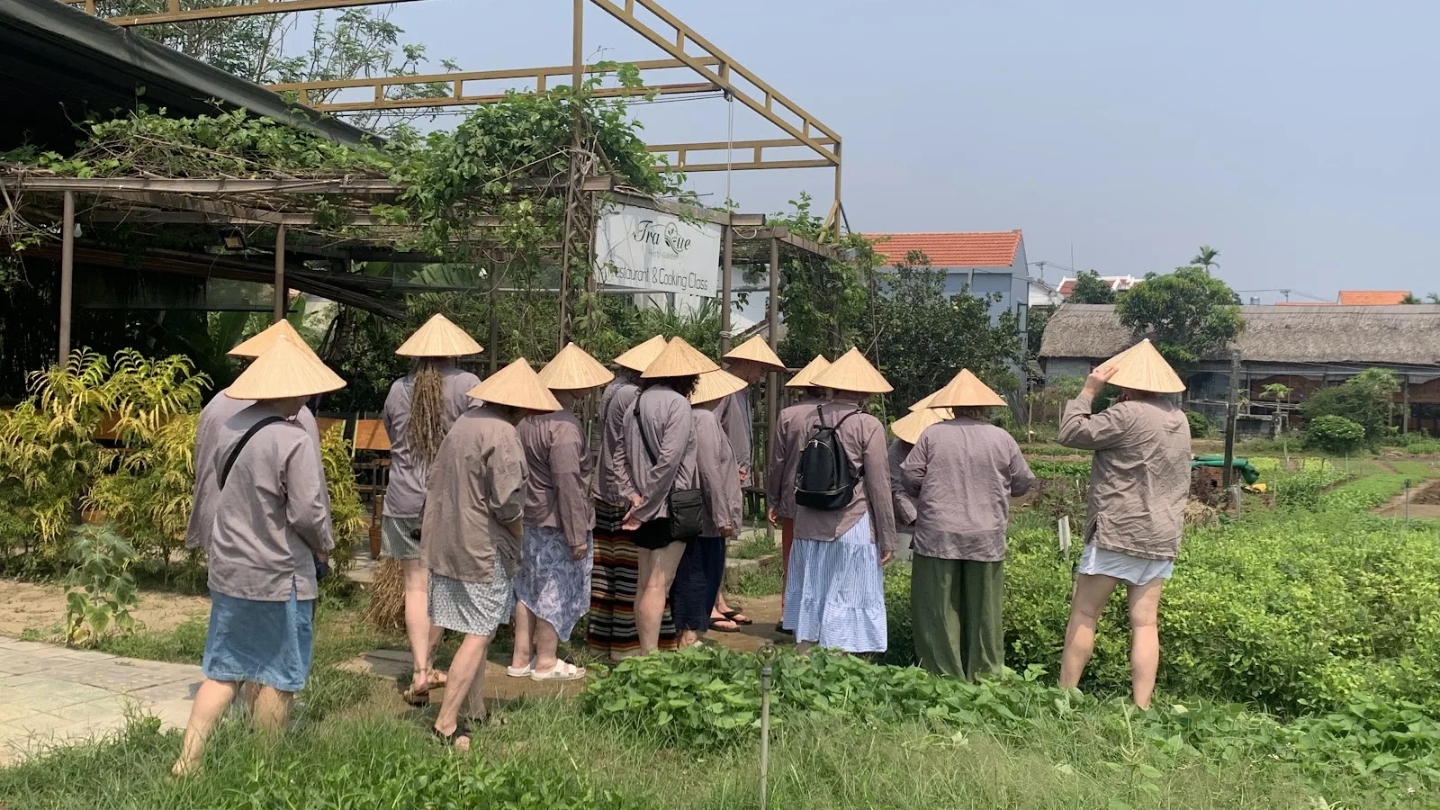
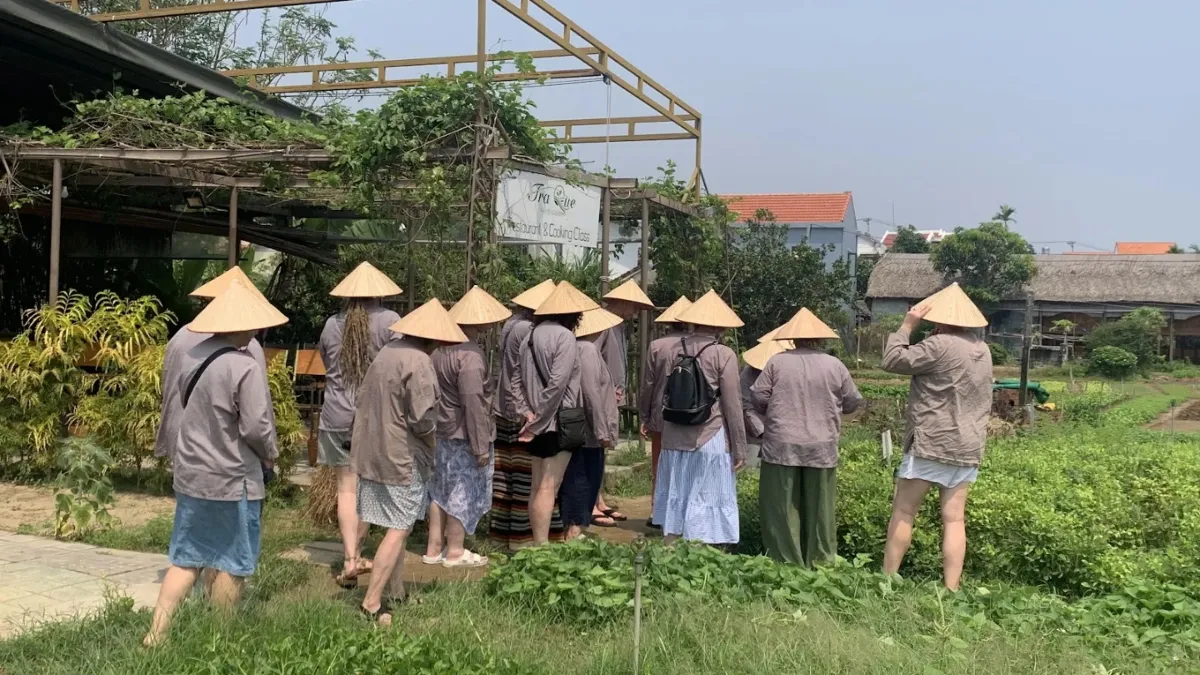
Located just 3 km from Hoi An Ancient Town, Tra Que Village has maintained its environmentally friendly farming traditions for nearly 400 years. Local farmers use natural seaweed to enrich the soil instead of relying on chemical fertilizers. Among the most rewarding eco-friendly activities to do in Hoi An, visitors can get hands-on experience with traditional farming, from planting seeds to harvesting vegetables, before discovering local cuisine through a cooking class. Recognized by UN Tourism as one of the Best Tourism Villages in 2024, Tra Que perfectly demonstrates how traditional agriculture and sustainable tourism can go hand in hand.
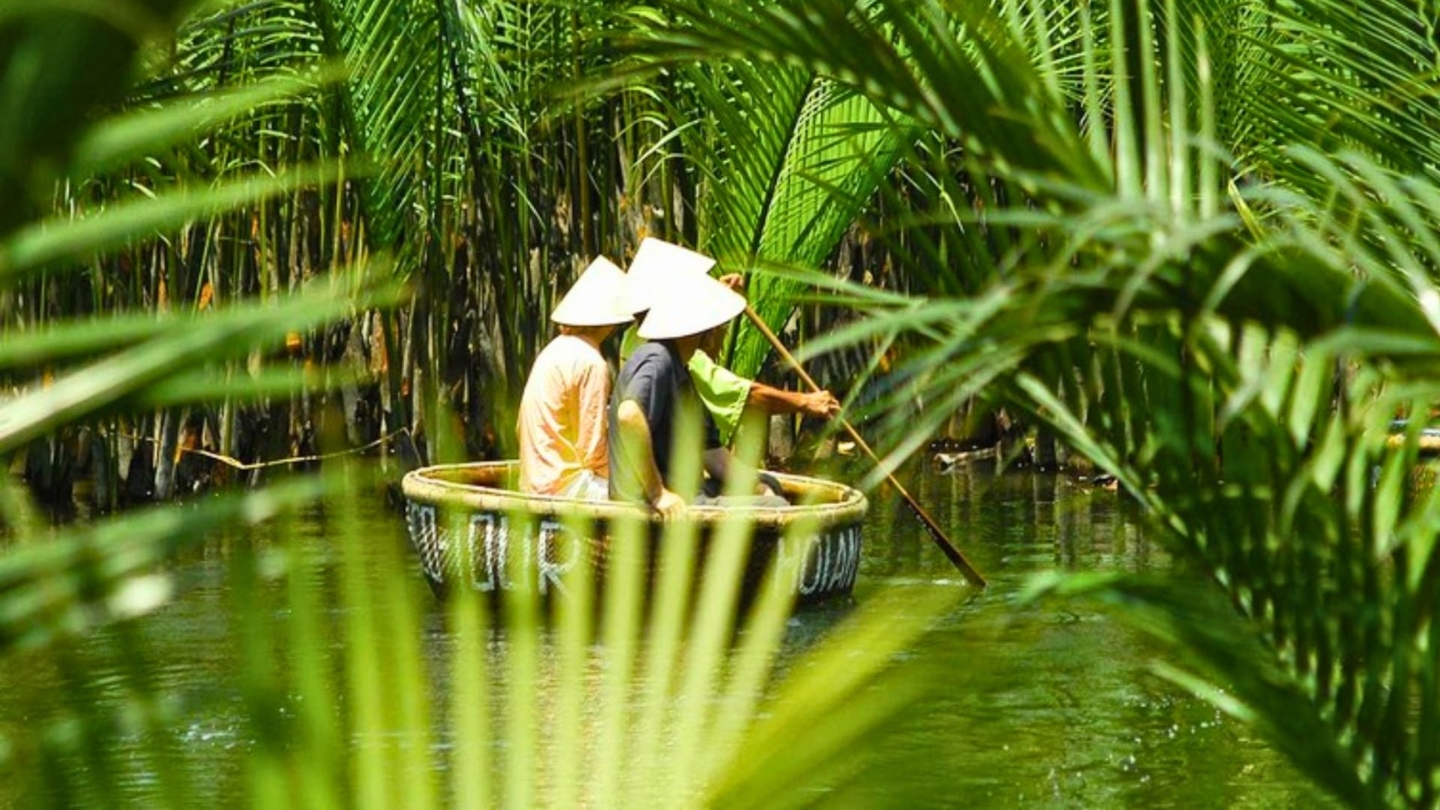
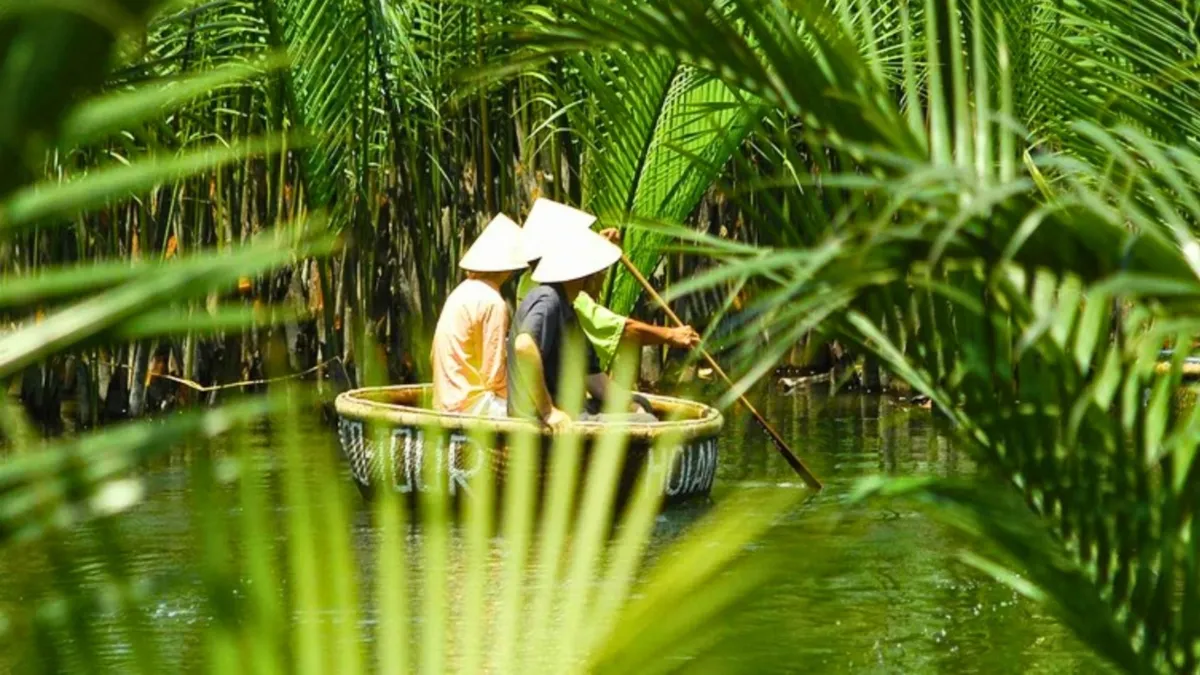
Just 5 km from Hoi An, Cam Thanh Village is home to the Bay Mau Water Coconut Forest, an important ecosystem that protects riverbanks and supports local biodiversity. Taking a ride on a traditional round bamboo basket boat (thuyen thung) is one of the eco-friendly activities to do in Central Vietnam, allowing visitors to navigate narrow waterways alongside local fishermen. You can also learn about traditional fishing techniques and discover the many uses of water coconut leaves. To help protect this fragile environment, choose local operators who respect the surrounding vegetation and aquatic wildlife.
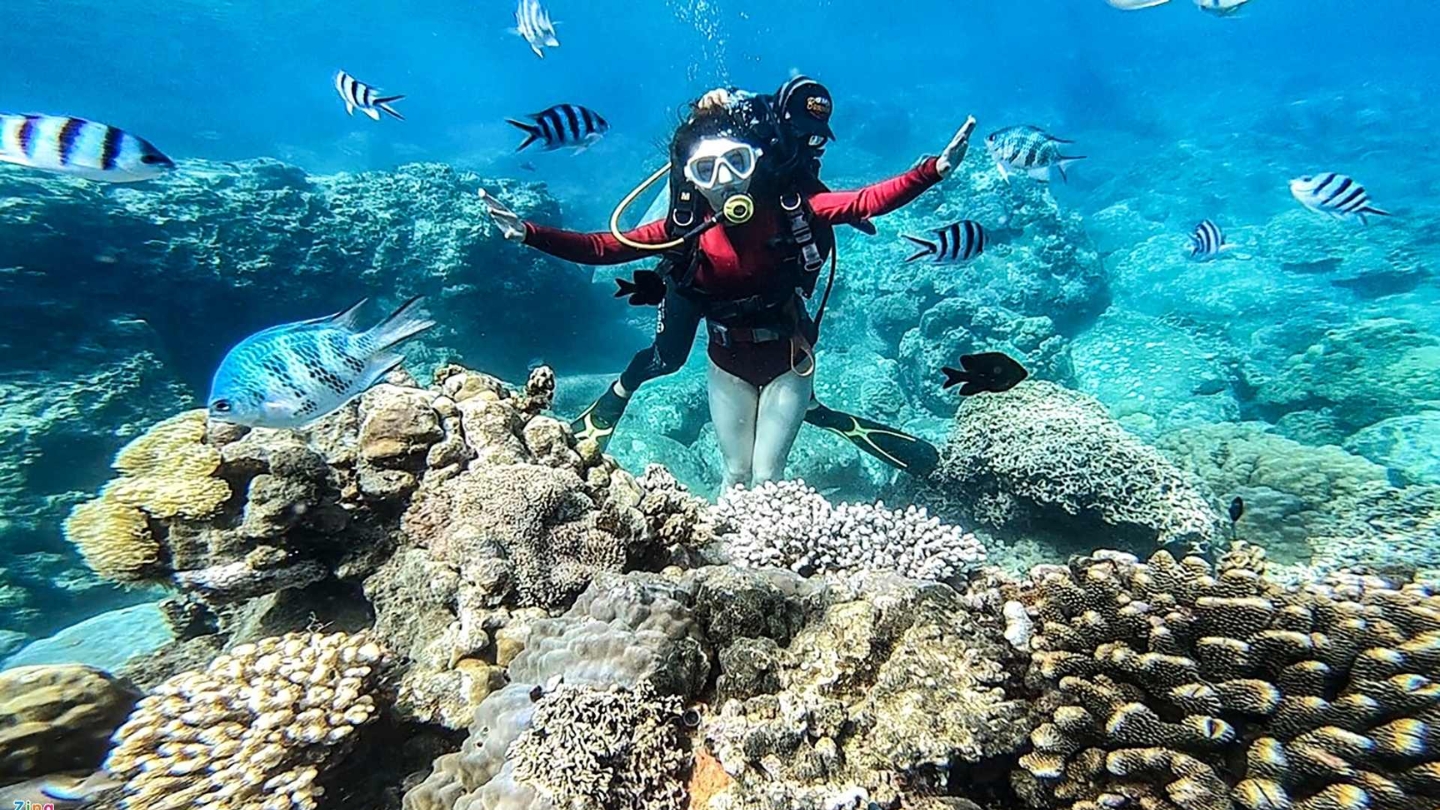
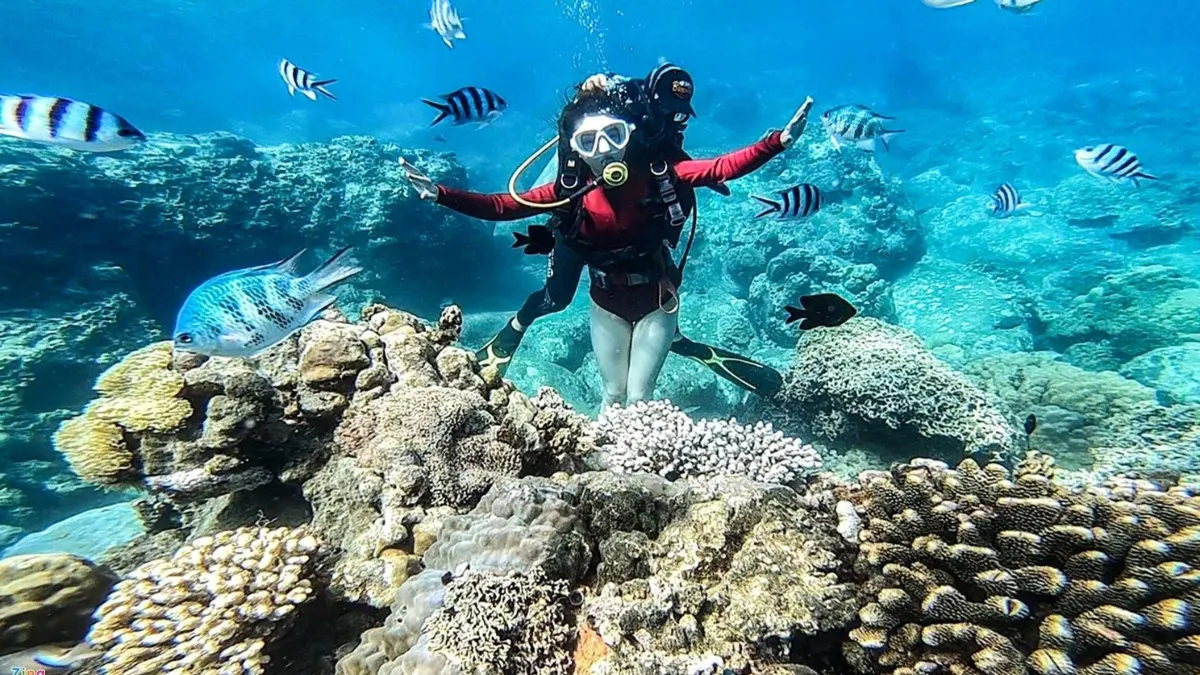
Located approximately 15 km from Hoi An, the Cu Lao Cham archipelago is a UNESCO-recognized Biosphere Reserve, famous for its coral reefs and rich marine biodiversity. With its well-preserved landscapes and ongoing conservation efforts, it is an excellent destination to experience sustainable travel in Central Vietnam. Visitors can go snorkeling to explore the underwater world, meet local fishermen, and learn about their traditional way of life. Since 2009, plastic bags have been banned throughout the archipelago. To protect this fragile marine environment, avoid single-use packaging, never touch the coral reefs, and choose tour operators that follow responsible marine tourism practices.
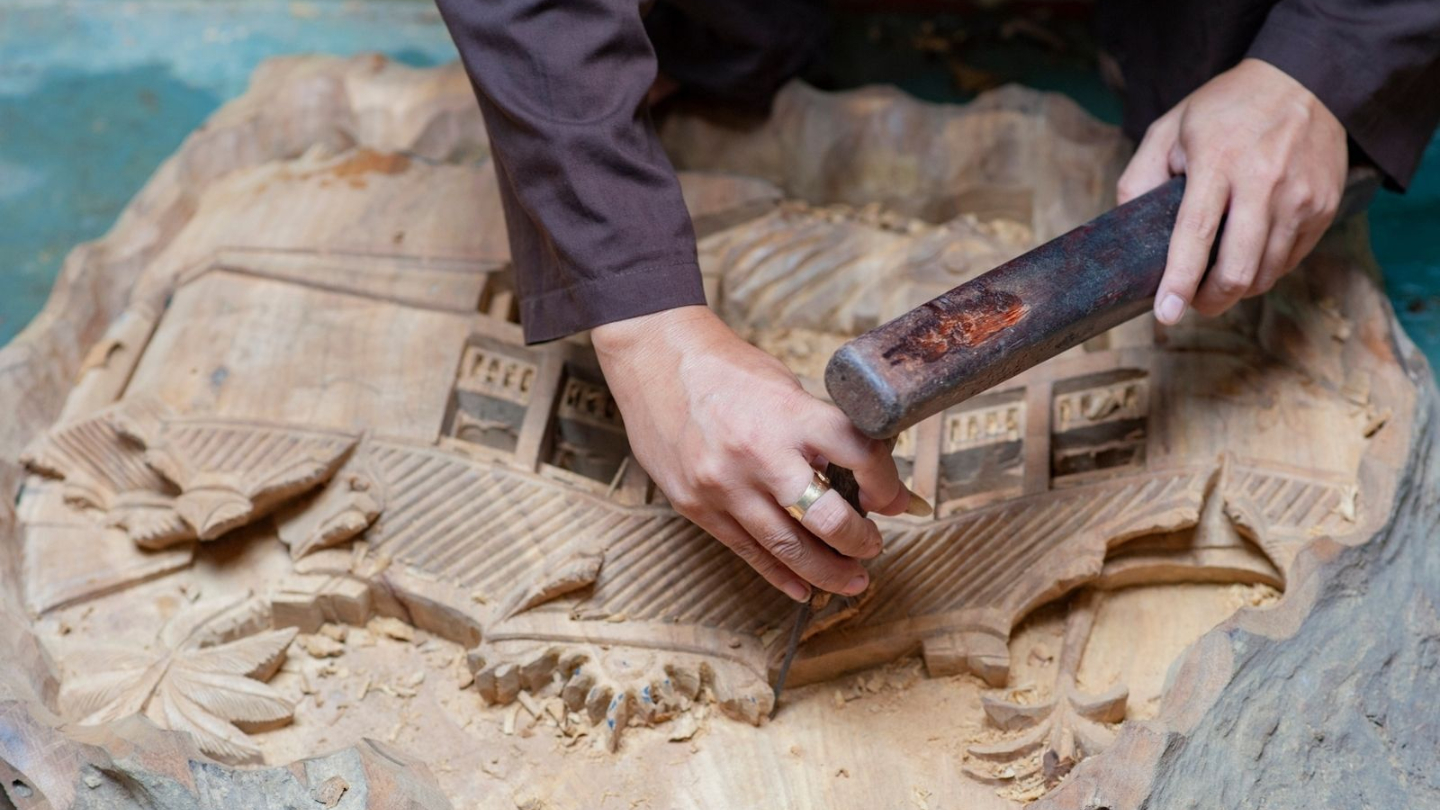
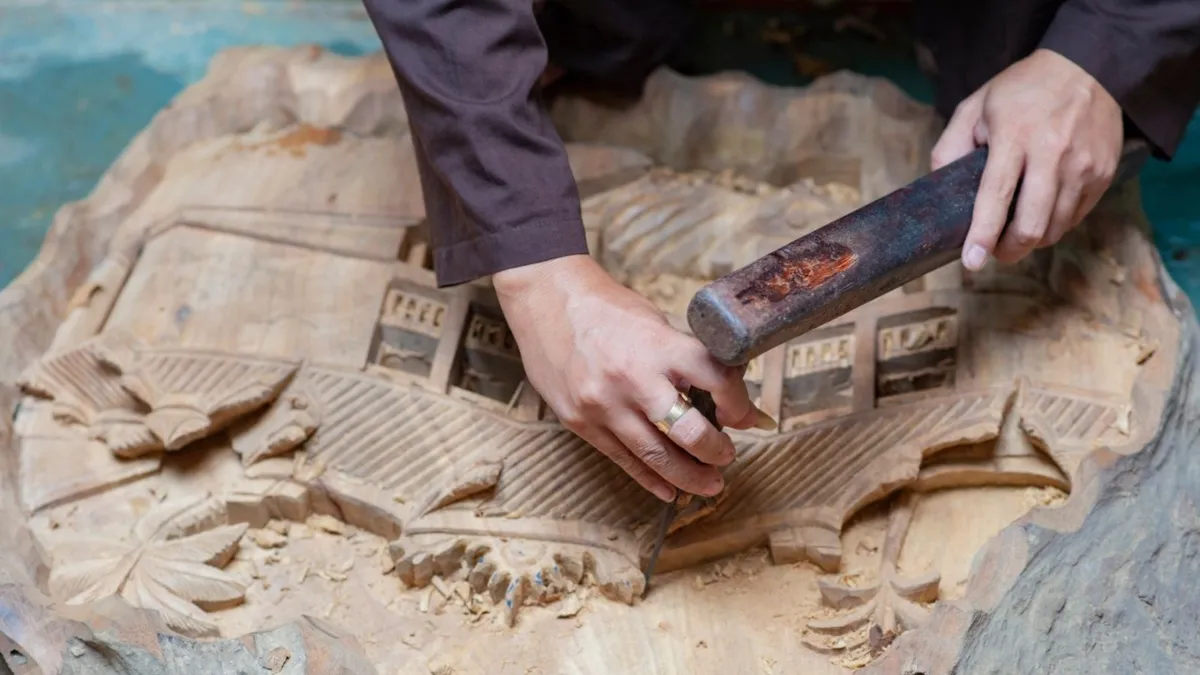
What to do in Central Vietnam? To explore the region's cultural heritage, a visit to Kim Bong Village on Cam Kim Island, near Hoi An, is well worth adding to your itinerary. Famous for its traditional woodworking skills, passed down through generations, the village invites visitors to explore local workshops, watch artisans demonstrate wood carving and carpentry techniques, and even try their hand at these crafts. This experience helps preserve local craftsmanship while supporting artisan families, especially when you purchase handmade products directly from local workshops rather than mass-produced souvenirs.
As Vietnam's former imperial capital, Hue is home to an impressive natural heritage as well as its historical landmarks. Beyond the Imperial Citadel and royal tombs, the surrounding area features tropical forests, waterfalls, and ethnic minority villages. These diverse landscapes offer plenty of opportunities for ecotourism in Hue, particularly for travelers looking to combine outdoor adventures with meaningful encounters with local communities.
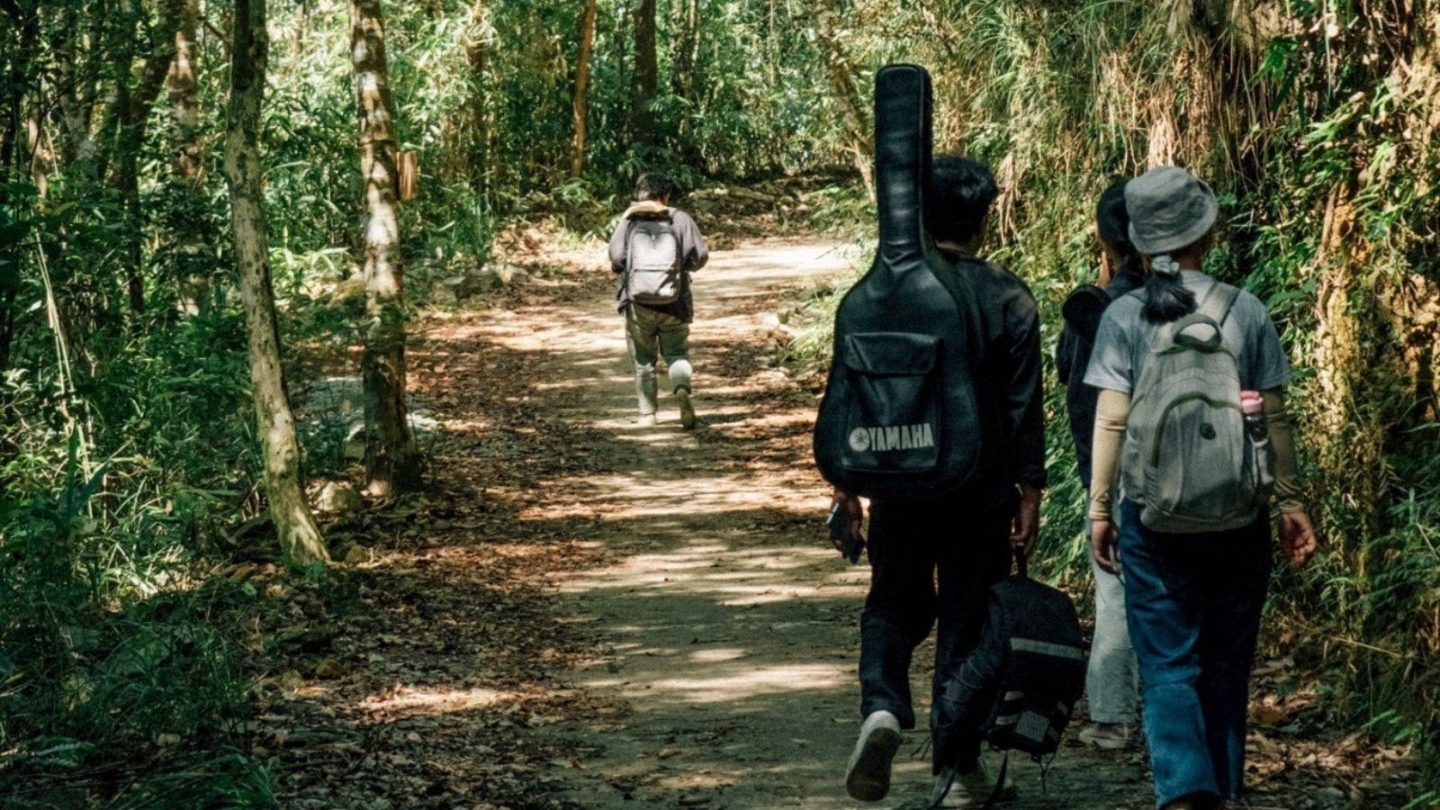
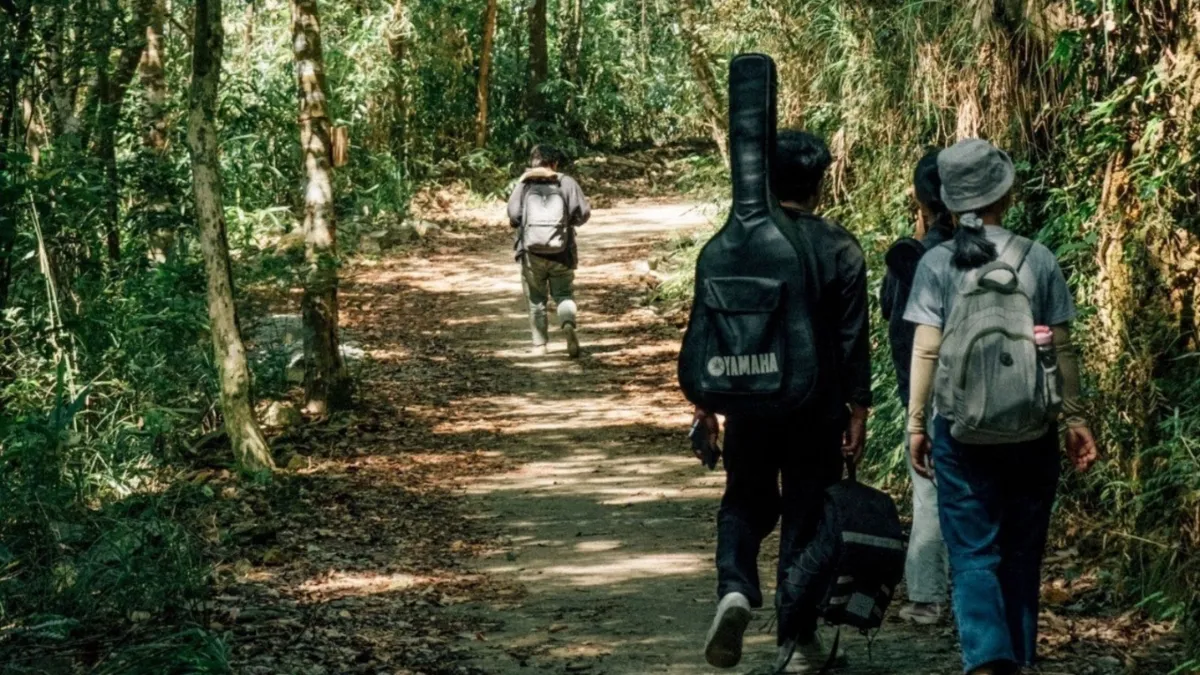
Located south of Hue, Bach Ma National Park is an ideal destination for nature lovers and hiking enthusiasts. With its lush tropical forests, diverse wildlife, and beautiful waterfalls, the park provides a wonderful setting for eco-friendly activities to do in Central Vietnam, especially forest trekking along trails leading to Do Quyen Waterfall. To help protect this fragile ecosystem, stick to designated trails, consider hiring a local guide, and make sure you leave no litter behind.
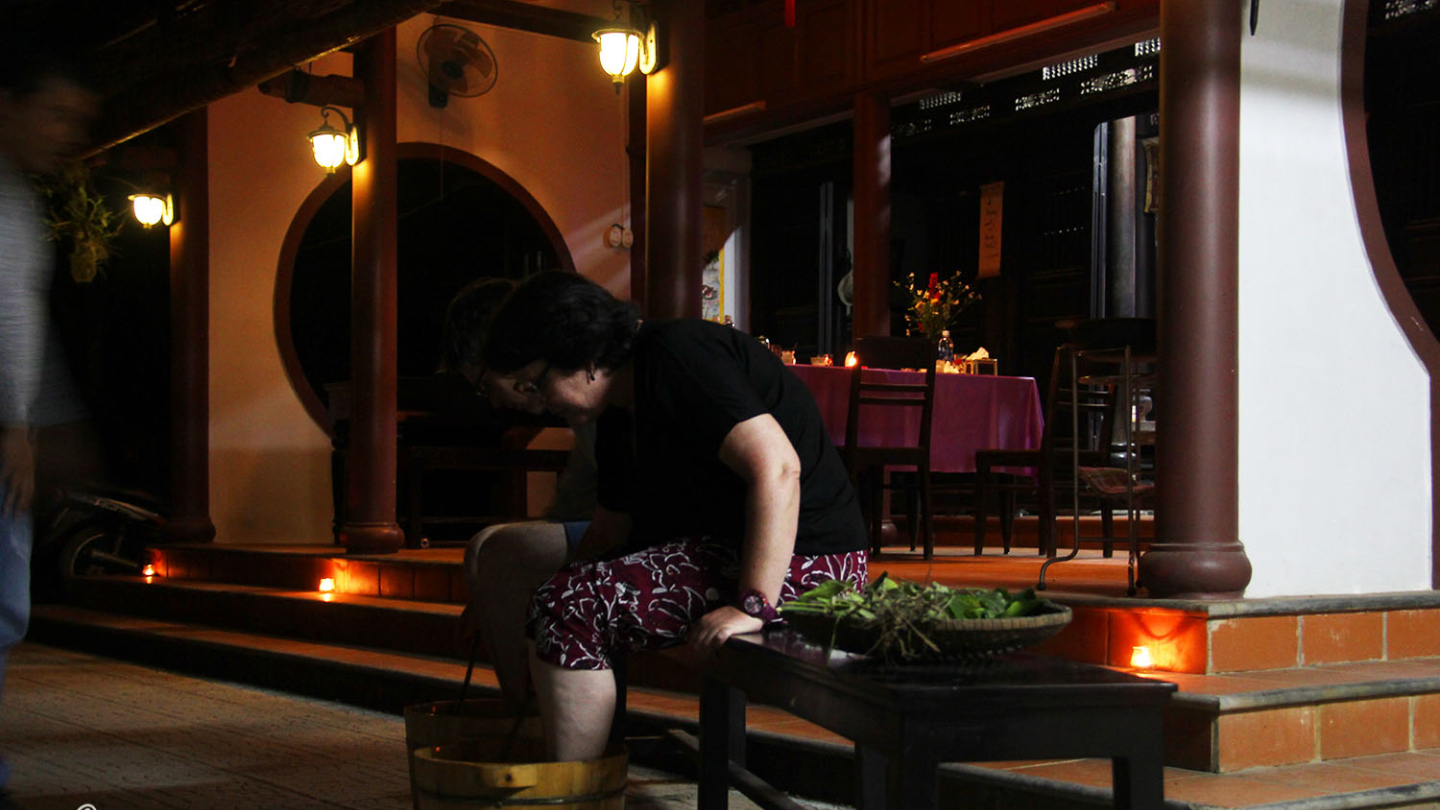
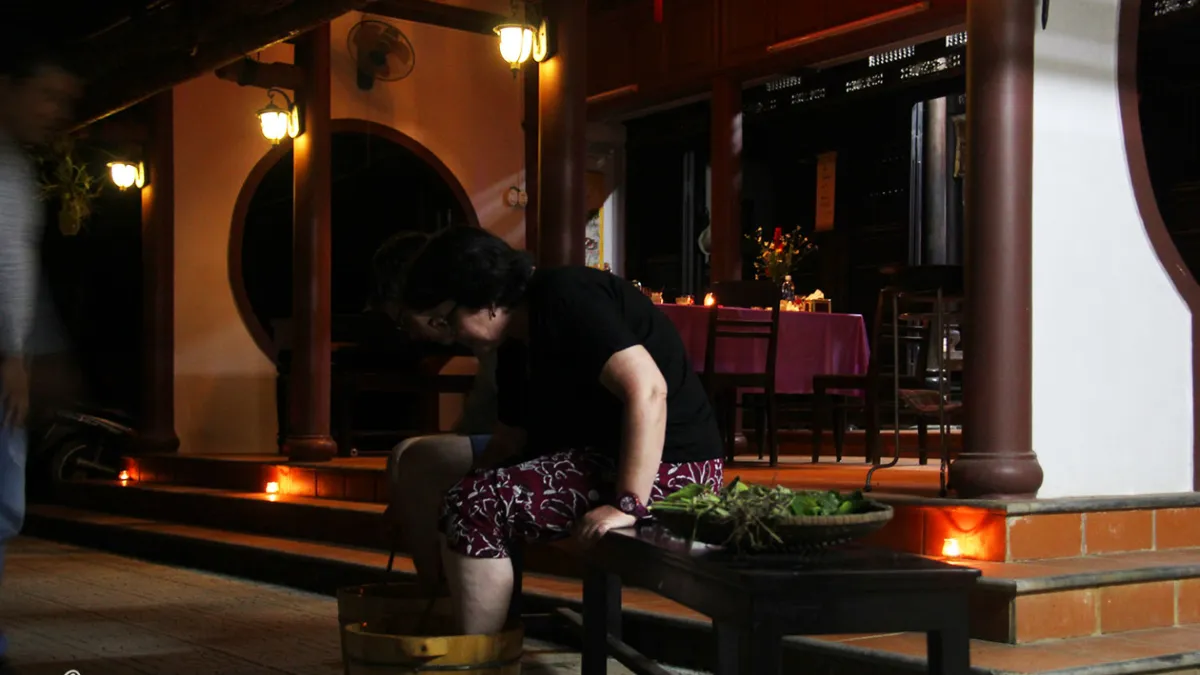
For a slower and more immersive way to discover Central Vietnam, enjoy a home-hosted dinner in a traditional village in Hue and experience everyday local life. As evening falls, you will make your way through the countryside, passing gardens and traditional craft workshops before being welcomed into an old Vietnamese family home. You can help prepare traditional dishes alongside your hosts, share a homemade meal, and unwind with an herbal foot bath. This slow travel experience puts genuine human connections, local culinary traditions, and direct support for local families at its heart, far from the usual tourist routes.
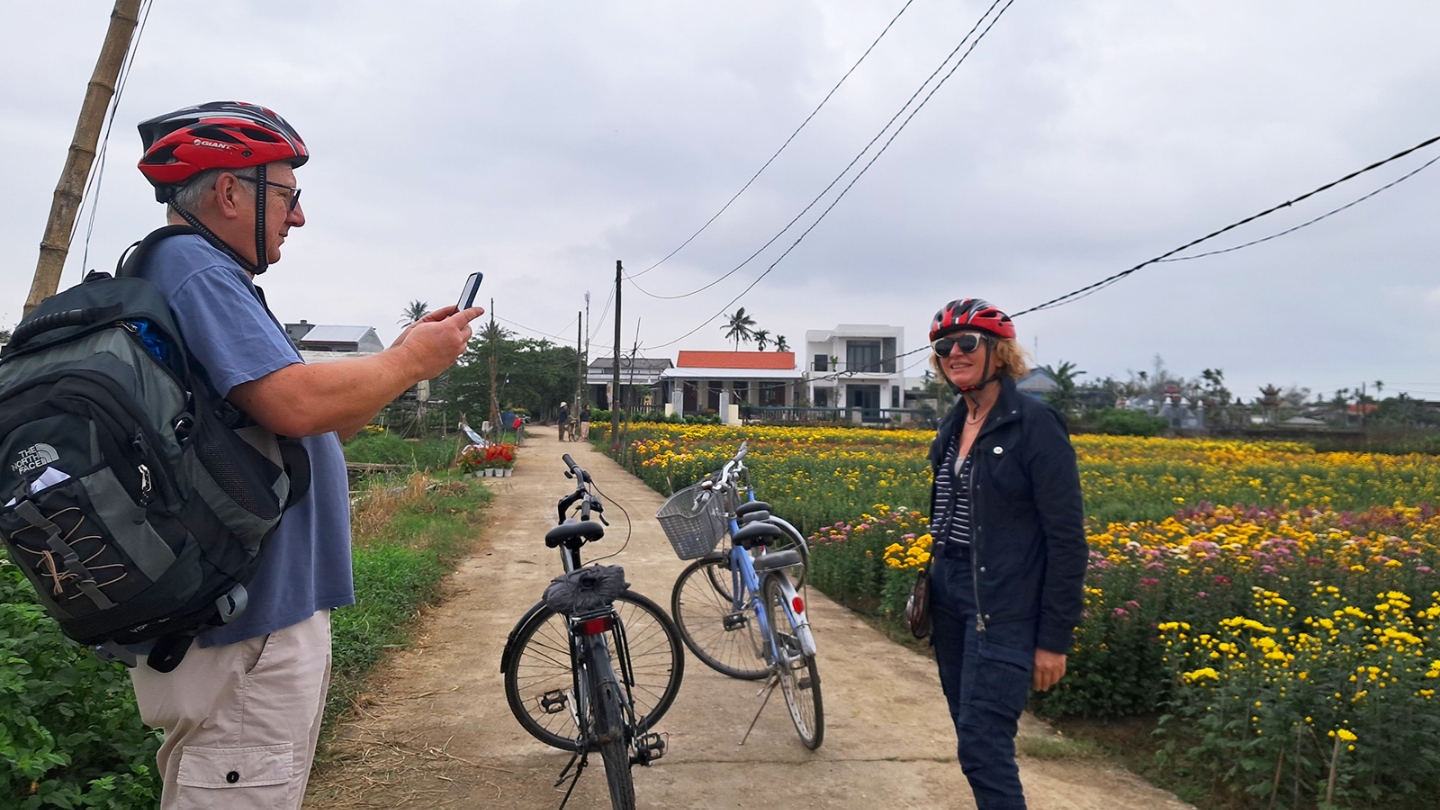
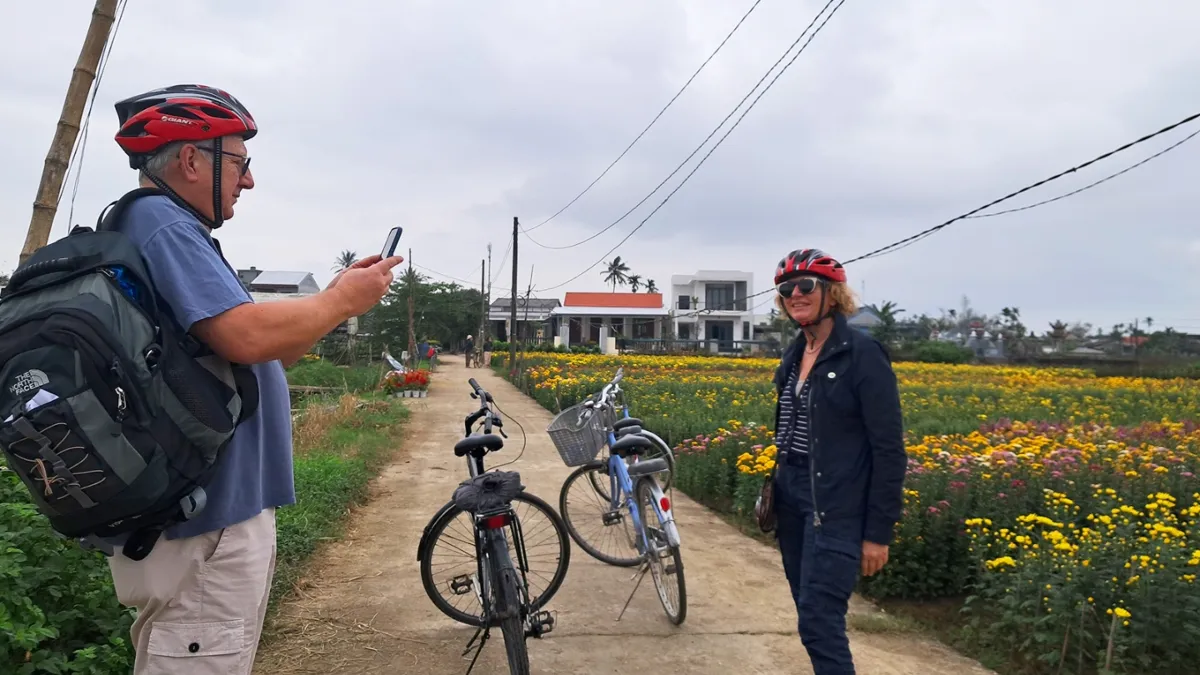
Cycling is one of the most enjoyable eco-friendly activities to do in Central Vietnam, offering a low-impact way to discover Hue's traditional craftsmanship and rural heritage. Along an approximately 17 km route, travelers can cycle through peaceful countryside landscapes and visit several local destinations, including Bao Vinh Ancient Town, Thanh Tien Village, famous for its handmade paper flowers, and Sinh Village, known for its traditional folk paintings. Along the way, you can meet local artisans, learn about techniques passed down through generations, and take part in hands-on craft workshops. This leisurely excursion encourages meaningful interactions with local communities while helping preserve traditional skills and support local artisans.
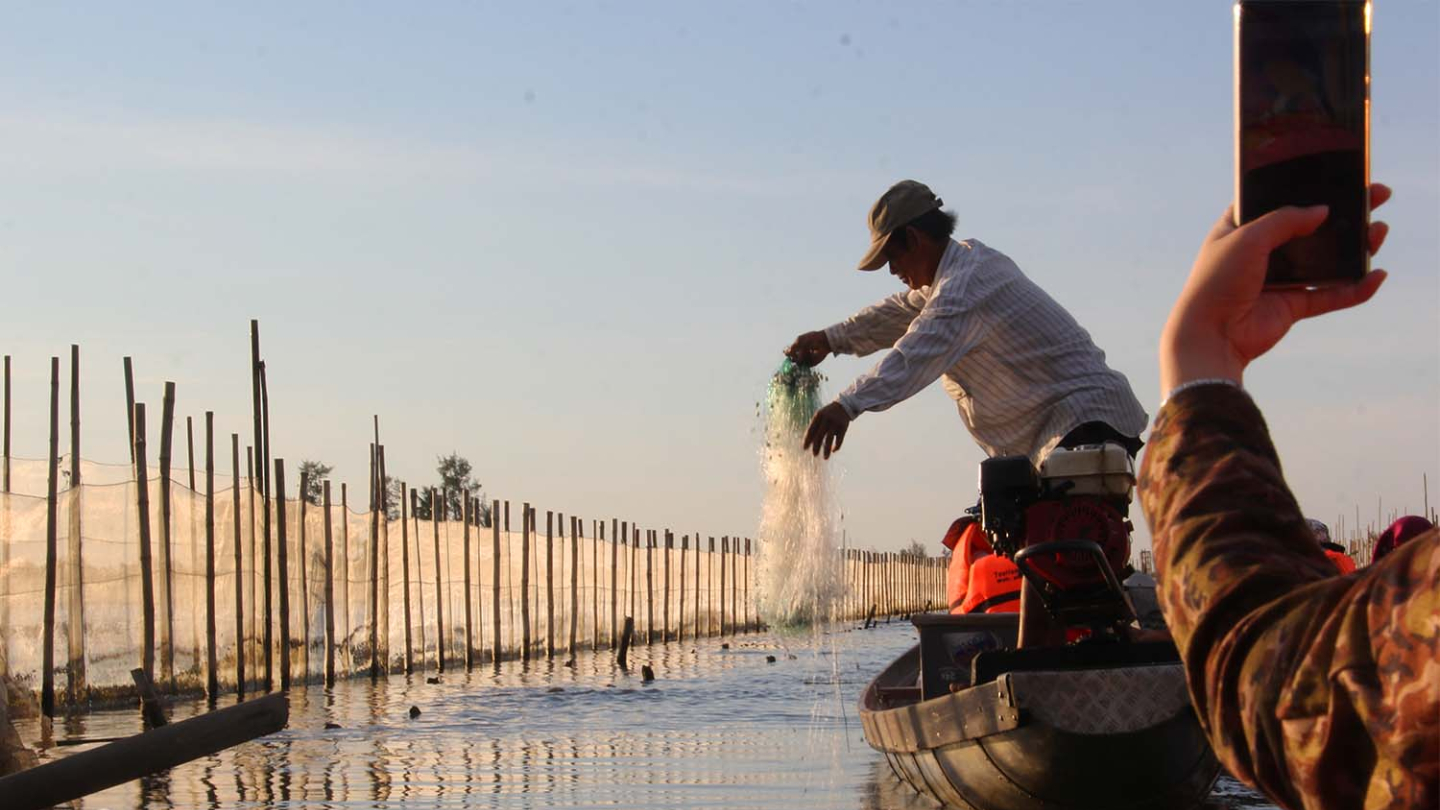
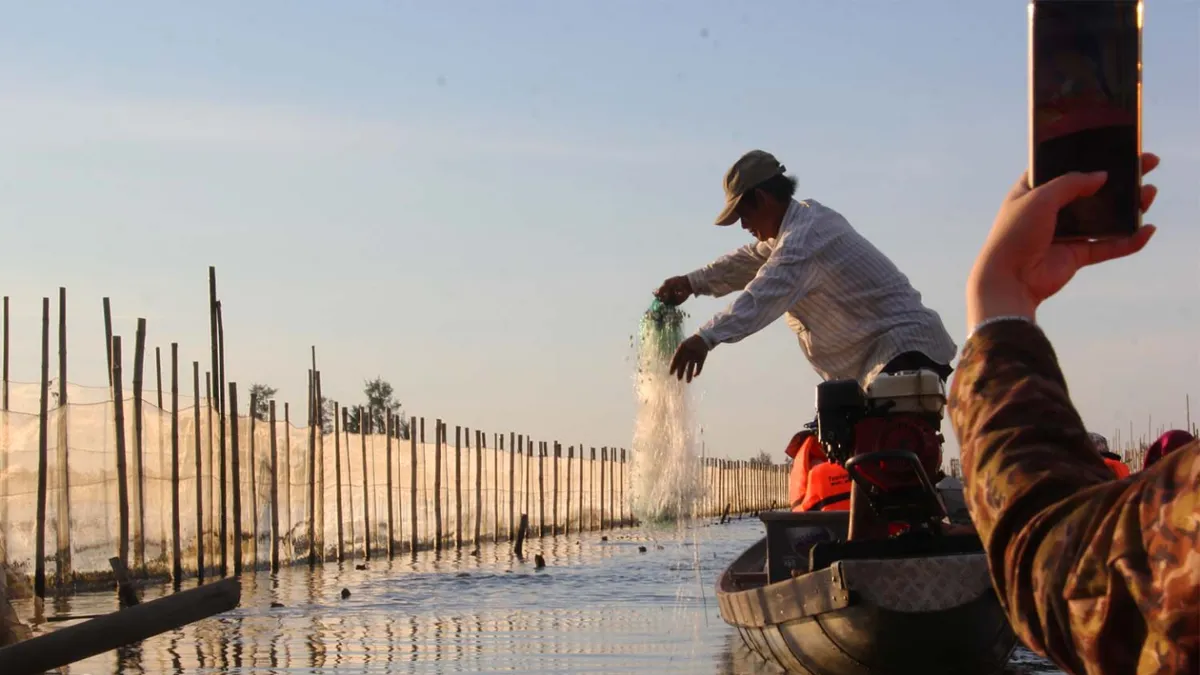
Located approximately 10 km from Hue, Tam Giang Lagoon offers a wonderful opportunity to discover the daily lives of local fishing communities in a peaceful setting. Visitors can take a traditional boat trip to explore fishing structures, stilt houses, and small villages along the lagoon. You can also try your hand at local fishing techniques, such as lifting fish traps or fishing with traditional nets, before learning more about local aquaculture practices. This experience brings travelers closer to local communities, provides direct support to fishermen and small-scale producers, and is one of the most rewarding activities to include in a responsible trip to Vietnam.
Read more:
Following the administrative reorganization in 2025, the former Quang Binh area, home to Phong Nha-Ke Bang, became part of the newly established Quang Tri Province. The region is particularly famous for its spectacular karst formations, underground rivers, and vast forest landscapes. It is an excellent destination for travelers looking to enjoy responsible outdoor activities in Vietnam.
You may also like:
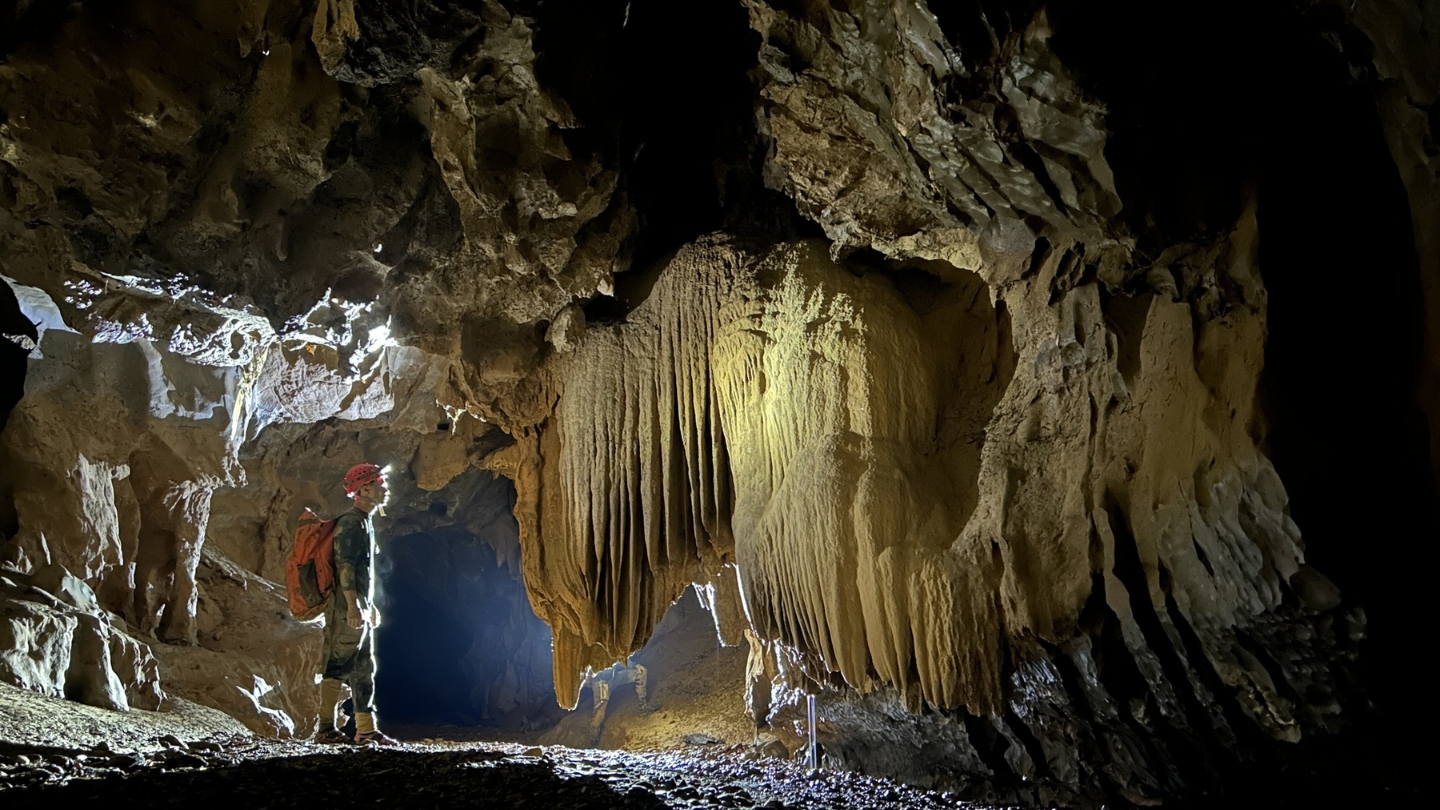
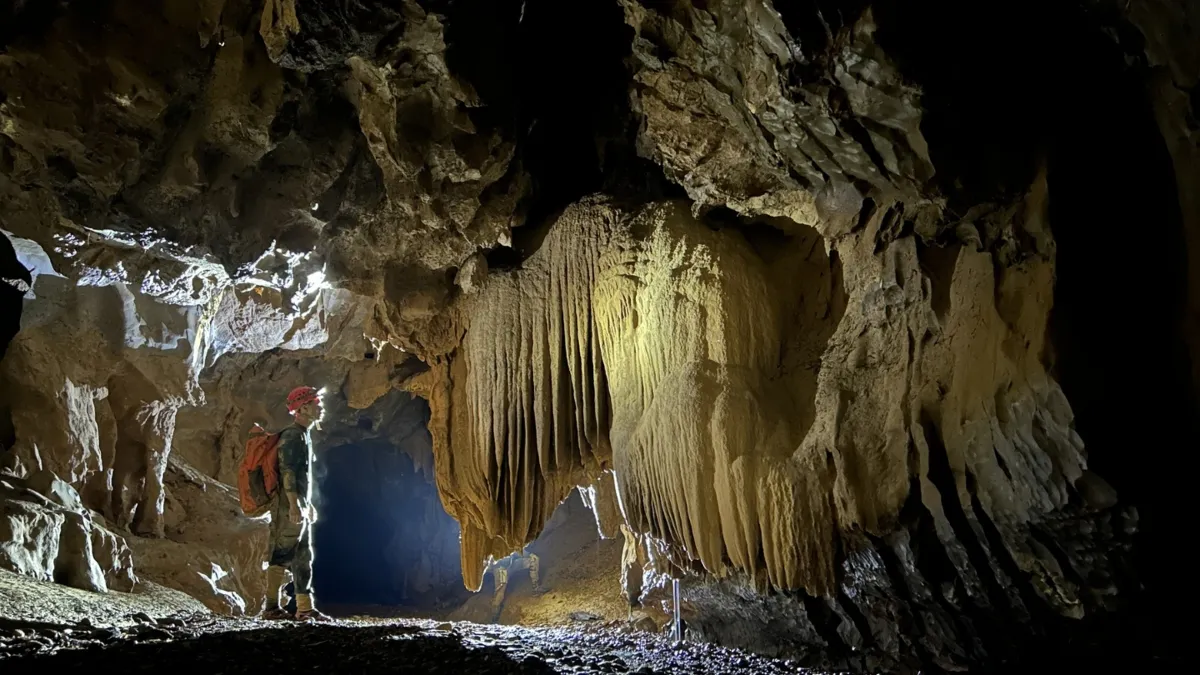
Listed as a UNESCO World Heritage Site, Phong Nha-Ke Bang National Park is renowned for its dramatic karst mountains, tropical forests, and extensive cave systems. Its pristine landscapes provide an ideal setting for discovering eco-friendly activities to do in Central Vietnam, including guided hikes and caving excursions. Phong Nha trekking tours allow visitors to explore the park's remarkable biodiversity while learning more about the importance of conservation. To help preserve this fragile ecosystem, stick to authorized trails, follow your guides' instructions, and choose licensed operators when visiting protected caves.
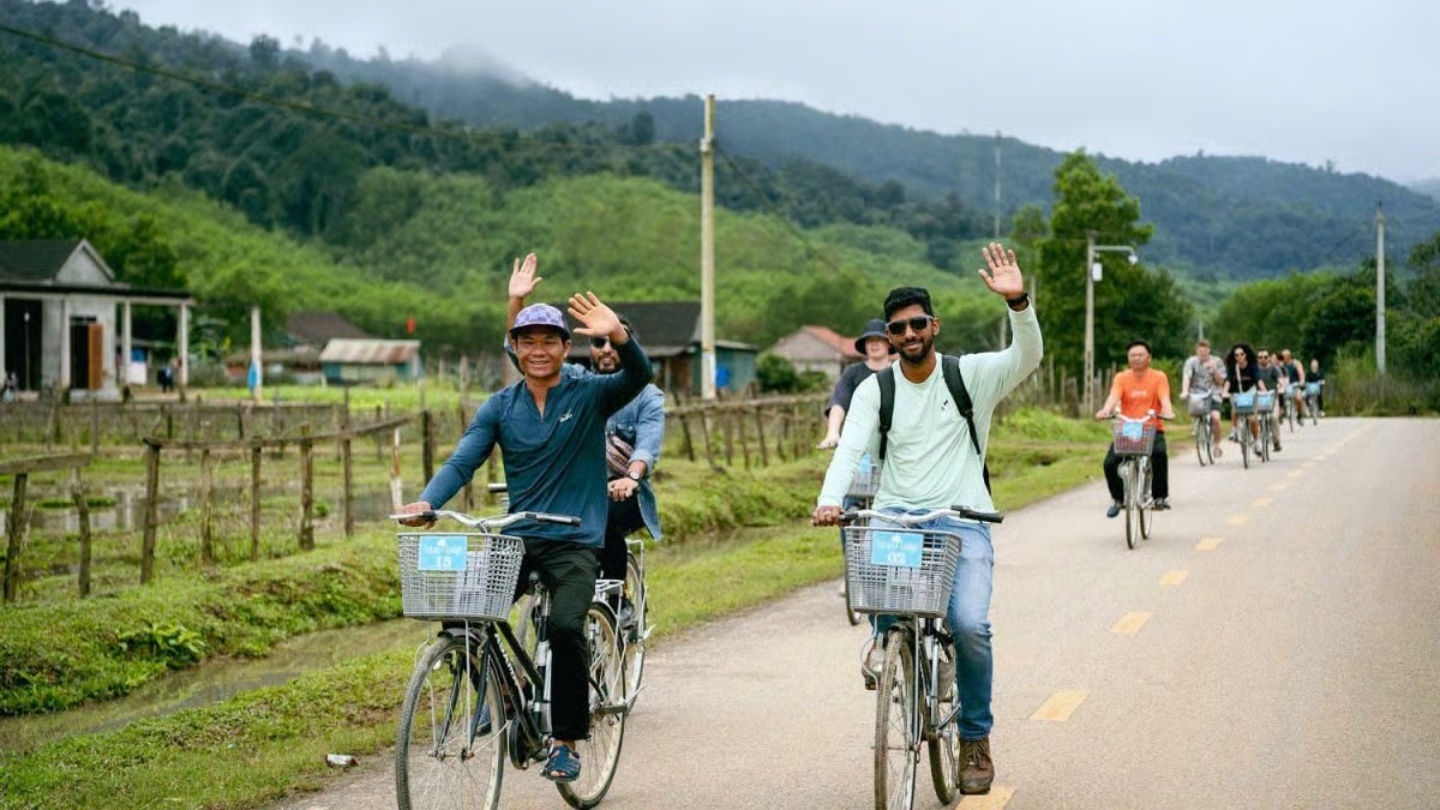
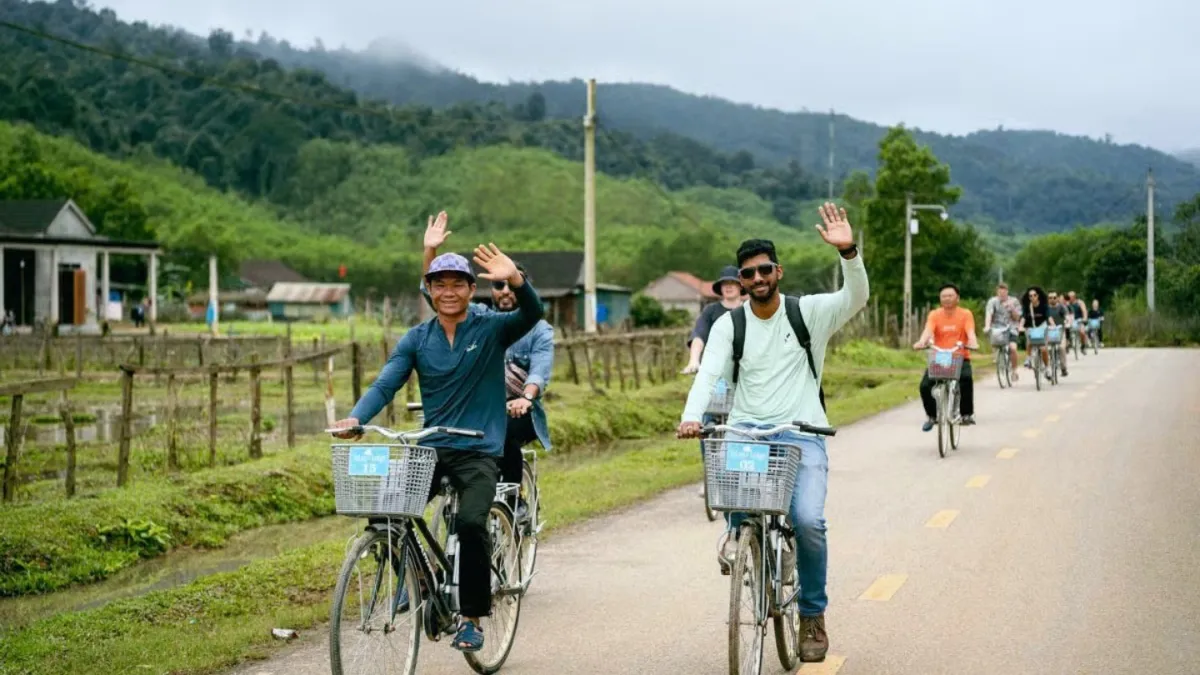
Beyond its famous caves, Phong Nha-Ke Bang can also be explored through scenic country roads and breathtaking karst landscapes. Starting from Chay Lap Farmstay, a 55 km cycling route takes visitors past several natural attractions, including the Chay River, Dark Cave, Mooc Spring, Ozo Park, and Phong Nha Botanical Garden. The journey takes approximately 3.5 hours and combines rural paths, rolling hills, and moderate climbs. This cycling adventure offers a different perspective on the region, bringing travelers closer to nature and away from the usual tourist crowds.
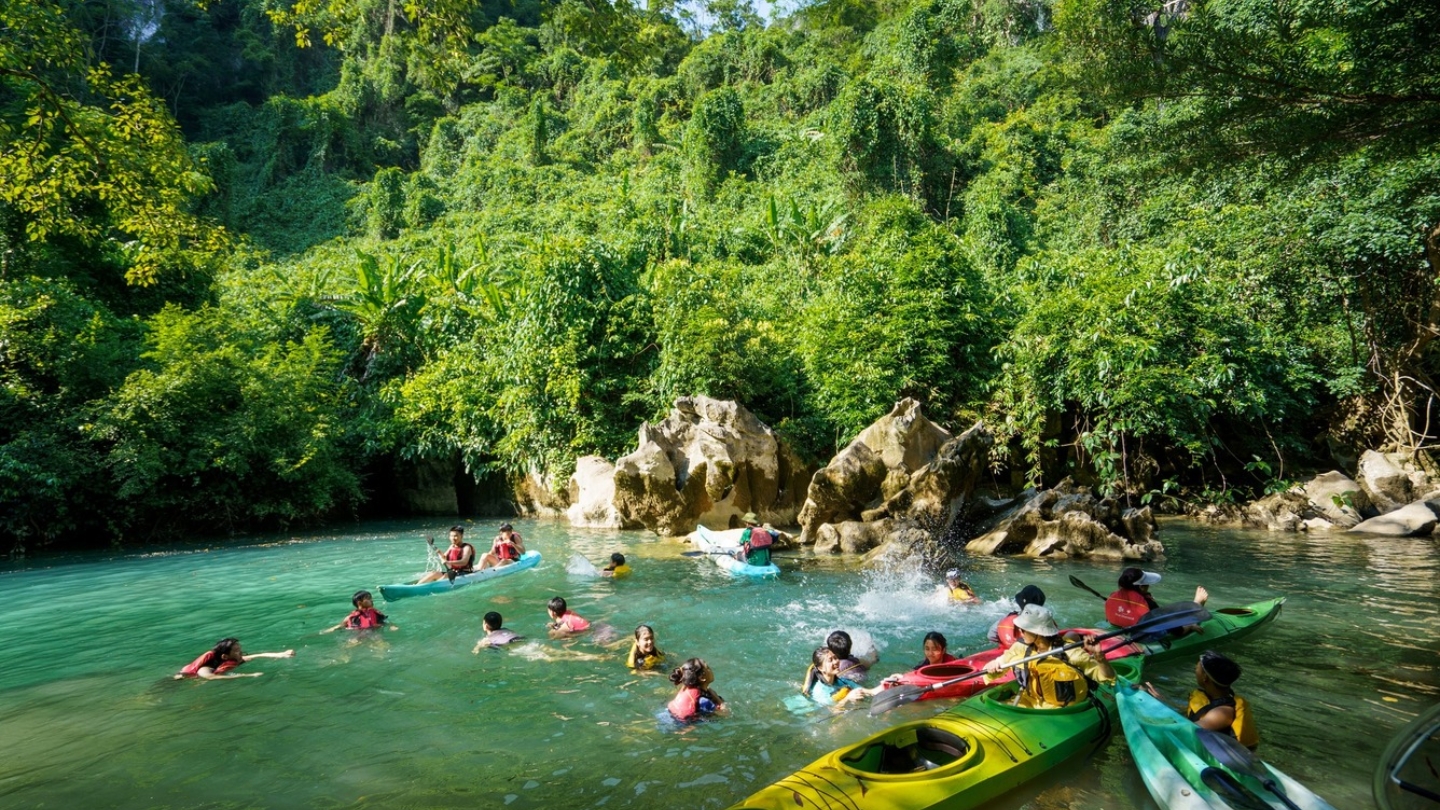
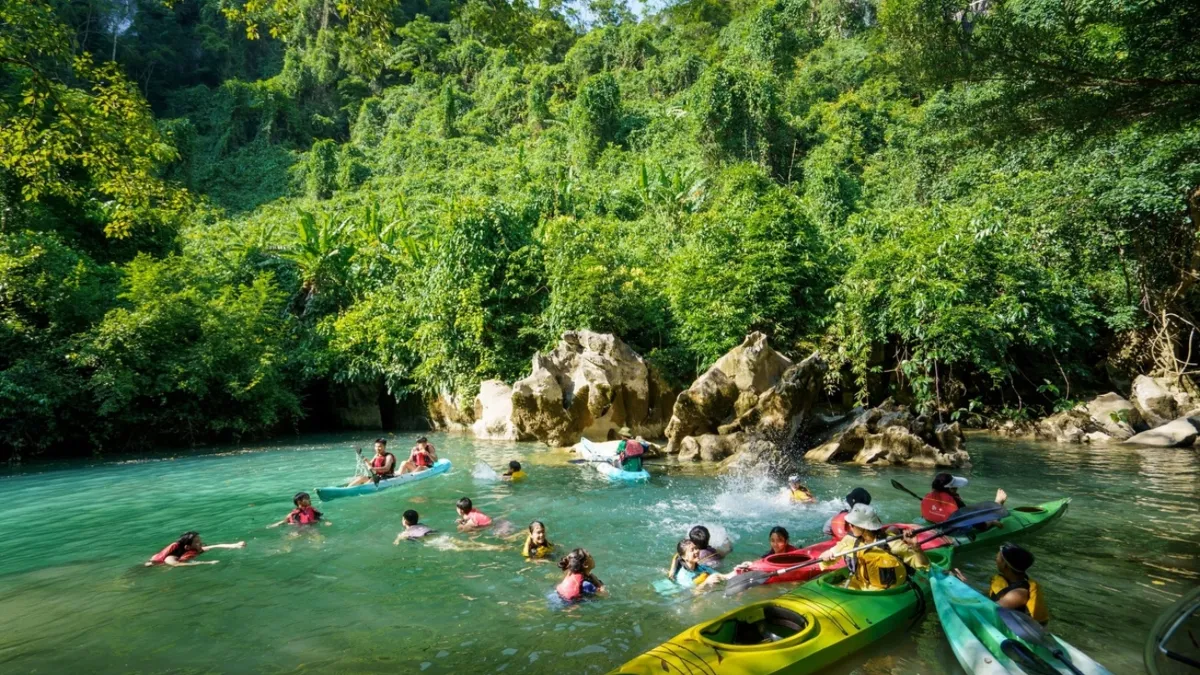
The Son River is a beautiful place to discover Phong Nha's landscapes from the water. From a kayak, travelers can paddle along limestone mountains, observe riverside villages, and enjoy the peaceful surroundings without relying on motorized boats. Kayaking is therefore one of the most appealing eco-friendly activities to do in Central Vietnam, provided visitors respect local fishing areas and natural riverbanks. To minimize your environmental impact, choose local operators who keep group sizes small, provide suitable equipment, and have proper waste management practices in place.
From the traditional craft villages of Hoi An and the peaceful local life of Hue to the wild landscapes of Phong Nha-Ke Bang, Central Vietnam offers countless opportunities to travel differently. These eco-friendly activities to do in Central Vietnam allow visitors to discover local traditions, connect with communities, and explore well-preserved ecosystems while reducing their environmental footprint. Whether cycling through the countryside, staying with local families, hiking in national parks, or experiencing traditional farming, every activity can help support local communities. With Autour Asia, a travel agency in Vietnam, discover the region through authentic experiences that respect both nature and local culture.
Learn more:


The cost of a Vietnam tour 15 days depends on your preferred level of comfort, transport options and planned activities. For a budget-friendly trip, expect to spend around €700–1,000 per person, excluding international flights. This typically covers basic accommodation, local meals and travel by bus or train. For a more comfortable experience with mid-range hotels and organised excursions, plan for approximately €1,000–1,700 per person. To keep expenses under control, eat at local restaurants, book transport in advance and avoid changing destinations too frequently. It is also wise to set aside some extra money for unexpected expenses and optional activities.
Hue, Da Nang, Hoi An, and Quang Binh offer a wide range of eco-friendly activities to do in Central Vietnam, while helping local communities benefit from tourism. Hoi An is particularly well known for its traditional farming villages, local craft workshops, and environmental conservation initiatives on Cu Lao Cham Island. In Hue, travelers can experience community-based tourism in the mountainous villages of A Luoi or explore Tam Giang Lagoon alongside local fishermen. Further south, Phong Nha-Ke Bang National Park offers various experiences focused on discovering and protecting the region's rich biodiversity.
The best time for a responsible trip to Central Vietnam, including Hoi An, Hue, and Phong Nha, is generally from February to August. From February to April, temperatures are relatively mild and pleasant, making it an ideal time for hiking, cycling, and exploring traditional villages. Between May and August, the weather is typically hotter and sunnier, creating better conditions for coastal excursions and water-based activities. By contrast, the rainy season, which usually lasts from September to January, can bring heavy rainfall and flooding, potentially disrupting travel plans. To make the most of your trip, adjust your itinerary according to local weather conditions and prioritize experiences organized by local communities.



 FR
 ITA